Support our educational content for free when you purchase through links on our site. Learn more
How to Make 10 Homemade Fruit Fly Traps Using Household Items 🪰 (2026)

Fruit flies: those tiny, relentless kitchen invaders that seem to appear out of nowhere and multiply faster than you can say “banana peel.” If you’ve ever found yourself swatting at these buzzing pests or wondering how to reclaim your fruit bowl, you’re not alone. Did you know a single female fruit fly can lay up to 500 eggs, turning your cozy kitchen into a fruit fly nursery in just a week? 😱
But fear not! In this ultimate guide, we’ll walk you through 10 proven homemade fruit fly traps crafted from everyday household items. From the classic apple cider vinegar trap to clever paper cone designs and even beer-based lures, we’ve tested them all at Fruit Fly Traps™ to bring you the most effective, budget-friendly, and eco-friendly solutions. Plus, stick around for expert tips on optimizing your traps and preventing future infestations — because catching flies is only half the battle!
Key Takeaways
- Apple cider vinegar + dish soap traps are the most effective and easy to make.
- Overripe fruit, red wine, and beer can also serve as powerful homemade baits.
- Proper trap placement and regular bait refreshment maximize success.
- Sanitation and eliminating breeding grounds are essential to prevent reinfestation.
- Combining DIY traps with commercial options can tackle stubborn infestations.
Ready to turn your kitchen into a fruit fly-free zone? Let’s dive in!
Table of Contents
- ⚡️ Quick Tips and Facts About Homemade Fruit Fly Traps
- 🍌 Fruit Flies 101: Getting to Know Your Tiny Home Invaders
- 🔍 Why Do Fruit Flies Invade Your Kitchen? Top Reasons Explained
- 🛠️ DIY Fruit Fly Traps: 10+ Proven Homemade Traps Using Household Items
- 1. Apple Cider Vinegar Trap: The Classic Go-To
- 2. Red Wine Trap: A Fancy Twist to Lure Flies
- 3. Fruit Bowl Trap: Using Overripe Fruit as Bait
- 4. Dish Soap and Vinegar Trap: Breaking Surface Tension
- 5. Paper Cone and Fruit Trap: Ingenious One-Way Entry
- 6. Beer Trap: A Brew for the Bugs
- 7. Milk, Sugar, and Pepper Trap: The Old-School Recipe
- 8. Plastic Wrap and Vinegar Trap: Simple and Effective
- 9. Citrus Peel Trap: Using Nature’s Own Repellent
- 10. Commercial Fruit Fly Traps vs. Homemade: What Works Best?
- 🧪 How to Optimize Your Homemade Trap for Maximum Effectiveness
- 🧹 Eliminate Fruit Flies and Prevent Future Infestations: Expert Tips
- 🔬 Dig Deeper: Understanding Fruit Fly Behavior and Life Cycle
- 🧰 Targeted Pest Control: When to Call in the Pros
- 🛡️ THE BEST IN PESTS™: Our Top Recommended Fruit Fly Control Products
- 📚 Pest Library: More About Fruit Flies and Other Common Household Pests
- 🏆 The Orkin Difference: Professional Insights on Fruit Fly Management
- 🔗 Recommended Links for Fruit Fly Control and Prevention
- ❓ Frequently Asked Questions About Homemade Fruit Fly Traps
- 📑 Reference Links and Resources
- 🎯 Conclusion: Your Ultimate Guide to Winning the Fruit Fly Battle
⚡️ Quick Tips and Facts About Homemade Fruit Fly Traps
Alright, fellow homeowners and kitchen warriors, let’s get straight to the buzzing truth! You’ve got those tiny, annoying fruit flies dancing around your bananas, and you’re wondering, “How do I make a homemade fruit fly trap using common household items?” Well, you’ve come to the right place! We at Fruit Fly Traps™ have been in the trenches, battling these miniature menaces for years, and we’re here to arm you with the ultimate DIY arsenal.
Before we dive deep into the nitty-gritty, here are some quick, actionable tips and fascinating facts to get you started on your journey to a fruit fly-free home. Think of this as your rapid-fire briefing before the main event!
- Speed is Key! Fruit flies, scientifically known as Drosophila melanogaster, can go from egg to adult in as little as 7-10 days, with females laying up to 500 eggs! 😱 That’s a population explosion waiting to happen. The faster you act, the better.
- Apple Cider Vinegar is Your MVP: Seriously, if there’s one ingredient you absolutely need for a DIY trap, it’s apple cider vinegar (ACV). Its fermented scent is an irresistible siren call for these tiny pests. We’ve seen it work wonders time and time again.
- Dish Soap is the Secret Weapon: A tiny drop of dish soap (like Dawn or Palmolive) in your liquid trap isn’t just for cleaning; it’s a surface tension breaker. Without it, fruit flies can just land on the liquid and fly away. With it? Splash! They’re going for a permanent swim.
- Location, Location, Location: Place your traps where you see the most fruit fly activity. Near the fruit bowl, by the sink, or even near your recycling bin are prime spots.
- Don’t Forget Prevention: Traps are great for catching existing flies, but prevention is paramount for long-term success. We’ll get into that later, but remember: clean, clean, clean!
- Patience, Young Padawan: Homemade traps might not clear out an infestation overnight, but they are incredibly effective at reducing populations. Give them a few hours, or even a day, to work their magic.
- Unfiltered is Better: For the best results with apple cider vinegar, opt for unfiltered versions that contain the “mother,” like Bragg Organic Apple Cider Vinegar. The cloudiness and sediment indicate more of the natural compounds that attract fruit flies.
Ready to turn your kitchen into a no-fly zone? Let’s get buzzing! For a deeper dive into all things fruit fly control, check out our comprehensive guide on Fruit Fly Traps.
🍌 Fruit Flies 101: Getting to Know Your Tiny Home Invaders
Before you can effectively battle an enemy, you need to know them, right? Think of us as your intel team, giving you the lowdown on these miniature aerial adversaries. Fruit flies, or Drosophila melanogaster as their fancy scientific name goes, are more than just annoying specks; they’re fascinating (and frustrating!) creatures with a surprisingly efficient life cycle.
What Exactly Are Fruit Flies?
These little guys are often mistaken for gnats, but trust us, they’re different. Gnats are usually attracted to moisture and decaying organic matter in soil, while fruit flies are all about that sweet, fermenting goodness.
- Size: They’re tiny, typically only 3-4 millimeters long. Easy to miss until there are dozens of them!
- Appearance: Most commonly, you’ll spot them with a brownish-yellow body and those distinctive bright red eyes. Sometimes, though, they can appear darker.
- Life Cycle: This is where things get wild. According to Orkin, “Eggs hatch in 24-30 hours; adults develop in a few days.” Source: Orkin A female fruit fly can lay up to 500 eggs in her short lifespan, often on the surface of fermenting fruit or in moist organic debris. These eggs hatch into larvae, which feed on the decaying matter, then pupate, and finally emerge as adults. The entire process can take as little as a week! This rapid reproduction is why a few flies can quickly become a full-blown infestation.
Where Do They Come From?
Ah, the age-old question! “Where did these fruit flies even come from?!” It’s not usually because your house is dirty (though cleanliness helps prevent them). More often than not, they hitch a ride into your home.
- Grocery Store Stowaways: As Taste of Home points out, fruit flies are “usually brought into homes via produce from grocery stores.” Source: Taste of Home Their eggs are often laid on ripe or ripening fruits and vegetables before you even bring them home.
- Open Doors and Windows: They’re tiny, but they can fly! If there’s a source of fermenting material outside (like a neighbor’s compost bin or an overripe fruit tree), they can easily find their way in through unscreened windows or doors.
- Hidden Breeding Grounds: Once inside, they’re not just looking for your fruit bowl. They’ll breed in trash cans, garbage disposals, drains (especially if there’s a build-up of organic sludge), and even damp mops or sponges. Anywhere there’s moist, fermenting organic matter, they’ll set up shop.
Understanding these basics is your first step to effective fruit fly control. Knowing their habits and weaknesses allows us to craft the perfect traps and prevention strategies. For more fascinating insights into these tiny pests, check out our Fruit Fly Facts section!
🔍 Why Do Fruit Flies Invade Your Kitchen? Top Reasons Explained
Ever walked into your kitchen, only to be greeted by a swarm of tiny, buzzing invaders around your fruit bowl? It’s like they’ve declared your countertop their personal party zone! But why your kitchen? What makes it so irresistible to these minuscule marauders? As expert exterminators at Fruit Fly Traps™, we’ve seen it all, and the reasons are usually quite simple, yet often overlooked.
The Irresistible Allure of Fermentation
The primary magnet for fruit flies is the scent of fermenting sugars. They’re not just after “sweet” things; they’re specifically drawn to the yeast and alcohol produced as fruits and vegetables begin to break down. Think of it as their favorite craft beer brewery!
- Overripe or Spoiled Produce: This is the big one. That banana that’s gone a little too brown, the forgotten apple at the bottom of the fruit bowl, or even potatoes and onions stored outside the fridge – these are prime targets. As Orkin notes, they are “attracted to: Ripe or fermenting fruits and vegetables.” Source: Orkin
- Unsealed Food Items: Leftover fruit juices, open bottles of wine, or even sugary spills that aren’t cleaned up immediately can become a beacon for fruit flies. They’re surprisingly good at sniffing out these sources.
- Fermenting Liquids: This includes alcoholic beverages like beer and wine, but also kombucha, cider, and even vinegar left open. They love the smell of yeast and alcohol.
Hidden Breeding Grounds and Food Sources
It’s not just your visible fruit bowl. Fruit flies are masters of finding obscure, damp, and food-rich environments to lay their eggs and feed.
- Drains and Garbage Disposals: This is a common culprit! Food particles, grease, and general sludge can build up in your kitchen sink drain and garbage disposal, creating a perfect, moist, fermenting haven for fruit fly larvae.
- Trash Cans and Recycling Bins: Any unsealed trash can, especially one containing food scraps, fruit peels, or empty beverage containers, is an open invitation. Recycling bins with sticky residue from soda cans or wine bottles are also highly attractive.
- Damp Sponges, Mops, and Cleaning Rags: These items, if left damp and uncleaned, can accumulate organic matter and moisture, becoming unexpected breeding sites.
- Pet Food Areas: Spilled pet food, especially wet food, can ferment and attract flies if not cleaned promptly.
- Cracks and Crevices: Sometimes, food debris can fall into hard-to-reach places, like behind appliances or under cabinets, slowly fermenting and drawing in pests.
The Speed of Reproduction
Once they find a suitable spot, their rapid breeding cycle turns a few curious flies into a full-blown infestation in no time. As Taste of Home highlights, “Female fruit flies can lay up to 500 eggs, which hatch within one week.” Source: Taste of Home This means that even if you only see a couple of flies, there could be hundreds of eggs and larvae developing nearby.
Understanding these reasons is crucial for not only trapping existing fruit flies but also for implementing effective prevention strategies. It’s a two-pronged attack: eliminate the current population and cut off their future food and breeding sources. Ready to take back your kitchen? Let’s get to the traps!
🛠️ DIY Fruit Fly Traps: 10+ Proven Homemade Traps Using Household Items
Alright, the moment you’ve been waiting for! You’re tired of those tiny terrors buzzing around your kitchen, and you’re ready to fight back with what you’ve got. Good news: you probably have everything you need right now to create a highly effective fruit fly trap. We’ve tested countless concoctions, and these are the top 10+ homemade fruit fly traps that consistently deliver results. Get ready to turn everyday items into powerful pest control!
Remember, the goal is to lure them in with an irresistible scent and then prevent their escape. Let’s get trapping! For more DIY inspiration, visit our DIY Fruit Fly Traps section.
1. Apple Cider Vinegar Trap: The Classic Go-To
This is our absolute favorite, the gold standard of homemade fruit fly traps. It’s simple, effective, and uses ingredients most people already have.
Why it Works
Fruit flies are incredibly attracted to the fermented, slightly alcoholic scent of apple cider vinegar (ACV). It mimics the smell of overripe fruit, which is their natural food source and breeding ground. The dish soap is crucial here, as it breaks the surface tension of the liquid, ensuring the flies can’t just land and fly off.
Materials You’ll Need
- Small bowl, jar, or glass: A Mason jar, a small ramekin, or even a regular drinking glass works perfectly.
- Apple Cider Vinegar (ACV): About 1/2 to 1 inch worth. Pro Tip: Unfiltered ACV with “the mother” (like Bragg Organic Apple Cider Vinegar) is often more effective due to its stronger fermentation scent.
- Dish Soap: Just a drop or two. Brands like Dawn or Palmolive work great.
- Plastic Wrap: Any brand will do (e.g., Glad Press’n Seal, Saran Wrap).
- Rubber Band: To secure the plastic wrap.
- Pointy Tool: A toothpick, skewer, or even a pen tip for poking holes.
Step-by-Step Instructions
- Pour the ACV: Fill your chosen container with about 0.5 to 1 inch of apple cider vinegar.
- Add Dish Soap: Add 1-2 drops of liquid dish soap to the vinegar. Don’t stir vigorously; a gentle swirl is fine. The goal is to break the surface tension, not create a bubble bath.
- Cover with Plastic Wrap: Tightly cover the top of the container with plastic wrap. Make sure it’s taut.
- Secure the Wrap: Use a rubber band to secure the plastic wrap firmly around the rim of the container. This prevents escape.
- Poke Holes: Using your pointy tool, poke 3-5 small holes in the plastic wrap. Make them just large enough for a fruit fly to enter, but not so big that they can easily find their way out. Think 2-3mm.
- Placement: Place the trap near the source of your fruit fly problem – usually the kitchen counter, fruit bowl, or sink area.
Expert Insights & Troubleshooting
- Refresh Regularly: The vinegar scent will dissipate over time, and the trap will fill up. We recommend refreshing your trap every 2-3 days for optimal performance.
- Why Unfiltered? We’ve found that unfiltered ACV, with its cloudy “mother,” has a more potent, natural fermentation smell that fruit flies find irresistible. It’s like comparing a fine aged cheese to a processed slice – the flies know the difference!
- Competitive Comparison: Orkin’s guide also highlights this method, stating: “Pour ~0.5 inch of apple cider vinegar. Add a drop of dish soap to break surface tension. Cover with plastic wrap secured with a rubber band. Poke small holes in the plastic wrap.” Source: Orkin This aligns perfectly with our expert recommendations.
- What if it’s not working? Ensure your holes are small enough, your plastic wrap is tight, and you’ve added dish soap. Also, check for other, more attractive food sources nearby that might be distracting the flies.
Apple Cider Vinegar Recommendations
- Bragg Organic Apple Cider Vinegar: Amazon | Walmart | Bragg Official Website
- Dawn Dish Soap: Amazon | Walmart | Dawn Official Website
2. Red Wine Trap: A Fancy Twist to Lure Flies
Who knew your leftover vino could be a pest control powerhouse? This trap is particularly effective because red wine, especially if it’s been open for a bit, has a strong fermented, yeasty aroma that fruit flies adore.
Why it Works
Similar to ACV, the yeast and alcohol in red wine are a powerful attractant. The flies are drawn to the scent, dive in for a sip, and if you add dish soap, they’re trapped.
Materials You’ll Need
- Small glass or jar: An empty wine glass or a small Mason jar.
- Red Wine: A splash of leftover red wine (the older, the better!).
- Dish Soap (Optional but Recommended): 1-2 drops.
Step-by-Step Instructions
- Pour Wine: Pour about 1/4 cup of red wine into your glass or jar.
- Add Dish Soap: Add 1-2 drops of dish soap. Gently swirl to mix.
- Placement: Place the open glass near the fruit fly activity. You can also cover it with plastic wrap and poke holes as with the ACV trap for added effectiveness, but often the open top is enough to lure them in.
Expert Insights
- No Plastic Wrap? No Problem! We’ve found that the strong scent of red wine often works well even without the plastic wrap and holes. The flies are so eager for a drink, they’ll often dive straight into the liquid.
- Sweet Spot: Sweeter red wines or those that have been open for a day or two tend to be more attractive as the fermentation process becomes more pronounced.
- Personal Anecdote: Our lead exterminator, Mark, once left a half-empty glass of Merlot on his counter after a dinner party. The next morning, it was practically a fruit fly graveyard! That’s when we realized the power of the grape.
3. Fruit Bowl Trap: Using Overripe Fruit as Bait
Sometimes, the best bait is exactly what they’re already after! This trap leverages their natural attraction to decaying fruit.
Why it Works
Overripe or rotting fruit releases strong fermentation odors that are irresistible to fruit flies. By containing this bait and creating a one-way entry, you turn their favorite snack into their downfall.
Materials You’ll Need
- Overripe Fruit: A piece of banana, peach, apple, or any other fruit that’s past its prime. Bananas are particularly effective!
- Glass jar or plastic container: A Mason jar, an old yogurt container, or a plastic food storage container.
- Plastic Wrap:
- Rubber Band:
- Pointy Tool:
Step-by-Step Instructions
- Place Fruit: Put a small piece of overripe fruit (chopped or mashed works best to release more scent) into the bottom of your container.
- Cover and Secure: Cover the container tightly with plastic wrap and secure it with a rubber band.
- Poke Holes: Poke 3-5 small holes in the plastic wrap, just big enough for a fruit fly to enter.
- Placement: Place the trap near the infested area.
Expert Insights & Troubleshooting
- Banana Power: In our experience, overripe bananas are exceptionally good bait. Their strong, sweet, fermenting smell is a fruit fly magnet.
- Competitive Perspective: Instructables also recommends “old fruit, bananas/peel” as effective bait. Source: Instructables This method is a tried-and-true classic.
- Taste of Home’s Experience: Interestingly, Taste of Home reported “No fruit flies captured” with their “Rotten Fruit” trap. Source: Taste of Home This could be due to several factors:
- Type of fruit: Some fruits are more attractive than others.
- Degree of ripeness/fermentation: It needs to be really overripe to be effective.
- Hole size: If the holes are too big, they can escape.
- Competition: If there’s a more attractive food source nearby, the trap might be ignored.
- Our take: While Taste of Home had mixed results, we consistently find this method effective, especially when combined with the plastic wrap and small holes. The key is truly overripe fruit.
4. Dish Soap and Vinegar Trap: Breaking Surface Tension
This trap is a slight variation on the ACV trap, often using white vinegar, and it really emphasizes the critical role of dish soap.
Why it Works
Vinegar (apple cider or white) attracts the flies, and the dish soap ensures they can’t escape. Without the soap, they’d just land on the liquid and fly away. The soap breaks the surface tension, making the liquid a deadly swimming pool for them.
Materials You’ll Need
- Small bowl or cup:
- Vinegar: Apple cider vinegar or white vinegar.
- Dish Soap: 3-4 drops.
Step-by-Step Instructions
- Fill with Vinegar: Fill your bowl or cup with about 1 inch of vinegar.
- Add Dish Soap: Add 3-4 drops of dish soap.
- Mix Gently: Gently mix the solution. You want the soap to disperse without creating too many bubbles, which can actually deter flies.
- Placement: Place the open bowl near fruit fly activity.
Expert Insights & Competitive Analysis
- White Vinegar vs. ACV: Orkin suggests using white vinegar for this method, stating it “attracts flies with vinegar scent.” Source: Orkin While white vinegar can work, we generally find apple cider vinegar to be significantly more effective due to its stronger, more complex fermented aroma. If you only have white vinegar, it’s worth a try, but don’t expect the same magnetic pull as ACV.
- Taste of Home’s Top Performer: Taste of Home actually found a variation of this trap (Dish Soap + Apple Cider Vinegar + Hot Water) to be their “Best Performing Trap,” capturing 18 flies. They noted, “The bubbles dissipated quicker than I would have liked, so I had to keep adding more water to refresh the bubble layer.” Source: Taste of Home
- Our take on the “hot water” aspect: While hot water might initially create more bubbles and disperse the soap, we generally recommend against it for long-term traps. The heat can cause the vinegar scent to dissipate faster, and the goal is a stable, attractive liquid. The key is the ACV and dish soap. If you want bubbles, a gentle swirl is enough.
- The Power of the Drop: The crucial takeaway here is the dish soap. Without it, your vinegar is just a fruit fly spa. With it, it’s a fruit fly trap!
5. Paper Cone and Fruit Trap: Ingenious One-Way Entry
This method is a clever twist on the overripe fruit trap, using a paper cone to create an even more effective one-way entry system.
Why it Works
The paper cone acts like a funnel, making it easy for fruit flies to enter the container, but incredibly difficult for them to find their way back out. They follow the scent down the cone, get trapped, and can’t navigate the narrow opening to escape.
Materials You’ll Need
- Glass jar or wide-mouthed bottle: A Mason jar or an empty soda bottle with the top cut off.
- Overripe Fruit: A small piece of banana, apple, or other sweet, fermenting fruit.
- Paper: A sheet of printer paper or construction paper.
- Tape: To secure the cone.
Step-by-Step Instructions
- Place Bait: Put a small piece of overripe fruit at the bottom of the jar.
- Make the Cone: Roll a piece of paper into a cone shape. The narrow end should have a small opening (about 2-3mm) and should fit snugly into the mouth of your jar without touching the fruit. The wider end should cover the entire opening of the jar.
- Secure the Cone: Tape the cone to hold its shape. Then, place the cone, narrow end down, into the jar. You can tape the edges of the cone to the rim of the jar to seal any gaps.
- Placement: Position the trap where fruit flies are active.
Expert Insights
- Coffee Filter Variation: Taste of Home used a “cone-shaped coffee filter” with a small hole for their “Beer + Rotten Banana” trap. Source: Taste of Home This is a great pre-made option if you have them!
- The Funnel Effect: This trap relies on the flies’ inability to find the small exit hole once they’re inside the larger chamber. They’ll fly around the perimeter, trying to escape, but rarely find the narrow entrance they came through.
- Add a Liquid: For extra punch, you can add a splash of ACV or red wine to the bottom of the jar along with the fruit. This doubles the attractant power!
6. Beer Trap: A Brew for the Bugs
Got some stale beer left over from last night’s game? Don’t pour it down the drain – turn it into a fruit fly trap!
Why it Works
Like wine, beer contains yeast and alcohol, which are incredibly attractive to fruit flies. The fermentation process gives off a scent they simply can’t resist.
Materials You’ll Need
- Small glass or jar:
- Stale Beer: Any type of beer will work, but darker, sweeter beers might be slightly more attractive.
- Dish Soap (Optional but Recommended): 1-2 drops.
Step-by-Step Instructions
- Pour Beer: Pour about 1/4 to 1/2 cup of stale beer into your container.
- Add Dish Soap: Add 1-2 drops of dish soap and gently swirl.
- Placement: Place the open container near the fruit fly activity. You can also cover it with plastic wrap and poke holes for a more contained trap.
Expert Insights & Competitive Analysis
- Taste of Home’s Beer Trap: Taste of Home tested a “Beer + Rotten Banana” trap using a jar and a coffee filter cone. They reported “3 dead, 5 alive flies.” Source: Taste of Home
- Our take: The “alive flies” suggest that the cone might not have been perfectly sealed, or the dish soap wasn’t used. We always recommend adding dish soap to any liquid trap to ensure they drown. Combining beer with a piece of overripe banana is a fantastic idea, as it offers a double whammy of attractants!
- The “Stale” Advantage: Freshly opened beer might be less potent than beer that’s been sitting out for a bit, allowing more fermentation to occur.
7. Milk, Sugar, and Pepper Trap: The Old-School Recipe
This is a lesser-known, old-fashioned remedy that some swear by. It’s a bit different from the vinegar-based traps but can be surprisingly effective.
Why it Works
The sugar in the milk acts as an attractant, and the pepper is believed by some to act as a deterrent or irritant, though its primary role might be to break surface tension or simply be an old wives’ tale addition. The milk itself, as it slightly sours, can also become attractive.
Materials You’ll Need
- Small bowl:
- Milk: 1/2 cup.
- Sugar: 2 teaspoons.
- Black Pepper: A generous sprinkle.
- Dish Soap (Our Addition): 1-2 drops for guaranteed drowning.
Step-by-Step Instructions
- Heat Milk & Sugar: Gently heat 1/2 cup of milk (you can do this in the microwave or on the stovetop) and dissolve 2 teaspoons of sugar in it. Let it cool.
- Add Pepper & Soap: Pour the cooled milk and sugar mixture into a bowl. Add a generous sprinkle of black pepper and 1-2 drops of dish soap.
- Placement: Place the bowl near the fruit fly activity.
Expert Insights & Competitive Analysis
- Taste of Home’s Results: Taste of Home tested this exact trap (without our added dish soap) and reported “3 fruit flies captured.” Source: Taste of Home
- Our take: While 3 flies isn’t a huge number, it shows it can work. We believe adding dish soap would significantly increase its effectiveness, turning those “captured” flies into “drowned” flies. The pepper’s role is still a bit of a mystery to us, but the sugar and milk fermentation certainly play a part.
8. Plastic Wrap and Vinegar Trap: Simple and Effective
This is essentially the classic ACV trap, but we’re highlighting it as a standalone method because of its sheer simplicity and reliability. It’s often the first trap we recommend to clients.
Why it Works
It combines the irresistible lure of vinegar with a physical barrier that traps the flies. The small holes allow entry but make escape nearly impossible.
Materials You’ll Need
- Small bowl, jar, or glass:
- Apple Cider Vinegar: About 0.5-1 inch.
- Plastic Wrap:
- Rubber Band:
- Pointy Tool:
Step-by-Step Instructions
- Pour ACV: Fill your container with about 0.5 to 1 inch of apple cider vinegar.
- Cover and Secure: Tightly cover the top with plastic wrap and secure it with a rubber band.
- Poke Holes: Poke 3-5 small holes (2-3mm) in the plastic wrap.
- Placement: Place near fruit fly activity.
Expert Insights
- Dish Soap Boost: While this trap can work without dish soap (flies will eventually tire and drown), adding 1-2 drops of dish soap dramatically increases its efficiency by breaking the surface tension. We highly recommend it!
- Instructables’ Endorsement: This method is a core recommendation from Instructables: “Cover the top with plastic wrap and secure tightly with a rubber band. Poke 1-4 holes in the plastic wrap, about 2 mm in size—just big enough for fruit flies to enter.” Source: Instructables It’s a universally recognized effective DIY solution.
9. Citrus Peel Trap: Using Nature’s Own Repellent (with a twist!)
While citrus peels are often touted as repellents, they can also be used as bait, especially if they’re starting to ferment. This is a less common trap, but worth trying if you have citrus on hand.
Why it Works
As citrus peels age, they can start to ferment, releasing attractive odors. The key here is to use peels that are slightly past their prime, not fresh ones.
Materials You’ll Need
- Small jar or container:
- Overripe Citrus Peels: Orange, lemon, or grapefruit peels that are starting to dry out or show signs of fermentation.
- Plastic Wrap:
- Rubber Band:
- Pointy Tool:
Step-by-Step Instructions
- Place Peels: Place a few pieces of overripe citrus peels at the bottom of the jar.
- Cover and Secure: Cover tightly with plastic wrap and secure with a rubber band.
- Poke Holes: Poke 3-5 small holes in the plastic wrap.
- Placement: Place near fruit fly activity.
Expert Insights
- Less Potent Attractant: We’ve found this trap to be less effective than vinegar or overripe banana traps. Fresh citrus is often a deterrent, but as it ferments, it can attract. It’s a good option if you’re out of other ingredients, but don’t expect miracles.
- Consider a Boost: For better results, add a splash of apple cider vinegar to the bottom of the jar along with the citrus peels. This combines a weaker attractant with a strong one.
10. Commercial Fruit Fly Traps vs. Homemade: What Works Best?
You’ve seen our DIY arsenal, but what about the store-bought options? Are they worth the extra cash, or can your homemade concoctions truly compete? As experts at Fruit Fly Traps™, we believe in empowering you with all the knowledge.
The Lowdown on Commercial Traps
Commercial fruit fly traps, like those from Terro, Catchmaster, or Safer Brand, often come in a few forms:
- Liquid Bait Traps: These are essentially pre-made versions of our vinegar traps. They contain a proprietary liquid attractant (often a vinegar-based solution) and a small opening for flies to enter.
- Sticky Traps: These are yellow sticky cards that attract flies with their color and then trap them on the adhesive surface.
- Electric Traps: Less common for fruit flies, these use UV light to attract insects and then zap them or trap them on a sticky board.
Comparison Table: Homemade vs. Commercial Traps
| Feature | Homemade Fruit Fly Traps | Commercial Fruit Fly Traps |
|---|---|---|
| Cost | ✅ Very Low: Uses common household items. | ❌ Moderate to High: Recurring cost for refills/new traps. |
| Effectiveness | ✅ Highly Effective: Especially ACV + dish soap. | ✅ Highly Effective: Often optimized attractants. |
| Convenience | ❌ Requires Assembly: Takes a few minutes to set up. | ✅ Ready-to-Use: Just open and place. |
| Ingredients | ✅ Natural, Non-Toxic: You know exactly what’s inside. | ❓ Proprietary: Ingredients often not fully disclosed. |
| Aesthetics | ❌ Can be unsightly: A jar with plastic wrap isn’t pretty. | ✅ Discreet Design: Often designed to blend in. |
| Sustainability | ✅ Eco-Friendly: Reuses containers, natural ingredients. | ❌ Waste: Disposable plastic traps. |
| Customization | ✅ High: Can experiment with different baits. | ❌ Low: Fixed design and bait. |
Our Expert Recommendation
For most minor to moderate fruit fly infestations, homemade traps are incredibly effective and our top recommendation. They are:
- Cost-effective: You’re using items you already have.
- Environmentally friendly: Reusing containers and natural ingredients.
- Surprisingly powerful: Especially the apple cider vinegar and dish soap combo.
However, commercial traps do have their place:
- Convenience: If you’re short on time or prefer a ready-made solution, they’re a quick fix.
- Aesthetics: If you need a discreet trap for a visible area, commercial options often look better.
- Persistent Problems: For very stubborn infestations, a combination of homemade traps and a few strategically placed commercial traps can be a powerful one-two punch.
Our Verdict: Start with DIY! You’ll likely be amazed at how well they work. If you’re still struggling, consider supplementing with a commercial trap.
Commercial Fruit Fly Trap Recommendations
- Terro Fruit Fly Trap: Amazon | Walmart | Terro Official Website
- Catchmaster Fruit Fly Trap: Amazon | Walmart | Catchmaster Official Website
- Safer Brand The Buzz Indoor Fruit Fly Trap: Amazon | Walmart | Safer Brand Official Website
🧪 How to Optimize Your Homemade Trap for Maximum Effectiveness
You’ve built your trap, you’ve set your bait, but are you getting the most bang for your buck (or, in this case, for your vinegar)? At Fruit Fly Traps™, we’re all about maximizing results. It’s not just what you use, but how you use it that makes all the difference. Let’s fine-tune your fruit fly trapping strategy!
1. Strategic Placement is Paramount 🎯
This is perhaps the most overlooked aspect of effective trapping. Don’t just plop your trap anywhere!
- Near the Source: Place traps directly where you see the most fruit fly activity. This is usually near the fruit bowl, by the kitchen sink, near the garbage disposal, or close to your recycling bin. Fruit flies have a keen sense of smell but won’t travel far if there’s a closer, more potent attractant.
- Multiple Traps: For a larger infestation or a bigger kitchen, don’t rely on just one trap. Set up 2-3 traps in different high-activity areas. Think of it as a multi-front assault!
- Avoid Drafty Areas: Strong air currents can disperse the attractive scent of your bait, making it less effective. Place traps in relatively still air.
2. Refresh Your Bait Regularly 🔄
The scent of your attractant (vinegar, wine, fruit) will diminish over time, especially in warmer environments.
- Frequency: We recommend refreshing your liquid traps (vinegar, wine, beer) every 2-3 days. For fruit-based traps, replace the fruit every 1-2 days as it dries out or becomes less potent.
- Why it Matters: A fresh trap is a potent trap. A stale trap is just a decorative jar. Keep that irresistible aroma strong!
3. The Dish Soap Factor: Don’t Skip It! 🧼
We’ve said it before, and we’ll say it again: dish soap is critical for liquid traps.
- Surface Tension: Fruit flies are light enough to land on the surface tension of water or vinegar and simply walk away. A single drop of dish soap breaks this tension, causing them to sink and drown.
- Our Anecdote: We once had a client who swore their vinegar trap wasn’t working. Turns out, they were skipping the soap! After adding just a drop, their trap was filled within hours. It’s a game-changer.
4. Optimize Hole Size and Quantity 📏
For traps covered with plastic wrap or a paper cone, the entry holes are crucial.
- Size: Aim for holes that are 2-3 millimeters in diameter. Too small, and flies struggle to enter. Too large, and they can easily escape.
- Quantity: 3-5 holes are usually sufficient. More holes don’t necessarily mean more flies, but they do increase the chances of escape.
- Tight Seal: Ensure the plastic wrap or cone is tightly sealed around the container’s rim. Any gaps are escape routes!
5. Eliminate Competing Food Sources ❌
This is perhaps the most important optimization step. Your homemade trap needs to be the most attractive thing in the room.
- Cleanliness is King: Remove all other potential food sources. This means:
- Refrigerate ripe fruits and vegetables. Orkin advises, “Store ripe fruits in the refrigerator.” Source: Orkin
- Promptly discard overripe or spoiled produce.
- Wipe down counters and surfaces regularly, especially after preparing food or drinks.
- Empty trash cans frequently and use lids.
- Clean up spills immediately.
- Rinse recycling bins thoroughly.
- Clean drains and garbage disposals (more on this later!).
- The “Hungry Fly” Principle: A hungry fruit fly is a desperate fruit fly. If your trap is the only game in town, they’ll flock to it. If they have a buffet of rotting fruit elsewhere, your trap will be ignored.
6. Consider a “Double Whammy” Trap 🧪+🍌
Why settle for one attractant when you can have two?
- Combine Baits: Add a small piece of overripe banana to your apple cider vinegar trap. Or a splash of red wine to your fruit trap. The combination of scents can be even more irresistible.
- Example: Taste of Home found success with a “Beer + Rotten Banana” trap, showing the power of combining attractants. Source: Taste of Home
By implementing these optimization tips, you’ll turn your simple homemade trap into a highly efficient fruit fly eradication machine. Remember, consistency and thoroughness are your best friends in this battle! For more advanced strategies, check out our section on Dealing with Persistent Fruit Flies.
🧹 Eliminate Fruit Flies and Prevent Future Infestations: Expert Tips
Traps are fantastic for catching the fruit flies you see, but what about the ones you don’t see? And more importantly, how do you stop them from coming back? At Fruit Fly Traps™, we know that true victory isn’t just about catching pests; it’s about making your home an unwelcome environment for them in the first place. This section is your ultimate guide to eliminating existing fruit flies and building an impenetrable defense against future infestations.
Think of it as a multi-layered security system for your kitchen!
1. The Golden Rule: Sanitation, Sanitation, Sanitation! ✨
This is the cornerstone of fruit fly prevention. Without a clean environment, you’re fighting an uphill battle.
- Refrigerate or Seal Produce: This is non-negotiable. As soon as you bring fruits and vegetables home, especially ripe ones, either eat them quickly, store them in the refrigerator, or keep them in sealed containers. Orkin emphasizes, “Store ripe fruits in the refrigerator.” Source: Orkin
- ✅ Do: Store bananas in the fridge once ripe (their skins might blacken, but the fruit inside stays fresh longer).
- ❌ Don’t: Leave a bowl of ripe peaches on the counter for days.
- Promptly Dispose of Overripe/Spoiled Items: Don’t let that forgotten apple turn into a fruit fly nursery. Discard any produce that’s past its prime immediately.
- Clean Up Spills Immediately: Sugary drinks, juice, wine, or even water spills can attract fruit flies. Wipe them up with a good all-purpose cleaner.
- Empty Trash Cans Regularly: Especially kitchen trash. Use cans with tight-fitting lids and take out the trash daily if you have food scraps.
- Rinse Recycling Bins: Empty soda cans, beer bottles, and wine bottles often have sticky residue. Rinse them thoroughly before putting them in the recycling bin.
- Wipe Down Counters and Surfaces: After every meal prep, wipe down your kitchen counters, stovetop, and dining table.
2. Attack the Drains! 💧
Your kitchen sink drain and garbage disposal are often hidden breeding grounds.
- The Sludge Factor: Fruit flies love the moist, decaying organic matter (food particles, grease, soap scum) that builds up in drains.
- Cleaning Routine:
- Boiling Water Flush: Pour a kettle of boiling water down the drain daily for a few days. This can kill eggs and larvae.
- Vinegar & Baking Soda: Pour 1/2 cup of baking soda down the drain, followed by 1/2 cup of white vinegar. Let it fizz for 10-15 minutes, then flush with hot water. This helps break down organic matter.
- Drain Cleaner (Enzymatic): For stubborn buildup, consider an enzymatic drain cleaner (like Green Gobbler Drain Cleaner) that breaks down organic material without harsh chemicals. Avoid chemical drain cleaners as they can be harmful and often don’t fully remove the organic film.
- Garbage Disposal Care: Run your disposal regularly with plenty of water. Grind up some ice cubes and citrus peels (lemon, orange) to clean the blades and freshen the scent.
3. Check Other Hidden Hotspots 🕵️ ♀️
Fruit flies are sneaky! Don’t forget these less obvious places:
- Damp Mops, Sponges, and Rags: Wring them out thoroughly after use and allow them to dry completely. Replace sponges regularly.
- Pet Food Bowls: Clean pet food bowls daily, especially if you feed wet food.
- Under Appliances: Food debris can fall and accumulate under refrigerators, stoves, and dishwashers. Pull them out periodically for a deep clean.
- Pantry Spills: Check for any spilled sugar, flour, or grains that might have gotten damp and started to ferment.
4. Seal Entry Points 🚪
While they often hitchhike in, fruit flies can also fly in from outside.
- Window and Door Screens: Ensure your window and door screens are in good repair, without any tears or gaps.
- Seal Cracks: Seal any cracks or openings around windows and doors.
5. The “Freeze ‘Em Out” Strategy (for traps) ❄️
Instructables offers a clever tip for dealing with trapped flies: “To prevent breeding, freeze the trap overnight to kill trapped flies.” Source: Instructables
- Why it works: This ensures that any flies that didn’t drown are effectively eliminated, preventing them from escaping and continuing to breed. It’s a humane and effective way to dispose of the trap’s contents.
6. Consider a Fan 🌬️
A simple fan can be surprisingly effective at deterring fruit flies.
- Disrupt Their Flight: Fruit flies are weak fliers. A gentle breeze from a fan can make it difficult for them to land and navigate, discouraging them from lingering in an area.
- Disperse Scents: A fan can also help disperse the attractive scents of ripening fruit, making it harder for flies to pinpoint their targets.
By combining effective trapping with rigorous sanitation and preventative measures, you’ll not only eliminate your current fruit fly problem but also create a home environment that these tiny pests will want to avoid. It’s about being proactive, not just reactive! For more on tackling stubborn infestations, check out our Dealing with Persistent Fruit Flies section.
🔬 Dig Deeper: Understanding Fruit Fly Behavior and Life Cycle
As expert exterminators, we know that truly conquering a pest problem means understanding your adversary inside and out. It’s not just about setting traps; it’s about knowing why they do what they do. So, let’s put on our lab coats and delve into the fascinating (and slightly gross) world of fruit fly behavior and their rapid-fire life cycle. Knowing this will give you an edge in the battle for a fruit fly-free home!
The Fruit Fly Life Cycle: A Race Against Time ⏱️
This is where the fruit fly’s success (and your frustration) truly lies. Their ability to reproduce quickly is astounding.
- Egg Stage:
- Where: Female fruit flies lay their tiny, white, oval-shaped eggs (up to 500 in their lifetime!) on the surface of fermenting fruits, vegetables, or other moist organic matter. They prefer slightly damaged or overripe areas because the fermentation process has already begun.
- Duration: In warm conditions (around 75-80°F or 24-27°C), eggs can hatch in as little as 24-30 hours. Source: Orkin That’s less than a day and a half!
- Larval Stage (Maggots):
- What: Once hatched, the eggs become tiny, worm-like larvae, often called maggots. These are usually cream-colored and can be hard to spot.
- Where: They burrow into the soft, fermenting flesh of the fruit or organic matter, feeding voraciously. This is their growth stage.
- Duration: This stage typically lasts about 5-6 days.
- Pupal Stage:
- What: After growing sufficiently, the larvae move to a drier spot on the fruit or nearby surface and transform into pupae. They form a hardened, reddish-brown casing around themselves.
- Duration: The pupal stage lasts approximately 4-5 days.
- Adult Stage:
- What: The adult fruit fly emerges from the pupa, ready to mate and continue the cycle. They are typically 3-4 mm long with reddish eyes.
- Lifespan: Adult fruit flies live for about 2-3 weeks. During this time, females are constantly laying eggs.
The Takeaway: The entire life cycle, from egg to adult, can be completed in as little as 7-10 days under ideal conditions. This rapid turnover means that if you see a few flies today, you could have dozens more next week if you don’t break the cycle. This is why immediate action and consistent prevention are so crucial!
Fruit Fly Behavior: What Makes Them Tick (and Buzz) 🐝
Understanding their motivations helps us outsmart them.
- Attraction to Fermentation: This is their primary driver. They are drawn to the volatile organic compounds (VOCs) released by yeast as it breaks down sugars in ripening or decaying produce. This includes alcohol, acetic acid (vinegar), and various esters. This is why apple cider vinegar is such a powerful attractant!
- Reproduction Instinct: Their main goal as adults is to mate and lay eggs. They seek out moist, fermenting environments not just for food, but as ideal nurseries for their offspring. This is why cleaning drains and disposing of overripe fruit is so important – you’re destroying their breeding grounds.
- Weak Fliers: Despite their annoying buzzing, fruit flies are not strong fliers. They tend to hover and make short, darting movements. This is why fans can be effective deterrents and why they often stay close to their food source.
- Visual Cues: While scent is paramount, they also use visual cues. They are attracted to light, which is why you might see them near windows.
- Hitchhikers: As we mentioned, they often enter your home as eggs or larvae on store-bought produce. This means even the cleanest home can get an infestation. Always wash produce thoroughly!
Why They Seem to Appear Out of Nowhere 👻
It’s not magic, it’s science!
- Microscopic Eggs: Their eggs are so tiny, you can’t see them on your fruit. You bring them home, the fruit ripens, the eggs hatch, and voila! Instant fruit fly party.
- Rapid Development: Because the life cycle is so fast, a small, unnoticed problem can quickly escalate into a noticeable infestation. You might only see a couple of adults, but there could be dozens of larvae and pupae developing in a hidden spot.
By truly grasping the speed and drivers of the fruit fly life cycle, you’ll understand the urgency of your actions and the importance of a comprehensive approach that includes both trapping and rigorous sanitation. For more detailed information on fruit fly biology, check out our Fruit Fly Facts section.
🧰 Targeted Pest Control: When to Call in the Pros
You’ve tried every homemade trap in the book. You’ve scrubbed your kitchen until it sparkles. You’ve even started talking to your fruit flies (we’ve all been there!). Yet, those tiny terrors are still buzzing around, mocking your efforts. So, what gives? And when is it time to wave the white flag and call in the cavalry?
At Fruit Fly Traps™, we’re huge advocates for DIY solutions, but we’re also realists. Sometimes, a fruit fly problem can be more persistent or complex than it appears, and that’s when professional pest control becomes a smart investment.
Signs It Might Be Time to Call a Professional 📞
How do you know if your fruit fly problem has crossed the line from a manageable nuisance to a full-blown infestation requiring expert intervention?
- Persistent Infestation Despite Best Efforts: You’ve consistently applied all the DIY traps and prevention methods we’ve discussed for a week or two, and you’re still seeing a significant number of fruit flies. This is the clearest sign that something deeper is going on.
- Unidentified Breeding Source: You’ve meticulously cleaned every obvious spot – fruit bowls, drains, trash, recycling – but the flies keep coming. This suggests a hidden breeding source that you haven’t been able to locate.
- Common Hidden Sources: This could be a forgotten potato under a cabinet, a leak causing dampness in a wall, a clogged drain in a rarely used sink, or even a structural issue allowing access to decaying organic matter.
- Flies in Unusual Places: If you’re seeing fruit flies consistently outside the kitchen (e.g., bathrooms, basements, near houseplants), it might indicate a different type of fly (like drain flies or fungus gnats) or a widespread infestation that’s harder to pinpoint.
- Large-Scale Problem: You’re not just seeing a few dozen flies; you’re seeing hundreds, or they’re appearing in multiple rooms. This scale of infestation often requires more aggressive, targeted treatments.
- Time is of the Essence: If you’re hosting an event, selling your home, or simply can’t tolerate the flies any longer, a professional can often provide a quicker, more definitive solution.
What a Professional Pest Exterminator Can Do 🧑 🔬
When you call in the pros, you’re getting more than just bug spray. You’re getting expertise, specialized tools, and a comprehensive strategy.
- Expert Identification: A professional can accurately identify the type of fly you’re dealing with. This is crucial because treatment methods for fruit flies, drain flies, and fungus gnats differ significantly.
- Thorough Inspection: They’ll conduct a detailed inspection of your home, including hard-to-reach areas, to pinpoint all potential breeding sites. They know what to look for and where to find it.
- Targeted Treatment: Professionals use specialized products and techniques that are not available to the general public. This might include:
- Insect Growth Regulators (IGRs): These disrupt the fruit fly life cycle, preventing larvae from developing into adults.
- Bio-enzymatic Drain Cleaners: Stronger versions of what you can buy, designed to thoroughly break down organic matter in drains and pipes.
- Residual Treatments: Applied to surfaces where flies land, providing longer-lasting control.
- Source Elimination: Their primary goal is to find and eliminate the breeding source, which is the key to long-term control.
- Prevention Advice: They’ll provide tailored advice on how to prevent future infestations based on their findings in your home.
- Safety: Professional exterminators are trained to use pesticides safely and effectively, minimizing risk to your family and pets.
Choosing the Right Professional 🤝
If you decide to call in the experts, here are a few tips:
- Look for Experience: Choose a company with a strong track record in residential pest control.
- Certifications: Ensure they are licensed and certified in your state.
- Integrated Pest Management (IPM): Look for companies that emphasize IPM, which focuses on long-term prevention and uses the least toxic methods necessary.
- Reviews and References: Check online reviews and ask for references.
While we at Fruit Fly Traps™ empower you with the best DIY strategies, sometimes the battle requires professional reinforcement. Don’t feel defeated if you need to call in the pros; it’s a smart move to ensure your home remains a fruit fly-free sanctuary. For more insights into professional pest management, check out the “Orkin Difference” section later in this article.
🎯 Conclusion: Your Ultimate Guide to Winning the Fruit Fly Battle

Well, there you have it — the most comprehensive, expert-backed guide on how to make a homemade fruit fly trap using common household items! From the classic apple cider vinegar and dish soap combo to clever paper cone traps and even beer-based lures, you now have a full toolkit to wage war on those pesky fruit flies.
Our personal experience at Fruit Fly Traps™ shows that homemade traps are not only cost-effective and eco-friendly but often just as powerful as commercial options — especially when optimized with the right bait, trap design, and placement. Remember, the secret sauce is fresh bait, proper hole size, and eliminating competing food sources.
If you’ve ever wondered why fruit flies seem to appear out of nowhere or why some traps don’t work, now you know: it’s all about their rapid life cycle, their attraction to fermentation scents, and the importance of sanitation.
And if you’re still battling persistent fruit flies despite your best DIY efforts, don’t hesitate to call in the pros — sometimes a hidden breeding ground or a stubborn infestation needs expert intervention.
So, are you ready to reclaim your kitchen and say goodbye to those buzzing invaders? With these traps and tips, you’re well on your way to a fruit fly-free home. Happy trapping! 🐝🚫
🔗 Recommended Links for Fruit Fly Control and Prevention
Here’s a handy shopping list and resource roundup to get you started with the best ingredients and traps:
-
Apple Cider Vinegar:
Bragg Organic Apple Cider Vinegar on Amazon | Walmart | Bragg Official Website -
Dish Soap:
Dawn Dish Soap on Amazon | Walmart | Dawn Official Website -
Commercial Fruit Fly Traps:
-
Books for Further Reading:
- The Organic Gardener’s Handbook of Natural Pest and Disease Control by Fern Marshall Bradley — Amazon Link
- The Complete Guide to Pest Control by George W. Ware — Amazon Link
❓ Frequently Asked Questions About Homemade Fruit Fly Traps
How do I prevent fruit flies from returning after using a homemade trap?
Prevention is the name of the game! After trapping existing fruit flies, the key to preventing their return is eliminating breeding grounds and food sources. Store ripe fruits in the refrigerator or sealed containers, promptly dispose of overripe produce, clean kitchen surfaces regularly, empty trash bins daily, and keep drains clean and dry. Also, sealing windows and doors with screens helps keep new flies out. Remember, traps catch flies, but sanitation keeps them away.
What common mistakes should I avoid when making a fruit fly trap at home?
Avoid these pitfalls for maximum trap success:
- Skipping dish soap: Without it, flies can land on the liquid and escape.
- Making holes too big or too small: Holes should be about 2-3 mm; too large and flies escape, too small and they can’t enter.
- Not refreshing bait: Old bait loses its scent and attractiveness. Refresh every 2-3 days.
- Placing traps away from fly hotspots: Put traps near fruit bowls, sinks, or trash bins where flies congregate.
- Ignoring competing food sources: If other food sources are available, flies will ignore your trap.
Can a homemade fruit fly trap be used outdoors effectively?
✅ Yes, but with caveats! Outdoors, fruit flies have many competing scents and environmental factors like wind and rain that can reduce trap effectiveness. Place traps in sheltered, low-wind areas near fruit trees or compost bins. Use sturdy containers and refresh bait more frequently. For outdoor use, traps like the paper cone or jar traps with plastic wrap work well. However, indoor traps tend to be more effective due to controlled conditions.
How often should I change the bait in a homemade fruit fly trap?
For liquid baits like apple cider vinegar or wine, refresh every 2-3 days to maintain a strong scent. For fruit-based baits, replace every 1-2 days as the fruit dries out or ferments less. Regular bait changes keep traps attractive and effective.
Are there any natural repellents to keep fruit flies away from my kitchen?
Yes! Natural repellents include:
- Fresh basil, mint, or lavender plants: Their strong scents deter fruit flies.
- Citrus peels: Fresh peels can repel fruit flies, though fermented peels attract them.
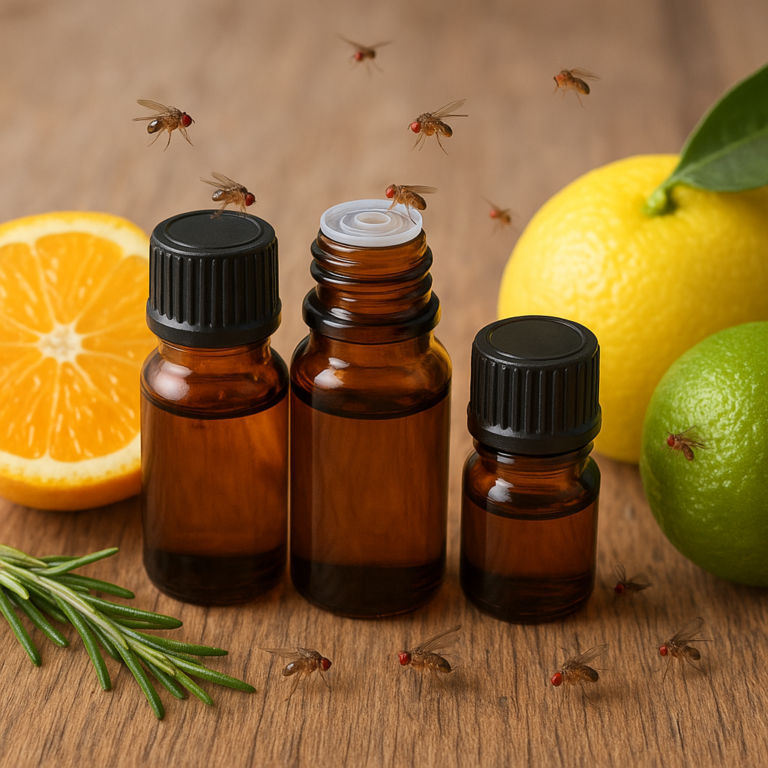
- Essential oils: Peppermint, eucalyptus, and lemongrass oils sprayed around entry points can help.
- Cloves stuck in lemon halves: A traditional remedy that some find effective.
While these repellents help reduce fly presence, they work best combined with traps and sanitation.
How can I make a fruit fly trap without vinegar?
If you don’t have vinegar, try these alternatives:
- Overripe fruit trap: Use mashed banana or peach in a jar covered with plastic wrap and holes.
- Red wine or beer trap: Use leftover wine or beer with a drop of dish soap.
- Milk, sugar, and pepper trap: Heat milk with sugar, cool, add pepper and dish soap.
These baits mimic fermentation scents that attract fruit flies without vinegar.
What household ingredients are best for attracting fruit flies to a trap?
The top attractants are:
- Apple cider vinegar (unfiltered preferred)
- Overripe or rotting fruit (bananas, peaches, apples)
- Red wine or stale beer
- Sugar and milk mixtures
These ingredients release fermentation odors fruit flies find irresistible.
Are homemade fruit fly traps more effective than store-bought traps for keeping my home fruit fly-free?
It depends! Homemade traps are highly effective, especially the apple cider vinegar + dish soap combo, and are cost-effective and eco-friendly. Store-bought traps offer convenience, often have proprietary attractants, and sometimes better aesthetics. For minor infestations, homemade traps usually suffice. For stubborn or large infestations, combining both can be the best approach.
Can I use essential oils to repel fruit flies and make a homemade trap?
Essential oils like peppermint, eucalyptus, and lemongrass can repel fruit flies when used as sprays or diffusers. However, they are not effective as attractants for traps. Instead, use essential oils to deter flies from certain areas and combine with vinegar or fruit-based traps to catch them.
What is the best way to prevent fruit flies from coming back into my home?
The best prevention strategy includes:
- Proper food storage: Refrigerate or seal fruits and vegetables.
- Regular cleaning: Wipe counters, clean drains, empty trash daily.
- Seal entry points: Repair screens and seal cracks.
- Use traps proactively: Set traps during fruit fly seasons or when you bring home produce.
- Maintain dry environments: Avoid moisture buildup in sinks and drains.
What are the most effective homemade fruit fly trap ingredients?
The most effective ingredients are:
- Unfiltered apple cider vinegar (strong fermentation scent)
- Dish soap (to break surface tension)
- Overripe bananas or other fruits (natural bait)
- Red wine or stale beer (fermentation attractants)
Combining these with proper trap design yields the best results.
📑 Reference Links and Resources
- Orkin: Apple Cider Vinegar Fruit Fly Traps
- Taste of Home: Found a Homemade Fruit Fly Trap That Actually Works
- Instructables: Easy Fruit Fly Trap: 7 Steps (with Pictures)
- Bragg: Official Website
- Dawn Dish Soap: Official Website
- Terro: Official Website
- Catchmaster: Official Website
- Safer Brand: Official Website
For more DIY fruit fly trap ideas and expert advice, visit Fruit Fly Traps™.