Support our educational content for free when you purchase through links on our site. Learn more
12 Expert Hacks for Compost Bin Fruit Fly Management 🪰 (2026)

Ever opened your compost bin only to be greeted by a swarm of fruit flies throwing a wild party? You’re not alone! These tiny pests can turn your eco-friendly composting efforts into a frustrating battleground. But fear not—at Fruit Fly Traps™, we’ve battled these buzzing invaders for years and uncovered the ultimate arsenal of strategies to keep your compost bin fly-free and thriving.
Did you know a single female fruit fly can lay up to 500 eggs in just a few days? That means a minor nuisance can quickly explode into a full-blown infestation if you’re not careful. In this comprehensive guide, we’ll walk you through everything—from choosing the right compost bin design to DIY traps, moisture management, and even pro tips like freezing scraps before composting. Ready to reclaim your compost and grow healthier gardens? Let’s dive in!
Key Takeaways
- Balance your compost with the right mix of greens and browns to reduce fly attraction.
- Seal and aerate your compost bin regularly to disrupt fruit fly breeding cycles.
- Use commercial fruit fly traps like the BugPro Fruit Fly Strip for effective adult fly control.
- Freeze or bury scraps to kill eggs and larvae before they hatch.
- Maintain proper moisture levels—think wrung-out sponge, not soggy mess.
- DIY vinegar traps are a quick and easy way to catch flies near your compost area.
- Hot composting can kill larvae, but cold composting requires extra vigilance.
- If infestations persist, consider professional pest control or advanced biological methods.
Ready to shop for the best fruit fly traps and composting tools? Check out our recommended products in the detailed sections ahead!
Table of Contents
- ⚡️ Quick Tips and Facts About Compost Bin Fruit Fly Management
- 🌱 Compost Bin Basics: Why Fruit Flies Love Your Compost
- 🐝 The Lifecycle of Fruit Flies in Compost: Know Your Enemy
- 🛠️ 12 Proven Strategies to Prevent and Control Fruit Flies in Compost Bins
- 1. Choosing the Right Compost Bin Design to Deter Fruit Flies
- 2. Proper Food Waste Management: What to Compost and What to Avoid
- 3. Balancing Greens and Browns: The Secret to a Fly-Resistant Compost
- 4. Regular Turning and Aeration: Keep the Flies Guessing
- 5. Using Fruit Fly Traps Near Compost Bins: Our Top Picks
- 6. Natural Repellents and Biological Controls That Work
- 7. Maintaining Moisture Levels: Not Too Wet, Not Too Dry
- 8. Sealing and Covering Compost to Block Fruit Fly Access
- 9. Cold Composting vs. Hot Composting: Which Wins Against Fruit Flies?
- 10. When to Harvest Compost to Avoid Attracting Flies
- 11. DIY Fruit Fly Trap Recipes for Compost Areas
- 12. When to Call in the Pros: Professional Pest Control for Compost Bins
- 🍅 Grow Some Greens! Using Fruit Fly-Free Compost in Your Garden
- 🧐 Troubleshooting: Why Fruit Flies Keep Coming Back to Your Compost
- 🔍 Fruit Fly Identification: Spotting the Culprits in Your Compost
- 📊 Compost Bin Fruit Fly Management: Myths vs. Facts
- 🎯 Expert Tips from the Fruit Fly Traps™ Team: Our Personal Success Stories
- 🧰 Recommended Products and Tools for Fruit Fly-Free Composting
- 📚 Recommended Links for Further Reading
- ❓ FAQ: Your Burning Questions About Compost Bin Fruit Fly Management Answered
- 🔗 Reference Links and Scientific Sources
- 🏁 Conclusion: Mastering Compost Bin Fruit Fly Management Like a Pro
Ever opened your compost bin only to be greeted by a tiny, buzzing cloud of doom? We’ve all been there. At Fruit Fly Traps™, we’ve spent years studying these pesky invaders, and we know that managing a compost bin can sometimes feel like running a 24/7 buffet for Drosophila melanogaster. If you’re looking for the ultimate guide on Fruit Fly Traps, you’ve come to the right place to reclaim your garden and kitchen!
⚡️ Quick Tips and Facts About Compost Bin Fruit Fly Management
Before we dive into the nitty-gritty, here is a “cheat sheet” for immediate relief.
| Action | Why It Works | Effectiveness |
|---|---|---|
| Bury Scraps | Hides the “smell” of fermentation from scouts. | ✅ High |
| Add “Browns” | Balances moisture and creates a physical barrier. | ✅ High |
| Vinegar Traps | Lures adults away from the breeding site. | ⚠️ Moderate |
| Freeze Scraps | Kills eggs/larvae before they enter the bin. | ✅ Very High |
| Tight Lids | Prevents new flies from entering to lay eggs. | ❌ Low (if eggs are already inside) |
Quick Fact: A single female fruit fly can lay up to 500 eggs in her short lifetime. If you see one, there are likely hundreds more waiting in the wings (literally).
🌱 Compost Bin Basics: Why Fruit Flies Love Your Compost
The history of composting is as old as the earth itself, but the “modern” kitchen compost bin has turned a natural process into a concentrated attractant. Fruit flies aren’t just looking for food; they are looking for a fermentation factory.
When organic matter—specifically “greens” like fruit peels and veggie scraps—begins to break down, it produces ethanol and acetic acid. To a fruit fly, this smells like a five-star Michelin restaurant. According to the Cornell Waste Management Institute, the decomposition process is a complex web of microbes, but when it leans too far into the “wet and sugary” category, you’re essentially rolling out the red carpet for pests.
We’ve seen bins that were so neglected they practically hummed. The key is understanding that your compost isn’t just a trash can; it’s a living ecosystem. If the balance is off, the flies move in.
🐝 The Lifecycle of Fruit Flies in Compost: Know Your Enemy
To beat them, you have to think like them. The fruit fly lifecycle is incredibly rapid, often completing in just 8 to 10 days in warm weather.
- The Egg: Laid on the surface of moist, fermenting organic matter.
- The Larva (Maggot): These tiny white worms crawl through your scraps, gorging on yeast and bacteria.
- The Pupa: They move to a drier spot (often the walls of your bin) to transform.
- The Adult: They emerge, ready to mate within hours.
Pro Tip: If you see “little brown seeds” stuck to the side of your bin, those aren’t seeds—they are pupae. Wipe them off immediately with a vinegar-soaked cloth!
🛠️ 12 Proven Strategies to Prevent and Control Fruit Flies in Compost Bins
1. Choosing the Right Compost Bin Design to Deter Fruit Flies
Not all bins are created equal. A flimsy plastic bucket with a loose lid is an invitation for trouble. We recommend bins with micro-mesh filters or gaskets.
- Envirocycle Composter: Known for its sturdy, enclosed design.
- Vitamix FoodCycler: An indoor electric option that dries scraps, making them fly-proof.
👉 CHECK PRICE on:
- Envirocycle: Amazon | Walmart | Envirocycle Official
- Vitamix FoodCycler: Amazon | Vitamix Official
2. Proper Food Waste Management: What to Compost and What to Avoid
The “Attainable Sustainable” blog suggests that “making it harder for them to get to the material they like is the best prevention.” We couldn’t agree more.
- ✅ DO: Coffee grounds, eggshells, veggie stalks.
- ❌ AVOID (in excess): Overripe bananas, melons, and peaches. These are fruit fly magnets.
3. Balancing Greens and Browns: The Secret to a Fly-Resistant Compost
Your bin should be a 3:1 ratio of Browns (carbon) to Greens (nitrogen). Browns include shredded cardboard, dried leaves, and straw. A thick layer of “browns” on top acts as a bio-filter, trapping odors and blocking fly access.
4. Regular Turning and Aeration: Keep the Flies Guessing
Fruit flies love stagnant, anaerobic (oxygen-poor) environments. By using a compost aerator tool, you disrupt their breeding cycle and speed up decomposition.
5. Using Fruit Fly Traps Near Compost Bins: Our Top Picks
Sometimes, prevention isn’t enough. You need to go on the offensive. We’ve tested dozens of commercial fruit fly traps and found that placement is everything.
As seen in the #featured-video, the BugPro Fruit Fly Strip is a game-changer for enclosed bins. You simply stick it to the underside of the lid, and it catches the flies as they try to exit.
6. Natural Repellents and Biological Controls That Work
Did you know that Diatomaceous Earth (DE) can be sprinkled on the top layer of your compost? It’s a natural powder that dehydrates insects but is harmless to your garden. Just ensure you buy “Food Grade” DE.
7. Maintaining Moisture Levels: Not Too Wet, Not Too Dry
Your compost should feel like a wrung-out sponge. If it’s dripping wet, you’re inviting flies and bad smells. If it’s too dry, the decomposition stops. Use a moisture meter if you’re unsure!
8. Sealing and Covering Compost to Block Fruit Fly Access
If you use an outdoor pile, cover it with a heavy-duty tarp or a layer of finished compost. For indoor bins, ensure the charcoal filters are replaced every 3-6 months.
9. Cold Composting vs. Hot Composting: Which Wins Against Fruit Flies?
Hot composting (reaching 140°F+) kills larvae instantly. However, most backyard gardeners “cold compost.” If you cold compost, you must be more diligent with your “brown” layers.
10. When to Harvest Compost to Avoid Attracting Flies
Don’t let finished compost sit in the bin forever. Once it looks like dark, crumbly soil, get it into your garden! Old compost can still attract certain species of gnats.
11. DIY Fruit Fly Trap Recipes for Compost Areas
If you’re in a pinch, a DIY fruit fly trap using apple cider vinegar and dish soap works wonders. The vinegar lures them, and the soap breaks the surface tension, causing them to sink.
12. When to Call in the Pros: Professional Pest Control for Compost Bins
If the infestation has moved from your bin to your walls and drains, you might be dealing with persistent fruit flies. In rare cases, a professional treatment of the surrounding area may be necessary.
🍅 Grow Some Greens! Using Fruit Fly-Free Compost in Your Garden
Once you’ve mastered the art of fly management, your reward is “black gold.” Using clean compost in your garden leads to healthier plants and fewer pests in the long run. Healthy soil contains beneficial microbes that can actually help repel certain garden pests.
Wait! Before you dump that compost on your tomatoes, have you checked for “hitchhikers”? Even “finished” compost can harbor eggs if it wasn’t managed correctly. We recommend a final “curing” period in a sealed container if you’re worried about bringing flies into a greenhouse.
🧐 Troubleshooting: Why Fruit Flies Keep Coming Back to Your Compost
“I did everything right, and they’re still here!” We hear this all the time.
- Check the Lid: Is there a gap? Even a 1mm gap is a highway for a fruit fly.
- Check the Bottom: Are they breeding in the “leachate” (the liquid at the bottom)? Drain your bin regularly.
- The “Fruit in the House” Factor: Are they actually breeding in your compost, or are they coming from that bowl of overripe bananas on your counter?
🔍 Fruit Fly Identification: Spotting the Culprits in Your Compost
Not every small fly is a fruit fly.
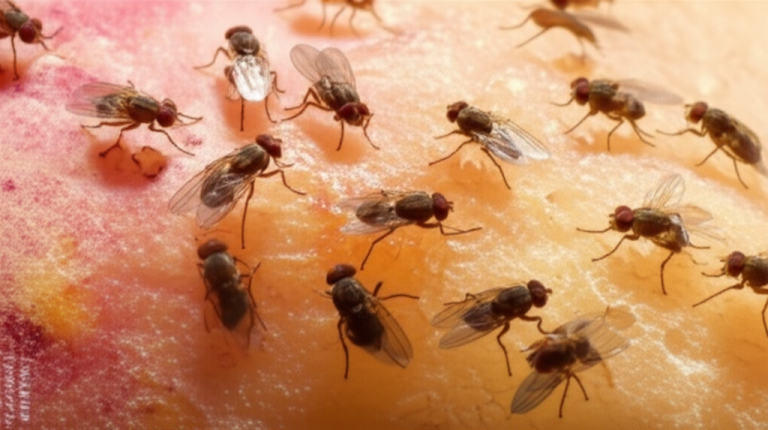
- Fruit Flies: Tan/brown with red eyes. Love sugar and fermenting fruit.
- Fungus Gnats: Black, look like tiny mosquitoes. Love overwatered, damp soil/compost.
- Phorid Flies: “Scuttle flies” that run across surfaces rather than flying. Often found in very wet, decaying matter.
📊 Compost Bin Fruit Fly Management: Myths vs. Facts
| Myth | Fact |
|---|---|
| Bleach kills the problem. | ❌ Bleach kills the beneficial microbes you need for composting! Use vinegar instead. |
| Fruit flies come from inside the fruit. | ❌ They are attracted to the outside of the fruit from the environment. |
| A lid is enough to stop them. | ❌ They can smell the compost through vents and will lay eggs on the mesh. |
🎯 Expert Tips from the Fruit Fly Traps™ Team: Our Personal Success Stories
One of our lead exterminators, Dave, once had a bin so infested it looked like it was vibrating. His secret weapon? The Freezer Method. He started keeping a large yogurt container in his freezer for all kitchen scraps. Once full, he’d dump the frozen block into the center of his outdoor pile. The freezing kills any eggs already on the fruit skins from the grocery store. Since he started doing this, his fly count dropped to zero. Zero!
🧰 Recommended Products and Tools for Fruit Fly-Free Composting
We’ve put these products through the ringer. Here’s how they stack up:
Product Rating Table
| Product | Design | Functionality | Ease of Use | Overall Rating |
|---|---|---|---|---|
| BugPro Fruit Fly Strip | 9/10 | 10/10 | 10/10 | 9.7/10 |
| Terro Fruit Fly Trap | 8/10 | 7/10 | 9/10 | 8.0/10 |
| Epica Stainless Steel Bin | 10/10 | 8/10 | 9/10 | 9.0/10 |
BugPro Fruit Fly Strip
This is our #1 recommendation for anyone using a lidded compost bin. It uses a vapor technology that is highly effective in enclosed spaces.
- Pros: Lasts up to 4 months; no messy liquids.
- Cons: Only works in enclosed bins.
Terro Fruit Fly Trap
The classic “apple” trap. Great for placing next to the bin to catch scouts.
- Pros: Non-toxic lure; easy to see results.
- Cons: Needs to be refilled every few weeks.
Epica Stainless Steel Compost Bin
The gold standard for indoor scrap collection.
- Pros: Airtight seal; charcoal filter; looks great on counters.
- Cons: Filter needs regular replacement.
👉 Shop Recommended Products on:
- BugPro Strips: Amazon
- Terro Traps: Amazon | Walmart
- Epica Compost Bin: Amazon | Epica Official
🏁 Conclusion: Mastering Compost Bin Fruit Fly Management Like a Pro

Managing fruit flies in your compost bin might seem like a never-ending battle, but with the right knowledge and tools, you can turn your compost corner from a buzzing nightmare into a fly-free haven. From our experience at Fruit Fly Traps™, the key is prevention: balancing your compost layers, maintaining moisture, and using physical barriers like lids and covers. When prevention isn’t enough, targeted fruit fly traps such as the BugPro Fruit Fly Strip can swiftly reduce adult populations.
Product Recap:
- The BugPro Fruit Fly Strip stands out for enclosed bins with its long-lasting, mess-free design—ideal for indoor or tightly sealed outdoor composters.
- The Terro Fruit Fly Trap is a reliable, easy-to-use option for catching flies near your compost area but requires more frequent maintenance.
- The Epica Stainless Steel Compost Bin is perfect for indoor kitchen use, combining style with functionality, especially with its charcoal filter to reduce odors and flies.
While no single method is a silver bullet, combining these strategies creates a powerful defense. Remember Dave’s freezer trick? Freezing scraps before composting is a game-changer for killing eggs and larvae early on. So, if you’ve been wondering why fruit flies keep coming back despite your best efforts, it’s likely due to overlooked gaps, moisture issues, or unbalanced compost layers.
With persistence and the right approach, you’ll soon enjoy the sweet smell of success—and not the sour scent of fruit fly infestation!
📚 Recommended Links for Further Reading and Shopping
👉 CHECK PRICE on:
-
BugPro Fruit Fly Strip:
Amazon | Walmart | BugPro Official -
Terro Fruit Fly Trap:
Amazon | Walmart | Terro Official -
Epica Stainless Steel Compost Bin:
Amazon | Epica Official -
Compost Aerator Tools:
Amazon -
Food Grade Diatomaceous Earth:
Amazon
Books to Deepen Your Composting and Pest Control Knowledge:
-
The Complete Compost Gardening Guide by Barbara Pleasant
Amazon -
Organic Pest Control for the Home and Garden by Michael Phillips
Amazon -
Fruit Flies: Biology and Management by Richard H. Baker
Amazon
❓ FAQ: Your Burning Questions About Compost Bin Fruit Fly Management Answered
How do I prevent fruit flies from infesting my compost bin?
Prevention is all about balance and barriers. Always cover fresh food scraps with a thick layer of “browns” like dried leaves or shredded paper to mask odors and block fly access. Maintain proper moisture (like a wrung-out sponge) and turn your compost regularly to disrupt fly breeding. Using a compost bin with a tight-fitting lid or micro-mesh vents also helps keep flies out.
What natural remedies can I use to control fruit flies in compost?
Natural options include sprinkling food-grade diatomaceous earth on the compost surface to dehydrate larvae and adults. You can also use apple cider vinegar traps with a few drops of dish soap to lure and drown adult flies. Introducing beneficial insects like parasitic wasps is another biological control, though this is more common in commercial settings.
Can covering my compost bin reduce fruit fly problems?
Yes, but with caveats. A tightly sealed lid reduces fly entry but can trap flies already inside, potentially worsening infestations if the compost isn’t managed well. Using lids with charcoal filters or micro-mesh vents can allow airflow while keeping flies out. Outdoor piles benefit from heavy tarps or finished compost covers to block access.
What types of compost bins are best for minimizing fruit fly attraction?
Bins with airtight seals, charcoal filters, or micro-mesh ventilation are best. Examples include the Envirocycle Composter and Epica Stainless Steel Bin for indoor use. Electric composters like the Vitamix FoodCycler dry scraps quickly, making them unattractive to flies.
How often should I turn my compost to avoid fruit fly breeding?
Turning your compost once a week is ideal to aerate the pile and disrupt fly larvae. If you notice a fly surge, increase turning frequency. Aeration speeds up decomposition and reduces moist, stagnant zones where flies thrive.
Are there specific foods I should avoid putting in compost to deter fruit flies?
Avoid adding large amounts of overripe or rotting fruits like bananas, melons, and peaches all at once. These sugary scraps are prime breeding grounds. Instead, freeze such scraps before composting or bury them deep under browns to reduce attraction.
What homemade traps are effective for catching fruit flies near compost bins?
A classic trap uses a jar filled with apple cider vinegar and a few drops of dish soap. The vinegar attracts flies, and the soap breaks surface tension, causing them to drown. You can also use wine or overripe fruit as bait. For detailed recipes, check our DIY Fruit Fly Traps section.
How do I know if my fruit fly problem is coming from compost or elsewhere?
If you see flies swarming around your compost bin specifically, it’s a strong indicator. However, fruit flies can breed in drains, garbage disposals, or overripe fruit indoors. Inspect these areas and clean regularly. If flies persist despite compost management, consider checking other breeding sites.
Can hot composting completely eliminate fruit flies?
Hot composting that reaches temperatures above 140°F (60°C) can kill fruit fly eggs and larvae, but the outer layers of the pile may remain cooler and still harbor pests. For home gardeners, maintaining a hot compost pile requires effort and monitoring, but it’s one of the most effective methods to reduce fly populations.
🔗 Reference Links and Scientific Sources
- Cornell Waste Management Institute: Compost Science
- Getting rid of fruit flies in the compost bin – Garden Stack Exchange
- Fruit Fly Facts – Fruit Fly Traps™
- DIY Fruit Fly Traps – Fruit Fly Traps™
- Dealing with Persistent Fruit Flies – Fruit Fly Traps™
- Commercial Fruit Fly Traps – Fruit Fly Traps™
- Envirocycle Official Website
- Vitamix FoodCycler Official Website
- BugPro Official Website
- Terro Official Website
- Epica Official Website
By combining expert advice, practical strategies, and the right products, you’ll soon be the proud owner of a compost bin that’s a paradise for microbes—but a no-fly zone for fruit flies!