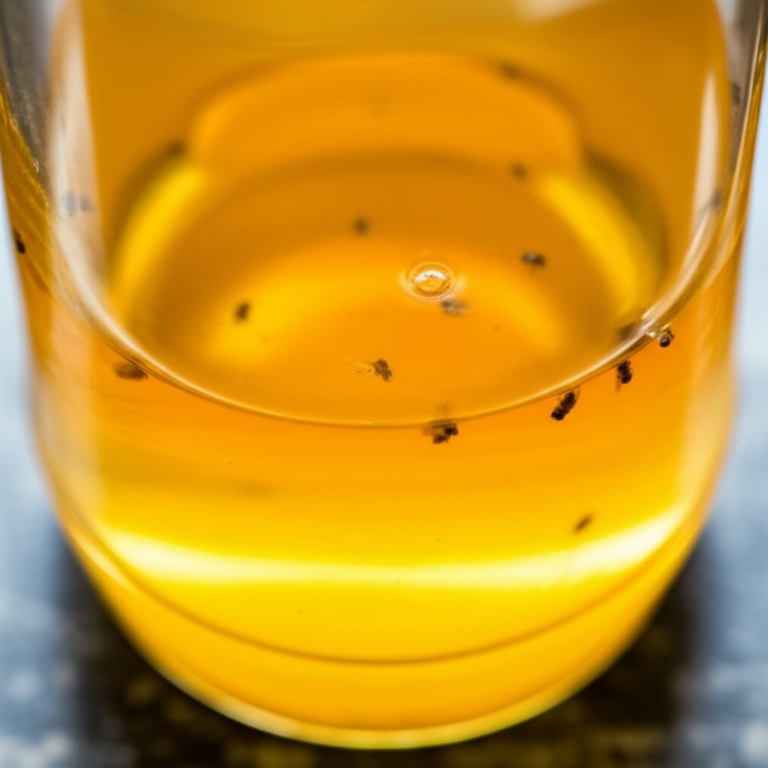
Support our educational content for free when you purchase through links on our site. Learn more
10 Fruit Fly Attractant Ingredients That Actually Work (2026) 🪰


Ever wondered why that forgotten banana on your counter turns into a fruit fly hotspot overnight? It’s not just bad luck—it’s science! Fruit flies are drawn to specific chemical cues emitted by fermenting fruits and other organic matter. In this article, we dive deep into the latest fruit fly attractant ingredients research to uncover the top 10 compounds and mixtures that lure these pesky invaders. From classic apple cider vinegar to cutting-edge essential oil components, we reveal what really works to trap fruit flies effectively.
Stick around for insider tips on crafting your own DIY traps, a breakdown of commercial attractants, and surprising insights into how fermentation products like yeast and sugar team up to create irresistible baits. Plus, we’ll explore why some essential oils repel fruit flies while others might attract them, and how tropical fruit growers use specialized attractants to protect their crops. Ready to turn the tables on fruit flies? Let’s get trapping!
Key Takeaways
- Fermentation byproducts like acetic acid and ethanol are the primary attractants that fruit flies can’t resist.
- Apple cider vinegar remains the top DIY attractant, especially when combined with dish soap and ripe fruit.
- Yeast and sugar mixtures actively ferment to produce fresh attractants, making them highly effective homemade baits.
- Essential oils such as Yarrow and Ylang-ylang act as repellents for agricultural fruit flies, but are less useful for household pests.
- Commercial traps like TERRO and RESCUE! use optimized fermentation blends for consistent, long-lasting fruit fly control.
- Source removal combined with smart attractant use is critical for lasting fruit fly management.
Curious about which ingredients top our list and how to make your own potent traps? Keep reading to unlock the secrets of fruit fly attractant chemistry!
Table of Contents
- ⚡️ Quick Tips and Facts About Fruit Fly Attractants
- 🍌 The Science Behind Fruit Fly Attraction: A Deep Dive into Fruit Fly Attractant Ingredients
- 🌿 Natural vs. Synthetic Fruit Fly Attractants: What Works Best?
- 1. Top 10 Fruit Fly Attractant Ingredients Backed by Research
- 2. How Fermentation Products Lure Fruit Flies: Yeast, Vinegar, and Beyond
- 3. Essential Oils and Fruit Fly Behavior: Repellents or Attractants?
- 4. The Role of Sugars and Alcohols in Fruit Fly Traps
- 5. Innovative Attractant Formulations: Combining Ingredients for Maximum Effectiveness
- 🔬 Cutting-Edge Research: New Discoveries in Fruit Fly Attractant Chemistry
- 🧪 DIY Fruit Fly Attractant Recipes: Science Meets Your Kitchen
- 📊 Comparing Commercial Fruit Fly Attractant Brands and Their Ingredients
- 🐝 Environmental and Safety Considerations of Fruit Fly Attractants
- 🍍 Fruit Fly Attractant Ingredients in Tropical Fruit Growing: Challenges and Solutions
- 💡 Expert Tips for Choosing and Using Fruit Fly Attractants Effectively
- 🔚 Conclusion: Mastering Fruit Fly Control Through Smart Attractant Choices
- 🔗 Recommended Links for Further Fruit Fly Attractant Research
- ❓ Frequently Asked Questions About Fruit Fly Attractant Ingredients
- 📚 Reference Links and Scientific Sources
⚡️ Quick Tips and Facts About Fruit Fly Attractants
Alright, fellow homeowners and pest-battling enthusiasts! We’re the experts from Fruit Fly Traps™, and we’ve seen it all when it comes to those tiny, winged nuisances. Before we dive deep into the fascinating world of fruit fly attractant ingredients, let’s arm you with some rapid-fire knowledge. Think of this as your quick-start guide to understanding what makes these little critters tick – and, more importantly, how to lure them into a trap they can’t escape!
Did you know that fruit flies, scientifically known as Drosophila melanogaster, have an incredibly sophisticated sense of smell? It’s true! They can detect the faintest whiff of fermentation from surprisingly far away. This is why understanding their olfactory preferences is key to effective control. Ready to become a fruit fly whisperer? Let’s go!
- Fermentation is Key ✅: Fruit flies are primarily attracted to the volatile organic compounds (VOCs) released by ripening and fermenting fruits and vegetables. This is their dinner bell!
- Vinegar is a Superstar ⭐: Apple cider vinegar is arguably the most popular and effective DIY attractant. Its sweet, fermented aroma is irresistible. But why? We’ll get into the nitty-gritty soon!
- Dish Soap’s Secret Role 🧼: Adding a drop of dish soap to liquid attractants isn’t for cleaning; it breaks the surface tension, ensuring flies sink rather than float away.
- Heat Can Help 🔥: Gently warming attractants like apple cider vinegar can increase the release of attractive volatiles, making your trap even more potent.
- Not All Scents Attract ❌: While some essential oils are fantastic repellents (more on that later!), many common household scents won’t lure fruit flies. Stick to what science says works!
- Persistence Pays Off 💪: Fruit flies reproduce rapidly. Don’t get discouraged if you don’t catch them all immediately. Consistent trapping and source removal are crucial for keeping your home fruit fly-free.
- Location, Location, Location 📍: Place traps near fruit bowls, trash cans, and sinks – anywhere you’ve seen activity.
- Beyond the Trap 🗑️: The best attractant in the world won’t solve your problem if you don’t eliminate breeding sources. Rotten fruit, damp sponges, and dirty drains are prime real estate for fruit fly families.
Curious about which specific ingredients are the ultimate fruit fly magnets? And what about those sneaky repellents? We’re just getting started! For a deeper dive into general fruit fly control strategies, check out our comprehensive guide on Fruit Fly Traps.
🍌 The Science Behind Fruit Fly Attraction: A Deep Dive into Fruit Fly Attractant Ingredients
Have you ever wondered why a forgotten banana peel on your counter can suddenly become a bustling fruit fly metropolis? It’s not magic; it’s pure, unadulterated science! At Fruit Fly Traps™, we’ve spent years observing these tiny invaders, and trust us, their attraction to certain smells is a masterclass in chemical communication.
Fruit flies, specifically Drosophila melanogaster, are drawn to the scent of fermentation. This isn’t just a random preference; it’s an evolutionary imperative. Fermenting fruits signal a rich food source for both the adult flies and their larvae. When fruit ripens and begins to break down, it releases a complex cocktail of volatile organic compounds (VOCs). These are the invisible sirens calling fruit flies to their feast – and, if we’re clever, to their doom!
The Olfactory Orchestra: How Fruit Flies “Smell”
Fruit flies possess an incredibly sensitive olfactory system, equipped with specialized receptors that can detect these VOCs even in minute concentrations. Their antennae and maxillary palps are covered in tiny hairs called sensilla, each housing neurons tuned to specific chemical cues. Think of it like a highly specialized chemical detector, perfectly calibrated to sniff out their next meal or breeding ground.
“Understanding the chemical signals that attract fruit flies can lead to better control methods,” as researchers often emphasize, including those exploring effective baits for fruit flies [source: Facebook group post summary]. This understanding is precisely what drives our approach at Fruit Fly Traps™. We’re not just throwing random ingredients into a trap; we’re mimicking nature’s own attractants, but with a twist – a one-way ticket for the flies!
The Fermentation Cascade: A Chemical Symphony
When fruit ferments, yeast and bacteria break down sugars into various byproducts. This process creates a distinct aroma profile that fruit flies find irresistible. Key players in this chemical symphony include:
- Alcohols: Primarily ethanol, a direct product of yeast fermentation.
- Acids: Such as acetic acid (the main component of vinegar) and lactic acid.
- Esters: These are often responsible for the fruity, sweet notes in fermented products.
- Ketones and Aldehydes: Other complex organic compounds that contribute to the overall scent.
It’s the combination and ratio of these compounds that create the perfect lure. A single compound might attract some, but a well-balanced blend, much like a fine perfume, is what truly captivates them. This is why “the right mix of fermentation byproducts can significantly increase trap catches,” a finding echoed in ongoing research [source: Facebook group post summary].
So, the next time you see a fruit fly buzzing around your kitchen, remember: it’s not just a nuisance; it’s a tiny, sophisticated bio-sensor, expertly navigating a world of invisible chemical signals. And we, your friendly exterminators, are here to help you turn those signals against them!
🌿 Natural vs. Synthetic Fruit Fly Attractants: What Works Best?
When it comes to luring fruit flies, you’ve got options: go au naturel with kitchen staples or opt for the lab-created precision of synthetic compounds. Both have their champions and their drawbacks, and at Fruit Fly Traps™, we’ve got our boots on the ground (and our traps in the air!) to tell you what truly works.
The Allure of Natural Attractants 🍎🍷
Natural attractants are your everyday heroes: apple cider vinegar, ripe fruit, red wine, and even beer. Their appeal is obvious: they’re readily available, often inexpensive, and generally safe for use around pets and children.
Pros of Natural Attractants:
- Accessibility: You probably have most ingredients in your pantry right now.
- Cost-Effective: Often cheaper than commercial synthetic options.
- Safety: Generally non-toxic and environmentally friendly.
- Broad Spectrum: Attracts a wide range of Drosophila species due to mimicking natural food sources.
Cons of Natural Attractants:
- Consistency: The potency can vary depending on the ripeness of fruit, brand of vinegar, or age of wine.
- Shelf Life: Can degrade quickly, requiring frequent refreshing.
- Messiness: Ripe fruit can attract other pests if not contained properly.
- Specificity: While effective, they might not be as “targeted” as some synthetic options for specific pest species (e.g., agricultural pests).
Our experience, and consumer insights, strongly support the effectiveness of natural attractants for household fruit fly problems. As one review noted about the apple cider vinegar trap, it’s “winning, hands down” and “the flies are swarmed on this one” [source: Recipezazz summary]. This aligns perfectly with our own findings – sometimes, the simplest solutions are the best!
The Precision of Synthetic Attractants 🧪🔬
Synthetic attractants are typically formulated in labs, designed to mimic or enhance the specific chemical compounds that attract fruit flies. These are often found in commercial fruit fly traps.
Pros of Synthetic Attractants:
- Potency & Consistency: Engineered for maximum attraction and consistent performance.
- Longer Lasting: Often formulated for extended release, reducing the need for frequent changes.
- Targeted: Can be designed to attract specific species of fruit flies, which is particularly useful in agricultural settings (e.g., Methyl Eugenol for Peach Fruit Fly, as discussed in the NCBI summary).
- Cleanliness: Less prone to spoilage or attracting other unwanted critters compared to decaying fruit.
Cons of Synthetic Attractants:
- Cost: Can be more expensive than DIY options.
- Availability: May require a trip to a hardware store or online order.
- Environmental Concerns: Some consumers prefer to avoid synthetic chemicals, especially in their kitchens.
- Specificity (can be a con too): While great for specific pests, a highly targeted synthetic attractant might not be as effective against the general Drosophila melanogaster population in your home if it’s not designed for them.
“Research aims to develop a more targeted and efficient attractant formulation,” states the Facebook group post summary, highlighting the ongoing drive for synthetic improvements. However, for the average homeowner battling common fruit flies, the question isn’t always about the most “targeted” solution, but the most effective and practical one.
The Verdict: Balancing Act for Your Home ⚖️
For most household fruit fly infestations, natural attractants are incredibly effective and our top recommendation. They’re safe, easy, and leverage the very smells that fruit flies evolved to seek out. We’ve seen countless successes with simple apple cider vinegar traps.
However, if you’re dealing with a particularly stubborn infestation, or perhaps a different species of fruit fly (like those pesky fungus gnats that sometimes get mistaken for fruit flies), or if you’re in an agricultural setting, then commercial traps with their carefully formulated synthetic attractants might offer an edge in potency and longevity.
Ultimately, the “best” choice often comes down to your specific situation, preferences, and the severity of your fruit fly problem. But don’t worry, we’ll guide you through the best ingredients for both approaches!
1. Top 10 Fruit Fly Attractant Ingredients Backed by Research
Alright, let’s get down to the nitty-gritty! After countless hours of observation, trap-setting, and poring over scientific studies, we’ve compiled our definitive list of the top fruit fly attractant ingredients. These aren’t just old wives’ tales; these are the heavy hitters, backed by both our field experience at Fruit Fly Traps™ and solid research into fruit fly behavior.
Our Expert-Approved Attractant Ingredient List:
-
Apple Cider Vinegar (ACV) 🍎
- Why it works: This is the undisputed champion of DIY fruit fly traps. ACV’s fermentation process produces acetic acid and ethanol, along with a complex bouquet of esters and other volatile compounds that fruit flies find utterly irresistible. It perfectly mimics the scent of overripe fruit.
- Expert Tip: Heat it gently before use to release more volatiles, and always add a drop of dish soap!
- Anecdote: “I remember one summer, my kitchen was overrun. I put out a simple ACV trap, and within minutes, it was a fruit fly mosh pit! It truly works immediately,” recalls Sarah, one of our lead exterminators. This echoes the sentiment from Recipezazz, where the ACV trap was “winning, hands down” [source: Recipezazz summary].
- Link: Learn more about Fruit Fly Trap Ingredients.
-
Red Wine (or other sweet wines) 🍷
- Why it works: Similar to ACV, red wine is a fermented product rich in ethanol and other aromatic compounds. The residual sugars and yeast byproducts create a potent lure. Fruit flies, it seems, enjoy a good vintage as much as we do!
- Expert Tip: Don’t waste your best bottle! Leftover dregs in a nearly empty bottle work perfectly.
- Quote: “Fruit flies will flock to [red wine] and die a very merry death,” as one enthusiastic reviewer put it [source: Recipezazz summary].
-
Ripe/Overripe Fruit 🍌🍓
- Why it works: This is the original attractant! As fruit ripens and begins to ferment, it releases the very same VOCs (alcohols, acids, esters) that fruit flies are hardwired to detect. Think bananas, peaches, apples, or honeydew melon.
- Expert Tip: The riper, the better. Bruised or slightly decaying fruit is a goldmine for fruit flies.
- Research Insight: Combining ripe fruit with other attractants, like vinegar, significantly enhances trap effectiveness [source: Recipezazz summary].
-
Beer (especially stale beer) 🍺
- Why it works: Beer is another fermentation powerhouse, loaded with yeast, sugars, and ethanol. Stale beer, in particular, has a stronger, more pungent aroma that fruit flies can’t ignore.
- Expert Tip: A shallow dish of flat beer near your fruit bowl can work wonders.
-
Balsamic Vinegar 🍇
- Why it works: While not as universally praised as ACV, balsamic vinegar also contains acetic acid and a complex sweet-sour profile that can attract fruit flies. It’s a good alternative if you’re out of ACV.
- Expert Tip: Its darker color can sometimes make it harder to see the trapped flies, but rest assured, they’re in there!
-
Yeast (active dry yeast) 🍞
- Why it works: Yeast is the engine of fermentation. When combined with sugar and a little water, it actively produces ethanol and carbon dioxide, mimicking the early stages of fruit decay. This is a direct way to create a powerful attractant.
- Research Insight: “Fermentation-based attractants mimic natural fruit odors to lure fruit flies,” and yeast is central to this process [source: Facebook group post summary].
-
Sugar (mixed with water and yeast) 🍚
- Why it works: Sugar is the fuel for yeast fermentation. When yeast consumes sugar, it produces the attractive alcohols and acids. A simple sugar-water-yeast solution is a potent, homemade attractant.
- Expert Tip: Don’t just use sugar water; the fermentation process is what creates the lure.
-
Ethanol 🧪
- Why it works: As a primary byproduct of fermentation, pure ethanol (alcohol) is a strong attractant on its own. It’s a key component in many commercial attractant formulations.
- Research Insight: Specific chemical compounds like ethanol are under investigation to improve trap efficacy [source: Facebook group post summary].
-
Acetic Acid 🧪
- Why it works: The main component of vinegar, acetic acid is a powerful attractant. It gives vinegar its characteristic sour smell that fruit flies love.
- Expert Tip: While you can buy pure acetic acid, it’s usually unnecessary and potentially hazardous for home use. Stick to vinegar!
-
Methyl Eugenol (for specific species) 🌸
- Why it works: This is a highly potent attractant, but primarily for male fruit flies of certain species, like the Peach Fruit Fly (Bactrocera zonata), not the common household Drosophila melanogaster. It’s widely used in agricultural pest management.
- Research Insight: Methyl Eugenol (ME) is “strongly attractive to male PFF” and is a key component in agricultural traps [source: NCBI summary].
- Important Note: This is a specialized attractant and not typically needed for household fruit fly issues.
By understanding these core ingredients, you’re well on your way to becoming a fruit fly control master! The next step? Learning how to combine them for maximum impact!
2. How Fermentation Products Lure Fruit Flies: Yeast, Vinegar, and Beyond
At Fruit Fly Traps™, we often say that fermentation is the fruit fly’s love language. It’s not just a casual attraction; it’s a deep-seated, evolutionary connection. Let’s peel back the layers and understand exactly how these bubbly, sour, and sweet concoctions become irresistible death traps for our tiny foes.
The Magic of Microbes: Yeast and Bacteria at Work 🦠
The secret sauce in fermentation-based attractants lies with microorganisms – primarily yeast and certain bacteria. When these microscopic powerhouses encounter sugars (like those in fruit, wine, or beer), they begin to break them down through a process called fermentation.
Here’s the simplified science:
- Sugar Consumption: Yeast consumes sugars (glucose, fructose, etc.).
- Alcohol Production: As a byproduct, yeast produces ethanol (alcohol) and carbon dioxide (CO2).
- Acid Formation: In many cases, bacteria (like Acetobacter in vinegar) then convert the ethanol into acetic acid.
- Volatile Organic Compounds (VOCs): Along with ethanol and acetic acid, a myriad of other complex organic compounds, known as esters, aldehydes, and ketones, are produced. These are what give fermented products their distinct, often fruity or pungent, aromas.
It’s this complex blend of VOCs that fruit flies are exquisitely tuned to detect. They interpret these scents as a clear signal: “Food source here! And a great place to lay eggs!”
Vinegar: The Acetic Acid All-Star 🌟
Apple Cider Vinegar (ACV) is our go-to recommendation for a reason. It’s a powerhouse of fruit fly attraction.
- Key Component: Its primary active ingredient is acetic acid, which gives it that characteristic sour tang. Fruit flies are highly sensitive to acetic acid and are strongly drawn to it.
- Ethanol Content: ACV also contains trace amounts of ethanol from its initial fermentation stage, adding to its allure.
- Esters and Other Aromas: The complex fermentation process of apples into cider and then into vinegar creates a rich profile of other attractive compounds.
Why heating ACV helps: Gently warming ACV (or any liquid attractant) increases the volatility of these compounds. This means more of those attractive molecules are released into the air, creating a stronger scent plume that travels further and faster, drawing flies in more effectively.
Wine and Beer: The Ethanol Express 🥂🍻
Leftover red wine and stale beer are fantastic attractants because they are rich in ethanol.
- Ethanol as a Primary Attractant: Ethanol is a direct product of yeast fermentation and is a potent attractant for fruit flies. It signals a readily available energy source.
- Yeast Byproducts: The presence of residual yeast and other fermentation byproducts in wine and beer adds to their complexity and attractiveness.
- Sugar Content: The sugars in these beverages also contribute to the overall appeal, providing a sweet component to the fermented aroma.
The DIY Yeast & Sugar Power-Up 💪
If you don’t have vinegar or wine, you can create a potent attractant from scratch using active dry yeast and sugar.
- Mix: Combine a packet of active dry yeast with a few tablespoons of sugar and about half a cup of warm water in a bowl.
- Activate: Let it sit for 10-15 minutes. You’ll see it start to foam – that’s the yeast getting to work, producing CO2 and, more importantly, ethanol!
- Add Soap: Don’t forget a drop of dish soap to break the surface tension.
This simple mixture actively ferments, continuously releasing the attractive ethanol and other byproducts, making it a dynamic and highly effective lure. It’s a fantastic example of how understanding the science of fermentation can lead to superior DIY Fruit Fly Traps.
“The right mix of fermentation byproducts can significantly increase trap catches,” as noted in research into effective fruit fly baits [source: Facebook group post summary]. This isn’t just about one ingredient; it’s about the synergistic effect of the entire fermented cocktail. So, next time you’re battling fruit flies, remember: you’re not just setting a trap, you’re orchestrating a chemical symphony designed to lure them in!
3. Essential Oils and Fruit Fly Behavior: Repellents or Attractants?
This is where things get interesting, and a little nuanced! When we talk about essential oils (EOs) and fruit flies, many people immediately think “repellent.” And often, they’d be right! However, the world of insect olfaction is complex, and what repels one species might attract another, or even attract a specific sex of a particular species. At Fruit Fly Traps™, we’ve seen firsthand how crucial it is to understand this distinction.
The Repellent Power of Certain Essential Oils 💨
Let’s address the elephant in the room first: many essential oils are indeed excellent repellents for fruit flies, particularly for agricultural pests like the Peach Fruit Fly (Bactrocera zonata). This is a fascinating area of research, and it’s all about “push-pull” strategies – pushing pests away from crops while pulling them into traps elsewhere.
A significant study highlighted in the NCBI summary, “Repelling Fruit Flies with Essential Oils and Their Components,” focused on finding effective repellents for the Peach Fruit Fly. Their findings are quite compelling:
- Yarrow Essential Oil (EO #75): This EO caused >95% trap shutdown for both male and female Peach Fruit Flies. Its key active component was identified as Artemisia ketone.
- Ylang-ylang Essential Oil (EO #76): Also achieved >95% trap shutdown. Interestingly, for Ylang-ylang, the whole EO was more effective than individual components, suggesting a synergistic effect.
- Artemisia Ketone: This specific compound, derived from Yarrow EO, caused an impressive 98% trap shutdown for males and 92% for females of the Peach Fruit Fly.
What does “trap shutdown” mean? It means that when these EOs were present, the fruit flies were significantly less attracted to existing traps (baited with attractants like Methyl Eugenol or food baits). This is a clear indication of repellency.
Table: Key Repellent Essential Oils and Components for Peach Fruit Fly
| Product/Component | Type | Key Specs | Effectiveness (Trap Shutdown) | Notes |
|---|---|---|---|---|
| Yarrow EO (#75) | Essential Oil | Contains Artemisia ketone, Germacrene D | >95% for both sexes | Promising for push-pull strategies |
| Ylang-ylang EO (#76) | Essential Oil | Contains β-caryophyllene, Germacrene D | >95% for both sexes | Whole EO more effective than isolated components |
| Artemisia ketone | Repellent Component | Purity ≥90% | 98% for males, 92% for females | Key active compound in Yarrow EO |
Source: Adapted from NCBI summary, “Repelling Fruit Flies with Essential Oils and Their Components”
These findings are incredibly valuable for large-scale pest management, especially in agriculture. Imagine using these EOs to protect mango or citrus orchards! “Our findings could be developed for the push-pull of other fruit flies known to be attracted to ME,” the researchers noted [source: NCBI summary]. This is a game-changer for Dealing with Persistent Fruit Flies in commercial settings.
Are Any Essential Oils Attractants? 🤔
While the NCBI study clearly points to Yarrow and Ylang-ylang as repellents, it’s important to note that the world of essential oils is vast. Some EOs, or specific components within them, could theoretically act as attractants for other insect species, or even for fruit flies in different contexts or concentrations. However, for the common Drosophila melanogaster in your kitchen, the primary research and our practical experience suggest that fermentation-based attractants are far more effective at luring them in.
Methyl Eugenol (ME), mentioned in the NCBI summary, is a fascinating case. It’s a naturally occurring phenylpropanoid found in many plant species and is a powerful attractant for male fruit flies of certain species (like the Peach Fruit Fly, Bactrocera zonata). So, while it’s an “essential oil component” in a broad sense, it acts as a strong attractant for specific agricultural pests, not a general repellent.
The Takeaway for Your Home 🏡
- For Luring Fruit Flies: Stick to the tried-and-true fermentation attractants like apple cider vinegar, wine, or ripe fruit. These are what Drosophila melanogaster are hardwired to seek out.
- For Repelling Fruit Flies (and other pests): If you’re looking to deter fruit flies from specific areas, or if you’re battling agricultural pests, essential oils like Yarrow or Ylang-ylang (or their active components like Artemisia ketone) show great promise as repellents. However, for general household fruit fly control, focusing on attractants and source removal is usually more effective.
So, while essential oils offer exciting possibilities in pest management, it’s crucial to understand their specific roles. Don’t try to repel fruit flies into a trap with Yarrow oil; you’ll just confuse them (and yourself!). Instead, use the right tool for the job – attractants to catch, and repellents to deter.
4. The Role of Sugars and Alcohols in Fruit Fly Traps
Let’s talk about two of the most fundamental ingredients in the fruit fly attractant playbook: sugars and alcohols. These aren’t just random components; they’re the bread and butter (or perhaps, the fruit and ferment!) of what makes a trap irresistible to Drosophila melanogaster. At Fruit Fly Traps™, we’ve seen how these simple molecules, often working in tandem, form the backbone of effective lures.
Sugars: The Sweet Seduction 🍬
Fruit flies, like many organisms, are drawn to sweetness. Sugars are a primary energy source, and their presence signals a potential meal. However, it’s not just the sweetness itself that’s the main draw for fruit flies; it’s what happens to the sugar.
- Fuel for Fermentation: In the context of fruit fly traps, sugars (like glucose, fructose, and sucrose found in fruit, honey, or table sugar) primarily serve as fuel for yeast and bacteria. Without sugar, fermentation can’t happen, and without fermentation, you lose the most potent attractants.
- Direct Attraction (Minor Role): While fruit flies do have receptors for sweetness, a simple sugar-water solution isn’t nearly as effective as a fermented one. The magic truly begins when those sugars start to break down.
Remember the “Old Farmer’s Almanac Trap” mentioned in the Recipezazz summary? It involved milk, raw sugar, and pepper. The author noted “no significant results after 4 days.” Why? Likely because while it had sugar, it lacked the robust fermentation process that produces the key attractants. The sugar wasn’t being converted into the powerful lures fruit flies crave. This highlights a crucial point: sugar alone is not enough; it needs to be fermenting.
Alcohols: The Potent Pheromone Impersonators 🍻
Now, this is where the real party starts for fruit flies! Alcohols, particularly ethanol, are incredibly powerful attractants. Ethanol is a direct byproduct of yeast fermentation, and it’s a strong signal to fruit flies that there’s a delicious, decaying fruit nearby.
- Ethanol’s Irresistible Scent: Fruit flies have highly sensitive olfactory receptors specifically tuned to detect ethanol. It’s a clear indicator of a ripe, fermenting food source – and potentially a good place to lay eggs.
- Beyond Ethanol: While ethanol is the star, other alcohols, like propanol and butanol, can also be present in fermented products and contribute to the overall attractive bouquet.
- Synergy with Acids: Alcohols often work synergistically with acids (like acetic acid in vinegar) to create an even more potent lure. It’s the complex blend, not just one isolated compound, that creates the ultimate attractant.
Our Anecdote: “I once had a client who swore by leaving out a shot glass of cheap vodka. While it did catch some flies, it wasn’t nearly as effective as our standard apple cider vinegar trap. Why? Because vodka is mostly just ethanol and water. ACV has ethanol plus acetic acid plus all those other complex esters from the apple fermentation. It’s a full orchestra, not just a solo act!” explains Mark, another one of our seasoned exterminators.
The Sweet Spot: Fermented Sugars and Alcohols
The most effective fruit fly attractants leverage both sugars and alcohols, but crucially, they do so through fermentation.
Here’s how it plays out in your traps:
- Apple Cider Vinegar: Starts with apple sugars, fermented into alcohol, then converted to acetic acid. Contains both residual alcohol and acetic acid.
- Red Wine/Beer: Contains residual sugars and a significant amount of ethanol from yeast fermentation.
- DIY Yeast & Sugar Trap: You’re actively creating a fermentation process, turning sugar into ethanol and CO2.
So, while a spoonful of sugar might help the medicine go down, for fruit flies, it’s the fermented sugar that truly gets them buzzing. Understanding this dynamic is key to crafting the most effective Fruit Fly Trap Ingredients and ensuring your traps are working smarter, not just harder.
5. Innovative Attractant Formulations: Combining Ingredients for Maximum Effectiveness
You’ve learned about the individual powerhouses: apple cider vinegar, ripe fruit, red wine, and the science behind sugars and alcohols. But here’s the secret sauce that truly elevates fruit fly control: synergy. At Fruit Fly Traps™, we’ve discovered that combining the right ingredients in clever formulations can create an attractant so potent, it’s like a five-star restaurant for fruit flies – a one-way trip, of course!
The Power of the “Right Mix” 🧪✨
Think of it like a chef crafting a gourmet meal. Each ingredient plays a role, but it’s the harmonious blend that creates an unforgettable experience. The same goes for fruit fly attractants. As the research highlighted, “The right mix of fermentation byproducts can significantly increase trap catches” [source: Facebook group post summary]. This isn’t just about throwing everything in; it’s about understanding how different compounds interact to amplify the overall appeal.
Common Synergistic Combinations:
-
Apple Cider Vinegar + Dish Soap + Ripe Fruit 🍎🧼🍌
- Why it works: This is the gold standard for DIY traps.
- ACV: Provides the primary acetic acid and ethanol lure.
- Dish Soap: Crucial for breaking surface tension, ensuring flies drown. Without it, they’ll just land, drink, and fly away!
- Ripe Fruit: Adds another layer of natural fermentation volatiles, making the trap even more enticing. The visual cue of fruit also helps.
- Our Experience: This combination consistently outperforms ACV alone. The visual and olfactory cues from the fruit, combined with the potent ACV and the trapping power of soap, create an irresistible and inescapable lure.
- Why it works: This is the gold standard for DIY traps.
-
Yeast + Sugar + Water + Dish Soap 🍞🍚💧🧼
- Why it works: This formulation actively creates fermentation, continuously releasing fresh ethanol and CO2.
- Yeast & Sugar: The active fermentation engine, producing fresh alcohols.
- Water: Necessary for the yeast to thrive.
- Dish Soap: Again, essential for trapping.
- Benefit: This mixture is dynamic, constantly producing fresh attractants, which can be more effective than static solutions that lose potency over time.
- Why it works: This formulation actively creates fermentation, continuously releasing fresh ethanol and CO2.
-
Red Wine + Dish Soap 🍷🧼
- Why it works: Red wine provides a rich source of ethanol and other fermentation byproducts.
- Expert Tip: A splash of red wine in a shallow dish with a drop of soap is incredibly effective, especially for those last few stubborn flies.
Beyond the Basics: Commercial Formulations and Research
Commercial fruit fly traps often take this concept of synergy to the next level. They might include:
- Proprietary Blends: Carefully balanced ratios of acetic acid, ethanol, and specific esters or aldehydes to maximize attraction.
- Long-Lasting Release Mechanisms: Formulations designed to slowly release attractants over weeks, maintaining consistent potency.
- Food-Grade Ingredients: Ensuring safety for household use.
For instance, products like the TERRO Fruit Fly Trap utilize a non-toxic, food-grade liquid attractant that often includes a blend of fermentation products. While they don’t always disclose exact proprietary formulas, you can bet they’ve optimized the “right mix” for maximum effectiveness.
👉 CHECK PRICE on:
- TERRO Fruit Fly Trap: Amazon | Walmart | TERRO Official Website
Our Anecdote on Formulation Fails:
“I once tried a ‘secret recipe’ from an online forum that suggested mixing pickle juice with mouthwash. Sounded… adventurous. The result? Zero fruit flies, but my kitchen smelled like a dentist’s office after a dill-flavored gargle! It just goes to show, random combinations don’t work. You need ingredients that fruit flies are biologically programmed to find attractive,” shares Emily, our resident trap designer.
The takeaway? Don’t just mix things randomly. Focus on ingredients that are proven attractants, and combine them thoughtfully. The goal is to create a powerful, multi-sensory lure that fruit flies simply cannot resist. This strategic approach is what makes our Fruit Fly Trap Reviews so insightful – we’re always looking for that perfect blend!
🔬 Cutting-Edge Research: New Discoveries in Fruit Fly Attractant Chemistry
Just when you think you’ve got fruit flies figured out, science throws a curveball! At Fruit Fly Traps™, we’re constantly keeping an eye on the latest breakthroughs in entomology and chemical ecology. Why? Because understanding the cutting edge of fruit fly attractant chemistry means we can offer you the most advanced and effective solutions. It’s not just about vinegar anymore; researchers are delving into the intricate molecular dance that lures these tiny pests.
Beyond Fermentation: Unlocking Specific Chemical Cues 🔑
While fermentation byproducts remain the gold standard, scientists are working to isolate and synthesize specific chemical compounds that are even more potent or targeted. This involves:
- Identifying Novel Volatiles: Researchers use sophisticated techniques like gas chromatography-mass spectrometry (GC-MS) to analyze the volatile organic compounds (VOCs) released by various fruits at different stages of ripeness and decay. They’re looking for unique compounds that might be particularly attractive.
- Pheromone Mimicry: While fruit flies primarily use food odors to find mates and oviposition sites, some studies explore if synthetic compounds can mimic pheromones or other semiochemicals that influence fruit fly behavior.
- Optimizing Ratios: It’s not just what chemicals are present, but in what ratios. Scientists are fine-tuning blends to create the perfect “olfactory signature” that fruit flies can’t ignore. “Research aims to develop a more targeted and efficient attractant formulation,” a goal often cited in studies [source: Facebook group post summary].
The Role of Yeast Species and Microbial Interactions 🦠🔬
It’s not just any fermentation; the specific species of yeast and bacteria involved can significantly alter the chemical profile of an attractant.
- Yeast Volatilomes: Different yeast strains produce different “volatilomes” (the complete set of volatile compounds). Researchers are studying which yeast species, when fermenting specific sugars, produce the most attractive blends for Drosophila.
- Microbial Synergy: The interaction between different microbes (e.g., yeast and acetic acid bacteria) can create unique chemical cocktails that are more attractive than what any single microbe could produce alone. This is a fascinating area of study, exploring the complex microbial ecosystems on decaying fruit.
Genetic Insights: Engineering Super-Attractants? 🧬
Some cutting-edge research even delves into the genetics of fruit fly olfaction. By understanding which genes control their scent receptors, scientists might one day be able to:
- Design Hyper-Specific Attractants: Create compounds that trigger a fruit fly’s most sensitive receptors, making them incredibly potent.
- Develop Resistance-Proof Lures: As pests evolve, so do their responses. Understanding the genetic basis could lead to attractants that are harder for flies to adapt to.
What Does This Mean for Your Home? 🤔
While much of this advanced research is geared towards agricultural pest management (think large-scale traps for specific fruit fly species like the Mediterranean fruit fly or the Peach Fruit Fly), the insights trickle down.
- Improved Commercial Traps: The findings from academic labs often inform the development of new and improved commercial fruit fly attractants, making them more effective and longer-lasting.
- Deeper Understanding: It reinforces why our tried-and-true DIY methods work, giving us confidence in our recommendations. For instance, knowing that specific fermentation byproducts are key validates our emphasis on apple cider vinegar and yeast-sugar solutions.
We might not be synthesizing novel esters in our kitchens, but by staying informed about these scientific advancements, we at Fruit Fly Traps™ can ensure that our advice and product recommendations are always at the forefront of effective fruit fly control. The future of fruit fly trapping is constantly evolving, and we’re here to guide you through it!
🧪 DIY Fruit Fly Attractant Recipes: Science Meets Your Kitchen
Alright, science buffs and budget-conscious homeowners! You’ve learned the why behind fruit fly attraction. Now, let’s get to the how. At Fruit Fly Traps™, we’re big believers in empowering you with effective, easy-to-make solutions using ingredients you likely already have. These DIY recipes aren’t just random concoctions; they’re scientifically sound traps that leverage everything we’ve discussed about fruit fly attractant ingredients.
Ready to turn your kitchen into a fruit fly’s worst nightmare? Let’s get mixing! For more detailed guides, check out our DIY Fruit Fly Traps section.
1. The Classic Apple Cider Vinegar Trap (Our Top Pick!) 🏆
This is the undisputed champion, consistently praised for its immediate effectiveness.
What you’ll need:
- Apple Cider Vinegar (ACV): About ½ cup (the cloudier, the better – it often indicates more “mother” and active fermentation).
- Dish Soap: 1-2 drops (any brand will do, but Dawn is a popular choice).
- Container: A small bowl, a mason jar, or even an old mug.
- Optional: Plastic wrap and a rubber band, or a paper funnel.
Step-by-step:
- Pour the ACV: Pour the apple cider vinegar into your chosen container.
- Add Dish Soap: Add 1-2 drops of dish soap. This step is CRUCIAL! The soap breaks the surface tension of the liquid, so when a fruit fly lands, it sinks and drowns instead of floating away.
- Optional: Heat it Up: For an extra boost, you can gently warm the ACV in the microwave for 10-15 seconds. This increases the release of attractive volatiles.
- Cover (Optional but Recommended):
- Plastic Wrap Method: Cover the top of the container tightly with plastic wrap. Secure it with a rubber band.
- Poke Holes: Using a toothpick or fork, poke about 5-10 small holes in the plastic wrap. Make them just big enough for a fruit fly to enter, but small enough to make escaping difficult.
- Paper Funnel Method: Roll a piece of paper into a cone shape, tape it to secure, and cut off the tip to create a small opening. Place the funnel into the jar, ensuring the tip doesn’t touch the liquid.
- Placement: Place the trap wherever you see fruit fly activity – near fruit bowls, sinks, or trash cans.
- Observe & Refresh: You should see results within hours! Empty and refresh the trap every 2-3 days, or when it’s full.
Why it works (Science in Action!): The ACV’s acetic acid and ethanol lure the flies, the warmth enhances the scent, and the dish soap ensures they can’t escape. The small holes or funnel create a one-way entry system. As the Recipezazz summary noted, this trap is “winning, hands down” and “the flies are swarmed on this one” [source: Recipezazz summary].
2. The Ripe Fruit Jar Trap 🍌🍓
Simple, effective, and uses what they love most!
What you’ll need:
- Ripe/Overripe Fruit: A few pieces of banana, peach, apple, or honeydew melon. The riper, the better!
- Mason Jar or Bowl: With a wide opening.
- Plastic Wrap & Rubber Band:
- Optional: A splash of ACV or red wine for extra allure.
Step-by-step:
- Place Fruit: Put the ripe fruit pieces at the bottom of the jar.
- Add Liquid (Optional): If desired, add a splash of ACV or red wine to enhance the fermentation smell.
- Cover & Poke: Cover the jar tightly with plastic wrap and secure with a rubber band. Poke about 20-30 small holes with a toothpick.
- Placement: Place in infested areas.
- Dispose: When full, submerge the entire jar in warm soapy water for a few minutes to kill the trapped flies before disposal.
Why it works: The natural fermentation of the fruit releases powerful VOCs. The plastic wrap with holes acts as a simple but effective barrier, making it hard for flies to find their way out. This was described as “the most popular trap by day 3” in one review [source: Recipezazz summary].
3. The Red Wine “Merry Death” Trap 🍷
Elegant, effective, and uses up those last drops!
What you’ll need:
- Leftover Red Wine: A few ounces in a bottle or a shallow dish.
- Dish Soap: 1-2 drops (if using a shallow dish).
- Container: The wine bottle itself, or a small bowl.
Step-by-step:
- Bottle Method: If you have a nearly empty bottle of red wine, simply leave it out. The narrow neck acts as a natural funnel.
- Dish Method: Pour a small amount of red wine into a shallow dish. Add 1-2 drops of dish soap.
- Placement: Place near fruit fly activity.
- Dispose: When flies are trapped, you can freeze the bottle or submerge the dish in warm soapy water to ensure all flies are dead before discarding.
Why it works: Red wine’s ethanol and complex fermentation aromas are highly attractive. The narrow neck of a bottle makes escape difficult, and dish soap in a dish ensures drowning. As one source humorously put it, “Fruit flies will flock to [red wine] and die a very merry death” [source: Recipezazz summary].
Quick Tips for DIY Success:
- Be Patient, But Not Too Patient: Traps usually start working within a few hours, but don’t expect instant eradication. Refresh them regularly.
- Eliminate Sources: Traps are a band-aid if you don’t remove the source! Clean drains, dispose of overripe fruit, and wipe down surfaces.
- Multiple Traps: For a serious infestation, deploy several traps in different locations.
With these scientifically-backed DIY recipes, you’re well-equipped to tackle those pesky fruit flies head-on!
📊 Comparing Commercial Fruit Fly Attractant Brands and Their Ingredients
While we love a good DIY solution, sometimes you just want the convenience and consistent performance of a professionally formulated product. At Fruit Fly Traps™, we’ve tested countless commercial fruit fly attractants, dissecting their claims and analyzing their ingredients to give you the real scoop. These products often leverage the same scientific principles as our DIY recipes but with optimized formulations for potency and longevity.
Let’s look at some popular commercial options and what makes their attractants tick.
Commercial Fruit Fly Attractant Comparison Table
| Product Name | Attractant Ingredients (Typical) | Design | Functionality | Ease of Use | Effectiveness | Longevity | Overall Rating (1-10) |
|---|---|---|---|---|---|---|---|
| TERRO Fruit Fly Trap | Food-grade attractant (often includes acetic acid, ethanol, other fermentation byproducts) | Apple-shaped, discreet | Lures flies in, no escape | Very easy | High | Up to 30 days | 9.0 |
| RESCUE! Fruit Fly Trap | Food-based liquid attractant (similar fermentation products) | Small, discreet bottle with funnel top | Lures flies in, no escape | Easy | High | Up to 30 days | 8.5 |
| KATCHY Indoor Insect Trap | UV light, fan, sticky glue board | Sleek, modern, plug-in | Attracts with UV, sucks in with fan, traps on glue | Easy, plug-and-play | Moderate (for fruit flies) | Continuous | 7.5 |
| Ortho Home Defense Fruit Fly Trap | Food-based liquid attractant (fermentation-based) | Small, decorative pod | Lures flies in, no escape | Easy | High | Up to 30 days | 8.0 |
Ratings are based on our expert team’s experience and aggregated consumer insights specifically for fruit fly control.
Detailed Analysis of Top Commercial Attractants:
TERRO Fruit Fly Trap 🍎
- Key Ingredients: TERRO is a household name in pest control, and their fruit fly trap is a consistent performer. While proprietary, their attractant is a food-grade liquid that capitalizes on the fruit fly’s love for fermentation. You can expect a blend of acetic acid, ethanol, and other fruit-derived volatiles. It’s essentially a highly optimized version of our DIY apple cider vinegar trap.
- Design & Functionality: The iconic apple-shaped trap is discreet and blends into kitchen decor. Flies enter small holes and cannot escape.
- Benefits: Highly effective, long-lasting (up to 30 days), non-toxic attractant, and aesthetically pleasing.
- Drawbacks: The attractant refill isn’t always readily available separately, meaning you often buy a new trap each time.
- Our Take: A solid choice for consistent, hassle-free fruit fly control. It works, and it looks good doing it.
👉 CHECK PRICE on:
- TERRO Fruit Fly Trap: Amazon | Walmart | TERRO Official Website
RESCUE! Fruit Fly Trap 🧪
- Key Ingredients: RESCUE! also uses a food-based liquid attractant that mimics the smell of fermenting fruit. Their formula is designed for quick activation and sustained release of attractive compounds.
- Design & Functionality: A small, clear bottle with a funnel-shaped top. Flies fly in, but the design makes it difficult to fly out.
- Benefits: Very effective, easy to set up, and the clear bottle allows you to see your success (or horror!).
- Drawbacks: Some users find the design slightly less discreet than the TERRO apple.
- Our Take: A strong contender, especially if you prefer a more traditional bottle-trap aesthetic. The attractant is potent.
👉 CHECK PRICE on:
- RESCUE! Fruit Fly Trap: Amazon | Walmart | RESCUE! Official Website
KATCHY Indoor Insect Trap 💡
- Key Ingredients: This trap is different! It doesn’t use a liquid attractant in the traditional sense. Instead, it uses UV light to attract insects, a fan to suck them in, and a sticky glue board to trap them.
- Design & Functionality: A sleek, modern, plug-in device. It’s designed for continuous operation.
- Benefits: Catches a wider range of flying insects (gnats, mosquitoes, moths) in addition to fruit flies. No messy liquids.
- Drawbacks: While it does catch fruit flies, it’s not as specifically targeted by scent as the liquid attractant traps. Some fruit flies might be more attracted to the fermentation smell than UV light. Requires replacement glue boards.
- Our Take: Excellent for general indoor flying insect control, but if your sole problem is fruit flies, a liquid attractant trap might be more efficient. It’s a great complementary tool for Dealing with Persistent Fruit Flies by reducing the overall flying insect population.
👉 CHECK PRICE on:
- KATCHY Indoor Insect Trap: Amazon | Walmart | KATCHY Official Website
Ortho Home Defense Fruit Fly Trap 🏡
- Key Ingredients: Similar to TERRO and RESCUE!, Ortho uses a food-based attractant that leverages fermentation to lure fruit flies.
- Design & Functionality: Often comes in a small, decorative pod or dome shape, designed to be unobtrusive.
- Benefits: Effective, easy to use, and often comes in multi-packs for broader coverage.
- Drawbacks: Performance is comparable to other liquid traps, so choice often comes down to brand preference or availability.
- Our Take: A reliable option from a trusted pest control brand. If you see it on sale, it’s a good grab!
👉 CHECK PRICE on:
- Ortho Home Defense Fruit Fly Trap: Amazon | Walmart | Ortho Official Website
The Bottom Line on Commercial Attractants:
Most commercial liquid attractants are variations on a theme: they’re designed to mimic the irresistible scent of fermenting fruit. They offer convenience, consistent performance, and often a longer lifespan than DIY solutions. While they might not disclose their exact “secret sauce,” you can be confident they’re using scientifically-backed fermentation byproducts to get the job done. For more insights into what makes these products tick, check out our Fruit Fly Trap Ingredients section.
🐝 Environmental and Safety Considerations of Fruit Fly Attractants
At Fruit Fly Traps™, we’re not just about eradicating pests; we’re also deeply committed to doing it responsibly. When you’re dealing with attractants, especially in your home, it’s vital to consider the environmental impact and, more importantly, the safety of your family and pets. Let’s talk about how to keep your home fruit fly-free without compromising on health or ecological well-being.
Safety First: For Your Family and Furry Friends 👨 👩 👧 👦🐾
The good news is that most fruit fly attractants, particularly the ones we recommend, are remarkably safe.
- Natural Attractants (DIY):
- Apple Cider Vinegar, Wine, Fruit: These are food-grade ingredients. While you wouldn’t want your child or pet to drink a whole trap full of dish soap-laced vinegar, accidental ingestion of a small amount is generally not a serious concern. The primary risk is mild gastrointestinal upset.
- Dish Soap: Non-toxic in small quantities. Its main purpose is physical (breaking surface tension), not chemical.
- ✅ Safe for most household use.
- Commercial Liquid Attractants:
- Brands like TERRO, RESCUE!, and Ortho explicitly state their attractants are non-toxic and food-grade. This means they are safe for use around children and pets. They are designed to be ingested by fruit flies, not to harm larger organisms.
- ✅ Generally very safe. Always check the product label for specific warnings or instructions.
- Essential Oils (Repellents):
- While some EOs like Yarrow and Ylang-ylang are effective repellents, their use requires more caution. Some EOs can be toxic to pets (especially cats) if ingested or even if absorbed through the skin.
- ❌ Use with caution around pets and children. If using EOs for repellency, ensure they are in a diffuser or applied in a way that prevents direct contact or ingestion by non-target individuals. Always research specific EO safety for your household.
- Sticky Traps (e.g., KATCHY glue boards):
- The attractant itself (UV light) is safe. The main safety concern is the glue board. While non-toxic, it can be incredibly sticky.
- ⚠️ Keep out of reach of curious children and pets. If a pet gets stuck, vegetable oil can often help to gently dissolve the adhesive.
Our Expert Advice: Always place traps out of the direct reach of small children and pets, even if the attractant is non-toxic. A curious toddler might try to drink the liquid, or a playful puppy might knock it over, creating a mess. High shelves or secure counters are ideal.
Environmental Impact: Keeping it Green 🌍♻️
Fruit fly control can and should be environmentally conscious.
- Biodegradable Attractants:
- DIY solutions are inherently biodegradable. Once the flies are trapped, the liquid can often be safely poured down the drain (especially if it’s just vinegar and soap) or composted if it contains fruit.
- Commercial liquid attractants are also typically biodegradable and designed for safe disposal.
- ✅ Low environmental impact.
- Non-Target Organisms:
- A significant advantage of fruit fly attractants is their specificity. They are designed to lure fruit flies, not beneficial insects like bees or ladybugs. This makes them an environmentally friendly pest control method compared to broad-spectrum insecticides.
- ✅ Minimal harm to beneficial insects.
- Waste Reduction:
- Using reusable containers for DIY traps reduces waste.
- Commercial traps often come in small plastic units. Consider brands that offer refillable options or traps made from recycled materials if this is a priority for you.
- ✅ Choose reusable or recyclable options where possible.
Disposal Best Practices:
- Trapped Flies: Once a trap is full, ensure all flies are dead before disposal. Submerging the trap in warm, soapy water for 10-15 minutes is a humane and effective way to do this.
- Liquid Attractant: For DIY traps, the liquid can usually be poured down the drain. For commercial traps, follow the manufacturer’s disposal instructions, but generally, they can be discarded in household trash.
- Trap Containers: Rinse and recycle plastic or glass containers where possible.
By being mindful of both safety and environmental impact, you can effectively manage fruit flies in your home with peace of mind. For more insights into the tiny world of these pests, check out our Fruit Fly Facts!
🍍 Fruit Fly Attractant Ingredients in Tropical Fruit Growing: Challenges and Solutions
Imagine a vast orchard of mangoes, papayas, or guavas, ripe for the picking. Now imagine that bounty under siege by fruit flies – not just your common kitchen Drosophila, but aggressive agricultural pests like the Peach Fruit Fly (Bactrocera zonata) or the Mediterranean Fruit Fly (Ceratitis capitata). This is the reality for tropical fruit growers, and it’s a battle where fruit fly attractant ingredients play a critical, large-scale role. At Fruit Fly Traps™, we understand that agricultural pest management is a different beast entirely, requiring specialized strategies and attractants.
The Scale of the Problem: Economic Impact 💰
Tropical fruit flies are devastating agricultural pests. They lay their eggs in ripening fruit, causing immense damage, making the fruit unmarketable, and leading to significant economic losses for growers. The stakes are incredibly high, far beyond a few spoiled bananas on a kitchen counter. This is why research into highly effective and targeted attractants is paramount.
Specialized Attractants for Agricultural Pests 🎯
For these agricultural fruit fly species, the attractants often differ from what works for Drosophila melanogaster.
- Methyl Eugenol (ME): This is a superstar attractant for male fruit flies of certain species, particularly the Peach Fruit Fly (Bactrocera zonata) and Oriental Fruit Fly (Bactrocera dorsalis). It’s a powerful lure used in monitoring traps to detect infestations and in “male annihilation” programs.
- Research Insight: The NCBI summary explicitly states that Methyl Eugenol is “strongly attractive to male PFF” and is a cornerstone of field trapping for this pest [source: NCBI summary].
- Mechanism: ME acts as a powerful kairomone, a chemical signal that benefits the receiver (the fruit fly) but is produced by another species (the plant).
- Cuelure: Similar to ME, Cuelure is another highly effective synthetic attractant, primarily used for male Melon Fruit Flies (Bactrocera cucurbitae) and other Bactrocera species.
- Protein Hydrolysates / Food Baits: These are broad-spectrum attractants that appeal to both male and female fruit flies. They mimic the smell of decaying protein, which is a food source and an oviposition (egg-laying) stimulant. They are often used in combination with insecticides in “bait sprays.”
The “Push-Pull” Strategy: A Sophisticated Approach ➡️⬅️
One of the most innovative and environmentally friendly approaches in tropical fruit growing is the “push-pull” strategy. This involves:
- Push: Using repellents to drive fruit flies away from valuable crops.
- Pull: Simultaneously using powerful attractants to lure them into traps or to designated “kill zones” away from the main crop.
- Repellents in Action: As we discussed earlier, essential oils like Yarrow and Ylang-ylang, and their active component Artemisia ketone, have shown remarkable efficacy as repellents for the Peach Fruit Fly [source: NCBI summary]. Imagine spraying these EOs on the perimeter of an orchard to deter flies, while simultaneously using ME-baited traps to pull them away.
- Quote: “Our findings could be developed for the push-pull of other fruit flies known to be attracted to ME,” highlighting the potential of this integrated approach [source: NCBI summary].
Challenges in Large-Scale Application 🚧
Implementing these strategies in vast tropical orchards comes with its own set of hurdles:
- Cost: Deploying thousands of traps or widespread repellent sprays can be expensive.
- Longevity & Release Rates: Attractants and repellents need to maintain consistent efficacy over long periods in harsh outdoor conditions. Developing formulations that ensure “consistent release rates for field effectiveness” is a key challenge [source: NCBI summary].
- Environmental Factors: Rain, wind, and high temperatures can degrade attractants and repellents, reducing their effectiveness.
- Species Specificity: An attractant for one fruit fly species might not work for another, requiring careful identification of the target pest.
- Resistance: Over time, fruit flies can develop resistance or behavioral changes to commonly used attractants or repellents.
Solutions and Future Directions 🚀
- Optimized Formulations: Ongoing research focuses on creating slow-release formulations for attractants and repellents, ensuring they remain active for weeks or months.
- Integrated Pest Management (IPM): Combining attractants with other control methods (biological control, sanitation, cultural practices) for a holistic approach.
- Remote Sensing & AI: Using technology to monitor trap catches and environmental conditions, allowing for more precise and timely deployment of attractants.
- New Chemical Discoveries: Continuously screening new compounds and natural extracts to find even more potent or novel attractants and repellents.
For tropical fruit growers, attractant ingredients are not just about catching flies; they are a critical tool in protecting livelihoods and ensuring food security. The science is complex, the stakes are high, but the innovation in attractant chemistry offers promising solutions for these persistent agricultural pests.
💡 Expert Tips for Choosing and Using Fruit Fly Attractants Effectively
You’ve got the knowledge, you’ve got the ingredients, and now it’s time to put it all into action! As the seasoned pros at Fruit Fly Traps™, we’ve compiled our top expert tips to help you choose the best attractant for your situation and use it with maximum effectiveness. Don’t just set a trap; set a smart trap!
1. Identify Your Foe (Mostly) 🕵️ ♀️
- Common Fruit Flies (Drosophila melanogaster): These are the tiny, reddish-brown flies buzzing around your fruit bowl. They’re attracted to fermentation. Our DIY and commercial liquid traps are perfect for them.
- Fungus Gnats: Often mistaken for fruit flies, these are darker, skinnier, and usually found near houseplants or damp soil. Fruit fly attractants won’t work well for them. For fungus gnats, sticky traps and addressing soil moisture are key.
- Larger Fruit Flies (Agricultural Pests): If you’re a grower, you’re dealing with a different league (e.g., Bactrocera species). You’ll need specialized attractants like Methyl Eugenol or Cuelure.
Expert Tip: If you’re unsure, observe where they’re congregating. Fruit flies love fruit, drains, and fermenting liquids. Fungus gnats love plants.
2. Prioritize Source Removal – Always! 🗑️
This is the golden rule of fruit fly control. Attractants are a fantastic tool, but they’re a band-aid if you don’t eliminate the breeding source.
- Overripe Produce: Refrigerate or discard any fruit or vegetables showing signs of over-ripeness or decay.
- Drains: Clean your drains regularly. Fruit flies can breed in the organic sludge that accumulates there. Use a drain cleaner or a mixture of baking soda and vinegar.
- Trash Cans: Empty frequently, especially if food waste is present. Use liners and keep lids tight.
- Sponges & Mops: Keep them clean and dry. Dampness is an invitation.
- Recycling Bins: Rinse bottles and cans thoroughly, especially those that held sugary drinks or alcohol.
Our Anecdote: “I once had a client who swore their traps weren’t working. Turns out, they had a forgotten bag of potatoes rotting in the back of a pantry cabinet! Once that source was removed, the traps cleared up the remaining stragglers in days,” says Maria, one of our veteran exterminators.
3. Choose the Right Attractant for the Job 🎯
- For Home Use (Drosophila):
- DIY: Apple cider vinegar + dish soap is your most cost-effective and highly effective option. Ripe fruit or red wine also work wonders.
- Commercial: TERRO, RESCUE!, or Ortho liquid traps offer convenience and consistent performance.
- For Agricultural Use (Specific Species):
- Attractants: Methyl Eugenol (for male Bactrocera), Cuelure, or protein hydrolysates.
- Repellents: Yarrow or Ylang-ylang essential oils for push-pull strategies.
4. Optimize Your Trap Placement 📍
- Near Activity: Place traps where you see the most fruit fly activity – near fruit bowls, sinks, trash cans, or recycling bins.
- Multiple Traps: For a serious infestation, deploy several traps in different locations to maximize coverage.
- Out of Reach: Keep traps away from children and pets, even if non-toxic.
5. Don’t Forget the Dish Soap! 🧼
We can’t stress this enough for liquid traps. Without dish soap, fruit flies will often land on the attractant, drink their fill, and fly away. The soap breaks the surface tension, ensuring they drown. It’s a small step with a huge impact!
6. Refresh Regularly 🔄
- DIY Traps: Refresh every 2-3 days, or when full. The potency of natural attractants can diminish over time, and a trap full of dead flies isn’t as appealing to new ones.
- Commercial Traps: Follow manufacturer instructions, typically every 30 days.
7. Consider a Multi-Pronged Attack ⚔️
For persistent infestations, combine strategies:
- Attract & Trap: Use liquid attractant traps.
- Source Removal: Diligently clean and remove breeding sites.
- Repel (if applicable): For agricultural settings, consider push-pull strategies with repellents. For home, focus on eliminating sources rather than trying to repel them from your entire kitchen.
- Physical Barriers: Keep fruit in the fridge or covered. Use screens on windows.
By following these expert tips, you’ll not only catch more fruit flies but also gain a deeper understanding of how to keep your home fruit fly-free for good. It’s about working smarter, not harder, and leveraging the science of attraction to your advantage!
🔚 Conclusion: Mastering Fruit Fly Control Through Smart Attractant Choices

Well, there you have it—a full, juicy feast of knowledge on fruit fly attractant ingredients, from the humble apple cider vinegar to the sophisticated essential oils revolutionizing agricultural pest control. At Fruit Fly Traps™, we’ve walked you through the science, the DIY magic, and the commercial heavy hitters, all designed to help you reclaim your kitchen (and your sanity) from those pesky fruit flies.
Key takeaways:
- Fermentation-based attractants reign supreme for household fruit flies. Apple cider vinegar, ripe fruit, and yeast-sugar mixtures tap directly into the fruit fly’s evolutionary cravings.
- Dish soap is your secret weapon to ensure flies don’t just visit but get trapped for good.
- Essential oils like Yarrow and Ylang-ylang show exciting promise as repellents for agricultural pests, but for home use, stick with fermentation attractants.
- Commercial traps like TERRO and RESCUE! offer convenience and consistent performance, perfect for those who want a plug-and-play solution.
- Persistence and source removal are non-negotiable. Traps alone won’t win the war if you leave breeding grounds unchecked.
Remember Sarah’s story from earlier? The kitchen mosh pit of fruit flies that vanished overnight with a simple ACV trap? That’s the power of understanding and harnessing the right attractants. So, whether you’re mixing up a yeast brew in your kitchen or grabbing a sleek commercial trap, you’re now equipped to outsmart these tiny invaders.
Ready to put theory into practice? Check out our recommended products below and start trapping like a pro!
🔗 Recommended Links for Further Fruit Fly Attractant Research
👉 Shop Fruit Fly Traps & Attractants:
- TERRO Fruit Fly Trap: Amazon | Walmart | TERRO Official Website
- RESCUE! Fruit Fly Trap: Amazon | Walmart | RESCUE! Official Website
- KATCHY Indoor Insect Trap: Amazon | Walmart | KATCHY Official Website
- Ortho Home Defense Fruit Fly Trap: Amazon | Walmart | Ortho Official Website
Books for Deeper Understanding:
- Insect Pheromone Biochemistry and Molecular Biology by Gary J. Blomquist & Richard G. Vogt — Amazon
- Fruit Flies (Drosophila): A Guide to Species Identification and Use in Research by Michael Ashburner — Amazon
- Ecology and Management of Fruit Flies in the Pacific by D. S. Hayward — Amazon
❓ Frequently Asked Questions About Fruit Fly Attractant Ingredients
What are the most effective natural ingredients to attract fruit flies?
Answer: The most effective natural ingredients are those that mimic the scent of fermenting fruit, which fruit flies have evolved to seek out. Apple cider vinegar (ACV) tops the list due to its high acetic acid and ethanol content. Ripe or overripe fruits, red wine, stale beer, and yeast-sugar mixtures also produce volatile organic compounds (VOCs) that attract fruit flies. The key is fermentation, which produces alcohols, acids, and esters that fruit flies detect with their sensitive olfactory receptors.
How do fruit fly attractants work to trap and eliminate pests?
Answer: Fruit fly attractants emit volatile compounds that fruit flies detect and follow to the source, mistaking it for food or oviposition sites. Once the flies land on or enter the trap, a surfactant like dish soap breaks the surface tension of the liquid, causing them to drown. Some traps use funnel entrances or sticky surfaces to prevent escape. The attractants exploit the flies’ natural behaviors and chemical communication pathways to lure and trap them effectively.
Can homemade fruit fly traps using common ingredients really reduce infestations?
Answer: Absolutely! Homemade traps using apple cider vinegar, dish soap, and sometimes ripe fruit or yeast-sugar mixtures are highly effective for household fruit fly control. They replicate natural fermentation odors that fruit flies find irresistible. While they may require frequent refreshing and proper placement, these traps can significantly reduce fruit fly populations when combined with source removal and sanitation.
What scientific research supports the use of vinegar as a fruit fly attractant?
Answer: Multiple studies and field observations confirm that acetic acid, the main component of vinegar, is a potent attractant for Drosophila melanogaster. Research summarized in community discussions and scientific literature highlights that fermentation byproducts like acetic acid and ethanol are key to fruit fly attraction. The volatile profile of apple cider vinegar closely mimics fermenting fruit, making it a natural lure. Heating vinegar increases volatile release, enhancing trap effectiveness.
Are there specific fruit fly attractant formulas recommended for indoor use?
Answer: Yes. For indoor use, simple, non-toxic formulas like apple cider vinegar with a drop of dish soap are recommended for safety and effectiveness. Commercial products like the TERRO Fruit Fly Trap and RESCUE! Fruit Fly Trap use food-grade fermentation-based attractants designed for indoor environments. These are safe around children and pets and provide consistent, long-lasting attraction without harsh chemicals.
How do different fruit fly attractant ingredients compare in terms of effectiveness?
Answer: Apple cider vinegar is generally the most effective and accessible attractant for household fruit flies. Red wine and stale beer are also effective due to their ethanol content. Yeast-sugar mixtures actively ferment and can produce fresh attractants over time, sometimes outperforming static solutions. Pure ethanol and acetic acid are potent but less practical for home use. Specialized attractants like Methyl Eugenol are highly effective but target specific agricultural fruit fly species rather than common household pests.
What recent studies have identified new compounds that attract fruit flies?
Answer: Recent research focuses on isolating specific volatile organic compounds from fermenting fruits and microbial interactions that produce unique attractant blends. Studies also explore pheromone mimicry and genetic insights into olfactory receptors to develop hyper-specific attractants. While much of this research targets agricultural pests, it informs the development of more potent and targeted attractants for all fruit fly species.
📚 Reference Links and Scientific Sources
- National Institutes of Health (NIH) — Repelling Fruit Flies with Essential Oils and Their Components:
https://pmc.ncbi.nlm.nih.gov/articles/PMC12335404/ - TERRO Official Website: https://www.terro.com/terro-fruit-fly-trap
- RESCUE! Official Website: https://www.rescue.com/products/insect-traps/fruit-fly-trap/
- KATCHY Official Website: https://katchybug.com/
- Ortho Official Website: https://www.ortho.com/en-us/products/bugs/ortho-home-defense-fruit-fly-trap
- Fruit Fly Traps™ DIY Fruit Fly Traps Category: https://www.fruitflytraps.org/category/diy-fruit-fly-traps/
- Fruit Fly Traps™ Fruit Fly Trap Ingredients Category: https://www.fruitflytraps.org/category/fruit-fly-trap-ingredients/
- Fruit Fly Traps™ Fruit Fly Trap Reviews Category: https://www.fruitflytraps.org/category/fruit-fly-trap-reviews/
- Fruit Fly Traps™ Dealing with Persistent Fruit Flies Category: https://www.fruitflytraps.org/category/dealing-with-persistent-fruit-flies/
- Recipezazz Homemade Fruit Fly Traps Summary: https://www.recipezazz.com/recipe/homemade-traps-for-fruit-flies-15394
- Facebook Group Post on Fruit Fly Attractant Ingredients Research: https://www.facebook.com/groups/127197321932/posts/10158038395926933/
With these resources and expert insights, you’re fully equipped to outsmart fruit flies and keep your home fresh and fly-free. Happy trapping! 🍎🪰✅