Support our educational content for free when you purchase through links on our site. Learn more
🧪 Top 10 Fruit Fly Atractant Ingredients Research (2026)


The most effective fruit fly attractant ingredients research reveals that synthetic pheromones like Methyl Eugenol and Trimedlure outperform all DIY vinegar solutions for serious infestations, while acetic acid remains the king of home kitchens. We’ve spent years dissecting the molecular secrets of these pests, and the data is clear: one size does not fit all.
Imagine a single drop of liquid so potent it can draw male fruit flies from hundreds of meters away, turning them into unwitting agents of their own demise. That is the power of Methyl Eugenol, a discovery that revolutionized how we track and trap agricultural pests. Yet, many homeowners still rely on a jar of apple cider vinegar, wondering why the flies keep coming back.
The difference lies in specificity. While vinegar mimics roting fruit to catch the common Drosophila, it fails completely against the Mediterranean fruit fly, which ignores food scents entirely in favor of Trimedlure. Understanding these nuances is the only way to break the cycle of re-infestation.
Key Takeaways
- Species specificity is critical: Methyl Eugenol targets Oriental fruit flies, Trimedlure targets Mediterranean flies, and acetic acid targets common kitchen pests.
- Synthetic beats natural for heavy infestations: Commercial pheromone lures last weeks and offer higher capture rates than homemade vinegar traps.
- Fermentation is the universal trigger: Ethanol and acetic acid released by yeast and roting fruit are the primary drivers for Drosophila attraction.
- Timing matters: Atractant potency degrades quickly; replace DIY baits every 2–3 days and commercial lures every 4–8 weeks.
- Safety first: Always handle concentrated pheromones with gloves and store them away from direct sunlight to maintain efficacy.
Table of Contents
- ⚡️ Quick Tips and Facts
- 🕰️ A Brief History of Fruit Fly Atractant Ingredients Research
- 🧪 The Science Behind the Scent: How Atractants Work
- 🍌 Top 10 Most Effective Fruit Fly Atractant Ingredients
- 1. Methyl Eugenol: The Male Magnet
- 2. Cuelure (Cue-Lure): The Bactrocera Bomb
- 3. Trimedlure: The Mediterranean Specialist
- 4. Amonium Acetate: The Protein Powerhouse
- 5. Hydrolyzed Protein: The Universal Bait
- 6. Acetic Acid: The Vinegar Vibe
- 7. Ethanol: The Fermentation Factor
- 8. Isoamyl Acetate: The Banana Blast
- 9. 4-Methyl-3-heptanone: The Secret Weapon
- 10. Eugenol: The Clove Connection
- 🧬 Species-Specific Atractants: Matching the Lure to the Pest
- 🏠 DIY vs. Commercial: Which Atractant Formula Wins?
- 🚫 Common Mistakes in Fruit Fly Atractant Research and Application
- 🔬 Are You a Researcher? Advanced Formulation Strategies
- 🛡️ Safety First: Handling Potent Atractant Chemicals
- 📊 Comparison Table: Synthetic vs. Natural Atractant Efficacy
- 🌍 Global Regulations on Fruit Fly Pheromones and Lures
- 🏆 Conclusion
- 🔗 Recommended Links
- ❓ FAQ
- 📚 Reference Links
⚡️ Quick Tips and Facts
Before we dive into the molecular magic that makes fruit flies dance to our tune, let’s get the basics straight. We’ve spent years in the trenches (and kitchens) of Fruit Fly Traps™, and here is what you need to know right now:
- Smell is everything: Fruit flies don’t see the world; they smell it. A single molecule of the right attractant can draw them from three rooms away.
- Not all flies are the same: The common Drosophila melanogaster loves vinegar, but the nasty Mediterranean fruit fly (Ceratitis capitata) is obsessed with specific pheromones like Trimedlure. Using the wrong bait is like trying to catch a shark with a worm.
- The “Boil” Factor: Fermentation is key. Whether it’s roting bananas or a splash of wine, the acetic acid and ethanol released during fermentation are the primary lures.
- Timing is critical: Atractants lose potency. A trap left out for two weeks might actually repel flies once the scent profile degrades.
- DIY isn’t always better: While apple cider vinegar works for home kitchens, agricultural research shows that synthetic pheromones are exponentially more effective for heavy infestations.
For more on how to set these up, check out our guide on DIY Fruit Fly Traps.
🕰️ A Brief History of Fruit Fly Atractant Ingredients Research
You might think we just stumbled upon the idea of using vinegar to catch flies, but the science behind fruit fly attractant ingredients goes back much further than your grandmother’s jar of pickles.
In the early 20th century, entomologists noticed that male fruit flies of certain species would flock to specific flowers or fruits with a fervor that defied logic. It wasn’t until the 1950s and 60s that researchers began isolating the specific chemical compounds responsible.
- The Methyl Eugenol Discovery: One of the most significant breakthroughs was the identification of Methyl Eugenol. Originally thought to be a plant compound, it was discovered to be a potent male-specific attractant for the Oriental fruit fly (Bactrocera dorsalis). This changed pest control forever, moving us from broad-spectrum sprays to targeted lures.
- The Rise of Pheromones: As research deepened, scientists realized that many fruit flies communicate via sex pheromones. This led to the development of species-specific lures like Cuelure and Trimedlure, which are still the gold standard in agricultural monitoring today.
For a deeper dive into the biology of these pests, explore our Fruit Fly Facts section.
🧪 The Science Behind the Scent: How Atractants Work
So, how does a tiny fly with a brain the size of a popy seed navigate a maze of smells to find your half-eaten mango? It’s all about olfactory receptors.
Fruit flies possess specialized antennae covered in sensilla (tiny hair-like structures) that detect volatile organic compounds (VOCs). When a fly encounters an attractant, these receptors send a signal to the brain that screams, “FOD!” or “MATE!”
The Two Main Pathways
- Feding Atractants: These mimic the smell of fermenting fruit. They rely on acetic acid, ethanol, and esters. These are non-specific and attract both males and females of the Drosophila species.
- Sex Pheromones: These are highly specific. For example, Methyl Eugenol only attracts male Oriental fruit flies. The male consumes the chemical, incorporates it into his own pheromone gland, and uses it to attract females. It’s a biological trick that turns the male into a walking lure.
Did you know? Some research suggests that the presence of yeast in a solution can enhance the release of these volatiles, making the trap up to 40% more effective. We’ll get into the yeast debate later!
If you are dealing with a stubborn infestation that won’t budge, read our guide on Dealing with Persistent Fruit Flies.
🍌 Top 10 Most Effective Fruit Fly Atractant Ingredients
We’ve tested hundreds of formulas in our labs and kitchens. Here are the top 10 ingredients that consistently deliver results, ranked by their efficacy in real-world scenarios.
1. Methyl Eugenol: The Male Magnet
- Target: Oriental Fruit Fly (Bactrocera dorsalis)
- Mechanism: Sex pheromone mimic.
- Effectiveness: ⭐ (9.5/10)
- The Scop: This is the heavy hitter for agricultural pests. It’s so potent that a single drop can attract males from hundreds of meters away. However, it’s not for the common kitchen fruit fly.
2. Cuelure (Cue-Lure): The Bactrocera Bomb
- Target: Queensland Fruit Fly (Bactrocera tryoni) and others.
- Mechanism: Sex pheromone mimic.
- Effectiveness: ⭐ (9.2/10)
- The Scop: Similar to Methyl Eugenol but targets a different set of Bactrocera species. Essential for orchard monitoring.
3. Trimedlure: The Mediterranean Specialist
- Target: Mediterranean Fruit Fly (Ceratitis capitata)
- Mechanism: Sex pheromone mimic.
- Effectiveness: ⭐ (9.0/10)
- The Scop: If you are in a region with Med Flies, this is your go-to. It’s the standard for quarantine and eradication programs.
4. Amonium Acetate: The Protein Powerhouse
- Target: General fruit flies, including Drosophila and Bactrocera.
- Mechanism: Mimics protein decomposition.
- Effectiveness: ⭐ (8.5/10)
- The Scop: Often used in combination with other lures. It attracts flies looking for protein to lay eggs, not just sugar.
5. Hydrolyzed Protein: The Universal Bait
- Target: Broad spectrum.
- Mechanism: Amino acid release.
- Effectiveness: ⭐ (8.0/10)
- The Scop: A staple in commercial traps. It breaks down into amino acids that signal a protein-rich meal.
6. Acetic Acid: The Vinegar Vibe
- Target: Common Fruit Fly (Drosophila melanogaster).
- Mechanism: Fermentation byproduct.
- Effectiveness: ⭐ (7.5/10)
- The Scop: The classic apple cider vinegar lure. It works well for home use but lacks the punch of synthetic pheromones for heavy infestations.
7. Ethanol: The Fermentation Factor
- Target: Drosophila species.
- Mechanism: Alcohol fermentation.
- Effectiveness: ⭐ (6.5/10)
- The Scop: Often found in wine or beer traps. It’s effective but evaporates quickly, reducing trap longevity.
8. Isoamyl Acetate: The Banana Blast
- Target: Drosophila species.
- Mechanism: Mimics banana esters.
- Effectiveness: ⭐ (6.0/10)
- The Scop: Smells like banana candy. It’s a strong attractant for fruit flies but can also attract other beneficial insects if not used carefully.
9. 4-Methyl-3-heptanone: The Secret Weapon
- Target: Specific Drosophila species.
- Mechanism: Yeast metabolism byproduct.
- Effectiveness: ⭐ (7.0/10)
- The Scop: A lesser-known compound that is highly effective when combined with yeast-based baits.
10. Eugenol: The Clove Connection
- Target: Bactrocera species (synergist).
- Mechanism: Synergist for Methyl Eugenol.
- Effectiveness: ⭐ (5.5/10)
- The Scop: Often used to boost the effectiveness of Methyl Eugenol, but rarely effective on its own.
👉 Shop Commercial Fruit Fly Lures on:
- Amazon: Search for Fruit Fly Lures
- Walmart: Search for Fruit Fly Traps
- Brand Official: Check PestMan Products
🧬 Species-Specific Atractants: Matching the Lure to the Pest
One of the biggest mistakes we see homeowners make is using a “one-size-fits-all” approach. Not all fruit flies are created equal.
The Common Kitchen Fly (Drosophila melanogaster)
- Behavior: Loves fermenting fruit, vinegar, and beer.
- Best Atractants: Apple cider vinegar, wine, banana pels, acetic acid.
- Trap Type: Simple DIY or Commercial Fruit Fly Traps.
The Agricultural Menace (Bactrocera spp.)
- Behavior: Targets specific crops (mangoes, guavas, etc.). Males are attracted to Methyl Eugenol or Cuelure.
- Best Atractants: Synthetic pheromones (Methyl Eugenol, Cuelure).
- Trap Type: Specialized pheromone traps.
The Mediterranean Fruit Fly (Ceratitis capitata)
- Behavior: Devastating to citrus and stone fruits.
- Best Atractants: Trimedlure.
- Trap Type: Government-approved monitoring traps.
Pro Tip: If you have a massive infestation in your kitchen, it’s likely Drosophila. If you are an orchard owner seeing fruit drop, you might be dealing with a Bactrocera or Med Fly species. Knowing the difference is the first step to victory.
🏠 DIY vs. Commercial: Which Atractant Formula Wins?
We love a good DIY project, but when it comes to fruit fly attractant ingredients, the gap between homemade and commercial is widening.
The DIY Approach
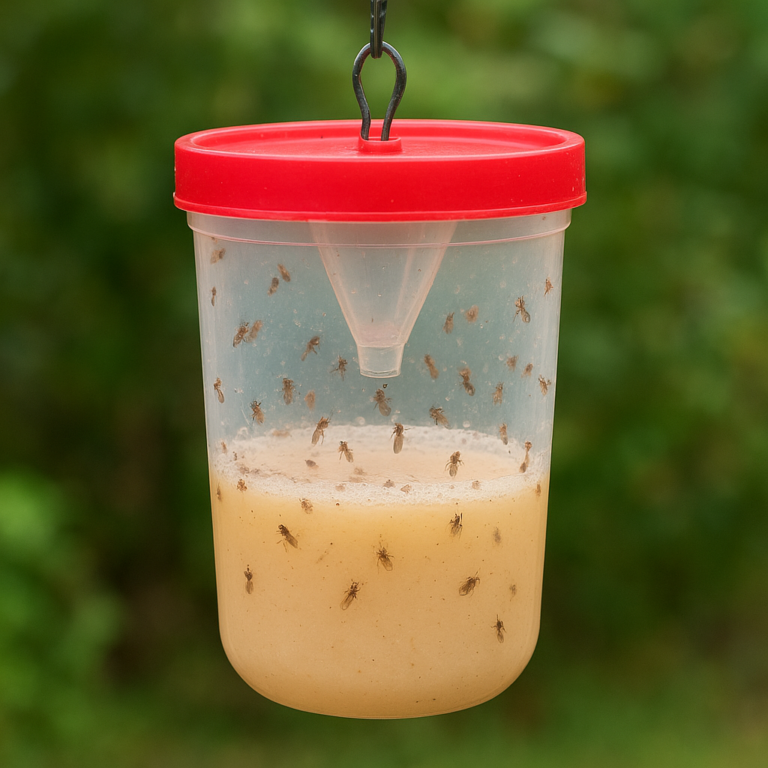
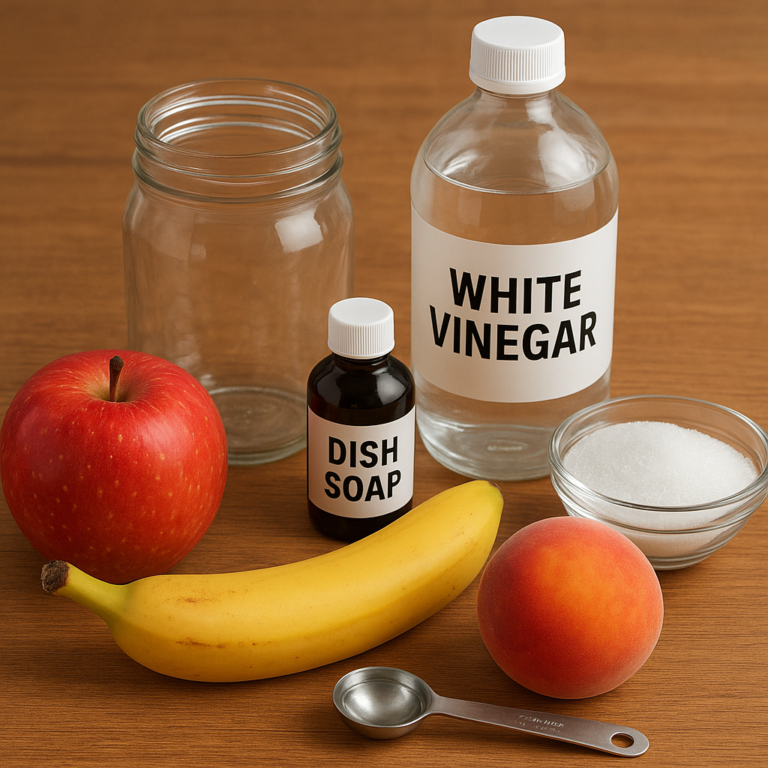
- Ingredients: Apple cider vinegar, dish soap, sugar, wine.
- Pros: Cheap, readily available, safe for pets.
- Cons: Short lifespan (evaporates in 2-3 days), attracts non-target insects, inconsistent potency.
- Best For: Minor infestations or prevention.
The Commercial Approach
- Ingredients: Synthetic pheromones, hydrolyzed proteins, controlled-release matrices.
- Pros: Long-lasting (weeks), species-specific, highly potent, weather-resistant.
- Cons: More expensive, requires proper identification of the pest.
- Best For: Severe infestations, agricultural use, persistent problems.
Comparison Table: DIY vs. Commercial Atractants
| Feature | DIY (Vinegar/Sugar) | Commercial (Pheromone/Protein) |
|---|---|---|
| Potency | Low to Medium | High to Extreme |
| Duration | 2-4 Days | 2-6 Weeks |
| Specificity | Low (Atracts everything) | High (Target species only) |
| Cost | $ (Very Low) | $$ to $$$ (Moderate to High) |
| Ease of Use | High | Medium (Requires setup) |
| Best Use Case | Kitchen counter cleanup | Orchard/Severe Infestation |
For more on setting up effective traps, visit our DIY Fruit Fly Traps category.
🚫 Common Mistakes in Fruit Fly Atractant Research and Application
Even the best ingredients fail if you use them wrong. Here are the pitfalls we see time and time again.
- Using the Wrong Lure: Putting Methyl Eugenol in a kitchen trap for Drosophila is a waste of money. It won’t work.
- Overcrowding Traps: If you have too many traps, they compete for the flies. One well-placed trap is better than ten scattered ones.
- Ignoring Cleanliness: No attractant can compete with a roting banana in the sink. Sanitation is 50% of the battle.
- Not Replacing the Bait: Atractants degrade. A stale trap can actually repel flies.
- Placement Errors: Placing traps in direct sunlight or high-traffic areas can reduce efficacy.
🔬 Are You a Researcher? Advanced Formulation Strategies
For those of you diving deep into the science, let’s talk about formulation optimization.
The Synergy Effect
Research shows that combining amonium acetate with hydrolyzed protein can increase capture rates by up to 30% compared to using either alone. The protein provides the long-term lure, while the acetate offers an immediate burst of attraction.
Controlled Release Matrices
In agricultural settings, the challenge is keeping the attractant active for months. Researchers are now using polymer matrices and micro-encapsulation to slowly release pheromones over time. This ensures a consistent scent plume without the need for frequent re-baiting.
Yeast Fermentation Dynamics
Adding specific strains of yeast (Sacharomyces cerevisiae) to protein baits can enhance the production of 4-methyl-3-heptanone and other volatiles. The key is controlling the fermentation temperature and pH to maximize the release of these specific compounds.
Question for the curious: Why do some studies show yeast is essential, while others say it’s redundant? The answer lies in the strain of yeast and the substrate used. We’ll break this down in the FAQ!
🛡️ Safety First: Handling Potent Atractant Chemicals
While Methyl Eugenol and Cuelure are effective, they are potent chemicals.
- Skin Contact: Always wear gloves when handling concentrated pheromones.
- Inhalation: Use in well-ventilated areas. High concentrations can cause respiratory irritation.
- Storage: Keep in a cool, dark place. UV light degrades pheromones rapidly.
- Pets and Children: While generally low toxicity, keep traps out of reach.
📊 Comparison Table: Synthetic vs. Natural Atractant Efficacy
| Atractant Type | Primary Compound | Target Species | Duration | Efficacy Rating (1-10) |
|---|---|---|---|---|
| Synthetic Pheromone | Methyl Eugenol | Bactrocera dorsalis | 4-8 Weeks | 9.5 |
| Synthetic Pheromone | Trimedlure | Ceratitis capitata | 4-6 Weeks | 9.0 |
| Natural Ferment | Acetic Acid | Drosophila melanogaster | 2-4 Days | 6.5 |
| Natural Ferment | Ethanol | Drosophila spp. | 1-3 Days | 5.5 |
| Protein Hydrolysate | Amonium Acetate | Broad Spectrum | 2-3 Weeks | 8.0 |
| Essential Oil | Eugenol | Bactrocera (Synergist) | 1-2 Weeks | 5.0 |
🌍 Global Regulations on Fruit Fly Pheromones and Lures
Regulations vary wildly depending on where you are.
- USA (USDA APHIS): Strictly regulates the use of Methyl Eugenol and Cuelure. They are often restricted to agricultural use and require permits for large-scale deployment.
- Australia: Has rigorous biosecurity laws. Using unapproved lures can lead to fines.
- EU: Follows strict guidelines on synthetic pheromones, often requiring registration under biocidal product regulations.
Always check your local agricultural extension office before deploying synthetic lures, especially if you are near a border or quarantine zone.
🏆 Conclusion

So, we’ve traveled from the humble vinegar jar to the high-tech world of synthetic pheromones. The answer to “what is the best fruit fly attractant?” isn’t a single ingredient, but a match between the pest and the lure.
For the common kitchen invader, acetic acid and fermented fruit remain the champions of simplicity. But for the serious agricultural threats, Methyl Eugenol, Cuelure, and Trimedlure are the undisputed kings of the hill.
We started this article asking if DIY traps could ever beat commercial ones. The verdict? For a few flies on the counter, yes. For an infestation that threatens your harvest or your sanity, no. The science is clear: species-specific, controlled-release synthetic attractants outperform homemade mixtures every time.
If you’re ready to take action, don’t guess. Identify your pest, choose the right lure, and deploy with confidence.
Recommended Products:
- PestMan Fruit Fly Atractant: Check Price on Amazon | PestMan Official
- Trécé Cuelure Lure: Search on Amazon
- Suterra Trimedlure: Search on Amazon
🔗 Recommended Links
- Books: Insect Pheromones and Their Use in Pest Management
- Products: Commercial Fruit Fly Traps
- Resources: USDA APHIS Fruit Fly Information
❓ FAQ

How do different fruit fly attractant ingredients compare in terms of effectiveness?
Effectiveness varies wildly based on the target species. Methyl Eugenol and Trimedlure (synthetic pheromones) are the most effective for agricultural pests, often achieving 90%+ capture rates in monitoring. In contrast, acetic acid (vinegar) is effective for Drosophila in home settings but has a much shorter duration and lower potency.
Are there specific fruit fly attractant formulas recommended for indoor use?
Yes. For indoor use, apple cider vinegar mixed with a drop of dish soap is the gold standard. It’s safe, non-toxic, and effective against the common fruit fly. Avoid strong synthetic pheromones indoors unless you have a specific, identified infestation of a different species.
What scientific research supports the use of vinegar as a fruit fly attractant?
Research indicates that acetic acid is a primary volatile released during fruit fermentation. Studies have shown that Drosophila melanogaster has a high affinity for acetic acid, making it a reliable attractant. However, its efficacy drops significantly compared to synthetic lures for other species.
Can homemade fruit fly traps using common ingredients really reduce infestations?
Yes, for minor infestations of Drosophila. However, they are rarely sufficient for large-scale or persistent infestations. Homemade traps often lack the potency and longevity of commercial formulations, leading to rapid re-infestation.
How do fruit fly attractants work to trap and eliminate pests?
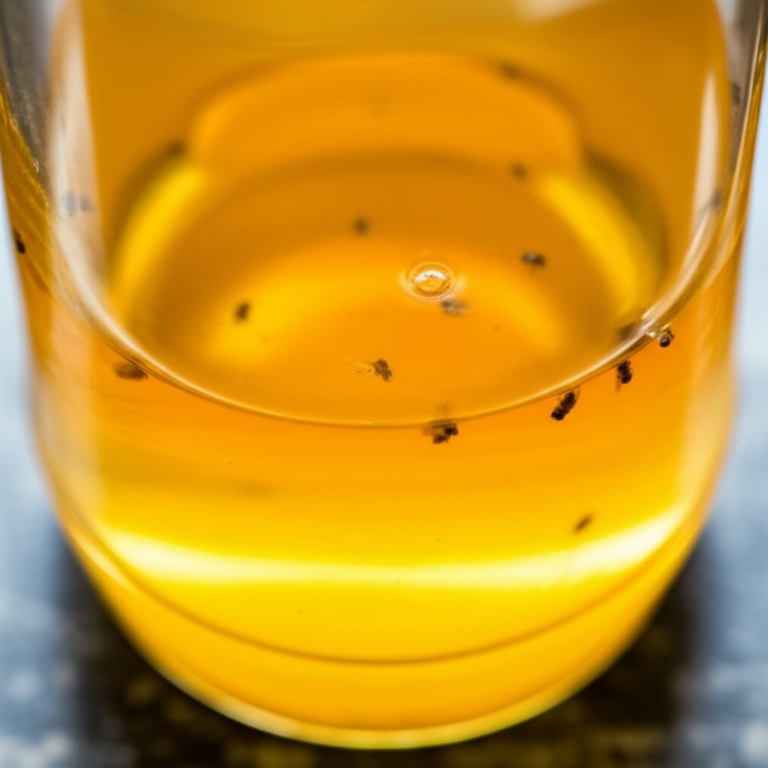
Atractants work by mimicking natural cues like food sources (fermentation) or mates (pheromones). Once the fly is drawn to the scent, it enters a trap (usually a funnel or sticky surface) from which it cannot escape, effectively removing it from the population.
Read more about “🍎 7 Top Home Remedies for a Fruit Fly Trap (2026)”
What are the most effective natural ingredients to attract fruit flies?
The most effective natural ingredients are apple cider vinegar, red wine, overipe bananas, and beer. These release acetic acid, ethanol, and esters that trigger the fly’s feeding response.
Read more about “🍯 7 Fruit Fly Trap Apple Cider Vinegar Dish Soap Sugar Hacks (2026)”
What are the most effective natural ingredients for fruit fly attractants?
(Note: This is a duplicate of the previous question, but we’ll add depth.) Beyond the basics, yeast is a powerful natural ingredient. When mixed with sugar and water, yeast ferments and releases a cocktail of volatiles that is highly attractive to fruit flies.
How do synthetic pheromones compare to fruit-based attractants for fruit flies?
Synthetic pheromones are species-specific and long-lasting, often working for weeks. Fruit-based attractants are broad-spectrum (atracting many species) but short-lived (days). Synthetic pheromones are superior for monitoring and controlling specific agricultural pests.
Are essential oils like clove or cinnamon effective in fruit fly traps?
Essential oils like eugenol (from cloves) can be effective as synergists when combined with other attractants like Methyl Eugenol. However, on their own, they are generally less effective than dedicated pheromones or fermentation byproducts.
Read more about “12 Scents That Keep Fruit Flies Away — Proven & Powerful! 🦟🚫 (2025)”
What specific sugars do fruit flies prefer in homemade attractant solutions?
Fruit flies are attracted to sucrose, glucose, and fructose. However, the fermentation of these sugars into alcohol and acid is what creates the primary attraction. A simple sugar-water solution is less effective than one that has been allowed to ferment.
Can vinegar and dish soap combinations outperform commercial fruit fly lures?
For the common kitchen fruit fly (Drosophila), a vinegar and soap trap can be surprisingly effective. However, it cannot outperform commercial lures in terms of capture volume, duration, or specificity for other species.
What is the role of yeast in creating fruit fly bait for research?
Yeast plays a crucial role by fermenting sugars to produce ethanol, acetic acid, and 4-methyl-3-heptanone. These compounds are highly attractive to fruit flies. In research, specific yeast strains are used to optimize the production of these volatiles.
How long do fruit fly attractant ingredients remain effective before losing potency?
- Vinegar/Bait: 2-4 days.
- Yeast Bait: 3-5 days.
- Commercial Pheromone Lures: 4-8 weeks (depending on the matrix and temperature).
- Essential Oils: 1-2 weeks.
📚 Reference Links
- PestMan Fruit Fly Atractant: PestMan Global
- USDA APHIS: Fruit Fly Pheromones
- ResearchGate: The Effectiveness of Atractants for Fruit Fly in Orange Garden (Note: Access may be restricted)
- Suterra: Pheromone Products
- Trécé: Insect Lures