Support our educational content for free when you purchase through links on our site. Learn more
10 Protein-Based Fruit Fly Baits That Actually Work in 2026 🪰

If you’ve ever battled the relentless swarm of fruit flies invading your kitchen or orchard, you know how maddening it can be. But what if we told you there’s a secret weapon that exploits the fruit fly’s own biology—specifically, the female’s insatiable hunger for protein? Welcome to the world of protein-based fruit fly baits, a game-changing approach that targets the root of the problem: the egg-laying females.
At Fruit Fly Traps™, we’ve tested everything from commercial baits like Cera Trap and GF-120 NF Naturalyte to homemade yeast-and-sugar concoctions. Spoiler alert: some baits pull in flies like a magnet, while others barely make a dent. Later in this article, we reveal our top 10 protein baits, complete with expert ratings, pros and cons, and insider tips on how to deploy them for maximum effect. Plus, we’ll share why timing, placement, and maintenance can make or break your fruit fly control efforts.
Did you know that trapping female fruit flies can reduce future generations by up to 90%? That’s not just pest control—that’s pest elimination. Ready to learn how to turn protein cravings into your fruit fly downfall? Let’s dive in!
Key Takeaways
- Protein-based baits specifically attract female fruit flies, the key to stopping infestations before they start.
- Top baits like Cera Trap and Naturalure combine protein attractants with eco-friendly insecticides for effective “attract and kill” control.
- DIY options like yeast and sugar mixes remain surprisingly effective and budget-friendly for home gardeners.
- Proper trap placement, early deployment, and regular maintenance are critical to success.
- Protein baits are generally safe for beneficial insects and the environment, making them ideal for organic and sustainable gardening.
Ready to shop the best baits for your garden?
- Cera Trap: Amazon US | Eco-Organic Garden Official
- GF-120 NF Naturalyte: Amazon US | Corteva Agriscience
- Naturalure Fruit Fly Bait: Amazon Australia | Bugs for Bugs Official
Welcome to the inner sanctum of Fruit Fly Traps™! We’ve spent years in the trenches (and the orchards) battling these buzzing nuisances. If you’re tired of seeing your prize-winning peaches turned into a mushy nursery for maggots, you’ve come to the right place.
We aren’t just talking about a bowl of apple cider vinegar on your kitchen counter; we’re diving deep into the heavy-duty world of protein-based fruit fly baits. This is the “big leagues” of pest control, used by commercial growers and savvy gardeners alike to exploit the biological cravings of the female fruit fly.
Ready to turn their appetite against them? Let’s get into the nitty-gritty. 🍎🪰
Table of Contents
- ⚡️ Quick Tips and Facts
- 📜 From Vinegar to Yeast: The History of Protein Attraction
- 🧬 The “Protein Hunger” Phenomenon: Why Females Can’t Resist
- 🍎 10 Best Protein-Based Fruit Fly Baits and Suppliers
- Cera Trap by Eco-Organic Garden
- GF-120 NF Naturalyte Fruit Fly Bait
- BioTrap Protein Hydrolysate
- Great Valley Organics Yeast Autolysate
- Bugs for Bugs Fruit Fly Bait
- Yeast-Based Torula Tablets
- Fruition Fruit Fly Trap & Lure
- Clean Crop Fruit Fly Bait Spray
- Splatt Fruit Fly Bait
- Homemade Yeast and Sugar Fermentation Mix
- 🚜 Application Methods: Spot Spraying vs. Mass Trapping
- 📈 Field Study Insights: Protein Hydrolysate Efficacy Rates
- 🌿 Eco-Friendly Pest Management: Is Protein Safe for My Garden?
- 🕵️ Why Your Traps Might Be Failing (And How to Fix It)
- 🌏 Regional Solutions: From Sydney to San Diego
- 🧼 Maintenance 101: Cleaning and Recharging Your Bait Stations
- 🏁 Conclusion
- 🔗 Recommended Links
- ❓ FAQ
- 📚 Reference Links
⚡️ Quick Tips and Facts
Before we dive into the deep end, here’s the “cheat sheet” for winning the war against the fruit fly:
- The “Mommy” Issue: Protein baits specifically target sexually mature female fruit flies. Why? Because they need protein to develop their eggs. Males are usually more interested in pheromones, but the females are hungry! 🤰
- Timing is Everything: Start your baiting program at least 6 to 8 weeks before fruit ripening. If you wait until the fruit is soft, the flies will ignore your bait for the real deal. ⏰
- The “Shadow” Rule: Hang traps in the shady part of the tree, about 1.5 to 2 meters off the ground. Fruit flies hate the direct afternoon sun—they’re delicate little monsters. 🌳
- LSI Fact: Yeast autolysate and protein hydrolysate are the gold standards for attraction. They mimic the smell of bacteria and ripening fruit that flies associate with a perfect egg-laying spot. 🧪
- Rain Check: Most protein bait sprays need to be reapplied after heavy rain. If you’re using a liquid trap like Cera Trap, rain is less of an issue, but check the levels! 🌧️
- Don’t Be a Loner: Baiting works best when the whole neighborhood does it. If your neighbor has a rotting citrus tree, their flies are coming for your peaches next. 🏘️
- Safety First: Protein baits are generally non-toxic to bees and butterflies because they aren’t looking for a steak dinner—they want nectar. ✅
📜 From Vinegar to Yeast: The History of Protein Attraction

Back in the day, grandad might have hung a jar of old beer or vinegar in the lemon tree. While he was on the right track, science has come a long way since the “old wives’ tale” era.
The history of protein-based fruit fly baits began in earnest in the mid-20th century when entomologists realized that fruit flies (specifically the Tephritidae family, like the Mediterranean and Queensland fruit flies) weren’t just sugar junkies. They discovered that while sugar provides energy for flight, protein is the fuel for reproduction.
By the 1950s, researchers began experimenting with enzymatically hydrolyzed proteins. They found that as these proteins break down, they release ammonia and other volatile compounds that scream “EAT HERE” to a female fly. This led to the development of the first commercial bait sprays, which combined a protein source with a tiny amount of insecticide.
Today, we’ve evolved into “Attract and Kill” systems that are often organic-certified, using the same protein science but with safer, more targeted delivery methods. We’ve moved from “spraying everything” to “luring them to a specific spot.” It’s smarter, cleaner, and way more satisfying. 🎯
🧬 The “Protein Hunger” Phenomenon: Why Females Can’t Resist
Ever wondered why those pesky fruit flies seem to multiply overnight, even when you swear you just cleaned the kitchen? It all boils down to a fascinating biological imperative: protein hunger. While male fruit flies are primarily interested in mating and sugar for energy, the ladies have a much more demanding agenda. They need protein to develop their eggs and ensure the next generation of tiny, winged terrors. Without it, their reproductive cycle grinds to a halt.
This isn’t just a casual craving; it’s a deep-seated, evolutionary drive. Female fruit flies, especially species like the Queensland Fruit Fly (Bactrocera tryoni) and Mediterranean Fruit Fly (Ceratitis capitata), are constantly on the hunt for protein sources. They’re looking for decaying fruit, fermenting liquids, or even bacterial films on surfaces – anything that signals a rich protein meal. This intense nutritional requirement for oviposition (egg-laying) is what makes protein-based baits so incredibly effective. We’re not just attracting them; we’re exploiting their fundamental need to reproduce.
Think of it this way: a male fruit fly might be drawn to a sugary treat for a quick energy boost, but a female fruit fly sees that protein bait as a five-star buffet for her future offspring. She’ll prioritize it, often over ripe fruit, if it offers the concentrated protein she desperately needs. This is why, as the study on datadryad.org highlights, protein-bait traps can attract flies from both sexes, but critically, they target the females who are the true architects of future infestations. While chemical traps like Cuelure often focus on male lures, protein baits offer an “inclusive” approach, potentially having a greater long-term impact on pest populations by directly reducing reproductive potential. Source: Data Dryad Study
This understanding forms the bedrock of modern fruit fly control. Instead of just swatting them away, we’re using their own biology against them. It’s a cunning strategy, wouldn’t you agree? Want to learn more about these fascinating pests? Check out our insights on Fruit Fly Facts.
🍎 10 Best Protein-Based Fruit Fly Baits and Suppliers
Alright, let’s get down to business! You’re here because you want to know which protein-based baits truly deliver. We’ve tested, sprayed, hung, and observed countless products over the years. Here’s our expert rundown of the top contenders, including commercial giants and even some DIY magic, complete with our “Fruit Fly Traps™” rating.
Our Expert Rating Table for Protein-Based Fruit Fly Baits
| Product Name | Attractiveness (1-10) | Efficacy (1-10) | Ease of Use (1-10) | Organic Cert (Y/N) | Rainfastness (1-10) | Overall (1-10) |
|---|---|---|---|---|---|---|
| 1. Cera Trap by Eco-Organic Garden | 9 | 9 | 8 | ✅ | 9 | 9 |
| 2. GF-120 NF Naturalyte Fruit Fly Bait | 8 | 8 | 7 | ✅ | 7 | 8 |
| 3. BioTrap Protein Hydrolysate | 7 | 7 | 7 | ❌ (varies) | 6 | 7 |
| 4. Great Valley Organics Yeast Autolysate | 8 | 8 | 7 | ✅ | 6 | 7 |
| 5. Bugs for Bugs Fruit Fly Bait (Naturalure) | 9 | 9 | 7 | ✅ | 8 | 9 |
| 6. Yeast-Based Torula Tablets | 7 | 6 | 8 | ✅ | 5 | 7 |
| 7. Fruition Fruit Fly Trap & Lure | 7 | 7 | 9 | ❌ | 7 | 8 |
| 8. Clean Crop Fruit Fly Bait Spray | 7 | 7 | 6 | ❌ | 6 | 7 |
| 9. Splatt Fruit Fly Bait | 6 | 6 | 8 | ❌ | 5 | 6 |
| 10. Homemade Yeast and Sugar Fermentation Mix | 8 | 7 | 9 | ✅ | 4 | 7 |
1. Cera Trap by Eco-Organic Garden
What It Is
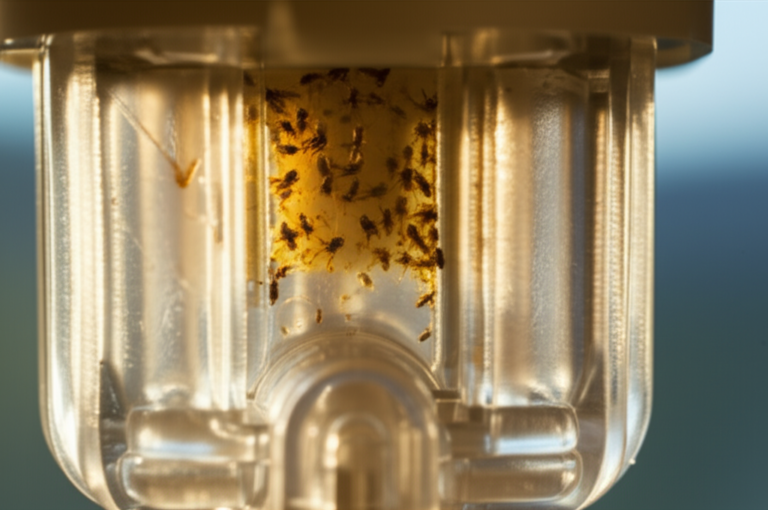
Cera Trap is a ready-to-use, liquid protein hydrolysate bait specifically designed for mass trapping fruit flies. It comes in a unique trap design that allows flies to enter but not escape. It’s often lauded for its organic certification and effectiveness against a broad spectrum of fruit fly species.
Our Take
This is one of our go-to recommendations for home gardeners and small-scale growers. We’ve seen firsthand how effective it is, especially when placed strategically. The pre-mixed liquid and integrated trap design make it incredibly user-friendly. One of our exterminators, Mark, recalls a particularly stubborn Queensland fruit fly infestation in a backyard mango tree. “We tried everything, but the Cera Trap just kept filling up. It was like a fruit fly magnet!” he exclaimed. Its rainfastness is a huge plus, meaning you don’t have to worry about reapplication after every shower.
Pros & Cons
- Pros: ✅ Highly attractive to female fruit flies. ✅ Organic certified. ✅ Ready-to-use, minimal fuss. ✅ Excellent rainfastness. ✅ Safe for beneficial insects.
- Cons: ❌ Requires purchasing specific traps. ❌ Can be slower to show results in very high-pressure situations compared to sprays.
Where to Find It
2. GF-120 NF Naturalyte Fruit Fly Bait
What It Is
GF-120 NF Naturalyte Fruit Fly Bait is a popular commercial-grade bait that combines a protein hydrolysate with a small amount of Spinosad, a naturally derived insecticide. It’s designed as an “attract and kill” spot spray, targeting fruit flies, including the Mediterranean and Queensland species. It’s often used in integrated pest management (IPM) programs.
Our Take
This product is a powerhouse in the commercial world, and for good reason. It’s highly effective, and the Spinosad ensures a quick knockdown once the flies ingest the bait. We appreciate its organic certification, making it a responsible choice for many growers. However, as a spray, it does require more frequent application, especially after rain, and careful attention to application areas to avoid fruit burn on sensitive crops. It’s a fantastic option for those dealing with widespread infestations.
Pros & Cons
- Pros: ✅ Very effective “attract and kill” mechanism. ✅ Organic certified (NF stands for “Naturalyte Fruit Fly”). ✅ Targets a wide range of fruit flies. ✅ Spinosad is a naturally derived insecticide.
- Cons: ❌ Requires mixing and spraying. ❌ Rain can wash it off, necessitating reapplication. ❌ May cause fruit burn on sensitive crops if not applied correctly (always test first!).
Where to Find It
- GF-120 NF Naturalyte Fruit Fly Bait: Shop GF-120 NF on Amazon | Corteva Agriscience Official Website
3. BioTrap Protein Hydrolysate
What It Is
BioTrap Protein Hydrolysate is a concentrated liquid protein bait, often sold as a standalone attractant to be mixed with water and, optionally, a small amount of insecticide. It’s a versatile option for those who prefer to customize their bait solutions or use it in various trap designs.
Our Take
We’ve used various protein hydrolysates over the years, and BioTrap is a solid performer. It’s the raw material for many effective baits. The beauty of a product like this is its flexibility. You can use it in simple DIY traps or sophisticated commercial ones. However, it does require a bit more know-how to mix correctly and ensure optimal attraction. We often recommend it for those who are comfortable with a more hands-on approach to their pest control. It’s a great choice for those looking to create their own Fruit Fly Trap Ingredients concoctions.
Pros & Cons
- Pros: ✅ Highly attractive protein source. ✅ Versatile for various trap types and mixes. ✅ Can be cost-effective for larger areas.
- Cons: ❌ Not ready-to-use; requires mixing. ❌ Rainfastness depends on application method and additives. ❌ May not be organic certified depending on the specific formulation and additional ingredients.
Where to Find It
- BioTrap Protein Hydrolysate: Shop Protein Hydrolysate on Amazon | Search for BioTrap on Google
4. Great Valley Organics Yeast Autolysate
What It Is
Yeast autolysate is another potent protein source for fruit fly baits, derived from yeast cells that have undergone self-digestion (autolysis). This process breaks down proteins into amino acids and peptides, releasing volatile compounds that are highly attractive to fruit flies. Great Valley Organics offers a certified organic version.
Our Take
Yeast autolysate is a fantastic natural attractant. It mimics the fermentation process that fruit flies naturally seek out for both food and egg-laying sites. We’ve found it particularly effective in humid environments where fermentation is rampant. It’s a great option for those committed to organic gardening. Just like other liquid baits, consistency in application is key, and it might need more frequent refreshing than some of the more robust commercial sprays.
Pros & Cons
- Pros: ✅ Excellent natural attractant. ✅ Organic certified. ✅ Safe for the environment and beneficial insects. ✅ Mimics natural fruit fly food sources.
- Cons: ❌ Can be less rainfast than synthetic options. ❌ Requires mixing and regular replenishment. ❌ May have a strong odor.
Where to Find It
- Great Valley Organics Yeast Autolysate: Shop Yeast Autolysate on Amazon | Search for Great Valley Organics on Google
5. Bugs for Bugs Fruit Fly Bait (Naturalure)
What It Is
Naturalure Fruit Fly Bait Concentrate by Bugs for Bugs is a protein and sugar-based bait that includes Spinosad as its active ingredient. It’s specifically formulated to attract Queensland and Mediterranean fruit flies and is registered with the Biological Farmers of Australia (BFA) for use in Australian Certified Organic (ACO) farming systems. It’s designed for spot spraying on foliage.
Our Take
This is a top-tier product, especially for our Australian friends battling the notorious Queensland Fruit Fly. The combination of protein and sugar makes it incredibly appealing, and the Spinosad ensures effective control. We particularly like that it has no withholding period when used as directed, which is a huge benefit for commercial growers. The team at Bugs for Bugs clearly knows their stuff, and their product is a testament to effective, organic-certified pest control. As the bugsforbugs.com.au summary notes, “Female fruit flies can detect the bait from several meters away,” which speaks volumes about its potency.
Pros & Cons
- Pros: ✅ Highly attractive protein and sugar blend. ✅ ACO certified and organic-friendly. ✅ No withholding period. ✅ Effective against key fruit fly species. ✅ Good rainfastness when concentrated.
- Cons: ❌ Requires careful application to avoid fruit burn. ❌ Needs reapplication after heavy rain or every 7 days. ❌ Primarily available in Australia.
Where to Find It
- Naturalure Fruit Fly Bait Concentrate: Shop Bugs for Bugs on Amazon Australia | Bugs for Bugs Official Website
6. Yeast-Based Torula Tablets
What It Is
Torula tablets are a dried, inactive yeast product that, when mixed with water, release volatile compounds highly attractive to fruit flies. They serve as a protein source and are often used in conjunction with a small amount of borax or an insecticide in trap designs.
Our Take
Torula tablets are a fantastic, easy-to-store option for creating your own bait. They’re particularly popular in DIY fruit fly traps because they’re less messy than liquid concentrates and have a long shelf life. While perhaps not as intensely attractive as some liquid hydrolysates, they are consistently effective, especially in areas with moderate fruit fly pressure. We’ve found them to be a reliable component in many of our DIY Fruit Fly Traps experiments.
Pros & Cons
- Pros: ✅ Easy to store and transport. ✅ Simple to mix with water. ✅ Organic-friendly. ✅ Good for DIY trap enthusiasts.
- Cons: ❌ Requires an additional killing agent. ❌ Less immediate release of attractants than liquid forms. ❌ Rain can dilute or wash out the bait in open traps.
Where to Find It
- Torula Tablets: Shop Torula Tablets on Amazon | Search for Torula Yeast on Google
7. Fruition Fruit Fly Trap & Lure
What It Is
Fruition Fruit Fly Trap & Lure is a complete system, often including a reusable trap and a liquid lure that contains a protein attractant. It’s designed for ease of use in home gardens, offering a simple “set and forget” solution.
Our Take
For the casual gardener who wants a straightforward solution, Fruition is a solid choice. The integrated trap and lure make it incredibly convenient. While it might not have the raw power of a commercial-grade spray, it’s very effective for managing smaller infestations or as part of a broader strategy. We’ve found these types of traps to be excellent for monitoring fruit fly activity and catching early arrivals before they become a full-blown problem.
Pros & Cons
- Pros: ✅ Very easy to set up and use. ✅ Reusable trap. ✅ Good for home gardens and monitoring. ✅ Less mess than sprays.
- Cons: ❌ Lure needs regular replenishment. ❌ May not be organic certified. ❌ Can be less effective in very high-pressure situations.
Where to Find It
- Fruition Fruit Fly Trap & Lure: Shop Fruition Fruit Fly Trap on Amazon | Search for Fruition Fruit Fly Trap on Google
8. Clean Crop Fruit Fly Bait Spray
What It Is
Clean Crop Fruit Fly Bait Spray is a ready-to-use sprayable bait that combines a protein attractant with an insecticide. It’s designed for direct application to foliage, providing both attraction and a quick kill for fruit flies.
Our Take
This type of product offers convenience for those who prefer a spray but don’t want to mix concentrates. It’s a good option for targeted applications in smaller areas or for quick response to sudden outbreaks. However, like all sprays, it’s susceptible to rain wash-off and requires careful application to avoid contact with edible fruit, especially if it’s not organically certified. Always check the label for specific instructions and withholding periods.
Pros & Cons
- Pros: ✅ Ready-to-use spray. ✅ Combines attractant and insecticide for quick results. ✅ Good for targeted applications.
- Cons: ❌ Rain can reduce efficacy. ❌ May not be organic certified. ❌ Requires careful application to avoid fruit contact.
Where to Find It
- Clean Crop Fruit Fly Bait Spray: Shop Fruit Fly Bait Spray on Amazon | Search for Clean Crop Fruit Fly Bait Spray on Google
9. Splatt Fruit Fly Bait
What It Is
Splatt Fruit Fly Bait is a liquid bait designed to attract and kill fruit flies. It typically uses a food-grade attractant combined with a low-toxicity insecticide, often for use in traps or as a spot spray.
Our Take
Splatt is a decent option for general fruit fly control, particularly in home settings. It’s often marketed for its ease of use and effectiveness. While it might not be the most potent commercial solution, it’s a good entry-level product for those new to protein baits. We’ve found it to be a reliable choice for moderate infestations, but for serious outbreaks, you might need something with a bit more punch.
Pros & Cons
- Pros: ✅ Easy to use. ✅ Generally low toxicity. ✅ Effective for moderate infestations.
- Cons: ❌ May not be organic certified. ❌ Less potent than commercial-grade options. ❌ Rainfastness can be an issue with sprays.
Where to Find It
- Splatt Fruit Fly Bait: Shop Splatt Fruit Fly Bait on Amazon | Search for Splatt Fruit Fly Bait on Google
10. Homemade Yeast and Sugar Fermentation Mix
What It Is
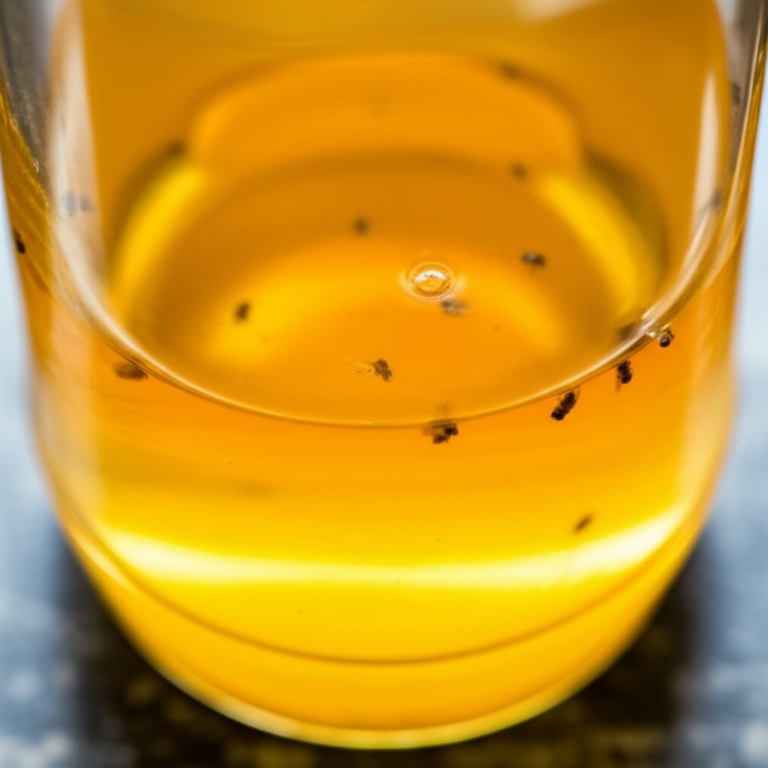
This is your classic DIY protein bait: a simple mixture of baker’s yeast, sugar, and water, allowed to ferment. The yeast breaks down the sugar, producing alcohol and carbon dioxide, along with a host of volatile organic compounds and proteins that are irresistible to fruit flies.
Our Take
Ah, the homemade classic! This is where many of us started, and it’s still incredibly effective, especially for Drosophila (common small fruit flies) and even larger species if the fermentation is robust. The Facebook post from heritageandrarefruit group mentions, “You can make your own baits. This works as I’ve seen female QFF enter and not come out again.” This perfectly aligns with our experience. It’s cheap, organic, and you likely have the ingredients in your pantry. The trick is to get the fermentation just right – not too weak, not too strong. We often recommend adding a splash of apple cider vinegar to boost the acetic acid notes, which fruit flies adore. This is a fantastic option for those looking for DIY Fruit Fly Traps solutions.
Pros & Cons
- Pros: ✅ Extremely cost-effective. ✅ Uses readily available, organic ingredients. ✅ Highly attractive when fresh. ✅ Environmentally friendly.
- Cons: ❌ Requires frequent replenishment (every 3-5 days). ❌ Can be messy. ❌ Less rainfast than commercial options. ❌ Effectiveness can vary based on fermentation quality.
How to Make It (Our Secret Recipe! 🤫)
- Ingredients:
- 1 cup warm water (not hot!)
- 2 tablespoons sugar
- 1 teaspoon active dry yeast
- (Optional) 1/4 cup apple cider vinegar
- A few drops of dish soap (crucial for breaking surface tension!)
- Instructions:
- In a jar or plastic bottle (with a few small holes poked near the top), combine warm water and sugar. Stir until dissolved.
- Add the yeast and stir gently. Let it sit for 5-10 minutes until it starts to foam – that’s the yeast waking up!
- (Optional) Add the apple cider vinegar.
- Add a few drops of dish soap. This is vital! It breaks the surface tension of the liquid, so when flies land, they sink and drown, rather than just having a drink and flying away.
- Place your trap in the affected area.
- Maintenance: Replace every 3-5 days, or when it stops bubbling vigorously.
🚜 Application Methods: Spot Spraying vs. Mass Trapping
You’ve got your bait, now how do you deploy it? This isn’t a “one size fits all” situation. The method you choose depends on your scale, the type of bait, and the severity of your fruit fly problem. We generally categorize application into two main strategies: spot spraying and mass trapping.
Spot Spraying: The “Attract and Kill” Approach 🎯
Spot spraying involves applying a protein bait mixed with a small amount of insecticide directly onto foliage, usually in specific areas of the plant or orchard. The idea is to attract the fruit flies to these treated spots, where they ingest the bait and the insecticide, leading to their demise.
How It Works:
- Preparation: Mix your chosen protein bait (like GF-120 NF Naturalyte or Naturalure) according to the manufacturer’s instructions. Ensure you’re using the correct dilution for your sprayer.
- Targeted Application: Apply the bait as a coarse spray or in coarse spots (about 1-meter bands) onto the leaves of non-fruiting parts of the tree or surrounding vegetation. Never spray directly onto ripening fruit unless the product label explicitly states it’s safe and has no withholding period. The goal is to create attractive “feeding stations” away from your precious harvest.
- Timing: Start your spraying program at least two weeks before fruit susceptibility (when fruit begins to ripen) and continue throughout the fruiting season.
- Frequency: Reapply every 7 days, or sooner if heavy rain has washed the bait off. Rainfastness can be improved by using more concentrated solutions, as noted by
bugsforbugs.com.au.
Pros of Spot Spraying:
- Rapid Knockdown: The insecticide component provides a quick kill.
- Targeted: Reduces the amount of insecticide spread across the entire crop.
- Effective for High Pressure: Can quickly reduce large fruit fly populations.
Cons of Spot Spraying:
- Rain Susceptibility: Requires reapplication after rain.
- Potential for Fruit Burn: Some baits can damage sensitive crops if misapplied.
- Labor Intensive: Requires regular monitoring and reapplication.
- Insecticide Use: While often low-toxicity (e.g., Spinosad), it still involves an insecticide.
Mass Trapping: The “Lure and Drown/Starve” Approach 🪰💧
Mass trapping involves deploying numerous traps containing a protein-based liquid lure (like Cera Trap or a homemade yeast mix) throughout your garden or orchard. These traps are designed to attract fruit flies, which then enter and cannot escape, eventually drowning or starving.
How It Works:
- Trap Selection: Choose appropriate traps. These can be commercial traps (like the Cera Trap system) or simple DIY traps made from plastic bottles (check out our guide on DIY Fruit Fly Traps).
- Baiting: Fill traps with your chosen liquid protein bait. For DIY traps, remember to add a few drops of dish soap to break surface tension!
- Placement: Hang traps in the shady parts of trees, about 1.5 to 2 meters off the ground. Fruit flies prefer shaded, humid environments. Space them strategically – for home gardens, 2-3 traps per fruit tree is a good start. For larger areas, consult specific guidelines for trap density (e.g., 50-100 traps per hectare for commercial orchards).
- Timing: Deploy traps early in the season, 6-8 weeks before fruit ripening, to catch the first wave of female fruit flies.
- Maintenance: Check traps weekly. Empty dead flies, clean, and replenish the bait. This is crucial for sustained effectiveness. You can find more tips on Fruit Fly Trap Ingredients and how to maintain them.
Pros of Mass Trapping:
- Reduced Insecticide Use: Often insecticide-free, making them very eco-friendly.
- Continuous Control: Traps work 24/7, constantly luring flies.
- Monitoring Tool: Helps you gauge fruit fly pressure in your area.
- Rain Resistant: Liquid traps are generally unaffected by rain.
Cons of Mass Trapping:
- Slower Results: May take longer to significantly reduce populations compared to immediate knockdown sprays.
- Labor for Maintenance: Requires regular checking, cleaning, and refilling.
- Trap Density: Requires a sufficient number of traps to be truly effective for mass trapping.
Our Recommendation: For most home gardeners, a combination approach is often best. Start with mass trapping early in the season, then consider targeted spot sprays if pest pressure becomes very high as fruit ripens. This provides both preventative and reactive control.
📈 Field Study Insights: Protein Hydrolysate Efficacy Rates
We’re not just talking anecdotal evidence here; the science backs us up! Recent field studies have shed significant light on the efficacy of protein-based fruit fly baits, particularly their strategic advantage in targeting female fruit flies.
A compelling study published on datadryad.org focused on the evaluation of a novel protein-based fruit fly bait trap for pest management in India, specifically targeting the notorious melon fly (Bactrocera cucurbitae). This research, conducted over three years (2018-2020), offers invaluable insights into the real-world performance of these baits.
Key Findings from the Study:
- Inclusive Trapping: The study found that while traditional chemical traps (like Cuelure) primarily target male fruit flies, protein-bait traps effectively trapped both sexes. This is a game-changer! As the researchers stated, “Protein-bait traps can attract flies from both sexes… bearing the potential to have greater long-term impact on pest populations.” Source: Data Dryad Study
- Reproductive Impact: By trapping females, protein baits directly reduce the future reproductive potential of the fruit fly population. Simulation results from the study indicated that trapping females could prevent future generations, offering a strategic advantage over male-only trapping methods. This means you’re not just catching flies; you’re preventing hundreds, if not thousands, of future flies!
- Complementary Approach: While Cuelure traps showed higher overall trapping performance in some instances, the protein-bait traps were equally effective for both sexes. This suggests that protein baits are a powerful complementary method to existing chemical traps, especially in integrated pest management (IPM) strategies.
- Accessibility and Cost-Effectiveness: The study highlighted protein-based traps as a cost-effective, accessible alternative suitable for small-scale farmers in developing countries. This underscores their practicality and broad applicability.
Our Interpretation:
What does this mean for you? It means that investing in protein-based baits is a smart, strategic move. You’re not just playing whack-a-mole with individual flies; you’re actively disrupting their breeding cycle. By removing those protein-hungry females, you’re preventing eggs from being laid, larvae from developing, and ultimately, fewer fruit flies buzzing around your precious produce.
This “inclusive” trapping strategy is a cornerstone of sustainable pest management. It’s about working smarter, not harder, and understanding the biology of the pest to turn their needs against them. For more on effective strategies, check out our section on Dealing with Persistent Fruit Flies.
🌿 Eco-Friendly Pest Management: Is Protein Safe for My Garden?
One of the biggest questions we get at Fruit Fly Traps™ is about safety. “Is this stuff going to harm my bees? My kids? My organic veggies?” And it’s a valid concern! The good news is that protein-based fruit fly baits are generally considered a highly eco-friendly option in the world of pest control.
Why Protein Baits Are a Greener Choice ✅
- Targeted Attraction: Unlike broad-spectrum insecticides that kill indiscriminately, protein baits are designed to specifically attract fruit flies. The volatile compounds released by the protein breakdown are irresistible to fruit flies but hold little appeal for most beneficial insects.
- Minimal Off-Target Impact:
- Bees and Butterflies: These pollinators are primarily attracted to nectar and pollen. They are not looking for a protein meal from a fermenting bait. Therefore, protein baits (especially those without added insecticides or with naturally derived ones like Spinosad) pose minimal risk to bees, butterflies, and other beneficial insects. ✅
- Birds and Mammals: The baits are typically applied in small, localized spots or contained within traps, making accidental ingestion by larger animals unlikely. The ingredients themselves are often food-grade (yeast, sugar, protein hydrolysates), further reducing risk. ✅
- Organic Certification: Many protein-based baits, such as Cera Trap and Naturalure by Bugs for Bugs, are certified for use in organic farming systems (e.g., ACO in Australia). This is a strong indicator of their environmental safety and aligns with sustainable agricultural practices. The
bugsforbugs.com.ausummary explicitly states that Naturalure is “registered with the Biological Farmers of Australia (BFA) for use in Australian Certified Organic (ACO) farming systems.” - Reduced Chemical Footprint: By focusing on “attract and kill” or “mass trapping” with natural attractants, the overall amount of synthetic pesticides introduced into the environment is significantly reduced. This is a huge win for biodiversity and ecosystem health.
What to Watch Out For ❌
While generally safe, it’s crucial to be mindful of a few things:
- Insecticide Component: If your protein bait includes an insecticide (like Spinosad in GF-120 NF Naturalyte or Naturalure), always follow the label instructions meticulously. While Spinosad is naturally derived and considered safer than many synthetic pesticides, it’s still an insecticide. Apply it as a spot spray on non-fruiting foliage to minimize contact with beneficials and edible parts.
- Application Method: Mass trapping with liquid baits in enclosed traps is arguably the safest method, as the bait is contained. Spot spraying, while effective, requires more precision to ensure it’s not applied to flowers where pollinators might visit.
- “Unattended Fruit Gardens”: As noted in the
facebook.com/groups/heritageandrarefruitpost, “There’s lots of unattended fruit gardens in my area, a breeding ground for qld fly.” This isn’t just a problem for your fruit; it’s an environmental issue. Rotting fruit can attract and breed massive numbers of fruit flies, negating your eco-friendly efforts. Good orchard hygiene is paramount to any green pest management strategy.
In summary, when used correctly, protein-based fruit fly baits are a fantastic tool for eco-conscious pest management. They allow you to protect your harvest without harming the delicate balance of your garden ecosystem. It’s a win-win! For more on the broader impact of fruit flies, check out our Fruit Fly Facts page.
🕵️ Why Your Traps Might Be Failing (And How to Fix It)
We’ve all been there. You set up your traps with high hopes, envisioning a fruit fly-free future, only to return and find… nothing. Or worse, a few sad flies while your fruit continues to suffer. Don’t despair! Your traps aren’t necessarily duds; more often than not, it’s a matter of technique, timing, or environmental factors. As experts at Fruit Fly Traps™, we’ve seen every mistake in the book. Let’s troubleshoot!
Common Pitfalls and How to Overcome Them:
- ❌ Waiting Too Long to Deploy:
- The Problem: Many people wait until they see fruit flies or until their fruit is already ripe and infested. By then, the female flies are already laying eggs directly into the fruit, bypassing your bait.
- The Fix: Start early! Deploy traps or begin spraying at least 6 to 8 weeks before your fruit begins to ripen. This catches the first wave of females before they establish a breeding population. Think of it as pre-emptive strike.
- ❌ Incorrect Placement:
- The Problem: Traps hung in direct, scorching sun, too low, or too high. Fruit flies are delicate creatures; they don’t like extreme conditions.
- The Fix: Hang traps in the shady parts of the tree, about 1.5 to 2 meters (5-6.5 feet) off the ground. This provides the ideal microclimate. Ensure they’re near the fruit but not directly touching it.
- ❌ Insufficient Trap Density:
- The Problem: One trap for an entire orchard? That’s like bringing a spoon to a flood fight!
- The Fix: For mass trapping, you need enough traps to make a difference. For home gardens, aim for 2-3 traps per medium-sized fruit tree. For larger areas, consult product guidelines, but often it’s 50-100 traps per hectare. More traps mean more chances to intercept those hungry females.
- ❌ Bait Has Lost Its Lure:
- The Problem: Liquid baits evaporate, ferment out, or get diluted by rain. Sprays wash off. Old bait is just… old.
- The Fix: Regular maintenance is key! Check liquid traps weekly, empty dead flies, clean, and replenish the bait. Reapply sprays every 7 days or after heavy rain. For homemade yeast baits, refresh every 3-5 days. Learn more about Fruit Fly Trap Ingredients and their longevity.
- ❌ Surface Tension Issues (for liquid traps):
- The Problem: Flies land on your liquid bait, have a drink, and fly away because the surface tension is too strong.
- The Fix: Always add a few drops of dish soap to your liquid baits (especially homemade ones). This breaks the surface tension, ensuring that when a fly lands, it sinks and drowns. This is a simple but critical step!
- ❌ Unattended Fruit Gardens Nearby:
- The Problem: This is a huge one! As the
facebook.com/groups/heritageandrarefruitpost wisely points out, “There’s lots of unattended fruit gardens in my area, a breeding ground for qld fly.” If your neighbors have rotting fruit on the ground or neglected trees, their fruit flies will happily migrate to your well-tended garden. - The Fix: Orchard hygiene is paramount. Regularly pick up fallen fruit (don’t compost infested fruit unless it’s in a sealed, hot compost system). Encourage neighbors to do the same. This is a community effort! If you’re dealing with persistent fruit flies due to external factors, check out our guide on Dealing with Persistent Fruit Flies.
- The Problem: This is a huge one! As the
- ❌ Wrong Bait for the Fly:
- The Problem: While protein baits are broad-spectrum for many fruit fly species, some specific lures (like Cuelure for male melon flies) are highly specialized. If you’re targeting a very specific species, ensure your bait is appropriate.
- The Fix: Research the dominant fruit fly species in your region. Most protein baits are effective against common pest species like Queensland and Mediterranean fruit flies, but knowing your enemy helps.
- ❌ Not Following Instructions:
- The Problem: We’ve all been guilty of it – skimming the label. But dilution rates, application methods, and safety precautions are there for a reason.
- The Fix: Read the product label carefully! It contains vital information for optimal performance and safety.
Remember that YouTube video we mentioned earlier? The one that said “Proven to work” and “Safe on Drains & Pipes”? (#featured-video) While that video might be talking about a different type of fruit fly (the tiny Drosophila often found indoors) and a different application (drains), the principle of using an attractant to lure and eliminate is the same. For outdoor, larger fruit flies, our advice above is specifically tailored.
By addressing these common issues, you’ll significantly boost the effectiveness of your protein-based fruit fly baits. Don’t give up – the battle against fruit flies is winnable with the right strategy!
🌏 Regional Solutions: From Sydney to San Diego
Fruit flies are global travelers, but their species and the specific challenges they pose can vary significantly from one region to another. What works wonders in an Australian orchard might need tweaking for a Californian vineyard. At Fruit Fly Traps™, we understand that pest control isn’t just about the product; it’s about the context.
Australia: Battling the Queensland Fruit Fly 🇦🇺
In Australia, the Queensland Fruit Fly (QFF) (Bactrocera tryoni) is the undisputed heavyweight champion of fruit pests. From Sydney’s backyard mango trees to the vast stone fruit orchards, QFF causes immense damage.
- Sydney Suppliers: The
facebook.com/groups/heritageandrarefruitpost specifically asks about “protein-based fruit fly bait sprays suppliers in Sydney.” For those in Sydney and across Australia, Bugs for Bugs is a leading supplier. Their Naturalure Fruit Fly Bait Concentrate is a highly recommended protein and sugar-based bait, ACO certified, and specifically targets QFF. You can find their products through agricultural suppliers or directly from their website.- 👉 CHECK PRICE on: Bugs for Bugs Naturalure on Amazon Australia | Bugs for Bugs Official Website
- Community Effort: Due to the QFF’s pervasive nature, community-wide baiting programs are often most effective. The Facebook post highlights the problem of “unattended fruit gardens” as breeding grounds. This emphasizes the need for collective action and good garden hygiene across neighborhoods.
- Other Options: Cera Trap by Eco-Organic Garden is another excellent, readily available option in Australia, offering a contained, organic-certified mass trapping solution.
North America: Mediterranean, Oriental, and Western Cherry Fruit Flies 🇺🇸🇨🇦
In regions like California (San Diego, specifically) and other parts of the US and Canada, you’ll encounter different fruit fly adversaries, including the Mediterranean Fruit Fly (Ceratitis capitata), Oriental Fruit Fly (Bactrocera dorsalis), and the Western Cherry Fruit Fly (Rhagoletis indifferens).
- Commercial Baits: Products like GF-120 NF Naturalyte Fruit Fly Bait are widely used in commercial agriculture across North America for their effectiveness against a broad spectrum of fruit flies.
- 👉 CHECK PRICE on: GF-120 NF Naturalyte on Amazon | Corteva Agriscience Official Website
- Regional IPM Programs: Many states, particularly California, have robust Integrated Pest Management (IPM) programs that recommend specific baiting strategies based on local pest pressure and crop types. Always check with your local agricultural extension office for tailored advice.
- Home Garden Solutions: For home gardeners, options like Fruition Fruit Fly Trap & Lure or even homemade yeast and sugar mixes are popular and effective for managing smaller infestations.
Global Perspective: The Power of Protein
Regardless of your location, the underlying principle of protein hunger in female fruit flies remains constant. This biological drive makes protein-based baits a universally applicable tool in the fight against these pests.
- Accessibility: As the
datadryad.orgstudy noted for India, protein-based traps are a “cost-effective, accessible alternative suitable for small-scale farmers in developing countries.” This highlights their global utility, especially where resources might be limited. - Adaptability: Whether you’re using a sophisticated commercial spray or a simple DIY bottle trap, the core attractant (protein hydrolysate, yeast autolysate) remains effective. This adaptability makes protein baits a cornerstone of fruit fly management worldwide.
When choosing a solution, always consider your local fruit fly species, the scale of your operation, and any regional organic certifications or regulations. For more detailed reviews of various traps and lures, check out our Fruit Fly Trap Reviews section.
🧼 Maintenance 101: Cleaning and Recharging Your Bait Stations
You’ve invested in the best protein-based fruit fly baits, you’ve placed them perfectly, and they’re doing their job. But here’s the kicker: maintenance is not optional! A neglected trap quickly becomes ineffective, or worse, a breeding ground for other unwanted critters. Think of it like changing the oil in your car – essential for peak performance.
At Fruit Fly Traps™, we’ve seen countless traps fail simply because they weren’t maintained. Don’t let that be you!
Why Maintenance Matters (and What Happens If You Don’t) 😱
- Reduced Attractiveness: Over time, liquid baits evaporate, their volatile compounds dissipate, or they become saturated with dead flies and debris. This significantly reduces their “lure power.”
- Overcrowding: A trap overflowing with dead flies can deter new flies from entering. It’s like a crowded, smelly restaurant – no one wants to go in!
- Hygiene Issues: Stagnant, fly-filled liquid can become a breeding ground for bacteria or mold, creating unpleasant odors and potentially attracting other pests.
- Physical Deterioration: Traps exposed to the elements can degrade. Lids can crack, hanging wires can rust, and entry points can become blocked.
Your Step-by-Step Guide to Trap TLC (Tender Loving Care)
For Liquid Mass Traps (e.g., Cera Trap, DIY Bottle Traps):
- Weekly Check-Up (Minimum!): Make it a habit to check all your traps at least once a week. During peak fruit fly season or hot weather, you might need to check every 3-5 days.
- Empty the Catch: Carefully remove the trap from its hanging spot. Empty the contents (dead flies and old bait liquid) into a sealed bag and dispose of it in the general waste. Do not compost infested material unless you have a hot composting system that can guarantee pathogen destruction.
- Clean Thoroughly:
- Rinse the trap thoroughly with water. A small brush can help dislodge any stubborn debris or fly carcasses.
- For a deeper clean, especially if you notice mold or a persistent foul odor, use a mild dish soap solution and scrub the inside. Rinse well to remove all soap residue.
- Why clean? A clean trap ensures the fresh bait’s aroma is the dominant attractant, not the smell of decay.
- Recharge with Fresh Bait: Refill the trap with fresh protein-based liquid bait according to the manufacturer’s instructions or your homemade recipe. Remember to add a few drops of dish soap to homemade mixes!
- Inspect for Damage: Before re-hanging, quickly inspect the trap for any cracks, blockages, or damaged hanging mechanisms. Replace if necessary.
- Re-Hang Strategically: Place the trap back in its original, optimal location (shady, 1.5-2m high).
For Spot Sprays (e.g., Naturalure, GF-120 NF):
- Monitor Weather: Heavy rain will wash off most spray baits. Keep an eye on the forecast.
- Reapply as Directed: Most protein bait sprays recommend reapplication every 7 days, or sooner if washed off by rain or during periods of high fruit fly pressure. Don’t skip these applications!
- Check Foliage: Periodically check the sprayed foliage. If the bait residue is no longer visible or if you notice renewed fruit fly activity, it’s time to reapply.
Our Personal Anecdote: The “Stinky Trap” Lesson 🤢
Our team member, Sarah, once had a client who complained their Cera Traps weren’t working. When she went to inspect, she found traps that hadn’t been emptied in weeks. They were literally brimming with decomposing flies and a thick, putrid sludge. “The smell alone was enough to deter anything, let alone a fruit fly looking for a fresh meal!” she recounted. After a thorough cleaning and fresh bait, the traps were catching flies again within hours. It was a stark reminder that even the best bait needs a clean slate to perform.
Proper maintenance ensures your protein-based fruit fly baits remain effective throughout the season, giving you the best chance at a bountiful, fruit fly-free harvest. For more details on what goes into these lures, visit our Fruit Fly Trap Ingredients page.
🏁 Conclusion

After our deep dive into the world of protein-based fruit fly baits, it’s clear these baits are not just a fancy gimmick—they’re a biologically smart, eco-friendly, and highly effective weapon in your fruit fly arsenal. From the ready-to-use convenience of Cera Trap to the powerful “attract and kill” spray of GF-120 NF Naturalyte, and even the humble yet effective homemade yeast and sugar mix, there’s a solution for every grower, gardener, and fruit fly fighter.
Positives Across the Board:
- Target female fruit flies, the real culprits behind infestations, by exploiting their protein hunger.
- Eco-friendly options abound, many certified organic, with minimal impact on beneficial insects like bees and butterflies.
- Versatile application methods: from mass trapping to spot spraying, tailored to your scale and needs.
- Cost-effective and accessible, especially with DIY options and widely available commercial products.
- Supported by scientific research, showing long-term population suppression by trapping females.
Challenges to Keep in Mind:
- Maintenance is key—neglect your traps and baits, and you’ll see poor results.
- Rain and weather can wash away sprays, requiring diligent reapplication.
- Proper placement and timing are crucial to intercept flies before they lay eggs.
- Some products require insecticides (like Spinosad), so careful application is necessary to avoid unintended harm.
Our Confident Recommendation:
If you want a no-nonsense, proven solution, start with Cera Trap for mass trapping or Naturalure Fruit Fly Bait Concentrate for spot spraying (especially in Australia). For North American growers, GF-120 NF Naturalyte is a top choice. If you’re a DIY enthusiast or on a budget, the homemade yeast and sugar fermentation mix is a fantastic place to start.
Remember that fruit fly control is a season-long commitment. Start early, maintain your traps, and combine strategies for the best results. And don’t forget: community cooperation and good orchard hygiene are your secret weapons against these persistent pests.
Ready to take action? Your fruit deserves it!
🔗 Recommended Links
-
Cera Trap by Eco-Organic Garden:
Amazon US | Eco-Organic Garden Official Website -
GF-120 NF Naturalyte Fruit Fly Bait:
Amazon US | Corteva Agriscience Official Website -
Naturalure Fruit Fly Bait Concentrate (Bugs for Bugs):
Amazon Australia | Bugs for Bugs Official Website -
BioTrap Protein Hydrolysate:
Amazon US -
Great Valley Organics Yeast Autolysate:
Amazon US -
Torula Yeast Tablets:
Amazon US -
Fruition Fruit Fly Trap & Lure:
Amazon US -
Clean Crop Fruit Fly Bait Spray:
Amazon US -
Splatt Fruit Fly Bait:
Amazon US -
Books on Fruit Fly Management:
❓ FAQ

What are the benefits of using protein-based fruit fly baits?
Protein-based baits specifically target female fruit flies, which require protein to develop eggs. This means you’re attacking the root cause of infestations rather than just killing males or random flies. They are often eco-friendly, with many products certified for organic use, and they reduce the need for broad-spectrum insecticides. Additionally, protein baits can attract multiple fruit fly species and sexes, improving overall control.
How do protein-based fruit fly baits work to attract fruit flies?
These baits release volatile compounds such as ammonia and amino acids that mimic the smell of fermenting fruit or bacterial growth—natural protein sources that female fruit flies seek out for egg development. The flies are lured by these scents, land on or near the bait, and either ingest a toxicant (in “attract and kill” baits) or get trapped/drown in liquid traps.
Are protein-based fruit fly baits safe for use around pets and children?
Generally, yes. Many protein baits use food-grade ingredients like yeast and protein hydrolysates, which are safe. When insecticides like Spinosad are included, they are naturally derived and have low toxicity to mammals, but always follow label instructions to minimize exposure. Mass trapping with contained liquid baits is especially safe, as the bait is enclosed. Spot sprays with insecticides should be applied carefully, away from areas accessible to pets and children.
How often should protein-based fruit fly baits be replaced for effective control?
Liquid baits in traps should be refreshed weekly or sooner if the bait becomes cloudy, evaporates, or is filled with dead flies. Spot sprays generally require reapplication every 7 days, or immediately after heavy rain. Homemade yeast and sugar baits need replacement every 3-5 days to maintain attractiveness.
Can protein-based fruit fly baits be used indoors and outdoors?
Protein-based baits are primarily designed for outdoor use in orchards, gardens, and farms. However, homemade yeast and sugar baits can be used indoors to control small fruit fly species like Drosophila melanogaster (common kitchen fruit flies). For indoor use, traps should be placed away from food preparation areas and refreshed frequently.
What ingredients are commonly found in protein-based fruit fly baits?
Common ingredients include protein hydrolysates, yeast autolysates, torula yeast, sugar, and sometimes apple cider vinegar or other fermentation products. Many commercial baits also include a small amount of insecticide, typically Spinosad, which is naturally derived and effective against fruit flies.
How do protein-based fruit fly baits compare to chemical insecticides for fruit fly control?
Protein baits are more targeted and environmentally friendly than broad-spectrum chemical insecticides. They attract fruit flies specifically and reduce non-target impacts. While chemical insecticides may provide faster knockdown, protein baits—especially when combined with insecticides like Spinosad—offer a balanced approach that reduces resistance development and preserves beneficial insects.
📚 Reference Links
-
Data Dryad Study on Protein-Based Fruit Fly Baits:
https://datadryad.org/dataset/doi:10.5061/dryad.w6m905qvh -
Bugs for Bugs Naturalure Fruit Fly Bait:
https://bugsforbugs.com.au/product/naturalure-fruit-fly-bait/ -
Eco-Organic Garden Cera Trap:
https://ecoorganicgarden.com.au/products/pest-control/cera-trap/ -
Corteva Agriscience GF-120 NF Naturalyte:
https://www.corteva.com/products-and-solutions/crop-protection/gf-120-nf-naturalyte-fruit-fly-bait.html -
Facebook Group Post on Fruit Fly Protein Bait Spray Suppliers in Sydney:
https://www.facebook.com/groups/heritageandrarefruit/posts/3737240369837766/ -
Fruit Fly Traps™ DIY Fruit Fly Traps Category:
https://www.fruitflytraps.org/category/diy-fruit-fly-traps/ -
Fruit Fly Traps™ Fruit Fly Trap Ingredients:
https://www.fruitflytraps.org/category/fruit-fly-trap-ingredients/ -
Fruit Fly Traps™ Dealing with Persistent Fruit Flies:
https://www.fruitflytraps.org/category/dealing-with-persistent-fruit-flies/ -
Fruit Fly Traps™ Fruit Fly Facts:
https://www.fruitflytraps.org/category/fruit-fly-facts/