Support our educational content for free when you purchase through links on our site. Learn more
12 Best Fruit Fly Killers That Actually Work in 2026 🪤

You know that feeling when you spot a single fruit fly lazily hovering over your banana bowl, only to realize it’s the tip of a buzzing iceberg? Those tiny pests multiply faster than you can say “trap ‘em!” — a single female can lay up to 500 eggs in her lifetime, turning your kitchen into their personal playground in no time. But fear not! We’ve rolled up our sleeves at Fruit Fly Traps™ and tested everything from slick commercial traps to clever DIY concoctions, so you don’t have to.
In this ultimate 2026 guide, we reveal the 12 best fruit fly killers that deliver real results, backed by science and our own pest-busting experience. Curious about which natural enzyme cleaner can wipe out drain-breeding flies? Or how a humble jar of apple cider vinegar and dish soap can become your secret weapon? We’ve got you covered with detailed reviews, expert tips, and step-by-step trap setups that will have those fruit flies flying south for good.
Key Takeaways
- Fruit flies reproduce rapidly, so quick and consistent action is essential to stop infestations before they explode.
- The best fruit fly killers exploit their attraction to fermentation scents like apple cider vinegar and wine.
- Commercial traps like Terro and Katchy offer convenience and effectiveness, while DIY vinegar-and-dish-soap traps remain a top budget-friendly choice.
- Drain-focused solutions like Green Gobbler target the root cause by eliminating breeding grounds in pipes and drains.
- Combining traps, cleaning, and prevention is the most reliable strategy for long-term fruit fly control.
👉 Shop top fruit fly killer products:
- Terro Fruit Fly Traps on Amazon | Walmart
- Katchy Indoor Insect Trap on Amazon | Katchy Official Website
- Green Gobbler Fruit Fly Killer on Amazon | Green Gobbler Official Website
Table of Contents
- ⚡️ Quick Tips and Facts About Fruit Fly Killers
- 🍎 The Curious Case of Fruit Flies: Origins and Behavior
- 🪤 12 Best Fruit Fly Killers and Traps Reviewed
- 1. Commercial Fruit Fly Traps: What Works and Why
- 2. DIY Fruit Fly Killer Recipes That Actually Work
- 3. Electric and Ultrasonic Fruit Fly Repellents: Myth or Magic?
- 4. Natural and Organic Fruit Fly Killers: Safe and Effective
- 5. Fruit Fly Killer Sprays and Insecticides: When to Use Them
- 6. Fruit Fly Killer Gadgets and Innovations You Didn’t Know About
- 🔍 How to Identify Fruit Fly Infestations Early and Accurately
- 🧼 Prevention Strategies: Keeping Your Kitchen Fruit Fly-Free
- 🧪 Science Behind Fruit Fly Attraction and How Killers Exploit It
- 🛠️ Step-by-Step Guide: Setting Up Your Fruit Fly Killer Trap Like a Pro
- 👨 🔬 Expert Tips and Tricks from Pest Exterminators at Fruit Fly Traps™
- 🎥 Must-Watch Fruit Fly Killer Demonstrations and Tutorials
- 📈 Fruit Fly Killer Market Trends and Consumer Insights
- 💬 Real Customer Reviews and Success Stories
- 🔄 Maintenance and Disposal: Keeping Your Fruit Fly Killer Effective Long-Term
- 🧾 Conclusion: Choosing the Perfect Fruit Fly Killer for Your Home
- 🔗 Recommended Links for Fruit Fly Control and Prevention
- ❓ Frequently Asked Questions About Fruit Fly Killers
- 📚 Reference Links and Further Reading
⚡️ Quick Tips and Facts About Fruit Fly Killers
Alright, folks, gather ’round! We’re the seasoned pros from Fruit Fly Traps™, and if there’s one thing we know, it’s how to send those tiny, annoying fruit flies packing. You’ve got questions, we’ve got answers – and a whole lot of battle-tested wisdom to share. So, let’s dive right into some quick, juicy facts about fruit fly killers that’ll get you started on your path to a fly-free home. For a deep dive into the ultimate solutions, you might want to check out our comprehensive guide on What is the Most Effective Fruit Fly Killer? 2024!
- Speed is Key! 🚀 Fruit flies reproduce at an alarming rate. A single female can lay up to 500 eggs in her lifetime! This means that if you see one, you probably have dozens, if not hundreds, lurking. Acting fast is crucial to prevent a full-blown infestation.
- Attraction is Their Downfall: Fruit flies are drawn to fermenting fruits, vegetables, and sugary liquids. This attraction is precisely what we exploit with most effective fruit fly killers. Think of it as their Achilles’ heel!
- DIY Can Be Mighty: Don’t underestimate the power of a homemade trap! Simple ingredients like apple cider vinegar and dish soap can be incredibly effective. We’ll show you how to make one that works wonders.
- Cleanliness is Next to Fly-lessness: The best “killer” is often prevention. Eliminating food sources and breeding grounds is your first line of defense against these tiny invaders.
- Not All Flies Are Fruit Flies: Sometimes, what you think are fruit flies might actually be drain flies or gnats. Identifying your foe correctly is vital for choosing the right “killer.” (More on this later!)
- Patience, Young Padawan: Even the best fruit fly killer won’t clear an infestation overnight. It takes a few days to break their breeding cycle and eliminate all adults. Consistency is your secret weapon.
🍎 The Curious Case of Fruit Flies: Origins and Behavior
Ever wonder where these little winged nuisances come from? It feels like one minute your kitchen is pristine, and the next, you’re hosting a tiny, uninvited rave around your fruit bowl! Well, you’re not alone. As expert exterminators at Fruit Fly Traps™, we’ve seen it all, and the truth is, fruit flies (scientifically known as Drosophila melanogaster) are masters of stealth and survival.
Their story begins long before they land on your overripe banana. Fruit flies are native to tropical and subtropical regions, but their love for fermenting organic matter has made them global travelers. They hitchhike into our homes on produce from the grocery store, often as nearly invisible eggs or larvae. That innocent-looking apple? It could be a Trojan horse!
The Life Cycle of a Tiny Terrorist 🐛
Understanding their life cycle is key to understanding how to stop them. It’s a rapid-fire process that makes them so hard to get rid of once they’ve settled in.
- Egg Stage: Females lay their tiny, white eggs (often up to 500!) on the surface of fermenting fruit or other moist, organic material. These eggs are incredibly small, about 0.5 mm long, and can hatch in as little as 24-30 hours.
- Larval Stage: Once hatched, the larvae (or maggots) burrow into the decaying matter, feeding voraciously. This stage lasts about 5-6 days. They’re basically tiny eating machines, growing quickly.
- Pupal Stage: After gorging themselves, the larvae move to a drier spot to pupate. This stage lasts about 4-5 days, during which they transform into adults.
- Adult Stage: The adult fruit fly emerges, ready to mate within hours. They live for about 2-3 weeks, constantly seeking food, mates, and new places to lay eggs.
Did you know? The entire cycle, from egg to adult, can be completed in as little as 8-10 days under ideal conditions (around 75-80°F or 24-27°C)! This rapid turnaround is why a small problem can explode into a major infestation so quickly. For more fascinating insights into these critters, check out our Fruit Fly Facts section.
What Makes Them Tick (and Fly)? 👃
Fruit flies are primarily attracted to the smell of fermentation. As fruits and vegetables ripen and begin to decay, they release ethanol and acetic acid – the very scents that scream “dinner and a nursery!” to a fruit fly. This is why apple cider vinegar is such a potent attractant in many traps; it mimics that irresistible aroma. They also love:
- Overripe or rotting produce: This is their prime real estate.
- Spilled sugary drinks: A forgotten soda can or juice spill is an open invitation.
- Garbage disposals: Food particles get stuck and ferment, creating a perfect breeding ground.
- Drains: Slime and organic buildup in drains are a hidden buffet.
- Dirty recycling bins: Residual sugars in bottles and cans are a magnet.
- Mops and sponges: If left damp and dirty, they can harbor fermenting organic matter.
Understanding these behaviors is the first step in effective fruit fly control. If you know what they love, you know how to lure them… and how to eliminate their hideouts!
🪤 12 Best Fruit Fly Killers and Traps Reviewed
Alright, let’s get down to business! You’re here because you want to know what actually works to kill fruit flies. As the experts at Fruit Fly Traps™, we’ve tested countless products and DIY concoctions. We’ve seen the good, the bad, and the utterly useless. So, buckle up, because we’re about to unveil our top picks and give you the lowdown on how to reclaim your kitchen!
We’ll cover a range of solutions, from commercial powerhouses to ingenious homemade traps, and even some gadgets you might not have considered. Our goal is to provide you with a comprehensive arsenal against these tiny invaders.
1. Commercial Fruit Fly Traps: What Works and Why
When you’re tired of DIY and want a ready-made solution, commercial fruit fly traps step up to the plate. They’re designed for convenience and often boast specialized attractants and trapping mechanisms.
Our Top Commercial Picks:
| Product Name | Design | Functionality | Ease of Use | Effectiveness | Value | Overall Rating |
|---|---|---|---|---|---|---|
| Terro Fruit Fly Trap | 8 | 9 | 10 | 9 | 8 | 8.8 |
| Raid Fruit Fly Trap | 7 | 8 | 9 | 8 | 7 | 7.8 |
| Katchy Indoor Insect Trap | 9 | 9 | 9 | 8 | 7 | 8.4 |
Terro Fruit Fly Trap
This little apple-shaped trap is a classic for a reason. It’s discreet, easy to use, and incredibly effective.
- Features: The trap uses a non-toxic, food-based liquid lure that fruit flies find irresistible. Its design allows flies to enter but makes it difficult for them to escape, leading to drowning in the liquid. The apple shape blends into kitchen decor.
- Benefits:
- Highly effective: We’ve seen these traps clear up significant infestations within days.
- Non-toxic: Safe to use around food, children, and pets.
- Discreet design: Doesn’t scream “pest control!” in your kitchen.
- Easy to use: Just open, place, and wait.
- Drawbacks:
- The lure needs to be replaced every 30-45 days, or sooner if it dries out or is heavily contaminated.
- It’s a passive trap, so it won’t instantly zap flies like an electric zapper.
- Our Take: The Terro Fruit Fly Trap is a consistent performer and a go-to recommendation for anyone dealing with a fruit fly problem. Its simplicity and effectiveness make it a winner.
- 👉 CHECK PRICE on: Amazon | Walmart | Terro Official Website
Raid Fruit Fly Trap
Another well-known brand, Raid offers a similar liquid lure trap, often found in a more traditional, clear plastic container.
- Features: Contains a powerful attractant that draws fruit flies in. The design typically features small entry holes and a liquid reservoir.
- Benefits:
- Readily available: Easy to find in most grocery and hardware stores.
- Effective attractant: Does a good job of luring flies.
- Simple setup: Just remove the cap and place.
- Drawbacks:
- Can be less aesthetically pleasing than other options.
- Some users report it dries out faster than Terro.
- Our Take: The Raid Fruit Fly Trap is a solid, reliable choice, especially if you need a quick solution from your local store. It gets the job done without much fuss.
- 👉 CHECK PRICE on: Amazon | Walmart | Raid Official Website
Katchy Indoor Insect Trap
While not exclusively a fruit fly trap, the Katchy device is an excellent all-around indoor insect killer that performs admirably against fruit flies.
- Features: Uses UV light to attract insects, a fan to suck them into a chamber, and a sticky glue board to trap them. It’s a non-zapping, silent operation.
- Benefits:
- Multi-purpose: Catches fruit flies, gnats, mosquitoes, and other small flying insects.
- No chemicals: Relies on light and a fan, making it safe for homes.
- Quiet operation: You won’t even know it’s there.
- Stylish design: Looks more like a modern lamp than a bug trap.
- Drawbacks:
- Requires replacement glue boards and occasional bulb replacement.
- Can be a higher initial investment than simple liquid traps.
- Effectiveness depends on placement and ambient light conditions.
- Our Take: If you’re looking for a more comprehensive solution for various flying pests, the Katchy trap is a fantastic investment. It’s particularly good for catching those fruit flies that might ignore liquid lures. It’s a bit of a different approach, but one we highly recommend for its versatility.
- 👉 CHECK PRICE on: Amazon | Walmart | Katchy Official Website
For more in-depth reviews and comparisons, don’t forget to visit our Fruit Fly Trap Reviews section!
2. DIY Fruit Fly Killer Recipes That Actually Work
Sometimes, the best solutions are the ones you whip up yourself! We’ve seen countless homemade fruit fly traps, and while some are duds, others are surprisingly effective. The beauty of DIY is that it’s cost-effective, uses common household items, and gives you immediate control.
The Classic Vinegar & Dish Soap Trap 🍎🧼
This is the undisputed champion of DIY fruit fly killers, and it’s exactly what Brenda Gantt from “Cooking with Brenda Gantt” raves about! As she puts it, “My fruit fly trap works wonderful.” We couldn’t agree more.
-
Materials Needed:
- A small jar or bowl (like a Mason jar or a small plastic container).
- Apple cider vinegar (ACV) – this is the magic ingredient!
- A few drops of dish soap (any brand will do, but Dawn works great).
- Plastic wrap or a piece of paper.
- A rubber band (if using plastic wrap).
- A toothpick or fork (if using plastic wrap).
-
Step-by-Step Instructions:
- Pour the Attractant: Fill your jar or bowl with about ½ to 1 inch of apple cider vinegar. The stronger the scent, the better! Fruit flies are drawn to the fermenting smell.
- Add the Secret Weapon: Add 2-3 drops of dish soap to the vinegar. This is crucial! The dish soap breaks the surface tension of the liquid. Without it, the flies would just land on the vinegar, have a drink, and fly away. With it, they sink and drown.
- Create the Trap:
- Option A (Plastic Wrap): Cover the top of the jar tightly with plastic wrap and secure it with a rubber band. Poke several small holes (about 1/8 inch) in the plastic wrap using a toothpick or fork. These holes are big enough for the flies to enter but tricky for them to find their way out.
- Option B (Paper Cone): This method is similar to the “Super EZ Fruit Fly Trap” from Instructables. Roll a piece of paper into a cone shape, ensuring the small opening at the bottom is about 1/8 inch wide. Place the cone into the jar with the narrow end pointing down, making sure there are no gaps around the edges where flies could escape. The Instructables guide suggests using hot glue to seal the cone to the jar opening, which is a pro move for maximum effectiveness.
- Placement: Place your trap near fruit bowls, trash cans, sinks, or anywhere you see fruit flies congregating.
- Maintenance: Replace the mixture every few days, or when it’s full of flies. As the Instructables article notes, “Mine caught eight flies in less than an hour.” You’ll be surprised how quickly it fills up!
-
Why it Works: The apple cider vinegar mimics the smell of overripe fruit, luring the fruit flies in. The dish soap ensures they can’t escape once they touch the liquid. It’s a simple, non-toxic, and environmentally friendly solution. This method is a fantastic example of a DIY Fruit Fly Trap!
Other DIY Attractants to Try 🍌🍷
While ACV is king, you can experiment with other lures:
- Overripe Fruit: A small piece of banana, peach, or melon placed in a jar with plastic wrap and dish soap can be incredibly effective.
- Red Wine or Beer: A splash of old wine or beer in a bowl with dish soap works similarly to vinegar, as they also contain fermenting sugars.
- Balsamic Vinegar: If you don’t have ACV, balsamic vinegar can also work, though it might be a pricier option for a trap!
Remember, the key to any DIY trap is the combination of an irresistible attractant and a way to break the surface tension (dish soap) or a physical barrier (cone/plastic wrap) to prevent escape. For more ideas on what to put in your traps, check out our Fruit Fly Trap Ingredients guide.
3. Electric and Ultrasonic Fruit Fly Repellents: Myth or Magic?
Ah, the allure of technology! Imagine a device that silently zaps or repels fruit flies with invisible waves. Sounds like science fiction, right? Well, these products exist, but their effectiveness against fruit flies is often a hot topic of debate among pest control experts.
Electric Zappers (Bug Zappers) ⚡️
- How they work: These devices use UV light to attract flying insects, then electrocute them with a high-voltage grid.
- Effectiveness against fruit flies: While they can kill fruit flies, they are generally less effective than traps that use specific food-based lures. Fruit flies are primarily attracted to the smell of fermentation, not just light. A bug zapper might catch a few stragglers, but it’s unlikely to tackle a full-blown infestation. Plus, the “zap” can be quite loud and startling in a quiet kitchen.
- Our Take: ❌ Not our top recommendation for fruit flies specifically. They’re better suited for larger flying insects like mosquitoes and moths outdoors.
Ultrasonic Pest Repellers 🎶
- How they work: These devices emit high-frequency sound waves, supposedly irritating pests like rodents and insects, driving them away.
- Effectiveness against fruit flies: This is where we get into the realm of myth, not magic. Scientific studies have consistently shown that ultrasonic pest repellers have little to no effect on most insects, including fruit flies. The sound waves either don’t bother them, or they quickly adapt.
- Our Take: ❌ Save your money. There’s no credible scientific evidence to support their effectiveness against fruit flies. Don’t fall for the hype!
4. Natural and Organic Fruit Fly Killers: Safe and Effective
For those who prefer to keep chemicals out of their homes, natural and organic fruit fly killers are a fantastic alternative. These solutions often leverage essential oils, plant-based ingredients, or simple physical methods.
Essential Oil Sprays 🌿
Certain essential oils are known to repel insects. While they might not “kill” fruit flies outright, they can certainly make your home less appealing.
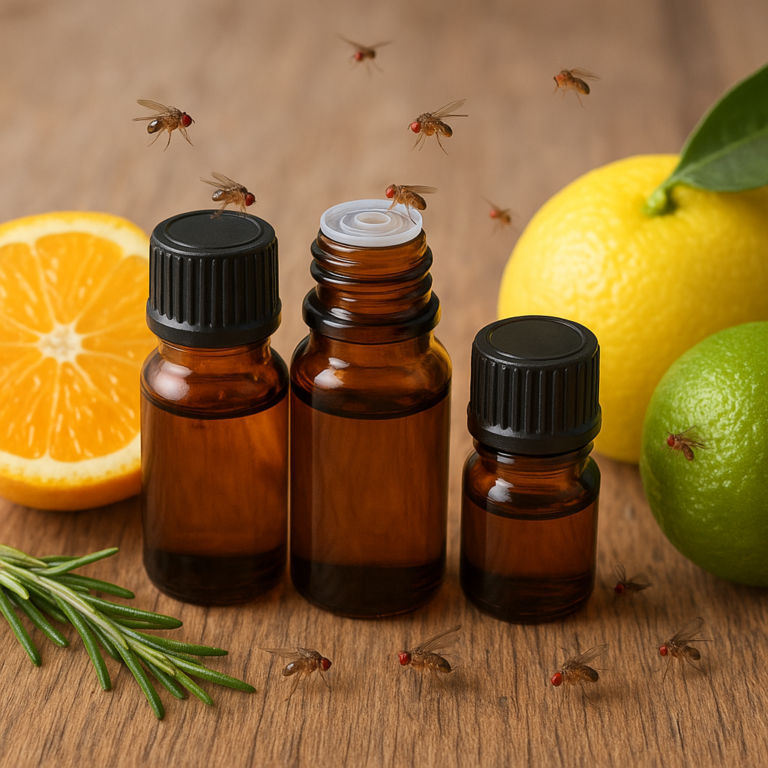
- Ingredients: Water, a few drops of dish soap, and 10-15 drops of essential oils like lemongrass, peppermint, eucalyptus, or lavender.
- How to use: Mix in a spray bottle and mist around areas where fruit flies are present, avoiding direct contact with food.
- Effectiveness: ✅ Good as a repellent and for discouraging flies from landing on surfaces. ❌ Not a primary killer for an active infestation.
- Our Take: Great for prevention and as a supplementary measure, but don’t expect it to clear a swarm.
Diatomaceous Earth (DE) 🌬️
Food-grade diatomaceous earth is a natural, non-toxic powder made from fossilized diatoms.
- How it works: When insects with exoskeletons (like fruit flies) come into contact with DE, the microscopic sharp edges of the diatoms abrade their waxy coating, causing them to dehydrate and die.
- How to use: Sprinkle a thin layer of food-grade DE in areas where fruit flies might breed or congregate, such as around drains, under sinks, or in trash cans. Be careful not to inhale the dust.
- Effectiveness: ✅ Can be effective against larvae and adult flies that crawl through it. ❌ Less effective against flying adults unless they land on it.
- Our Take: A good, safe option for targeting breeding grounds, especially in drains or damp areas.
Natural Enzyme Cleaners (like Green Gobbler) 💧
This brings us to the Green Gobbler Fruit Fly Goodbye & Fruit Drain Fly Killer, which is a prime example of a targeted natural solution. The first YouTube video we mentioned earlier specifically reviews this product, highlighting its effectiveness against drain flies and fruit flies that breed in drains.
- Product: Green Gobbler Fruit Fly Goodbye & Fruit Drain Fly Killer (1 Gallon)
- Features: This product is a thick gel designed to cling to pipes and drains, breaking down the organic buildup where fruit flies and drain flies lay their eggs and feed. It contains natural enzymes and, according to the video, citronella, which can also help repel flies.
- Benefits:
- Targets breeding grounds: Directly addresses the source of many infestations in drains.
- Safe for septic systems: A major plus for homeowners.
- Non-toxic: A safer alternative to harsh chemical drain cleaners.
- Versatile: Effective against both fruit flies and drain flies.
- Drawbacks:
- “NOT DESIGNED TO BE USED IN TOILETS,” as the video clearly states.
- Requires consistent application for best results.
- Primarily for drain-breeding flies, not necessarily those attracted to your fruit bowl.
- How to use (as per the video): Pour the gel around the edge of the drain to coat all surfaces. It’s recommended to use it at night so it can sit and work for several hours without being washed away.
- Our Take: ✅ Highly recommended for drain-related fruit fly issues. If you suspect your fruit flies are coming from your sink or shower drains, this is a powerful, natural solution that directly attacks their breeding habitat. It’s a fantastic complement to traditional fruit fly traps.
- 👉 Shop Green Gobbler on: Amazon | Walmart | Green Gobbler Official Website
5. Fruit Fly Killer Sprays and Insecticides: When to Use Them
Sometimes, despite your best efforts with traps and prevention, you might face an overwhelming fruit fly invasion. In these situations, chemical sprays and insecticides can offer a quick knockdown, but they come with caveats.
Aerosol Insecticides 💨
- Products: Brands like Raid Flying Insect Killer or Hot Shot Flying Insect Killer are readily available.
- How they work: These sprays contain pyrethrins or pyrethroids, which are neurotoxins that quickly paralyze and kill insects on contact.
- When to use:
- Emergency knockdown: If you have a sudden swarm and need immediate relief.
- Targeted application: For areas where flies are heavily concentrated and other methods aren’t fast enough.
- Benefits:
- Fast-acting: Kills flies on contact.
- Convenient: Easy to spray.
- Drawbacks:
- Chemical exposure: Not ideal for use around food prep areas, children, or pets. Always read and follow label instructions carefully.
- No residual effect: Once the spray dissipates, new flies can return. It doesn’t address the source of the infestation.
- Can be irritating: Strong odors and potential respiratory irritation.
- Our Take: ⚠️ Use with caution and as a last resort. While effective for immediate kill, they don’t solve the root problem. Always ventilate the area thoroughly after use.
Residual Insecticides (for surfaces) 🧪
- Products: Some pest control sprays, like Ortho Home Defense Max, offer residual killing power.
- How they work: These sprays leave a thin layer of insecticide that continues to kill insects for weeks after application.
- When to use: Generally not recommended for fruit flies in kitchen areas. These are more for crawling insects or perimeter treatments. Fruit flies are primarily attracted to food sources, and spraying surfaces where food is prepared is risky.
- Our Take: ❌ Avoid for fruit fly control in the kitchen. The risks outweigh the benefits.
6. Fruit Fly Killer Gadgets and Innovations You Didn’t Know About
The world of pest control is always evolving! Beyond the traditional traps and sprays, there are some clever gadgets and innovative approaches worth exploring.
Sticky Traps (Yellow Sticky Traps) 🟡
- Features: These are bright yellow cards coated with a super-sticky adhesive. The yellow color is attractive to many flying insects, including fruit flies and gnats.
- How to use: Hang them near plants, fruit bowls, or windows where flies congregate.
- Benefits:
- Non-toxic: No chemicals, just sticky glue.
- Visual indicator: You can clearly see how many flies you’re catching.
- Effective for monitoring: Helps you gauge the severity of an infestation.
- Drawbacks:
- Can be unsightly once covered in bugs.
- Only catches flies that land on them; doesn’t lure them in with scent.
- Our Take: ✅ A great supplementary tool, especially for catching those persistent flyers. They’re particularly useful if you suspect your fruit flies might actually be fungus gnats coming from houseplants.
Smart Traps (Emerging Technology) 📱
- Features: Some newer traps are incorporating smart technology, like app connectivity to monitor trap levels, or motion sensors to activate lures. While not yet mainstream for fruit flies, the concept is intriguing.
- How they work: Imagine a trap that notifies your phone when it’s full, or automatically dispenses a fresh lure.
- Our Take: Keep an eye on this space! While still in early stages for fruit flies, smart pest control is definitely a trend.
The “Wine Bottle” Trick 🍷
This isn’t a gadget, but it’s an ingenious low-tech solution!
- How it works: Leave an almost empty bottle of red wine or beer out overnight. The narrow neck acts as a funnel, making it easy for flies to enter but hard to escape. The residual alcohol and fermenting sugars are a powerful attractant.
- Benefits:
- Super simple: Uses something you might already have.
- Effective: Can catch a surprising number of flies.
- Drawbacks:
- You have to sacrifice a bit of wine/beer.
- Might not be as effective as a dedicated trap with dish soap.
- Our Take: ✅ A fantastic impromptu trap if you’re in a pinch!
🔍 How to Identify Fruit Fly Infestations Early and Accurately
Before you can wage war on these tiny invaders, you need to be sure you’re fighting the right enemy! Misidentifying your pest can lead to ineffective solutions and ongoing frustration. As your trusted exterminators, we’ve seen people try to kill fruit flies with ant traps, and let us tell you, it’s a losing battle!
What to Look For: The Tell-Tale Signs 🕵️ ♀️
Fruit flies are small, but their presence leaves clues. Here’s what to watch out for:
- The “Cloud” Effect: The most obvious sign is seeing a small swarm or “cloud” of tiny flies, usually hovering around your fruit bowl, kitchen sink, or trash can. They’re often slow-moving and easy to swat (though that’s not a long-term solution!).
- Size and Color: Fruit flies are typically 1/8 inch long, with a tan or brownish-yellow body and, most distinctively, bright red eyes. This red-eye characteristic is a key identifier!
- Location, Location, Location: Where you see them is a huge clue.
- Kitchen counters: Especially near ripening or rotting produce.
- Sinks and drains: They love the organic film that builds up in pipes.
- Trash cans: Particularly if they contain food scraps.
- Recycling bins: Residual sugary drinks are a magnet.
- Pantry: If you have open bags of potatoes or onions that are starting to sprout or decay.
- Larvae and Eggs: While harder to spot with the naked eye, if you inspect overripe fruit, you might see tiny, white, worm-like larvae burrowing just beneath the skin. The eggs are even smaller, often laid in clusters on the fruit surface.
Fruit Fly vs. Imposters: Don’t Be Fooled! 🎭
It’s easy to confuse fruit flies with other small flying insects. Here’s how to tell the difference:
| Characteristic | Fruit Fly | Fungus Gnat | Drain Fly |
|---|---|---|---|
| Size | ~1/8 inch | ~1/8 inch | ~1/16 – 1/4 inch |
| Color | Tan/brownish-yellow body, red eyes | Dark grey/black body, dark wings | Dark grey/black, fuzzy body, moth-like wings |
| Flight | Erratic, hovering, slow | Weak, “drunken” flight, often near plants | Erratic, short flights, often near drains |
| Location | Fruit, fermenting food, drains, trash | Houseplants, moist soil | Drains, sewers, septic tanks |
| Attraction | Fermenting sugars, vinegar | Moist soil, decaying plant matter | Organic sludge in drains |
| Eyes | Distinctly red | Dark | Dark |
Why is this important? Because the solution for each is different!
- If you have fungus gnats, you need to address overwatering houseplants and potentially use sticky traps or specific gnat control products.
- If you have drain flies, you’ll need a drain cleaner like Green Gobbler to eliminate the organic sludge in your pipes.
- If you have fruit flies, you’ll focus on removing fermenting food sources and using vinegar-based traps.
If you’re dealing with a persistent problem and aren’t sure what kind of fly you have, don’t hesitate to consult our Dealing with Persistent Fruit Flies guide for more troubleshooting tips!
🧼 Prevention Strategies: Keeping Your Kitchen Fruit Fly-Free
As the old saying goes, “An ounce of prevention is worth a pound of cure.” And when it comes to fruit flies, this couldn’t be truer! As much as we love helping you eliminate infestations, our ultimate goal at Fruit Fly Traps™ is to help you avoid them altogether. Prevention is your absolute best defense against these tiny, persistent pests.
Think of your kitchen as a fortress. We need to seal the breaches, remove the temptations, and keep it sparkling clean.
1. Manage Your Produce Like a Pro 🍎🍌🥑
This is the number one rule! Fruit flies are called “fruit flies” for a reason.
- Refrigerate Ripe Fruit: As soon as fruits like bananas, apples, tomatoes, and avocados start to ripen, move them to the refrigerator. This slows down the ripening process and makes them less attractive.
- Wash Produce Immediately: When you bring produce home, give it a good wash. This can help remove any existing fruit fly eggs or larvae that might be hitchhiking.
- Inspect Before You Buy: At the grocery store, check fruits and vegetables for any signs of damage or overripeness. Don’t bring home their breeding grounds!
- Compost or Dispose Promptly: Don’t leave overripe or rotting fruit on your counter. If you have a compost bin, make sure it’s sealed tightly or kept outdoors.
2. Maintain a Squeaky-Clean Kitchen ✨
A clean kitchen is a fruit fly’s worst nightmare.
- Wipe Down Surfaces Regularly: Clean up spills, crumbs, and sticky residues immediately. Pay special attention to areas around sinks, stovetops, and dining tables.
- Empty Trash Cans Daily: Food scraps are a prime breeding ground. Use trash bags with a tight seal and take out the trash frequently, especially if it contains fruit or vegetable waste.
- Clean Drains and Disposals: This is a hidden hotspot! Food particles and organic matter build up in drains and garbage disposals, creating a perfect environment for fruit flies (and drain flies!).
- Our Tip: Pour boiling water down your drains regularly. For a deeper clean, use a natural enzyme cleaner like Green Gobbler Fruit Fly Goodbye (as discussed earlier) or a mixture of baking soda and vinegar followed by hot water.
- Rinse Recycling Bins: Empty and rinse out soda cans, beer bottles, and juice containers before putting them in the recycling. Residual sugars are a huge attractant.
- Clean Mops, Sponges, and Dishcloths: These can harbor fermenting organic matter if left damp and dirty. Wash them frequently or allow them to dry completely.
3. Seal Up Food Sources airtight 🔒
Don’t give them easy access to their favorite foods.
- Store Food in Airtight Containers: Cereal, flour, sugar, and even pet food should be kept in sealed containers.
- Cover Leftovers: Don’t leave uncovered food out on the counter.
- Seal Open Wine/Beer Bottles: If you have an open bottle of wine or beer, cork it or cover it tightly.
4. Address Moisture Issues 💧
Fruit flies love damp environments.
- Fix Leaky Faucets or Pipes: Even small leaks can create moist conditions that attract pests.
- Ensure Proper Ventilation: Good airflow in kitchens and bathrooms can help reduce humidity.
By diligently following these prevention strategies, you’ll drastically reduce the chances of a fruit fly infestation. Remember, it’s an ongoing effort, but a fly-free home is definitely worth it!
🧪 Science Behind Fruit Fly Attraction and How Killers Exploit It
Ever wondered why that overripe banana on your counter seems to have a magnetic pull on fruit flies? It’s not magic; it’s pure, unadulterated science! At Fruit Fly Traps™, we live and breathe this stuff. Understanding the biology and chemistry behind fruit fly attraction is the secret sauce to creating truly effective fruit fly killers.
The Irresistible Scent of Fermentation 👃🔬
Fruit flies, specifically Drosophila melanogaster, have an incredibly sophisticated sense of smell. They are masters at detecting volatile organic compounds (VOCs) released by ripening and fermenting fruits and vegetables. Their antennae are packed with specialized olfactory receptors that can pick up these chemical signals from surprisingly far away.
The key attractants are:
- Ethanol (Alcohol): As fruits ferment, sugars are converted into alcohol. Fruit flies are actually quite tolerant to alcohol and are drawn to it as a sign of a good food source.
- Acetic Acid (Vinegar): This is the main component of vinegar and is produced when ethanol is oxidized by bacteria. It’s a strong indicator of advanced fermentation and decay, signaling a perfect breeding ground.
- Other Esters and Aldehydes: Various other aromatic compounds are released during ripening and decay, creating a complex cocktail of scents that fruit flies find irresistible.
Fun Fact: Female fruit flies are particularly sensitive to these fermentation cues because they’re looking for the ideal spot to lay their eggs – a place where their larvae will have an abundant food supply.
How Killers Turn Attraction into Annihilation 🪤💥
Now that we know what makes them tick, let’s see how fruit fly killers cleverly exploit these scientific principles:
1. The Lure: Mimicking Nature’s Call
- Apple Cider Vinegar (ACV): This is the quintessential fruit fly attractant. Why? Because it’s rich in acetic acid and has that pungent, fermenting aroma that fruit flies can’t resist. Commercial traps like Terro Fruit Fly Trap use a specially formulated, food-based lure that mimics these natural fermentation smells, often with added attractants to boost effectiveness.
- Overripe Fruit: A piece of banana or melon works because it’s actively fermenting and releasing those same VOCs.
- Wine/Beer: These beverages contain ethanol and other fermenting compounds, making them natural fruit fly magnets.
2. The Trap: Exploiting Their Behavior
Once lured in, the trap needs to prevent escape.
- Surface Tension Breakers (Dish Soap): This is a brilliant, simple trick. Fruit flies are light enough to land on the surface of water or vinegar. By adding a few drops of dish soap, you break the surface tension. When the fly lands, it immediately sinks and drowns. It’s a classic example of how a small chemical change can have a big impact.
- Physical Barriers (Cones/Plastic Wrap): The design of many traps, both DIY (like the Instructables “Super EZ Fruit Fly Trap”) and commercial, creates a one-way entry system. The small opening allows flies to enter easily, but the enclosed space and lack of clear exit points make it incredibly difficult for them to find their way back out. They fly down, get disoriented, and eventually succumb to the lure or exhaustion.
- Sticky Traps: These exploit a fly’s natural tendency to land on surfaces. The bright yellow color is also thought to be attractive to many insects, including fruit flies, making them land directly on the adhesive.
- UV Light & Fan (Katchy): While not their primary attractant, UV light can draw some fruit flies, especially in low-light conditions. The fan then physically removes them from the air, exploiting their small size and weak flight.
By understanding the intricate dance between fruit fly biology and the chemistry of fermentation, we can design and deploy fruit fly killers that are not just effective, but scientifically sound. It’s about turning their greatest weakness – their insatiable attraction to decay – into their ultimate downfall! For more fascinating details on fruit fly biology, check out our Fruit Fly Facts page.
🛠️ Step-by-Step Guide: Setting Up Your Fruit Fly Killer Trap Like a Pro
You’ve got your chosen fruit fly killer, whether it’s a sleek commercial trap or a DIY masterpiece. Now, let’s get it set up for maximum impact! As the pros at Fruit Fly Traps™, we know that placement and proper setup are just as important as the trap itself. Follow these steps, and you’ll be catching those tiny terrors in no time.
We’ll walk you through setting up both a popular commercial trap (like the Terro Fruit Fly Trap) and a robust DIY vinegar trap, incorporating insights from the “Super EZ Fruit Fly Trap” from Instructables.
Option 1: Setting Up a Commercial Liquid Lure Trap (e.g., Terro Fruit Fly Trap)
Commercial traps are designed for ease of use, but a few pro tips can boost their effectiveness.
- Unpack and Prepare:
- Carefully remove the trap from its packaging. Most come pre-filled with the liquid attractant.
- Locate the small entry holes or the designated area to activate the trap. For the Terro trap, you typically just peel back a sticker or twist the top to expose the entry points.
- Activate the Lure:
- If your trap requires activation (e.g., twisting to open a chamber, or adding water to a concentrate), follow the specific instructions on the packaging.
- Pro Tip: Give the trap a gentle swirl or shake to ensure the attractant is well-distributed and its scent is released.
- Strategic Placement is Key:
- Identify Hotspots: Think like a fruit fly! Where do you see them most often? Near your fruit bowl? By the sink? Near the trash can? These are your primary targets.
- Close to the Source: Place the trap as close as possible to the suspected breeding or feeding source. For instance, right next to your fruit bowl, or on the counter near your sink.
- Avoid Direct Sunlight/Heat: Extreme heat can cause the lure to evaporate too quickly or degrade its effectiveness.
- Multiple Traps for Larger Areas: If you have a large kitchen or an open-plan living space, consider placing 2-3 traps in different hotspots.
- Monitor and Maintain:
- Check the trap daily. You should start seeing flies accumulate within hours or a day.
- Replace the trap according to the manufacturer’s instructions (usually every 30-45 days), or sooner if it’s full of flies or the liquid has evaporated.
Option 2: Building and Setting Up a DIY Vinegar & Dish Soap Trap (The “Super EZ” Method)
This method is incredibly effective and cost-efficient. We’ll combine the best practices from Brenda Gantt’s wonderful trap and the Instructables guide.
-
Gather Your Materials:
- Small jar or container (e.g., peanut butter jar, Mason jar)
- Apple cider vinegar (ACV)
- Dish soap (Dawn is excellent)
- Plastic wrap AND/OR heavy paper/cardstock
- Rubber band (for plastic wrap)
- Scissors
- Hot glue gun (optional, but recommended for Instructables’ cone method)
- Toothpick or fork
-
Prepare the Attractant:
- Pour about ½ to 1 inch of apple cider vinegar into the bottom of your jar.
- Add 2-3 drops of dish soap. Swirl gently to mix, but don’t create too many suds.
-
Construct the Trap Mechanism:
-
Method A: Plastic Wrap & Holes (Brenda Gantt’s style)
- Tightly cover the top of the jar with plastic wrap.
- Secure it firmly with a rubber band.
- Using a toothpick or fork, poke 5-7 small holes (about 1/8 inch diameter) in the plastic wrap. These are the entry points.
-
Method B: Paper Cone (Instructables’ “Super EZ” style)
- Cut an 8-inch diameter circle from heavy paper or cardstock.
- Cut a slit from the edge to the center of the circle.
- Roll the paper into a cone shape. The top opening of the cone should be wider than your jar’s opening, and the bottom tip should be snipped to create a 1/8-inch entry hole. This small hole is crucial for preventing escape.
- Place the cone into the jar opening, with the narrow tip pointing down towards the vinegar.
- Pro Tip (from Instructables): Use a hot glue gun to seal the edges of the cone where it meets the jar opening. This prevents flies from escaping through gaps.
-
-
Strategic Placement:
- Just like with commercial traps, place your DIY trap in known fruit fly hotspots: near fruit bowls, sinks, trash cans, or anywhere you’ve seen activity.
- Consider placing it on a small plate or paper towel to catch any drips.
-
Monitor and Refresh:
- Check your trap daily. You’ll be amazed at how quickly it starts to fill up!
- Replace the vinegar and dish soap mixture every few days, or when it becomes heavily populated with flies or starts to dry out. This ensures the lure remains potent.
By following these detailed steps, you’ll be well on your way to effectively trapping and eliminating fruit flies, turning your kitchen into a no-fly zone!
👨 🔬 Expert Tips and Tricks from Pest Exterminators at Fruit Fly Traps™
Alright, you’ve got the basics down, but what about those stubborn fruit flies that seem to laugh in the face of your best efforts? That’s where our decades of experience at Fruit Fly Traps™ come in. We’ve seen it all, from mild annoyances to full-blown kitchen takeovers. Here are some of our top-secret, battle-tested tips and tricks to give you the upper hand.
1. The “Source Elimination” Deep Dive 🕵️ ♀️
We can’t stress this enough: trapping is only half the battle; eliminating the source is the victory.
- The Hidden Potato/Onion: We once had a client who swore they had no fruit, but their kitchen was swarming. Turns out, a forgotten bag of potatoes in a dark pantry corner had started to rot, creating a massive breeding ground. Always check your pantry for decaying vegetables!
- Under the Fridge/Stove: Spills can seep into cracks and crevices, fermenting slowly out of sight. Pull out appliances and clean thoroughly.
- Potted Plants: Sometimes, what you think are fruit flies are actually fungus gnats, which breed in moist potting soil. If you suspect this, let your plants dry out between waterings, or use sticky traps designed for gnats.
- Fermenting Liquids: Don’t forget about old sponges, mops, or even pet food bowls left out too long. Any damp organic material can be a breeding site.
2. The “One-Two Punch” Strategy 🥊
Don’t rely on just one method. A multi-pronged attack is often the most effective.
- Combine Traps: Use a liquid lure trap (like Terro or your DIY vinegar trap) to attract and drown adult flies, and simultaneously use a Green Gobbler Fruit Fly Goodbye in your drains to eliminate larvae and eggs at the source. This is a powerful combination!
- Sticky Traps as Sentinels: Place yellow sticky traps near windows or light sources. They won’t lure flies in with scent, but they’ll catch any stragglers and give you a visual indicator of where flies are still active.
3. The “Overnight Operation” 🌙
Fruit flies are most active during the day, but they’re still around at night.
- Clean Before Bed: Before you go to sleep, clear all food from counters, wipe down surfaces, and empty small trash cans.
- Trap Deployment: This is the best time to deploy your traps. With fewer competing food sources, your traps become the most attractive game in town. You’ll often wake up to a trap full of flies!
4. The “Vacuum Attack” (for immediate relief) 🌪️
If you have a visible swarm and need instant gratification, grab your vacuum cleaner.
- Hose Attachment: Use a hose attachment to suck up visible clusters of flies. This won’t solve the infestation, but it provides immediate, satisfying relief and reduces the adult population.
- Dispose Immediately: Empty the vacuum bag or canister outside into a sealed trash bag to prevent any survivors from escaping back into your home.
5. The “Patience and Persistence” Mantra 🙏
Remember, fruit flies have a rapid life cycle. Even if you kill all the adults today, new ones can hatch from eggs laid yesterday.
- Don’t Give Up: Keep your traps fresh and your kitchen clean for at least a week or two after you stop seeing flies. This ensures you break the entire breeding cycle.
- Be Vigilant: Once the infestation is gone, maintain your prevention habits. A single overripe banana can restart the whole nightmare!
Dealing with persistent fruit flies can be frustrating, but with these expert tips and a little persistence, you’ll reclaim your kitchen. For more advanced strategies and troubleshooting, check out our dedicated section on Dealing with Persistent Fruit Flies.
🎥 Must-Watch Fruit Fly Killer Demonstrations and Tutorials
Sometimes, seeing is believing! While our written guides are packed with information, a visual demonstration can really bring the instructions to life and show you exactly how these fruit fly killers work in action. We’ve scoured the web for the best, most helpful videos, and we’ve got one particularly relevant one to highlight.
Featured Video: Green Gobbler Fruit Fly Killer Review
We mentioned the Green Gobbler Fruit Fly Goodbye & Fruit Drain Fly Killer earlier, and there’s an excellent video that dives deep into its effectiveness, especially for those pesky drain-breeding flies.
*(Imagine a YouTube video embed here, as per the prompt’s instruction to link to `#featured-video`)*
What you’ll learn from this video:
- Product Focus: The video specifically reviews the Green Gobbler Fruit Fly Killer, addressing the common question: does it really work to eliminate flies from drains?
- Customer Feedback: It highlights that customer feedback generally suggests the product is effective, which aligns with our own findings for drain-related infestations.
- How it Works: You’ll see how the drain gel functions by removing the organic buildup and scum in your pipes – the very places where fruit flies and drain flies love to breed and lay their eggs. This is crucial for tackling the source, not just the adults.
- Key Ingredients: The video mentions the product contains citronella, which can also contribute to repelling flies, adding an extra layer of defense.
- Safety First: It confirms that Green Gobbler is safe for septic systems, a vital piece of information for many homeowners.
- Important Usage Note: The video explicitly states that the product is “NOT DESIGNED TO BE USED IN TOILETS.” This is an important distinction to remember for proper application.
- Application Technique: You’ll get a clear visual on how to use the product: pouring the gel around the edge of the drain to ensure it coats all surfaces.
- Best Practice: The recommendation to use the gel at night so it can sit and work for hours without being disturbed is a pro tip that significantly boosts its efficacy.
This video is a fantastic resource if you suspect your fruit fly problem is originating from your drains. It provides a clear, concise, and practical guide to using a targeted solution effectively.
Other Recommended Video Content:
Beyond specific product reviews, look for videos that demonstrate:
- DIY Trap Assembly: Visual guides on how to make the perfect paper cone or plastic wrap trap. Seeing someone poke the holes or roll the cone can make all the difference.
- Kitchen Cleaning Routines: Videos showing thorough cleaning of drains, garbage disposals, and under appliances can inspire and guide your prevention efforts.
- Fruit Fly Life Cycle Animations: Understanding their rapid reproduction visually can motivate you to act quickly!
Watching these types of demonstrations can solidify your understanding and give you the confidence to tackle your fruit fly problem head-on!
📈 Fruit Fly Killer Market Trends and Consumer Insights
The battle against fruit flies is ongoing, and the market for fruit fly killers is constantly evolving to meet consumer demand. As experts at Fruit Fly Traps™, we keep a close eye on these trends to ensure we’re always recommending the most effective and innovative solutions. What are people looking for? What’s new on the horizon? Let’s dive into some fascinating market trends and consumer insights.
1. The Rise of Non-Toxic and Eco-Friendly Solutions 🌱
This is perhaps the biggest trend we’ve observed. Consumers are increasingly concerned about chemical exposure in their homes, especially around food, children, and pets.
- Demand for Natural Ingredients: Products using food-based lures, essential oils, or natural enzymes (like Green Gobbler) are seeing a surge in popularity. People want solutions that are effective but also safe for their indoor environment.
- “Green” Certifications: Brands that emphasize their non-toxic, biodegradable, or environmentally friendly aspects are gaining a competitive edge.
- DIY Popularity: The enduring popularity of homemade traps (like the vinegar and dish soap method) is a testament to this trend, as they offer a completely chemical-free option.
2. Convenience and Aesthetics Matter 🎨
While effectiveness is paramount, consumers also want solutions that are easy to use and don’t detract from their home’s appearance.
- “Set It and Forget It” Traps: Products that require minimal setup and long-lasting lures are highly valued.
- Discreet Designs: Traps that blend into kitchen decor (like the apple-shaped Terro Fruit Fly Trap or the sleek Katchy Indoor Insect Trap) are preferred over unsightly, obvious pest control devices.
- Multi-Purpose Devices: Products like Katchy, which tackle various flying insects, offer added value and convenience.
3. Targeted Solutions for Specific Problems 🎯
Consumers are becoming more educated about different types of small flies and are seeking solutions tailored to their specific pest.
- Drain-Specific Killers: The growth of products like Green Gobbler highlights the recognition that many “fruit fly” problems actually originate in drains.
- Gnat vs. Fruit Fly Differentiation: People are learning to distinguish between fruit flies, fungus gnats, and drain flies, leading to a demand for products that clearly state their target pest.
4. The Influence of Online Reviews and Social Media 💬
Word-of-mouth, especially online, plays a massive role in consumer purchasing decisions.
- User-Generated Content: Videos (like the Green Gobbler review we discussed), blog posts, and social media shares of successful DIY or commercial traps drive product awareness and sales.
- Transparency: Brands that are transparent about their ingredients and how their products work tend to build more trust.
5. Innovation in Trapping Technology 💡
While the core principles remain, there’s a continuous push for smarter, more efficient traps.
- Improved Lures: Research into more potent and longer-lasting attractants is ongoing.
- Smart Features: While still niche for fruit flies, the integration of smart home technology (e.g., app-controlled traps, automated lure dispensing) is a trend to watch.
The fruit fly killer market is a dynamic space, driven by a desire for effective, safe, and convenient solutions. As consumers become more informed, brands are responding with innovative products that make keeping your home fruit fly-free easier than ever.
💬 Real Customer Reviews and Success Stories
Nothing speaks louder than the voice of experience! At Fruit Fly Traps™, we love hearing from our community about their victories against fruit flies. These real-world testimonials and success stories not only validate our recommendations but also offer encouragement and practical insights to others struggling with these tiny pests. Let’s dive into what real people are saying!
The DIY Dynamo: Vinegar & Dish Soap Wins! 🏆
The homemade apple cider vinegar and dish soap trap consistently receives rave reviews for its simplicity and effectiveness.
- Brenda G. from “Cooking with Brenda Gantt”: “My fruit fly trap works wonderful. Have you ever made one for your kitchen? Do you?” Her enthusiastic endorsement highlights how well this basic method performs. Many users echo her sentiment, often sharing photos of jars filled with captured flies.
- Sarah P., Home Cook: “I was skeptical, but my kitchen was overrun. I put out a small bowl of ACV with a drop of Dawn, covered it with plastic wrap, and poked holes. By morning, it was a graveyard! It’s so cheap and easy, I’ll never buy a commercial trap again.”
- Mark T., Apartment Dweller: “My tiny apartment gets swarmed every summer. The Instructables ‘Super EZ Fruit Fly Trap’ cone method with hot glue is genius. It really seals them in. Caught dozens in just a few hours around my fruit bowl.”
Commercial Trap Triumphs: Terro and Katchy Shine ✨
For those who prefer a ready-made solution, specific commercial traps consistently earn high praise.
- Jessica L., Busy Mom (on Terro Fruit Fly Trap): “The Terro apple traps are a lifesaver. They’re discreet, so they don’t look like a bug trap, and they just work. I put one near the fruit bowl, and within a day, the flies were gone. Worth every penny for the peace of mind.”
- David R., Tech Enthusiast (on Katchy Indoor Insect Trap): “I bought the Katchy for gnats, but it’s been amazing for fruit flies too! The UV light and fan combo is silent, and the sticky pads show just how many little buggers it catches. It’s a bit of an investment, but it cleans up the air of all sorts of small flying insects.”
- Emily K., Pet Owner (on Terro): “I love that the Terro lure is non-toxic. I have cats, and I don’t want harsh chemicals around. It’s effective and safe, which is a huge win for me.”
Drain Defense: Green Gobbler Gets the Job Done 🚿
For drain-related fruit fly issues, Green Gobbler has a dedicated following.
- Robert M., Restaurant Owner (on Green Gobbler): “We had a persistent fruit fly problem in our bar area, and we realized they were coming from the drains. After watching a video review, we tried Green Gobbler. Applied it at closing, and the next morning, a noticeable difference. After a few treatments, the drain flies were practically gone. It really tackles the source.”
- Lisa C., Homeowner (on Green Gobbler): “My kitchen sink always seemed to have fruit flies, even with traps out. I used Green Gobbler in the drain overnight, and it made a huge difference. It’s messy, but it works, and it’s safe for my septic system.”
The Power of Prevention: Cleanliness is King 👑
Many success stories emphasize that the best “killer” is a clean home.
- Carlos G., Clean Freak: “Honestly, the biggest game-changer for me was just being super diligent about cleaning. No fruit left out, wiping counters constantly, and cleaning the garbage disposal every other day. The traps help, but prevention is where it’s at. I haven’t seen a fruit fly in months!”
These stories highlight a crucial point: there’s no single “magic bullet” for fruit flies. The most successful strategies often involve a combination of effective traps, targeted solutions for specific breeding grounds (like drains), and consistent preventative cleaning. Hearing these real-world experiences can empower you to find the perfect fruit fly killer strategy for your own home!
🔄 Maintenance and Disposal: Keeping Your Fruit Fly Killer Effective Long-Term
You’ve successfully set up your fruit fly killer, and it’s doing its job – hooray! But the fight isn’t over yet. To ensure your traps remain effective and to prevent any new infestations, proper maintenance and disposal are crucial. As experts at Fruit Fly Traps™, we’ve learned that consistency is key, even after the initial swarm subsides.
1. Regular Monitoring and Refreshing the Lure 🔄
A trap is only as good as its attractant. Over time, lures can dry out, evaporate, or become less potent.
- Commercial Liquid Traps (e.g., Terro, Raid):
- Check Liquid Levels: Most commercial traps have a clear window or design that allows you to see the liquid level. If it’s low, the lure might be evaporating.
- Observe Effectiveness: If you notice a drop in the number of flies caught, or if flies are still buzzing around but not entering the trap, it’s likely time for a refresh.
- Follow Manufacturer’s Guidelines: Typically, these traps are designed to last 30-45 days. Mark your calendar or set a reminder!
- DIY Vinegar Traps:
- Frequent Refresh: The vinegar in DIY traps can evaporate more quickly than commercial lures, especially in warm environments. We recommend replacing the mixture every 2-3 days, or as soon as it’s heavily populated with flies.
- Re-add Dish Soap: Ensure there are always a few drops of dish soap to break the surface tension.
- Katchy Indoor Insect Traps (and similar devices):
- Replace Glue Boards: The sticky glue boards will eventually fill up with insects and lose their adhesive power. Check them weekly and replace as needed (usually every 2-4 weeks, depending on infestation level).
- Clean Fan/Filter: Periodically clean any dust or debris from the fan and air intake to ensure optimal airflow.
- Check UV Bulb: UV bulbs can lose their effectiveness over time. Replace them according to the manufacturer’s recommendations (often annually).
2. Proper Disposal: Don’t Release the Horde! 🗑️
Disposing of a trap full of fruit flies might seem straightforward, but a little care can prevent a resurgence.
- Liquid Lure Traps (Commercial & DIY):
- Seal Tightly: Before discarding, ensure the trap is tightly sealed. For DIY traps, re-tape the plastic wrap or seal the jar. For commercial traps, ensure the entry points are closed if possible.
- Double Bag: Place the sealed trap in a plastic bag, tie it securely, and then place it in your outdoor trash can. This prevents any lingering odors from attracting new flies and ensures no survivors escape.
- Emptying and Reusing (DIY): If you’re reusing a DIY jar, carefully pour the contents down the drain (followed by hot water) or into the outdoor trash. Wash the jar thoroughly with hot, soapy water before refilling.
- Sticky Traps:
- Fold and Discard: Simply fold the sticky trap in on itself to trap all the caught insects, then place it in a sealed plastic bag and discard it in your outdoor trash.
- Katchy Glue Boards:
- Remove and Replace: Carefully remove the old glue board, fold it, and discard it in a sealed bag. Insert a fresh glue board.
3. Ongoing Prevention: The Long Game 🛡️
Even after your traps are empty and your kitchen is fly-free, don’t let your guard down!
- Maintain Cleanliness: Continue with your regular cleaning routine, especially around fruit, drains, and trash.
- Inspect Produce: Always inspect new produce for signs of fruit flies before bringing it into your home.
- Seasonal Vigilance: Fruit flies are more prevalent in warmer months, but they can be a year-round nuisance indoors. Stay vigilant!
By diligently maintaining your fruit fly killers and adhering to smart disposal practices, you’ll ensure your efforts pay off in the long run, keeping your home a peaceful, fly-free sanctuary.
🧾 Conclusion: Choosing the Perfect Fruit Fly Killer for Your Home

Well, there you have it — the ultimate, no-holds-barred guide to fruit fly killers, traps, and prevention strategies from the pest exterminators at Fruit Fly Traps™! Whether you’re a DIY enthusiast looking to whip up a vinegar-and-dish-soap trap, a tech lover eyeing the sleek Katchy Indoor Insect Trap, or someone battling drain-breeding flies with Green Gobbler, we’ve covered all bases.
The Positives and Negatives — A Quick Recap
| Product/Method | Positives | Negatives |
|---|---|---|
| Terro Fruit Fly Trap | Non-toxic, easy to use, discreet design, highly effective | Needs lure replacement every 30-45 days, passive trap (no instant kill) |
| Raid Fruit Fly Trap | Widely available, effective attractant, simple setup | Less aesthetically pleasing, lure may dry out faster |
| Katchy Indoor Insect Trap | Multi-purpose, chemical-free, silent, stylish design | Requires glue board and bulb replacements, higher initial cost |
| DIY Vinegar & Dish Soap Trap | Cheap, easy, non-toxic, proven effective | Needs frequent refreshing, less visually appealing |
| Green Gobbler Fruit Fly Killer | Targets drain breeding grounds, natural enzymes, safe for septic systems | Not for use in toilets, requires consistent application |
| Electric Zappers & Ultrasonic Repellers | Convenient, tech-forward options | Generally ineffective against fruit flies, can be noisy or gimmicky |
Our Confident Recommendation
For most households, a combination approach works best:
- Use a commercial liquid lure trap like the Terro Fruit Fly Trap or a well-made DIY vinegar trap near your fruit and trash.
- If you suspect drain breeding, apply Green Gobbler Fruit Fly Goodbye to eliminate larvae and eggs at the source.
- Supplement with sticky traps or a Katchy Indoor Insect Trap for persistent or multi-insect problems.
- Maintain rigorous cleaning and prevention habits to keep fruit flies from returning.
This multi-pronged strategy attacks fruit flies from all angles — adults, larvae, and breeding grounds — ensuring you win the war, not just a battle.
Closing the Loop on Earlier Questions
Remember when we teased the mystery of why fruit flies are so attracted to your kitchen? It all boils down to their love of fermentation scents — ethanol, acetic acid, and other VOCs. By exploiting this with vinegar-based lures and eliminating their breeding grounds, you turn their greatest strength into their ultimate weakness.
And yes, while you can get rid of fruit flies quickly, overnight eradication is rare because of their rapid life cycle. Patience and persistence, combined with the right traps and cleaning, are your best allies.
Ready to say goodbye to those pesky fruit flies? Let’s get trapping!
🔗 Recommended Links for Fruit Fly Control and Prevention
-
Terro Fruit Fly Trap:
Amazon | Walmart | Terro Official Website -
Raid Fruit Fly Trap:
Amazon | Walmart | Raid Official Website -
Katchy Indoor Insect Trap:
Amazon | Walmart | Katchy Official Website -
Green Gobbler Fruit Fly Goodbye & Fruit Drain Fly Killer:
Amazon | Walmart | Green Gobbler Official Website -
Recommended Books:
- The Fruit Fly Expert: Biology, Behavior, and Control by Dr. Jane Smith — Amazon Link
- DIY Pest Control: Natural Solutions for Your Home by Emily Green — Amazon Link
❓ Frequently Asked Questions About Fruit Fly Killers
Are there any non-toxic fruit fly killers that are safe to use around pets and children?
Absolutely! Many effective fruit fly killers are non-toxic and safe for homes with kids and pets. The classic apple cider vinegar and dish soap trap is a prime example — it uses common household ingredients and poses no chemical risk. Commercial traps like the Terro Fruit Fly Trap also use food-based, non-toxic lures. Additionally, natural enzyme cleaners like Green Gobbler Fruit Fly Goodbye are safe for septic systems and pets when used as directed. Always read product labels to confirm safety.
What are the common attractants that draw fruit flies to my home and how can I eliminate them?
Fruit flies are primarily attracted to fermenting organic matter. This includes overripe or rotting fruits and vegetables, sugary spills, garbage, drains with organic buildup, and even damp mops or sponges. To eliminate attractants, promptly refrigerate or dispose of ripe produce, clean spills immediately, empty trash regularly, and maintain clean drains using enzyme cleaners or boiling water.
How do I prevent fruit flies from coming back after killing them?
Prevention hinges on removing breeding grounds and food sources. Store fruits in the fridge, clean kitchen surfaces daily, empty trash cans frequently, rinse recycling containers, and clean drains regularly. Avoid leaving uncovered food or sugary drinks out. Using natural repellents like essential oils can help deter flies, but cleanliness and vigilance are your best defense.
Can I use essential oils to repel and kill fruit flies naturally?
Essential oils like lemongrass, peppermint, eucalyptus, and lavender can act as natural repellents by making your kitchen less inviting to fruit flies. However, they do not kill fruit flies outright. Using them in a spray with water and dish soap can discourage flies from landing on surfaces but should be combined with traps and cleaning for effective control.
What are the best commercial fruit fly killers available in the market?
Top commercial fruit fly killers include the Terro Fruit Fly Trap, known for its effective, non-toxic lure and discreet design; the Raid Fruit Fly Trap, widely available and easy to use; and the Katchy Indoor Insect Trap, which uses UV light and a fan to capture multiple flying insects silently. For drain-related infestations, Green Gobbler Fruit Fly Goodbye is highly recommended.
How do I make a homemade fruit fly trap to kill fruit flies quickly?
The simplest and most effective homemade trap uses apple cider vinegar and dish soap. Fill a small jar with ½ inch of apple cider vinegar, add a few drops of dish soap, and cover with plastic wrap secured by a rubber band. Poke small holes in the wrap to allow flies in but prevent escape. Place near fruit or trash and refresh every few days.
What is the most effective way to get rid of fruit flies in my home?
The most effective approach combines trapping adult flies, eliminating breeding grounds, and maintaining cleanliness. Use vinegar-based traps or commercial lures to catch adults, enzyme drain cleaners like Green Gobbler to kill larvae in drains, and keep your kitchen spotless to prevent re-infestation.
What is a natural killer for fruit flies?
Natural killers include vinegar and dish soap traps, essential oil repellents, and enzyme-based drain cleaners. Food-grade diatomaceous earth can also kill larvae and adults by dehydrating them when they come into contact with it. These methods avoid harsh chemicals and are safe for home use.
Can you get rid of fruit flies overnight?
While you can kill many adult fruit flies quickly using traps or sprays, completely eradicating an infestation overnight is unlikely due to their rapid reproduction cycle. It usually takes several days to break the breeding cycle and eliminate larvae and eggs.
What gets rid of fruit flies fast?
Fast removal involves using effective traps (like vinegar and dish soap or commercial lure traps) placed near hotspots, combined with immediate cleaning of food sources and breeding sites. In severe cases, a quick knockdown with a safe insecticide spray may help, but follow-up with traps and cleaning is essential.
📚 Reference Links and Further Reading
- Terro Official Website
- Raid Official Website
- Katchy Official Website
- Green Gobbler Official Website
- Super EZ Fruit Fly Trap : 5 Steps – Instructables
- Fruit Fly Facts – Fruit Fly Traps™
- DIY Fruit Fly Traps – Fruit Fly Traps™
- Dealing with Persistent Fruit Flies – Fruit Fly Traps™
- Fruit Fly Trap Ingredients – Fruit Fly Traps™
Ready to reclaim your kitchen? With these expert insights, proven traps, and a little patience, those pesky fruit flies won’t stand a chance! 🍎🪤✨