Support our educational content for free when you purchase through links on our site. Learn more
How Long Does a Homemade Fruit Fly Trap Take? 🪰

A homemade fruit fly trap may catch its first flies within a few hours, but give it up to 24 hours to see whether it’s working. How long does it take for a homemade fruit fly trap to start working? The honest answer depends on the bait, placement, and whether your kitchen is offering the flies a more tempting snack.
We’ve seen a vinegar trap sit empty beside a bowl of ripe fruit, then start catching flies after the fruit was put away and the trap moved beside the sink. The trap wasn’t broken; it simply had competition. And even a fast catch won’t end the infestation unless you remove the spot where the flies are breeding.
Key Takeaways
- First catch: It may happen within hours; check the trap after 12–24 hours.
- Fewer flies: You may notice a drop within 1–2 days when you pair trapping with cleanup.
- Best simple setup: Try apple cider vinegar with a tiny drop of dish soap, or use a paper-funnel design to make escape harder.
- Remove the source: Clear overipe produce, food scraps, recycling residue, and other moist organic material.
- Stay the course: Keep cleaning and monitoring for several days; persistent activity may take longer if a breeding site remains hidden.
Table of Contents
- ⚡ Quick Tips and Facts
- 🪰 Homemade Fruit Fly Trap Timing: What to Expect
- How soon should you see fruit flies in the trap?
- When does a homemade trap reach its full effect?
- How long until the fruit flies are gone?
- 🍎 Why Fruit Flies Suddenly Apear in Your Kitchen
- Where fruit flies lay eggs and breed
- How temperature, food, and trap placement affect results
- 🧪 How Homemade Fruit Fly Traps Work
- The role of bait, scent, and trap design
- Why a trap catches adults but not eggs or larvae
- 🏆 The Best Homemade Fruit Fly Traps We Tested
- 1. Apple cider vinegar and dish soap trap
- 2. Vinegar and paper-funnel trap
- 3. Wine or beer bottle trap
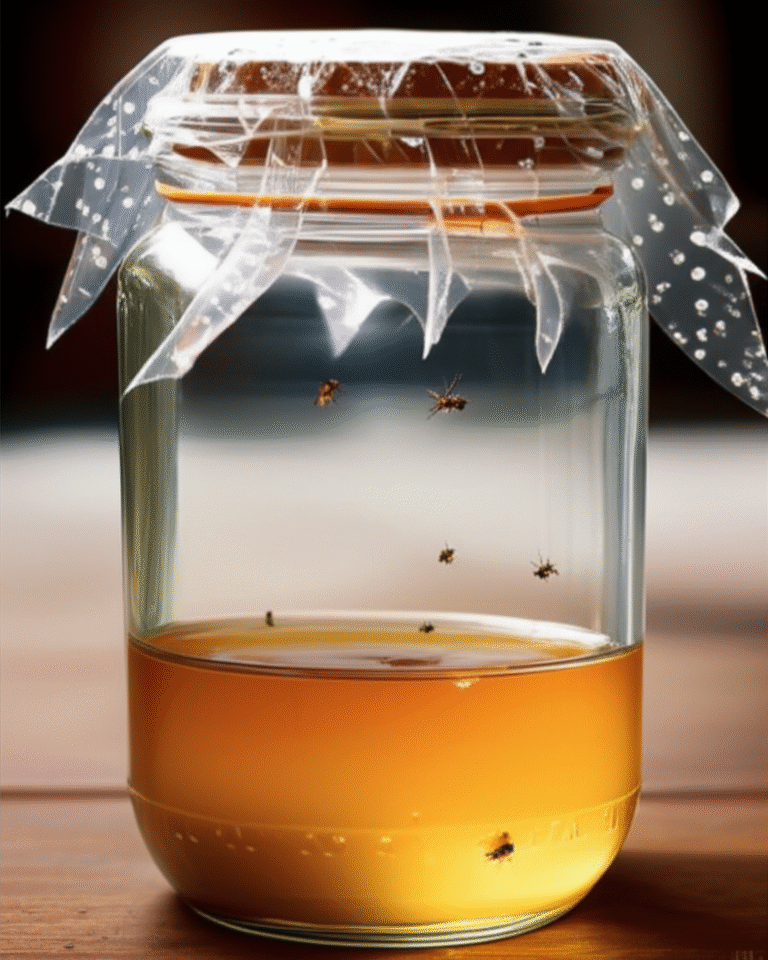
- 4. Overipe fruit and plastic-wrap trap
- 5. Yeast, sugar, and water trap
- Which DIY fruit fly trap works fastest?
- 🛠️ How to Make a Homemade Fruit Fly Trap Step by Step
- Choosing effective fruit fly bait
- Getting the trap opening and placement right
- How much bait to use and when to replace it
- 🧹 How to Get Rid of Fruit Flies Faster
- Remove breeding sources before setting traps
- Clean drains, garbage disposals, and recycling bins
- Pair traps with sanitation for better results
- ⏱️ How Long Does It Take to Eliminate a Fruit Fly Infestation?
- What affects the time it takes to clear an infestation?
- Why fruit flies may keep appearing after traps catch them
- 🔍 Is Your Homemade Fruit Fly Trap Not Working?
- Common DIY fruit fly trap mistakes
- How to tell fruit flies from drain flies or fungus gnats
- When to change the bait, location, or trap style
- 🛒 Store-Bought Fruit Fly Traps vs. Homemade Traps
- When a commercial fruit fly trap may be the better choice
- What to look for in a fruit fly trap
- 🛡️ How to Keep Fruit Flies from Coming Back
- Store produce and dispose of overipe fruit
- Keep kitchen drains, counters, and bins clean
- Prevent fruit flies around houseplants and groceries
- ✅ Safety Tips for Homemade Fruit Fly Traps
- Conclusion
- Recommended Links
- FAQ
- Reference Links
⚡ Quick Tips and Facts
The first catch may come quickly; getting rid of the whole infestation takes longer. Our practical answer: a well-placed homemade fruit fly trap may catch flies within a few hours, but give it up to 24 hours to judge whether it’s attracting them. You’ll often see fewer adults within a day or two if you also remove the source they’re breeding in. 🪰
For our step-by-step guide to choosing a setup, see what is the best homemade fruit fly trap?, and browse our DIY fruit fly trap guides.
| What you want to know | Practical answer |
|---|---|
| First possible catch | Within a few hours; sometimes sooner, sometimes not until the next day |
| When to assess the trap | Check it after 12–24 hours |
| When you may notice fewer flies | Often within 1–2 days, if you remove food and breeding sources |
| How long to keep trapping | Continue for several days; a stubborn infestation may need 1–2 weeks of source control and monitoring |
| Best-known simple bait | Apple cider vinegar with a tiny drop of dish soap |
| Most important companion step | Remove the fermenting food or other damp organic material where flies are breeding |
Those are useful working ranges, not a stopwatch guarantee. Trap design, bait freshness, airflow, room temperature, and competing food odors all affect results. BBC Good Food says a DIY trap can catch flies within minutes but may take up to 24 hours to show results; that’s compatible with the more cautious advice to wait through a full day before calling a setup ineffective. (BBC Good Food)
Quick action plan: ✅ Remove ripe fruit and food scraps. ✅ Set a trap close to where flies gather. ✅ Clean the area and inspect drains, bins, and recycling. ✅ Recheck tomorrow. For more identification and prevention tips, visit our fruit fly facts and best practices for fruit fly traps.
🪰 Homemade Fruit Fly Trap Timing: What to Expect
How soon should you see fruit flies in the trap?
If adult fruit flies are already active nearby, a trap may catch one within a few hours. But “started working” can mean two different things: the bait is attracting flies, or flies have actually landed in the trap. A trap can be doing the first before you see evidence of the second.
We recommend checking at these intervals:
| Time after setup | What you might see | What to do |
|---|---|---|
| First few hours | A fly investigates or enters; a catch is possible | Leave the trap undisturbed |
| 12–24 hours | First catch or a clearer sign the bait is attracting flies | Check placement and bait freshness |
| 1–2 days | Fewer adults around the main activity area, if sources are removed | Keep sanitation steps going |
| 3–7 days | A marked reduction may become apparent | Continue monitoring for new adults |
| Up to 1–2 weeks | Lingering adults or newly emerged flies may still appear | Search again for hidden breeding material |
This range reflects differences in the advice from consumer sources. BBC Good Food gives a possible window of minutes to 24 hours; Insectio describes catches beginning within 2–4 hours and a noticeable change by about a day. Neither timing means every home will behave exactly the same. Use 24 hours as a practical check-in, not a promise of a catch. (BBC Good Food; Insectio)
A trap that stays empty after one night isn’t automatically a dud. The flies may be feeding somewhere more appealing—or the insects may not be fruit flies. We’ll get to both of those troublemakers below.
When does a homemade trap reach its full effect?
A trap’s attraction is strongest when its bait is fresh and accessible, and when there aren’t better-smelling food sources nearby. It doesn’t “build up” power over time; rather, it catches susceptible adult flies that find it while the bait remains appealing. Refresh liquid bait when it dries, becomes dirty, or loses its fermented smell. For fruit-and-funnel traps, replace the fruit if it dries out or grows mold.
Our field rule is simple: evaluate the setup after a day, but evaluate the infestation after several days of cleanup and trapping. The distinction matters. A good trap can catch flies promptly while eggs and larvae remain untouched in a forgotten onion, recycling residue, or damp drain film.
How long until the fruit flies are gone?
You may see fewer adults in one or two days, but complete control can take longer. Adult traps do not remove eggs or larvae. The University of Minnesota Extension notes that fruit flies breed in moist, fermenting materials, so finding and eliminating the breeding source is central to control. (University of Minnesota Extension)
As a practical guide:
- Light activity: a few days may be enough after removing the source and trapping adults.
- Ongoing activity: keep traps and cleanup going for about a week.
- Persistent activity: inspect for hidden breeding sites and monitor for up to two weeks.
Insectio’s timeline allows up to two weeks because flies can continue emerging from eggs laid before cleanup. Bon Appétit also recommends maintaining a clean kitchen for at least a week. These aren’t conflicting estimates: a trap can start catching quickly, while the full life cycle and any missed breeding material take longer to resolve. (Insectio; Bon Appétit)
🍎 Why Fruit Flies Suddenly Apear in Your Kitchen
Where fruit flies lay eggs and breed
Fruit flies don’t need a fruit bowl to start a kitchen invasion. They can breed in small quantities of moist, fermenting organic matter, including:
- Overipe fruit and vegetables
- Sticky residue in bottles, cans, and recycling bins
- Food scraps in trash or compost containers
- Spills beneath appliances or inside cabinets
- Damp organic buildup in sink drains or garbage disposals
A trap catches adult flies; it doesn’t clean those locations or stop eggs from developing. The University of California Statewide Integrated Pest Management Program recommends eliminating breeding material as the key control step.
We once investigated a “mystery” kitchen swarm where the fruit bowl had been cleared for days. The culprit was a reusable grocery bag holding one forgotten, leaking potato. The trap nearby was catching adults, but the bag kept restocking the air force. If flies keep appearing, look beyond the obvious fruit bowl.
How temperature, food, and trap placement affect results
Warm conditions can speed insect development, while competing food odors can make a trap less tempting. Placement matters, too: a bait jar across the room from the source may be less useful than one beside the bin or sink where activity is concentrated.
| Factor | How it can affect results | Practical adjustment |
|---|---|---|
| Competing food | Flies may feed on easier-to-reach scraps instead | Remove exposed fruit and clean spills |
| Distance from activity | Flies may not encounter the trap readily | Put it near the sink, bin, or fruit bowl |
| Air movement | Fans or strong drafts can disperse bait odors | Choose a sheltered spot |
| Stale or dried bait | Attraction may decline | Refresh the bait or fruit |
| Warm, active breeding area | New adults may continue to emerge | Keep inspecting and cleaning the source |
Use multiple traps in separate hotspots when activity is spread around the kitchen. Just don’t line every countertop with vinegar cups and call it pest management: source removal is the part that prevents the next generation.
🧪 How Homemade Fruit Fly Traps Work
The role of bait, scent, and trap design
Most DIY traps combine two ideas: an odor that attracts adult flies and a design that makes escape difficult. Fermented fruit, apple cider vinegar, wine, or beer can provide a food-like scent. A paper funnel narows the exit; a drop of dish soap in a liquid bait reduces surface tension so flies that land on the liquid are more likely to sink.
That’s why an open vinegar bowl and a funnel trap can perform differently even with similar bait. The open bowl depends on flies contacting the liquid. A funnel jar gives them a small entrance and makes the route back out less straightforward.
Why a trap catches adults but not eggs or larvae
A homemade bait trap is an adult-capture tool, not a breeding-site treatment. Eggs and larvae remain wherever the flies laid them, so adults may continue appearing after the first batch is caught. This is the main reason “the trap is full, but there are still flies” can happen.
For a broader look at life cycles and identification, see our fruit fly facts and the UC IPM fruit fly guide. The fix is a two-part operation: capture adults and remove the material producing them.
🏆 The Best Homemade Fruit Fly Traps We Tested
For a deeper recipe comparison, see our guide to the best homemade fruit fly trap. Here’s how the main DIY options compare for speed, simplicity, and escape prevention.
| DIY trap | Likely first-catch window | Strength | Drawback |
|---|---|---|---|
| Apple cider vinegar + dish soap | A few hours to 24 hours | Fast, simple liquid bait | An open bowl may allow some flies to escape |
| Vinegar + paper funnel | A few hours to 24 hours | Entrance is easy; exit is harder | Funnel must fit securely |
| Wine or beer bottle | A few hours to a day | Uses a naturally attractive fermenting odor | Results depend on residue and bottle shape |
| Overipe fruit + plastic wrap | Hours to a day | Uses familiar fruit odor | Wrap holes can be too large or too small |
| Yeast, sugar, and water | Variable | Fermentation creates an odor | Less predictable and messier than vinegar |
These are practical expectations, not controlled laboratory rankings. The competing sources also disagree about one popular design: Bon Appétit reports that a vinegar-and-soap bowl “didn’t work at all” in its testing, while vinegar-and-soap remains a common DIY recommendation elsewhere. The most likely reason is that bait recipe alone doesn’t determine success: trap shape, fly activity, competing food, and setup all affect the result. For more on that distinction, Bon Appétit’s test is a useful counterpoint.
1. Apple cider vinegar and dish soap trap
Add a small amount of apple cider vinegar to a shallow cup and mix in one small drop of dish soap. The vinegar supplies the scent; soap helps break the liquid’s surface tension. Don’t add a big squirt—more soap is not automatically more effective, and it can overwhelm the bait odor.
Benefits: quick to assemble, easy to refresh, useful near a sink or fruit bowl.
Drawbacks: an open cup may be less reliable than a design that restricts escape; it can also be accidentally spilled.
2. Vinegar and paper-funnel trap
Pour a little vinegar or fruity bait into a jar, then place a paper funnel in the opening. Leave a small opening at the tip and make sure the paper doesn’t touch the bait. Flies can enter through the funnel but may struggle to find their way back out.
Bon Appétit’s preferred setup combines overipe fruit, fruity vinegar, and a paper funnel, reporting that it “consistently worked better than others” in its testing. That’s a useful practical recommendation, though not a guarantee for every kitchen. (Bon Appétit)
Benefits: escape-resistant design; easy to make from household materials.
Drawbacks: a funnel that is too wide, loose, or touching the bait can undermine the setup.
3. Wine or beer bottle trap
Leave a little wine or beer residue in the bottom of a narrow-neck bottle and set it near fly activity. The narrow opening can make exit difficult, and the fermented scent may attract fruit flies.
Benefits: reuses a bottle and needs little assembly.
Drawbacks: attraction varies, and an empty, rinsed bottle won’t offer the same bait odor. Keep it somewhere children and pets can’t knock it over.
4. Overipe fruit and plastic-wrap trap
Put a small piece of overipe fruit in a jar, cover it with plastic wrap, and make several tiny holes. Flies enter through the holes to reach the fruit and can have trouble escaping.
Benefits: the fruit smell can be compelling; simple materials.
Drawbacks: fruit can mold, and overly large holes make the trap less effective. Replace the bait promptly.
5. Yeast, sugar, and water trap
A mixture of water, sugar, and a little yeast can ferment and produce an odor. This is an option if you don’t have vinegar, but it may take time to develop and can be messier.
Benefits: uses common pantry ingredients.
Drawbacks: fermentation is variable, and sugary liquid can attract other pests or create sticky cleanup.
Which DIY fruit fly trap works fastest?
For a quick, low-effort test, start with fresh apple cider vinegar and one drop of dish soap, or use vinegar and overipe fruit with a paper funnel if you want to make escape harder. Place it beside the activity—not in the middle of a drafty room—and check after 12–24 hours.
If the first setup catches nothing, try a different trap design before assuming the bait is useless. In our experience, the biggest improvement often comes not from adding another ingredient, but from removing the fly’s competing snack.
🛠️ How to Make a Homemade Fruit Fly Trap Step by Step
Choosing effective fruit fly bait
Choose bait that smells like food fruit flies can find naturally: fermenting fruit, apple cider vinegar, or a small amount of wine or beer. Use a modest amount. The aim is to create an attractive scent inside a contained trap, not to add a new open buffet to the kitchen.
Good starting choices:
- Apple cider vinegar for a simple liquid trap
- A small piece of overipe banana or other soft fruit for a funnel trap
- A little wine or beer residue in a narrow-neck bottle
Getting the trap opening and placement right
- Choose a clean jar or cup. A clear container makes it easier to check for catches.
- Add fresh bait. Use enough to smell, but not so much that it reaches the funnel or plastic cover.
- Add the escape barrier. Use a paper funnel, or cover the jar with plastic wrap and make small holes.
- Set the trap near activity. Try the fruit bowl, sink, recycling, or compost area.
- Keep it stable and sheltered. Avoid fans, strong drafts, food-preparation surfaces, and places where children or pets might reach it.
- Check it the next day. If flies are nearby but the trap is empty, adjust its location or design.
Use a separate trap near each major hotspot rather than moving one back and forth. That lets you identify which locations are producing or attracting the flies.
How much bait to use and when to replace it
You only need a small amount of bait at the bottom of a jar or cup. Replace liquid when it dries, gets dirty, or loses its fermenting odor. Replace fruit if it dries, becomes heavily moldy, or is no longer contained cleanly.
Keep the trap out of reach of children and pets, and don’t place it where it could contaminate food or food-contact surfaces. For more practical setup advice, see our best practices for fruit fly traps.
🧹 How to Get Rid of Fruit Flies Faster
Remove breeding sources before setting traps
Start by removing ripe fruit, food waste, and spills. Check under appliances, inside cupboards, and around recycling or compost containers. Wash reusable bins and wipe sticky residue from bottles and cans.
BBC Good Food’s practical sequence is “Remove source → set trap → clean surfaces.” We’d follow it in that order too: the trap catches adults, but the cleanup stops the supply line. (BBC Good Food)
Clean drains, garbage disposals, and recycling bins
Remove visible food debris and clean the areas where organic material can collect. Scrub accessible drain surfaces and clean disposal splash guards according to the appliance manufacturer’s instructions. For persistent flies, inspect other damp, organic buildup instead of repeatedly pouring chemicals down the drain.
A drain is not automatically the source just because flies are near the sink. Confirm the likely breeding spot by checking for activity and residue; different small flies can look alike. See the UC IPM guide for identification and management information.
Pair traps with sanitation for better results
Use this simple daily routine for several days:
- Morning: empty kitchen waste and wipe counters.
- After meals: rinse or recycle cans and bottles; clean food spills.
- Evening: check traps and refresh them if bait has dried or become dirty.
- Throughout the week: keep fruit covered or refrigerated and inspect likely breeding sites.
The combination is more reliable than traps alone. If flies persist despite these steps, our persistent fruit fly troubleshooting can help you investigate less obvious sources.
⏱️ How Long Does It Take to Eliminate a Fruit Fly Infestation?
What affects the time it takes to clear an infestation?
The size of the infestation is only part of the story. Results also depend on whether you find the breeding material, whether the trap is near the activity, and whether food scraps keep competing with the bait.
| Situation | Likely experience |
|---|---|
| A few adults, source found quickly | Noticeable improvement in a few days |
| Several hotspots or missed food waste | Activity may continue for a week or longer |
| Eggs or larvae remain in a hidden source | New adults may appear after the first catches |
| Wrong insect identified | Fruit fly bait may have little effect |
The key variable isn’t the number of traps. It’s whether the breeding source is gone. If you’ve cleaned thoroughly and still see flies after several days, inspect for hidden produce, damp organic residue, or another fly species.
Why fruit flies may keep appearing after traps catch them
A successful trap can catch adult flies while immature stages remain elsewhere. New adults may emerge after the initial cleanup, making it seem as if the trap stopped working. Keep trapping and cleaning, and note whether new flies appear in one particular area.
A few new adults don’t necessarily mean the trap failed. But a steady stream suggests a missed breeding site. Check the compost pail, recycling, produce storage, mop head, and any forgotten food package. The University of Minnesota Extension’s guidance emphasizes removing the moist, fermenting material that supports breeding. (University of Minnesota Extension)
🔍 Is Your Homemade Fruit Fly Trap Not Working?
Common DIY fruit fly trap mistakes
Look for these frequent setup problems:
- Trap is too far from the flies: move it beside the hotspot.
- Bait is stale or dried out: replace it with fresh bait.
- Other food is more attractive: clear fruit, scraps, and sticky containers.
- Funnel opening is too large: make the entrance narrow and secure.
- Trap sits in a strong draft: move it away from a fan or open window.
- The insect isn’t a fruit fly: identify it before changing recipes.
A common misconception is that stronger bait always works better. It doesn’t. A clean, well-positioned trap and a source-free kitchen usually beat an elaborate recipe with six ingredients.
How to tell fruit flies from drain flies or fungus gnats
Fruit flies are often tan or brown and gather around ripening produce, food waste, or fermenting liquids. Drain flies are small, fuzzy, and moth-like; fungus gnats are slender and often appear around damp poting mix.
| Suspected pest | Where to look first | Why vinegar traps may disappoint |
|---|---|---|
| Fruit flies | Fruit, recycling, compost, food scraps | Usually worth trying a fruit-based bait trap |
| Drain flies | Slimy organic buildup in drains | Their breeding source needs targeted drain cleaning |
| Fungus gnats | Moist houseplant soil | Vinegar bait may not address the soil source |
If the insects cluster around plants rather than food, reduce excessive soil moisture and investigate the poting mix. For drain-associated insects, inspect and clean the drain rather than relying on a fruit bait. See UC IPM’s fruit fly information and our fruit fly facts.
When to change the bait, location, or trap style
If the trap is empty after 24 hours:
- Confirm that fruit flies—not another insect—are present.
- Replace dried or old bait.
- Move the trap directly beside the activity.
- Remove competing food sources.
- Try a funnel or covered design if you started with an open bowl.
Change one thing at a time when possible. Otherwise, you won’t know which adjustment helped. If you’ve cleaned and tested a couple of sensible setups without improvement, focus on identifying the insect and its breeding site.
🛒 Store-Bought Fruit Fly Traps vs. Homemade Traps
When a commercial fruit fly trap may be the better choice
A ready-made trap can be convenient if you want a sealed, tidy option or don’t want to make a funnel. Brands such as TERO sell fruit fly traps designed for indoor use; always follow the product label and keep traps away from children, pets, and food-preparation areas. (TERO official fruit fly products)
A commercial trap still won’t remove eggs or larvae in a breeding site. Convenience can improve the adult-catching step; it doesn’t replace sanitation. Browse our commercial fruit fly trap guides.
What to look for in a fruit fly trap
Compare traps by practical features rather than promises:
- Bait type: does it use a food-like attractant?
- Opening design: can flies enter, and is escape limited?
- Cleanup: is the trap easy to dispose of or refresh?
- Placement: does it fit near your actual hotspot?
- Safety: are label instructions clear for household use?
| Option | Best for | Limitation |
|---|---|---|
| DIY vinegar trap | Quick, inexpensive home test | Needs regular inspection and refreshing |
| DIY funnel jar | A simple escape-resistant setup | Requires careful assembly |
| TERO fruit fly trap | A ready-made indoor option | Still requires source removal |
| Other commercial traps | Convenience or specific placement needs | Performance varies by design and location |
The first YouTube video embedded above, “Store Bought vs DIY Fruit Fly Traps — What Actually Works?” by Eric Staveness, may help you compare a homemade setup with a commercial option. The video describes a household fly problem and a fly-stick test; it’s a useful perspective, but a fly stick is not the same kind of bait trap as a fruit fly vinegar jar.
🛡️ How to Keep Fruit Flies from Coming Back
Store produce and dispose of overipe fruit
Refrigerate ripe produce when appropriate, and discard damaged or overipe items promptly. Keep fruit covered or in a container if it needs to stay on the counter. Inspect grocery bags and produce containers before storing them—one bruised peach can be a tiny invitation with excellent timing.
Keep kitchen drains, counters, and bins clean
- Rinse cans and bottles before recycling.
- Empty food waste regularly.
- Wash and dry compost and trash containers.
- Wipe sticky counters and clean under small appliances.
- Remove food residue from sink and disposal areas.
Bon Appétit recommends taking out garbage more often, cleaning trash and compost bins, and maintaining a particularly clean kitchen for at least a week while dealing with fruit flies. (Bon Appétit)
Prevent fruit flies around houseplants and groceries
New produce can carry tiny eggs or larvae, so wash fruit before storing or eating it. If small flies cluster around houseplants, avoid keeping poting mix constantly wet and check whether the pest is a fungus gnat rather than a fruit fly. The right prevention depends on the insect: clean produce storage for fruit flies; moisture management for fungus gnats.
✅ Safety Tips for Homemade Fruit Fly Traps

Homemade traps use ordinary household ingredients, but placement still matters.
- Keep vinegar, wine, beer, and small bait containers away from children and pets.
- Don’t place open bait beside food, cutting boards, or clean dishes.
- Avoid mixing cleaning products; follow each product label.
- Don’t pour pesticides or unapproved chemicals into drains.
- Secure jars and bottles where they won’t tip or break.
- Dispose of spoiled bait promptly and wash your hands after handling it.
For commercial products, follow the label exactly. The U.S. Environmental Protection Agency advises consumers to use pesticides safely and according to label directions.