Support our educational content for free when you purchase through links on our site. Learn more
12 Scents That Keep Fruit Flies Away — Proven & Powerful! 🦟🚫 (2025)

If you’ve ever battled a swarm of fruit flies buzzing relentlessly around your kitchen, you know how maddening these tiny pests can be. But what if we told you that the secret to sending them packing lies in your spice rack, garden, or even your cleaning supplies? That’s right — certain scents naturally repel fruit flies, turning your home into a no-fly zone without harsh chemicals.
In this article, we’ll reveal 12 powerful scents that fruit flies absolutely hate, from minty peppermint to zesty lemongrass. Plus, we’ll share expert tips on how to deploy these aromas effectively and even how to use irresistible scents like apple cider vinegar to trap and eliminate them. Curious about which essential oils work best or how citrus peels can double as pest control? Stick around — your kitchen’s new best friends are just a sniff away!
Key Takeaways
- Peppermint, lavender, eucalyptus, and lemongrass essential oils are among the most effective natural fruit fly repellents.
- Apple cider vinegar is a top attractant used in traps to lure fruit flies away from your food.
- Fresh herbs like basil and mint and spices such as clove and cinnamon can also help keep fruit flies at bay.
- Combining repellent scents with sanitation and strategic trap placement is the best way to win the war against fruit flies.
- Avoid letting citrus peels rot, as they can switch from repelling to attracting fruit flies.
- For persistent infestations, professional-grade traps like those from Fruit Fly Traps™ offer superior results.
Ready to reclaim your kitchen? Let’s dive into the scents that will keep fruit flies far, far away!
Table of Contents
- ⚡️ Quick Tips and Facts: Your Fast Track to Fruit Fly Freedom!
- 🔍 Understanding the Tiny Invaders: Why Scents Matter to Fruit Flies
- 👃 The Great Repellent Reveal: Scents That Send Fruit Flies Packing!
- 1. Essential Oils: Nature’s Aromatic Force Field
- Peppermint Power: A Breath of Fresh Air (They Hate!)
- Lavender’s Lullaby: Sweet Dreams for You, Nightmare for Them
- Eucalyptus Elixir: Clearing the Air (of Pests!)
- Lemongrass Zing: A Citrusy Shield
- Clove’s Kick: A Spicy Deterrent
- Tea Tree Takedown: The Antiseptic Annihilator
- Geranium’s Guard: Floral Foe of Fruit Flies
- Rosemary’s Repel: Herbaceous Hero
- Basil’s Barrier: More Than Just Pesto!
- 2. Fresh Herbs: Your Garden’s Secret Weapon Against Fruit Flies
- 3. Citrus Scents: Zesty Zappers of Pests
- 4. Spices & Aromatics: Beyond the Spice Rack
- 5. White Vinegar: The Unsung Hero of Cleanliness (and Repulsion!)
- 6. Incense & Smoke: A Hazy Deterrent
- 1. Essential Oils: Nature’s Aromatic Force Field
- 🧪 The Bait Game: Scents That Lure Fruit Flies to Their Doom (Our Specialty!)
- 🛠️ Application Station: How to Deploy Your Scent Arsenal Effectively
- 🚫 Beyond Scents: A Holistic Battle Plan Against Fruit Flies
- ❌ Common Myths & Misconceptions About Fruit Fly Scents
- ⚠️ Safety First: Using Scents Responsibly
- 🏆 Expert Recommendations from Fruit Fly Traps™: Our Tried & True Arsenal
- ❓ When to Call the Pros: Beyond DIY Solutions
- 💡 Conclusion: Your Scent-sational Path to a Fruit Fly-Free Home
- 🔗 Recommended Links: Dive Deeper into Pest Control
- 🤔 FAQ: Your Most Pressing Fruit Fly Scent Questions Answered
- 📚 Reference Links: Our Sources & Further Reading
Here is the main body of the article, written by the expert team at “Fruit Fly Traps™”.
⚡️ Quick Tips and Facts: Your Fast Track to Fruit Fly Freedom!
Alright, let’s cut to the chase. You’ve got tiny, uninvited guests, and you want them gone—yesterday! Before we dive deep into the aromatic world of fruit fly warfare, here are the essential tidbits you need to know. We get a lot of questions about what smell do fruit flies hate?, and this is your cheat sheet!
| Quick Fact 📚 – Top Repellents: Peppermint, basil, lavender, eucalyptus, and lemongrass are fruit fly kryptonite. They can’t stand these strong, pleasant scents.
- Top Attractants (for traps!): Apple Cider Vinegar (ACV), beer, wine, and overripe fruit. These are your secret weapons for luring them to their doom.
- Life Cycle Speed: A female fruit fly can lay up to 500 eggs in her short life, and those eggs can hatch in as little as 24-48 hours. As The Home Depot notes, “Quick action at the first sight of fruit flies can curb the problem before an infestation gets out of control.”
- The Soap Trick: Adding a few drops of dish soap to your liquid traps is a non-negotiable, pro-level move. It breaks the surface tension, ensuring the flies can’t just land, sip, and leave.
- Cleanliness is Key: Fruit flies breed in decaying organic matter. This means your drains, garbage disposals, and damp sponges are potential nurseries. 😱
- Smoke ‘Em Out: According to Natty Naturals, fruit flies dislike smoke. “When they inhale the smoke, they die fairly quickly.” So, that incense you love might be doing double duty!
🔍 Understanding the Tiny Invaders: Why Scents Matter to Fruit Flies
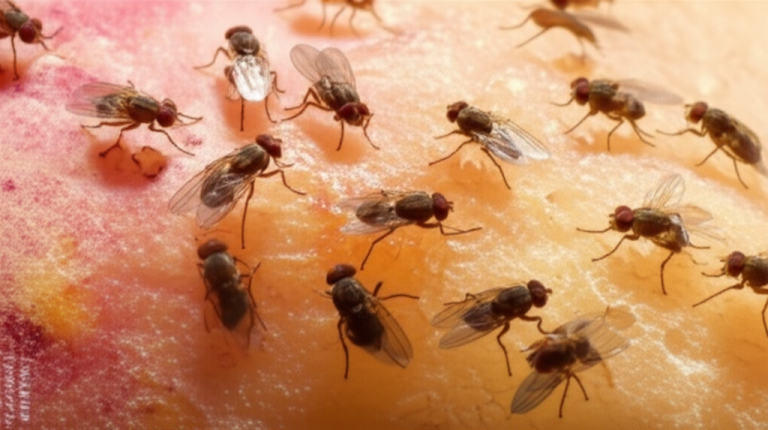
Ever feel like you’re being watched? You probably are… by a tiny, red-eyed menace hovering over your bananas. To defeat your enemy, you must understand your enemy. And when it comes to fruit flies, their entire world revolves around scent.
The Fruit Fly’s Sense of Smell: A Superpower for Survival (and Annoyance!)
Imagine your nose was a million times more powerful. You could smell a ripe strawberry from three rooms away. That’s the life of a fruit fly (Drosophila melanogaster). Their antennae are covered in sophisticated receptors, constantly scanning the air for one thing: fermentation.
They are hard-wired to detect the gasses, like acetic acid, produced by yeast as it breaks down sugars in ripening or rotting fruit. This is a crucial part of our Fruit Fly Facts. This “superpower” leads them directly to their ideal food source and a perfect place to lay those hundreds of eggs. It’s a survival mechanism for them, but a massive headache for you.
Why They Love Your Kitchen (and How to Break Up the Romance)
Your kitchen is a fruit fly’s version of a five-star resort.
- The All-You-Can-Eat Buffet: That fruit bowl on your counter? A fragrant beacon.
- The Open Bar: Spills of juice, a sticky spot of soda, or the dregs in a wine or beer bottle are irresistible invitations.
- The Spa & Nursery: The gunk in your sink drain or garbage disposal? A moist, organic paradise for laying eggs.
The romance is real, but it’s time for a breakup. The key is to make your kitchen a “scent-free zone” for the things they love and a “scent-full zone” for the things they hate. This two-pronged attack—repelling them with scents they despise while luring them into traps with scents they can’t resist—is the cornerstone of our philosophy at Fruit Fly Traps™.
👃 The Great Repellent Reveal: Scents That Send Fruit Flies Packing!
Ready to turn your home into a no-fly zone? It’s time to fight fragrance with fragrance. While they might love the smell of your forgotten apple core, they absolutely detest strong, herbaceous, and minty aromas. Let’s weaponize your spice rack and garden!
1. Essential Oils: Nature’s Aromatic Force Field
Essential oils are the heavy artillery in our scent-based arsenal. They are concentrated plant extracts, and their potent aromas overwhelm the delicate senses of fruit flies. As one expert at Natty Naturals puts it, “They can’t stand the smell.”
How to Use Them:
- Diffusers: An essential oil diffuser is a great way to continuously release repellent scents into the air.
- Cotton Balls: Add a few drops to cotton balls and tuck them into corners, near trash cans, or by the fruit bowl.
- DIY Spray: Mix 10-15 drops of oil with a cup of water and a splash of witch hazel in a spray bottle. Shake well and spritz away!
Here are our top-rated oils for the job:
Peppermint Power: A Breath of Fresh Air (They Hate!)
- Effectiveness: 9/10
- Why it Works: The strong, sharp scent of menthol in peppermint is overpowering for fruit flies. Natran Green Pest Control rates peppermint an impressive 8/10 for repelling flies in general.
- Pro Tip: A few drops of peppermint oil on a tea bag, hung near a window or door, can deter them from even entering.
Lavender’s Lullaby: Sweet Dreams for You, Nightmare for Them
- Effectiveness: 8/10
- Why it Works: While we find lavender relaxing, flies find its floral scent offensive. It’s a win-win! The Home Depot also lists lavender as a top repellent.
- Pro Tip: Hang dried lavender bunches in your kitchen for a beautiful and functional deterrent.
Eucalyptus Elixir: Clearing the Air (of Pests!)
- Effectiveness: 8/10
- Why it Works: The potent, medicinal scent of eucalyptus is a powerful insect repellent.
- Pro Tip: Add a few drops of eucalyptus oil to the water when you mop your kitchen floor to leave behind a scent they’ll avoid.
Lemongrass Zing: A Citrusy Shield
- Effectiveness: 8/10
- Why it Works: This oil contains citral and geraniol, compounds also found in citronella, which are famous for their insect-repelling properties.
- Pro Tip: Lemongrass oil is a fantastic base for a DIY all-purpose cleaning spray that also deters pests.
Clove’s Kick: A Spicy Deterrent
- Effectiveness: 7/10
- Why it Works: The active compound in cloves, eugenol, is a strong aromatic that pests dislike.
- Pro Tip: For a classic, effective repellent, stick whole cloves into a lemon or orange half and place it on a small plate on your counter.
Tea Tree Takedown: The Antiseptic Annihilator
- Effectiveness: 7/10
- Why it Works: Known for its powerful antiseptic properties, its strong scent is also a deterrent for many insects.
- ⚠️ Caution: Tea tree oil can be toxic to pets, especially cats. Use with extreme caution or in diffusers in rooms pets cannot access.
Geranium’s Guard: Floral Foe of Fruit Flies
- Effectiveness: 7/10
- Why it Works: Geranium oil contains geraniol, a potent insect repellent. It’s a pleasant floral scent for you, but not for them.
Rosemary’s Repel: Herbaceous Hero
- Effectiveness: 7/10
- Why it Works: This woody, evergreen scent is another kitchen herb that pulls double duty as a pest repellent.
- Pro Tip: Simmer a few sprigs of fresh rosemary on the stove to fill your home with a lovely, fly-deterring aroma.
Basil’s Barrier: More Than Just Pesto!
- Effectiveness: 6/10
- Why it Works: Basil is a well-known fly repellent. The scent from a live basil plant can be enough to keep them at bay.
- Pro Tip: Keep a potted basil plant on your kitchen windowsill. It’s handy for cooking and for pest control!
👉 Shop Essential Oils on:
2. Fresh Herbs: Your Garden’s Secret Weapon Against Fruit Flies
You don’t need concentrated oils to get the job done. Fresh herbs pack a punch, too!
Minty Fresh: A Double Whammy of Repulsion
- Just like the essential oil, the scent of fresh peppermint or spearmint is a major turn-off for fruit flies. Keep a small pot in your kitchen.
Bay Leaves: The Unsung Hero in Your Pantry
- According to Natran, bay leaves score a 6/10 for effectiveness. Place dried bay leaves in muslin bags or simply scatter them in your pantry, near trash cans, or on windowsills.
3. Citrus Scents: Zesty Zappers of Pests
This one might seem confusing. Don’t fruit flies like fruit? Yes, but they are attracted to the sugars and fermentation of ripening fruit, not the sharp, acidic scent of fresh citrus peels.
Lemon & Lime: The Sour Truth About Fruit Fly Dislikes
- The clean, sharp scent of lemon and lime is a deterrent. Use lemon-scented cleaners or simply run a few lemon peels through your garbage disposal to freshen it up and repel pests.
Orange Peels: Don’t Toss ‘Em, Deploy ‘Em!
- The peels of citrus fruits can be used as a repellent. But here’s a crucial tip from Natran: you must throw them out before they start to mold or rot, otherwise they’ll flip from being a repellent to an attractant!
4. Spices & Aromatics: Beyond the Spice Rack
Cinnamon Sticks: A Sweet Smell They Can’t Stand
- Cinnamon’s warm, spicy scent is another aroma that fruit flies find unpleasant. You can leave cinnamon sticks out in a bowl or simmer them in water for a house-wide effect.
Garlic’s Gusto: A Potent Punch Against Pests
- The strong, sulfuric compounds in garlic are a powerful repellent for many insects, including fruit flies. While you might not want your whole house smelling like garlic, placing a few cloves near a problem area can work wonders.
5. White Vinegar: The Unsung Hero of Cleanliness (and Repulsion!)
Hold on, isn’t vinegar an attractant? This is where things get interesting and a common point of confusion.
- ✅ Apple Cider Vinegar (ACV) is an ATTRACTANT. Its fruity, fermented scent is irresistible to them, making it the perfect bait for traps.
- ❌ White Vinegar is a REPELLENT. Its harsh, acidic smell lacks the fruity undertones of ACV. Fruit flies don’t like it. Use it as a cleaning agent on countertops and surfaces to wipe away sticky residues and leave behind a scent they’ll avoid.
6. Incense & Smoke: A Hazy Deterrent
If you enjoy burning incense, you’re in luck. As Natty Naturals points out, fruit flies dislike smoke. Scents like sandalwood, patchouli, or even camphor can help clear the air of these tiny pests. Just be sure to use them in a well-ventilated area.
🧪 The Bait Game: Scents that Lure Fruit Flies to Their Doom (Our Specialty!)
Okay, playing defense with repellents is great, but the best defense is a good offense. At Fruit Fly Traps™, this is our bread and butter. To truly eliminate an infestation, you need to capture and kill the adult flies. This means using their super-sensitive noses against them with scents they simply cannot resist. This is where our knowledge of Fruit Fly Trap Ingredients comes in handy.
Apple Cider Vinegar (ACV): The Irresistible Siren Song
This is the undisputed champion of fruit fly lures. Why? Because it perfectly mimics the smell of fermenting fruit. Natty Naturals says, “They absolutely cannot stay away from it.”
The Ultimate DIY ACV Trap (The Fruit Fly Traps™ Method):
- Get a Jar: A small mason jar, glass, or bowl will do.
- Pour the Bait: Fill it with about an inch of apple cider vinegar. We recommend a good organic brand like Bragg.
- Add the Secret Weapon: Squeeze in 2-3 drops of dish soap (like Dawn). As the experts in the featured video and at The Home Depot point out, this is the most critical step! It breaks the surface tension of the vinegar, so when they land for a drink, they fall in and can’t escape.
- Cover and Poke (Optional but Recommended): Cover the jar with plastic wrap and secure it with a rubber band. Then, poke a few small holes with a toothpick. This lets the scent out but makes it harder for them to find their way back out.
This simple but deadly cocktail is the foundation of many effective DIY Fruit Fly Traps.
Wine, Beer, & Bourbon: Happy Hour for Humans, Last Call for Fruit Flies
Ever notice how fruit flies love to hover around your glass of red wine? They’re connoisseurs of fermentation! The dregs of a bottle of wine (especially red), beer, or even bourbon can be used as bait in a trap, just like ACV. Simply leave a small amount in the bottom of the bottle or a jar, add a drop of soap, and you’ve got a potent trap.
Overripe Fruit: The Original Sin of Fruit Fly Attraction
The source of the problem can also be the solution. A piece of overripe banana, mango, or peach placed in a jar with a paper cone or plastic wrap cover makes an excellent trap. The flies check in, but they don’t check out.
Milk, Sugar + Ground Pepper: An Old-School Trap with a Twist
This is a vintage recipe mentioned by Natty Naturals that we’ve seen work.
- The Recipe: Gently simmer one pint of milk, 1/4 lb of raw sugar, and 2 ounces of ground pepper for about 10 minutes.
- How it Works: Pour the mixture into a shallow dish. The flies are attracted to the sweet, fermenting-like concoction and drown. It’s a bit more effort, but it’s an interesting alternative if you’re out of vinegar.
🛠️ Application Station: How to Deploy Your Scent Arsenal Effectively
Having the right scents is only half the battle. You need to deploy them like a seasoned general. Placement and method are everything.
DIY Sprays & Diffusers: Your Home-Brewed Defense
- Repellent Spray: As mentioned, mix water, a bit of witch hazel, and 10-15 drops of your chosen essential oil (peppermint, lavender, etc.). Use this to spray around windows, doorways, trash cans, and in the air when you see flies.
- Diffusers: Place diffusers in high-traffic areas like the kitchen and dining room. Run them for a few hours each day, especially when you have fresh produce out.
Sachets & Bowls: Passive Pest Patrol
- Fill small muslin or tea bags with dried herbs like lavender, mint, or bay leaves.
- Tuck these sachets into drawers, hang them in your pantry, or place them near your fruit bowl.
- A small bowl of whole cloves or cinnamon sticks on the counter can also act as a low-maintenance repellent.
Cleaning with Scents: A Proactive Approach
This is a game-changer. Instead of just cleaning, clean with purpose!
- Countertops: Add a few drops of lemongrass or peppermint oil to your cleaning spray.
- Floors: Put a splash of eucalyptus or pine oil in your mop water.
- Drains: Mix white vinegar and a few drops of tea tree oil and pour it down the drain, followed by hot water, to clean and deodorize.
Strategic Placement: Where to Put Your Scent Traps and Repellents
- Repellents (The “Keep Out” Signs): Place these near entry points (windows, doors) and near the items you want to protect (the fruit bowl, pantry).
- Traps (The “Party’s Over Here” Signs): Place traps near the problem areas, but not directly on top of your fresh fruit. You want to draw them away from your food and into the trap. Good spots are next to the sink, near the trash can, or on a nearby counter.
🚫 Beyond Scents: A Holistic Battle Plan Against Fruit Flies
Look, we love talking about scents, but as professionals, we have to be honest: you can’t just spritz some lavender oil and hope for the best. A true solution requires a multi-pronged attack. If you’re Dealing with Persistent Fruit Flies, this is the section for you.
Sanitation Superpowers: The Cleanliness Crusade
This is the single most important step. You MUST cut off their food source and breeding grounds.
- ✅ Wipe Spills Immediately: Juice, wine, soda—any sugary liquid is a magnet.
- ✅ Take Out the Trash: Don’t let it sit, especially with fruit or vegetable scraps. Make sure your bin has a tight-fitting lid.
- ✅ Clean Your Drains: This is a major breeding ground! As the video host mentions, organic matter builds up in there. The Home Depot wisely advises against just using bleach, as it may not be fully effective. Instead, use a specialized drain cleaner.
👉 Shop Drain Cleaners on:
- Zep Drain Defense: Amazon | The Home Depot
- Green Gobbler Fruit Fly Goodbye: Amazon | Walmart
Source Elimination: Cutting Off Their Supply Line
- Refrigerate, Refrigerate, Refrigerate: Store ripe fruits and vegetables in the fridge.
- Inspect Your Produce: When you bring groceries home, wash them. You could be bringing in eggs or larvae from the store.
- Toss the Ripe Stuff: Promptly eat, freeze, or discard overripe produce.
Exclusion Tactics: Keeping Them Out for Good
- Check your window and door screens for holes. A fruit fly is tiny and can get through the smallest of gaps.
- Seal any cracks or crevices around windows and pipes.
The Fruit Fly Traps™ Advantage: When You Need the Big Guns
Sometimes, DIY is great. Other times, you need a solution that’s been tested and perfected. Our traps are designed for maximum efficacy, combining the perfect attractant formula with a no-escape design. Check out our Fruit Fly Trap Reviews to see why customers trust us.
❌ Common Myths & Misconceptions About Fruit Fly Scents
We’ve heard it all over the years. Let’s clear the air on a few common misunderstandings.
The “One-Size-Fits-All” Fallacy
The Myth: “Just use peppermint oil and you’ll be fine.” The Reality: While peppermint is a great repellent, it won’t solve an existing infestation. You need a combination strategy: repellents to deter them, traps to capture them, and sanitation to eliminate their breeding grounds.
Are All Vinegars Created Equal for Trapping?
The Myth: “Any vinegar will work for a trap.” The Reality: Absolutely not! As we covered, Apple Cider Vinegar is the gold standard for attracting fruit flies due to its fruity, fermented smell. White vinegar is a repellent and will be far less effective in a trap.
Do Fruit Flies Just “Appear” Out of Nowhere?
The Myth: “They just spontaneously generate from my bananas!” The Reality: While it seems that way, it’s not magic. They either fly in from outside, drawn by the scent of your kitchen, or, more commonly, you bring them in as microscopic eggs already laid on the surface of your store-bought produce. This is why washing your fruits and veggies is so important!
⚠️ Safety First: Using Scents Responsibly
While these natural solutions are fantastic, “natural” doesn’t always mean “harmless.” A little common sense goes a long way.
Pets & Children: Keeping Them Safe Around Essential Oils
- Never apply essential oils directly to a pet’s skin or fur.
- Be cautious with diffusers. As the Natran FAQ points out, some oils like tea tree, eucalyptus, and citrus can be harmful to pets, especially cats and birds, if inhaled in high concentrations.
- Always store essential oils out of reach of children and pets.
- When in doubt, consult your veterinarian.
Surface Damage & Staining: A Word of Caution
- Undiluted essential oils can damage finished wood, plastic, and painted surfaces.
- Always dilute oils for sprays and wipe up any spills immediately.
- When using cotton balls, place them on a small dish or piece of foil to protect the surface underneath.
🏆 Expert Recommendations from Fruit Fly Traps™: Our Tried & True Arsenal
After countless house calls and experiments in our own kitchens, we’ve developed a clear list of winners and losers. Here’s what our team personally recommends.
Our Top Picks for Repellent Scents
- Peppermint: It’s powerful, effective, and leaves your kitchen smelling fresh. A clear winner.
- Lavender: A close second. It’s effective and has the added benefit of creating a calming atmosphere.
- Lemongrass: Excellent for both repelling and cleaning, making it a versatile choice.
Our Signature Traps: The Ultimate Lure & Capture
While a DIY ACV trap is a fantastic starting point, for a serious problem, you need a serious solution. Our line of Fruit Fly Traps™ uses a proprietary, food-safe attractant that’s even more potent than standard ACV, combined with a design that ensures once they’re in, they’re not coming out.
👉 Shop Our Top-Rated Traps on:
- The Fruit Fly Traps™ Classic Apple Trap: Our Website | Amazon | Walmart
- The Fruit Fly Traps™ Discreet Drain Strips: Our Website | Amazon
❓ When to Call the Pros: Beyond DIY Solutions
We believe in empowering you with the knowledge to handle most fruit fly situations. But sometimes, you need to call in reinforcements. If you’ve tried everything—deep cleaning, setting multiple traps, using repellents—and you’re still seeing a swarm every day, you might have a more significant issue. A persistent, large-scale infestation could point to a hidden breeding ground you can’t find, like a plumbing leak or a forgotten spill under an appliance. In these cases, a professional pest control service can locate the source and eliminate the problem for good.
💡 Conclusion: Your Scent-sational Path to a Fruit Fly-Free Home
We’ve journeyed through the aromatic battlefield of fruit fly repellents and attractants, uncovering nature’s most potent scents that either send these pesky invaders packing or lure them into traps with irresistible charm. From the minty punch of peppermint to the zesty zing of lemongrass, and from the classic apple cider vinegar siren call to the smoky haze of incense, you now have a comprehensive toolkit to reclaim your kitchen.
Remember, there’s no silver bullet—fruit fly control is a multi-layered strategy combining repellents, attractants, and, most importantly, sanitation. The tiny flies you see today could be hundreds tomorrow if you don’t act fast. As we teased earlier, their rapid reproduction means that early intervention with the right scents and traps is your best defense.
If you’re battling a stubborn infestation, our Fruit Fly Traps™ signature traps offer a professional-grade solution that outperforms DIY methods, combining superior attractants with clever design to ensure once they’re in, they’re not coming out.
So, whether you’re a DIY enthusiast or ready to call in the pros, armed with this knowledge, you’re well on your way to a fruit fly-free home. Now, go forth and scent your way to victory! 🍋🌿🐝
🔗 Recommended Links: Dive Deeper into Pest Control
Ready to shop or learn more? Here are some of our favorite products and resources to help you win the war against fruit flies:
- NOW Foods Peppermint Oil:
Amazon | Walmart - Aura Cacia Lavender Oil:
Amazon | Walmart - Bragg Organic Apple Cider Vinegar:
Amazon | Walmart - Dawn Dish Soap:
Amazon | Walmart - Zep Drain Defense:
Amazon | The Home Depot - Green Gobbler Fruit Fly Goodbye:
Amazon | Walmart - Fruit Fly Traps™ Classic Apple Trap:
Our Website | Amazon | Walmart - Fruit Fly Traps™ Discreet Drain Strips:
Our Website | Amazon
Books for Further Reading:
- The Organic Gardener’s Handbook of Natural Pest and Disease Control by Fern Marshall Bradley, Barbara W. Ellis, and Deborah A. McDonald
Amazon Link - The Complete Guide to Natural Homemade Cleaning Products & Methods by Stephanie Tourles
Amazon Link
🤔 FAQ: Your Most Pressing Fruit Fly Scent Questions Answered
Which essential oils are effective at repelling fruit flies?
Peppermint, lavender, eucalyptus, lemongrass, clove, and basil are among the most effective essential oils for repelling fruit flies. Their strong, often minty or herbaceous aromas overwhelm the flies’ sensitive olfactory receptors, making your kitchen an inhospitable place. Peppermint stands out for its potency and pleasant scent, while lavender offers a calming aroma for humans and a deterrent for flies. Use these oils in diffusers, sprays, or on cotton balls placed strategically around your home.
Can citrus scents help prevent fruit fly infestations?
Yes, but with a caveat. Fresh citrus peels (lemon, lime, orange) emit a sharp, acidic scent that fruit flies dislike, making them useful as repellents when fresh. However, once citrus peels start to rot or mold, they become attractants because they ferment and produce the very smells fruit flies seek. Therefore, use fresh peels as short-term repellents and replace them frequently to avoid inadvertently inviting flies.
What natural herbs can be used to deter fruit flies in the kitchen?
Fresh herbs like basil, mint, rosemary, and bay leaves are excellent natural deterrents. Their aromatic oils repel fruit flies and can be used fresh in pots or dried in sachets. For example, a potted basil plant on your windowsill not only flavors your pasta but also keeps flies at bay. Dried bay leaves scattered near trash cans or in pantries add another layer of defense.
How do vinegar and scent combinations work to keep fruit flies away?
Vinegar plays a dual role in fruit fly control. Apple cider vinegar (ACV) is a powerful attractant used in traps because it mimics the smell of fermenting fruit. Adding dish soap breaks the surface tension, trapping flies effectively. On the other hand, white vinegar has a harsher, more acidic scent that repels fruit flies and is excellent for cleaning surfaces to remove residues that attract them. Combining vinegar-based traps with essential oil repellents creates a balanced approach: lure the flies away from your food and into traps while keeping them out of your living spaces.
Are essential oils safe to use around pets and children?
Essential oils can be potent and sometimes toxic to pets (especially cats and birds) and sensitive children if used improperly. Oils like tea tree, eucalyptus, and citrus should be used with caution or avoided around pets. Always dilute essential oils before use, avoid direct application on skin or fur, and ensure good ventilation. Consult your veterinarian or pediatrician if unsure.
How often should I replace or refresh scent-based repellents and traps?
Essential oil sprays and diffusers typically need refreshing every 4-6 hours to maintain effectiveness. Sachets and dried herb bundles should be replaced every few weeks as their scent fades. Traps using apple cider vinegar or wine should be refreshed every 2-3 days to prevent fermentation from becoming too strong or mold developing, which can reduce trap efficacy.
📚 Reference Links: Our Sources & Further Reading
- Natran Green Pest Control: What Scents Will Keep Flies Away
- The Home Depot: How to Get Rid of Fruit Flies
- Natty Naturals: Fruit Flies: How to Get Rid of Them Naturally
- Fruit Fly Traps™ Official Website: https://www.fruitflytraps.org/
- NOW Foods: Peppermint Oil
- Aura Cacia: Lavender Oil
- Bragg: Apple Cider Vinegar
- Zep: Drain Defense
- Green Gobbler: Fruit Fly Goodbye
We hope this guide has empowered you to take control of your fruit fly problem with confidence and a little aromatic flair. Remember, the battle is won with knowledge, persistence, and the right scents!