Support our educational content for free when you purchase through links on our site. Learn more
Do Fruit Flies Hate a Certain Smell? 7 Scents That Keep Them Away! 🦟🚫 (2025)

Ever wondered if there’s a secret scent that sends fruit flies packing faster than you can swat? Spoiler alert: Yes, fruit flies absolutely hate certain smells! As pest exterminators at Fruit Fly Traps™, we’ve spent years decoding the aromatic language of these tiny invaders. From peppermint’s sharp punch to lavender’s calming charm, some scents disrupt their super-sensitive noses so effectively that they avoid your kitchen like the plague.
But here’s the twist — not all smells work the same way. Some attract fruit flies like a magnet (hello, apple cider vinegar), while others repel them completely. In this article, we’ll reveal 7 powerful scents fruit flies despise, how to use them in your home, and insider tips for combining scent with smart cleaning and trapping strategies. Curious about which essential oils pack the biggest punch? Or how to make your own DIY repellent sprays? Keep reading — your fly-free kitchen awaits!
Key Takeaways
- Fruit flies are repelled by strong, natural scents like peppermint, lavender, clove, eucalyptus, lemongrass, basil, and pine.
- Essential oils and fresh herbs are effective, chemical-free repellents when used properly in diffusers, sprays, or sachets.
- Apple cider vinegar is an attractant, not a repellent — perfect for traps but never leave it open as a “repellent.”
- Sanitation is your first line of defense: eliminate breeding sites by cleaning drains, trash cans, and removing overripe fruit.
- Consistency matters: refresh repellents regularly and combine scent strategies with traps for best results.
- When infestations persist, professional pest control can help identify hidden sources and provide targeted treatments.
Ready to turn your kitchen into a fruit fly no-fly zone? Let’s get started!
Table of Contents
- ⚡️ Quick Tips and Facts
- The Buzz on Fruit Flies: A Brief History and Their Olfactory Obsessions
- Do Fruit Flies Really Hate Certain Smells? The Science Behind the Stink!
- Our Top 7 Scents Fruit Flies Absolutely Despise (and How to Use Them!)
- The Mighty Mint: Peppermint Power! 🌿
- Lavender’s Lullaby: A Calming Repellent 💜
- Clove’s Kick: Aromatic Annihilation 🌶️
- Eucalyptus’s Edge: A Breath of Fresh (Fly-Free) Air 🌬️
- Lemongrass’s Lure (and Repel!): The Citrusy Solution 🍋
- Basil’s Barrier: An Herbaceous Hero 🌱
- Pine’s Pungency: Forest Fresh, Fly Frightened 🌲
- Beyond the Sniff Test: Other Natural Repellents and Deterrents
- DIY Fruit Fly Repellent Sprays and Sachets: Recipes from the Pros!
- Common Misconceptions: Smells That Don’t Work (or Even Attract!) ❌
- Expert Tips for a Fruit Fly-Free Home: Our “Fruit Fly Traps™” Secrets
- Conclusion: Mastering the Art of Olfactory Defense
- Recommended Links: Your Go-To Resources
- FAQ: Your Most Pressing Fruit Fly Questions Answered
- Reference Links: The Science Behind Our Stance
Alright, team! Let’s dive into the aromatic world of fruit fly warfare. You’ve got questions, and we at Fruit Fly Traps™ have the answers, steeped in years of experience chasing these tiny airborne annoyances out of homes just like yours. So, grab a cup of coffee (don’t worry, they’re not usually into that), and let’s talk about what smells make fruit flies flee in terror.
⚡️ Quick Tips and Facts
First things first, let’s get you some rapid-fire intel. When you’re facing a swarm, you need to act fast. Here’s the skinny on what smell do fruit flies hate and other key battleground facts.
| Quick Tip / Fact 📝 an> – Hated Scents: Fruit flies despise the smell of peppermint, lavender, eucalyptus, lemongrass, and clove. You can use essential oils or dried herbs to create a no-fly zone.
- Lifecycle: A female fruit fly can lay up to 500 eggs in her short life. These can hatch in as little as 24-30 hours, which is why infestations explode seemingly overnight.
- Top Attractant: Apple Cider Vinegar is their siren song. While we use it to trap them, never leave it open on the counter if you’re not using it for a trap!
- Breeding Grounds: They don’t just love rotting fruit. Drains, garbage disposals, and even damp sponges are prime real estate for fruit fly families.
- Cleanliness is Key: The number one defense is a clean kitchen. No food sources = no fruit flies. It’s that simple.
- Don’t Use Bleach: Pouring bleach down the drain is not an effective long-term solution. It passes too quickly to kill all the eggs and larvae nestled in the pipe’s gunk.
- Pro Tip: Check your potatoes and onions! We often find that a single forgotten, rotting potato at the bottom of the pantry is the secret source of a major infestation.
The Buzz on Fruit Flies: A Brief History and Their Olfactory Obsessions 🧐
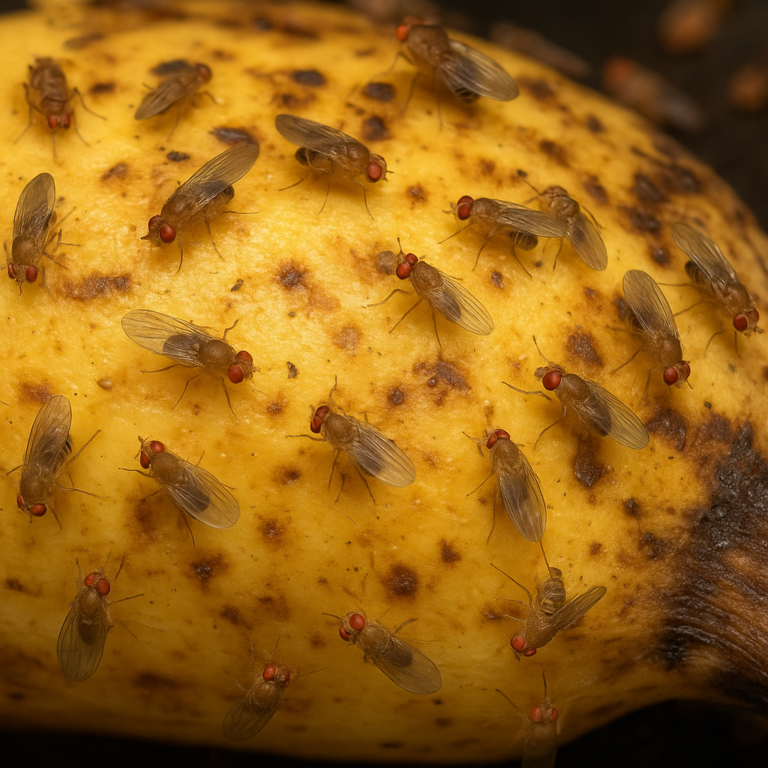
Ever feel like you’re being watched by a thousand tiny, red-eyed creatures? You probably are. Meet Drosophila melanogaster, the common fruit fly. These guys aren’t just a nuisance; they’re the rock stars of the genetics world, but that’s a story for another day. For our purposes, they are uninvited guests with one thing on their mind: fermentation.
Their entire existence, from a tiny egg to a buzzing adult, revolves around finding sugary, decaying organic matter. Why? Because that’s where the yeast is, and yeast is the perfect food for their larvae. A female fruit fly has a ridiculously short lifespan, sometimes just 40 to 50 days, but she can lay hundreds of eggs in that time. The full life cycle can be as short as one to two weeks! This is why you can go from one fly to an army in the blink of an eye.
Their attraction is all about smell. They have an incredibly sophisticated sense of smell, allowing them to detect the sweet aroma of fermentation from a surprising distance. Think of them as tiny, winged bloodhounds, but instead of searching for fugitives, they’re hunting for that banana you forgot about.
Do Fruit Flies Really Hate Certain Smells? The Science Behind the Stink! 👃🔬
So, can we use their super-snoots against them? Absolutely! The very same powerful sense of smell that leads them to a rotting peach can be overwhelmed by scents they find repulsive. It’s like walking into a perfume store when you have a migraine—they just can’t stand it.
Understanding the Fruit Fly’s Nose (Antennae, Actually!)
Fruit flies “smell” with olfactory receptor neurons located in their antennae and maxillary palps (little mouthpart feelers). These receptors are hardwired to detect the chemical signals of food and breeding sites. However, certain potent compounds, particularly those found in essential oils and herbs, can effectively jam these signals. As one article notes, these strong scents “create an inhospitable environment for fruit flies, making it difficult for them to thrive or even survive.” It’s not just that they dislike the smell; it actively messes with their ability to find what they’re looking for. Yale scientists are even studying these olfactory pathways to develop new, more effective insect repellents.
Attractants vs. Repellents: A Delicate Balance
Here’s where it gets interesting. The line between what a fruit fly loves and hates can be surprisingly thin.
- ✅ Repellents: Strong, pungent, and often “clean” smells from herbs and spices. Think mint, basil, and clove.
- ❌ Attractants: Sweet, sugary, and fermenting smells. Think wine, beer, and, of course, vinegar.
This is why our most effective DIY Fruit Fly Traps use attractants like apple cider vinegar to lure them in. But to keep them out of your space in the first place, you need to fight fire with… well, with lavender.
Our Top 7 Scents Fruit Flies Absolutely Despise (and How to Use Them!)
Ready to build your aromatic fortress? Here are the top scents that will send fruit flies packing, based on our experience and supporting research.
1. The Mighty Mint: Peppermint Power! 🌿
If there’s one scent fruit flies hate the most, it’s peppermint. Its strong, sharp aroma is overwhelming to their delicate senses. One study even found that peppermint oil could achieve 100% repellency for up to six days!
- How to Use It:
- Place a few drops of peppermint essential oil on cotton balls and tuck them into corners of your kitchen, near trash cans, and by the fruit bowl.
- Grow a small pot of mint on your kitchen windowsill. It’s easy to maintain and doubles as a fly-repellent and a source for fresh mojitos!
- Mix with water in a spray bottle for a quick, refreshing, fly-deterring spritz.
2. Lavender’s Lullaby: A Calming Repellent 💜
What we find calming, fruit flies find chaotic. Lavender’s floral scent is a well-known insect repellent. It’s a win-win: your kitchen smells like a spa, and the flies buzz off.
- How to Use It:
- Use a diffuser with lavender essential oil.
- Hang dried lavender bunches near windows and doors.
- Wipe down your counters with a cloth dabbed in lavender oil.
3. Clove’s Kick: Aromatic Annihilation 🌶️
The warm, spicy scent of cloves is another powerful deterrent. We’ve had clients swear by this trick, especially during the holidays when the scent fits right in.
- How to Use It:
- Stud an orange or apple with whole cloves and place it in a bowl on your counter. It’s a classic pomander and an effective repellent.
- Add clove essential oil to your cleaning solutions.
4. Eucalyptus’s Edge: A Breath of Fresh (Fly-Free) Air 🌬️
That distinct, medicinal scent of eucalyptus is fantastic for clearing your sinuses and clearing your kitchen of fruit flies.
- How to Use It:
- A few drops in a diffuser can fill the room with a scent they can’t stand.
- Add it to a DIY repellent spray.
- Hang a few branches of dried eucalyptus in your kitchen for a rustic, fly-fighting decor element.
5. Lemongrass’s Lure (and Repel!): The Citrusy Solution 🍋
Lemongrass has a bright, citrusy scent that is a known insect repellent, particularly for fruit flies and mosquitoes. Its pungent odor is a no-go for these pests.
- How to Use It:
- Create a simple spray with 10 drops of lemongrass essential oil per two ounces of hot water.
- Use lemongrass-scented candles (be cautious with open flames in the kitchen).
- It’s a key ingredient in many natural insect repellent formulas.
6. Basil’s Barrier: An Herbaceous Hero 🌱
This is a favorite among our team because it’s so practical. Fruit flies dislike the smell of basil. Having a fresh basil plant not only repels them but also gives you instant access to a key ingredient for pasta night!
- How to Use It:
- Keep a potted basil plant on your counter or windowsill.
- Hang dried basil in muslin bags in your pantry.
- Research has shown that compounds in basil oil, like linalool, interfere with the sensory receptors of fruit flies.
7. Pine’s Pungency: Forest Fresh, Fly Frightened 🌲
While not as commonly cited as the others, the strong, clean scent of pine can also be an effective deterrent. Many commercial cleaners use this scent for a reason!
- How to Use It:
- Use a pine-scented cleaner, like Pine-Sol, to wipe down surfaces.
- Pine essential oil in a diffuser can also work, giving your home a fresh, foresty aroma.
Beyond the Sniff Test: Other Natural Repellents and Deterrents
Waging a war of smells is a great start, but for total victory, you need a multi-pronged attack. Here’s how to expand your arsenal.
The Power of Essential Oils: Dilution and Diffusion Done Right
Essential oils are your best friends in this fight, but you have to use them correctly.
- Diffusers: An essential oil diffuser is the easiest method. Just add water and 5-10 drops of your chosen oil (or a blend!) and let it run. Brands like Vitruvi or Asakuki are popular choices.
- Sprays: To make a simple spray, mix about 10-15 drops of essential oil with 2 cups of water in a spray bottle. Add a teaspoon of dish soap to help the oil and water mix. Shake well before each use.
- Cotton Balls: The simplest method. Saturate a cotton ball with a few drops of oil and place it where flies congregate. Refresh every couple of days.
👉 Shop Essential Oils on: Amazon | Walmart
Herbal Helpers: Growing Your Own Fly-Fighters
Why not turn your kitchen into a beautiful, fragrant, fly-repelling herb garden?
- ✅ Best Bets: Mint, Basil, Lavender, Rosemary, and Lemon Balm.
- Placement: Keep them on a sunny windowsill, ideally near your fruit bowl or sink area.
- Bonus: They also repel other pests like mosquitoes and ants!
Vinegar Traps: The Sweet Deception (Not a Repellent, but a Catcher!)
Okay, this is where we get a little sneaky. As we’ve said, fruit flies LOVE the smell of apple cider vinegar. It mimics the scent of their favorite thing: fermenting fruit. So, we use it against them. This isn’t a repellent; it’s a trap.
Our Classic “Fruit Fly Traps™” Recipe:
- Pour about an inch of apple cider vinegar (we find Bragg’s works wonders) into a small jar or bowl.
- Add a single drop of dish soap (like Dawn). This is crucial! As the video host at #featured-video explains, the soap breaks the surface tension of the vinegar, so when the flies land for a drink, they fall in and drown.
- Cover the container with plastic wrap and poke a few small holes in the top with a toothpick. They can easily get in, but they can’t figure out how to get out.
This method is a cornerstone of our Fruit Fly Trap Ingredients guide and is widely recommended for a reason—it works!
The Role of Cleanliness: Eliminating Odor Attractants
I can’t say this enough: you cannot win this war with repellents alone. As the experts at Family Handyman state, “There is no better control for fruit flies than good sanitation to remove breeding sites!” If you leave a food source out, they will brave even the most potent peppermint cloud to get to it.
- Wipe Spills Immediately: Especially sugary ones like juice, wine, or soda.
- Store Produce Properly: Refrigerate ripe fruit and vegetables.
- Take Out the Trash: Don’t let your garbage can become a fruit fly nursery. Keep it sealed.
- Clean Your Drains: This is a HUGE one. Drains are dark, moist, and full of the organic gunk they love. The host of the video embedded in this article stresses the importance of tackling drain flies by eliminating this buildup.
For drains, we recommend an enzyme-based cleaner like Green Gobbler or Fly-Zyme. These use natural enzymes to digest the organic matter without harsh chemicals. Using them once a month can prevent drains from ever becoming a breeding ground.
👉 Shop Drain Cleaners on:
DIY Fruit Fly Repellent Sprays and Sachets: Recipes from the Pros!
Ready to get hands-on? Here are two of our go-to recipes for our clients.
Minty Fresh Fly-Away Spray
This is perfect for a quick spritz around windows, doorways, and countertops.
- Ingredients:
- 1 cup water
- 1 cup white vinegar
- 15 drops of peppermint essential oil
- 10 drops of lemongrass essential oil
- Instructions:
- Combine all ingredients in a clean spray bottle.
- Shake vigorously before each use.
- Spray on surfaces, avoiding direct contact with food. The vinegar smell will dissipate as it dries, leaving behind the minty-lemongrass scent that flies hate.
Clove & Lavender Sachet for Problem Areas
These are great for tucking into pantries, under sinks, or anywhere you need a passive, long-lasting repellent.
- Ingredients:
- Small muslin or tea bags
- 1/4 cup of dried lavender buds
- 1 tablespoon of whole cloves
- Instructions:
- Mix the lavender and cloves together.
- Fill the bags with the mixture and pull the drawstring tight.
- Place them in strategic locations. Squeeze the bag every few days to refresh the scent. This method is echoed by experts who suggest hanging dried herbs in bags around the house.
Common Misconceptions: Smells That Don’t Work (or Even Attract!) ❌
The internet is full of… questionable advice. Let’s clear the air on a few things.
The “Myth” of Bleach as a Repellent
We hear this all the time: “Just pour bleach down the drain!” Please don’t. While bleach might kill a few larvae on contact, it flows down the drain too quickly to eliminate the entire colony hiding in the gunk on your pipes. Plus, it’s harsh on your plumbing and not great for the environment. As one source puts it, bleach is an “unsafe and ineffective solution for killing fruit flies because the remaining fruit flies can still reproduce.”
Sweet Scents: A Trap, Not a Turn-Off
This should be obvious by now, but it’s worth repeating.
- Wine, Beer, Bourbon: These are powerful attractants, not repellents. Use them in a trap, but don’t leave an open glass out thinking it will scare them away.
- Rotting Fruit: This is literally their dream home. Never use it as a repellent.
- Milk, Sugar, and Pepper: An old recipe involves simmering milk, sugar, and pepper to attract and kill flies. Again, this is an attractant for a trap, not a scent to deter them.
Expert Tips for a Fruit Fly-Free Home: Our “Fruit Fly Traps™” Secrets
You’ve got the science, the scents, and the recipes. Now, let’s talk strategy. This is how we, the pros, ensure a home stays fruit fly-free.
Source Elimination: Cutting Off Their Supply Chain
This is step zero. Before you even think about repellents or traps, you must find the source. Check everywhere:
- The fruit bowl (any bruises or soft spots?)
- The bottom of the trash can (any sticky residue?)
- The garbage disposal.
- The sink drain.
- The pantry (check bags of potatoes, onions).
- Under the fridge (any spilled liquid?).
- Recycling bins (rinse those cans and bottles!).
Once you find the source, eliminate it. This is the only way to break the breeding cycle.
Strategic Placement: Where to Deploy Your Scented Arsenal
Don’t just spray your repellent willy-nilly. Think like a fly. Where do they enter? Where do they congregate?
- Entry Points: Windows, doors. Place repellent sachets or spray these areas.
- Hot Spots: Near the sink, trash can, and fruit bowl. This is where you want your diffusers or scented cotton balls.
- Create Barriers: Use scents to create “fly-free zones” around your food prep areas.
Consistency is Key: Maintaining Your Defenses
Fruit flies are persistent. You can’t just put out some peppermint oil once and call it a day.
- Refresh your repellents every few days. The scents will fade.
- Run your traps continuously until you haven’t seen a fly in 24 hours.
- Stay on top of cleaning. A clean kitchen today is the best defense for tomorrow.
When to Call in the Big Guns: Professional Pest Control
Listen, sometimes an infestation is just too overwhelming. If you’ve done everything—cleaned top to bottom, eliminated all sources, set traps, and deployed your aromatic army—and you’re still losing the battle, it might be time to call for backup. A professional can help identify a hidden breeding source you may have missed. If you’re Dealing with Persistent Fruit Flies, don’t be afraid to seek expert help.
Conclusion: Mastering the Art of Olfactory Defense 🏆
So, do fruit flies hate a certain smell? The answer is a resounding YES! From peppermint’s punch to lavender’s calming charm, these tiny pests have a surprisingly refined (and very selective) sense of smell. Our journey through the aromatic arsenal has shown that using natural scents—especially essential oils and fresh herbs—is not just a pleasant way to freshen your home but a scientifically backed strategy to keep fruit flies at bay.
But remember, scent alone won’t win the war. The real secret is combining these repellents with vigilant sanitation and smart trap placement. If you’re battling a stubborn infestation, don’t hesitate to call in professional pest control experts who can uncover hidden breeding grounds you might have missed.
We hope our insider tips from the Fruit Fly Traps™ team have empowered you to reclaim your kitchen and enjoy a fly-free zone. Now, go forth and scent your home with confidence!
Recommended Links: Your Go-To Resources 🛒
Ready to stock up on the best fly-fighting essentials? Here’s where to find the top products and resources we swear by:
-
Bragg’s Apple Cider Vinegar:
Amazon | Walmart | Bragg Official Website -
Dawn Dish Soap:
Amazon | Walmart | Dawn Official Website -
Peppermint Essential Oil (Plant Therapy):
Amazon | Walmart | Plant Therapy Official Website -
Lavender Essential Oil (doTERRA):
Amazon | Walmart | doTERRA Official Website -
Fly-Zyme Drain Cleaner:
Amazon -
Essential Oil Diffusers (Vitruvi):
Amazon | Walmart | Vitruvi Official Website -
Books on Natural Pest Control:
“The Organic Gardener’s Handbook of Natural Pest and Disease Control” by Fern Marshall Bradley & Barbara W. Ellis
Amazon
FAQ: Your Most Pressing Fruit Fly Questions Answered ❓
What natural scents repel fruit flies effectively?
Fruit flies are repelled by strong, pungent scents that interfere with their ability to locate food and breeding sites. The most effective natural repellents include peppermint, lavender, eucalyptus, lemongrass, clove, basil, and pine. These scents contain volatile compounds that overwhelm the fruit fly’s olfactory receptors, making your kitchen an inhospitable environment for them. Using essential oils or fresh herbs with these aromas can significantly reduce fruit fly presence.
Can essential oils help keep fruit flies away?
Absolutely! Essential oils are concentrated extracts from plants that carry the potent scents fruit flies hate. Oils like peppermint, lavender, clove, eucalyptus, and lemongrass can be used in diffusers, sprays, or on cotton balls placed strategically around your home. However, proper dilution is key to avoid overpowering your space or causing irritation. Essential oils are a natural, chemical-free way to create fly-repellent zones, but they work best combined with good sanitation and other control measures.
Why do fruit flies avoid certain smells like vinegar or basil?
This is a common misconception: fruit flies are actually attracted to vinegar, especially apple cider vinegar, because it mimics the smell of fermenting fruit — their favorite breeding ground. However, they avoid the scent of basil and other strong herbs because these contain compounds that disrupt their sensory receptors. Basil, peppermint, and clove oils contain chemicals like linalool and eugenol that confuse or repel fruit flies, making them steer clear of areas where these scents are strong.
How can I use smells to prevent fruit flies in my kitchen?
To prevent fruit flies, use a combination of repellent scents and attractant traps. Place sachets or cotton balls soaked in peppermint, lavender, or clove oil near entry points and hotspots like the sink or fruit bowl. Use diffusers to maintain a consistent scent barrier. Simultaneously, set up apple cider vinegar traps to catch any flies that do enter. Remember, these scents work best when paired with regular cleaning, removing overripe fruit, and eliminating breeding sites like dirty drains.
What are the best practices for maintaining a fruit fly-free home?
- Regularly clean surfaces and drains to remove organic residues.
- Store fruits and vegetables properly, preferably refrigerated.
- Empty trash cans frequently and keep lids sealed.
- Use natural repellents consistently, refreshing them every few days.
- Deploy traps strategically to reduce the adult population.
- Inspect pantry items like potatoes and onions for spoilage.
- Consider professional pest control if infestations persist despite your efforts.
Reference Links: The Science Behind Our Stance 📚
- Family Handyman: Ways to Make Sure You Never Have Fruit Flies Again
- Eastside Exterminators: Guide to Fruit Flies
- Natty Naturals: Fruit Flies How to Get Rid of Them Naturally
- Bragg’s Apple Cider Vinegar Official Site
- Plant Therapy Peppermint Essential Oil
- doTERRA Lavender Essential Oil
- Green Gobbler Fruit Fly Killer on Amazon
- Fly-Zyme Drain Cleaner on Amazon
- Vitruvi Essential Oil Diffusers
We hope this comprehensive guide has turned the tables in your favor against those pesky fruit flies. Remember, a blend of science, scent, and sanitation is your best defense. Happy fly-free living! 🍋🌿🐝