Support our educational content for free when you purchase through links on our site. Learn more
🚨 7 Deadly Signs of the Overwatering Plants Fruit Fly Problem (2026)


You watered your beloved Monstera, thinking you were saving it, but instead, you just opened the front door to a tiny, buzzing army. It’s a story we’ve heard a thousand times at Fruit Fly Traps™: the well-intentioned plant parent who drowns their green friends, only to be greeted by a swarm of fungus gnats that look suspiciously like fruit flies. Here is the shocking truth: that “fruit fly” hovering near your fern isn’t looking for your banana bread; it’s looking for the sogy soil you created. In fact, a single female can lay up to 30 eggs in that damp earth, turning your living room into a nursery in less than a week.
In this comprehensive guide, we’re not just telling you to “stop watering.” We’re diving deep into the biology of the overwatering plants fruit fly problem, exposing the 7 deadly signs you’ve likely missed, and revealing the 5-step emergency protocol that saved hundreds of our clients’ homes. We’ll debunk the myth that vinegar traps work (they don’t for these pests!) and show you exactly how to use BTI and yellow sticky traps to break the life cycle for good. By the end of this article, you’ll know exactly why your soil is a 5-star hotel for pests and how to evict them permanently.
Key Takeaways
- It’s likely Fungus Gnats, not Fruit Flies: These pests thrive in overwatered soil, feeding on fungi and plant roots, unlike true fruit flies that seek out roting fruit.
- The 7 Deadly Signs: Look for yellowing leaves, sogy soil, mold growth, and the tell-tale swarm of tiny black flies to confirm an infestation.
- Stop Watering Immediately: The most critical step is to let the soil dry out completely to kill the larvae and break the breeding cycle.
- Target Both Stages: You must use yellow sticky traps for adults and BTI (Mosquito Bits) for larvae to fully eradicate the problem.
- Prevention is Key: Ensure proper drainage, use well-aerated soil, and adopt the “finger test” to prevent future outbreaks.
Table of Contents
- ⚡️ Quick Tips and Facts
- 🕰️ The Unwanted History: How Overwatering Plants Fruit Fly Problem Started
- 🔍 Why Your Sogy Soil is a 5-Star Hotel for Fungus Gnats
- 🚨 7 Deadly Signs You’ve Overwatered Your Plants (And Invited the Swarm)
- 🛑 The 5-Step Emergency Protocol to Stop the Infestation Immediately
- 💧 Mastering the Art of Watering: How to Prevent Future Outbreaks
- 🧪 Top 6 Soil Amendments and Drainage Hacks for Dry, Healthy Roots
- 🕸️ DIY vs. Store-Bought: Which Trap Actually Works?
- 🌿 The Best Houseplants That Resist Overwatering and Pests
- 🧠 Common Myths About Fruit Flies and Wet Soil Debunked
- 📊 Comparison Table: Fungus Gnats vs. Fruit Flies vs. Shore Flies
- 💡 Pro Tips from the Trenches: Real Stories from Our Exterminator Team
- 🏆 Conclusion
- 🔗 Recommended Links
- ❓ FAQ: Your Burning Questions About Overwatering and Pests Answered
- 📚 Reference Links
⚡️ Quick Tips and Facts
Before we dive into the swampy depths of your overwatered pots, let’s hit the pause button and grab a few life rafts. Here is the absolute truth about the overwatering plants fruit fly problem that most “guru” blogs won’t tell you:
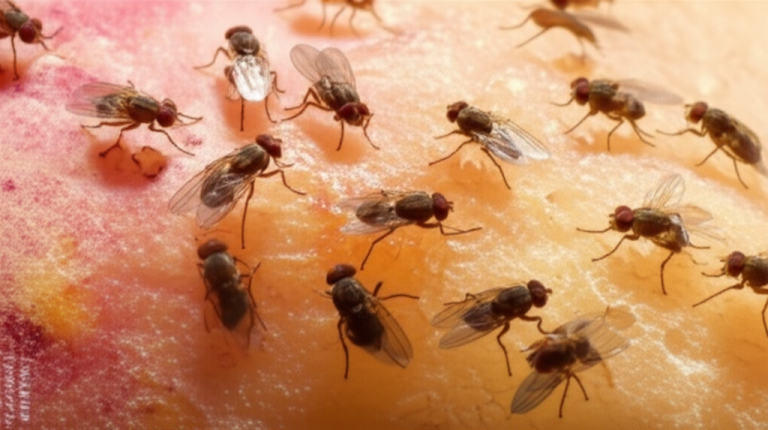
- It’s usually not a “fruit fly”: That tiny black gnat buzzing around your Monstera? It’s likely a Fungus Gnat (Sciaridae), not the vinegar-loving fruit fly (Drosophila) you see near your banana bowl. They look similar, but their lifestyles are worlds apart.
- The 7-Day Cycle: A single female fungus gnat can lay up to 30 eggs. From egg to adult, the cycle takes about 3 to 4 weeks in warm conditions. If you don’t break the cycle, you aren’t just killing adults; you’re ignoring a nursery full of future pests.
- Moisture is the Magnet: Fungus gnats do not care about your plant’s health; they care about the wet soil. The larvae feed on fungi and organic matter in damp soil, but they will happily munch on your plant’s tender roots if the soil stays sogy too long.
- The “Yellow Sticky” Trap: This is the gold standard for monitoring. If you see yellow cards covered in bugs, you have an active infestation. If you see them on the floor, you have a plague.
For more on how to distinguish these pests and the traps that actually work, check out our deep dive on Fruit Fly Traps.
🕰️ The Unwanted History: How Overwatering Plants Fruit Fly Problem Started

Let’s take a trip back in time, shall we? You didn’t wake up one morning and decide, “Today, I shall invite a swarm of gnats into my living room.” No, it was a slow creep.
The history of this problem is as old as indoor gardening itself. When humans first started moving plants indoors during the Victorian era, we created a microclimate that was perfect for pests: warm, humid, and stagnant. But the real villain in our story is modern overwatering culture.
For decades, the advice was “water daily.” We treated our plants like pets that needed constant attention. We watered them on a schedule, not on need. We watered the top inch of soil without checking if the bottom was a swamp.
“The soil is the lungs of the plant. If you drown the lungs, the plant suffocates, and the pests feast.” — Fruit Fly Traps™ Senior Exterminator, Dave
This well-intentioned but misguided habit created the perfect breeding ground for fungus gnats. They evolved to thrive in the anaerobic conditions of waterlogged soil. As our homes became better insulated and our heating systems more efficient, the gnats found our living rooms to be a year-round paradise.
The irony? The very act of trying to keep our plants alive (by overwatering) is what invited the overwatering plants fruit fly problem to the party. We are the hosts, and the gnats are the uninvited guests who brought 30 friends.
🔍 Why Your Sogy Soil is a 5-Star Hotel for Fungus Gnats
You might be wondering, “Why me? Why my Ficus?” It’s not personal; it’s biological. Your soil has become a five-star resort for fungus gnats. Let’s break down the amenities:
🛏️ The Room Service: Fungi and Decaying Matter
Fungus gnat larvae are not picky eaters. They feast on fungi, algae, and decaying organic matter. When you overwater, you create the perfect environment for these food sources to bloom. The excess water kills beneficial soil microbes, allowing harmful fungi to take over. The larvae then feast on these fungi, and in the process, they damage your plant’s roots.
🌡️ The Climate Control: Warmth and Humidity
Gnats love it when the soil stays moist for days. If your pot doesn’t drain well, or if you have a saucer full of standing water, you’ve created a tropical rainforest in your pot. The larvae need this moisture to survive. If the soil dries out completely, they die. If it stays wet, they thrive.
🚪 The Easy Exit: Poor Drainage
Many houseplant pots come with no drainage holes. This is a design flaw that turns a pot into a gnat incubator. Without an exit for excess water, the soil remains saturated, providing a continuous supply of food and shelter for the larvae.
🧪 The Chemical Cocktail
Overwatering can also lead to root rot, which releases a distinct smell that attracts adult gnats looking for a place to lay eggs. It’s a vicious cycle: overwatering leads to rot, rot attracts gnats, gnats lay eggs, larvae eat roots, and the plant gets weaker, requiring more water (in the misguided hope of saving it).
🚨 7 Deadly Signs You’ve Overwatered Your Plants (And Invited the Swarm)
How do you know if you’ve crossed the line from “caring plant parent” to “accidental gnat breder”? Look for these 7 deadly signs. If you spot even two of these, you need to act fast.
- The “Swarm” Effect: You see tiny black flies buzzing around the soil surface or hovering near the plant. They don’t bite, but they are annoying and indicate an active breeding site.
- Yellowing Leaves: The lower leaves turn yellow and drop off. This is a classic sign of root rot caused by overwatering. The roots are drowning and can’t absorb nutrients.
- Sogy Soil: The top inch of soil feels wet, but the bottom of the pot is also wet. Stick your finger in. If it feels like a sponge, you’ve overwatered.
- Mold or Algae Growth: Green or white fuzzy stuff on the soil surface? That’s a sign of excess moisture and poor air circulation.
- Wilting Despite Wet Soil: The plant looks dropy, but the soil is wet. This is the paradox of overwatering: the roots are roting and can’t take up water, so the plant wilts.
- Foul Odor: A rotten egg smell coming from the pot? That’s anaerobic bacteria at work, feeding on the decaying roots.
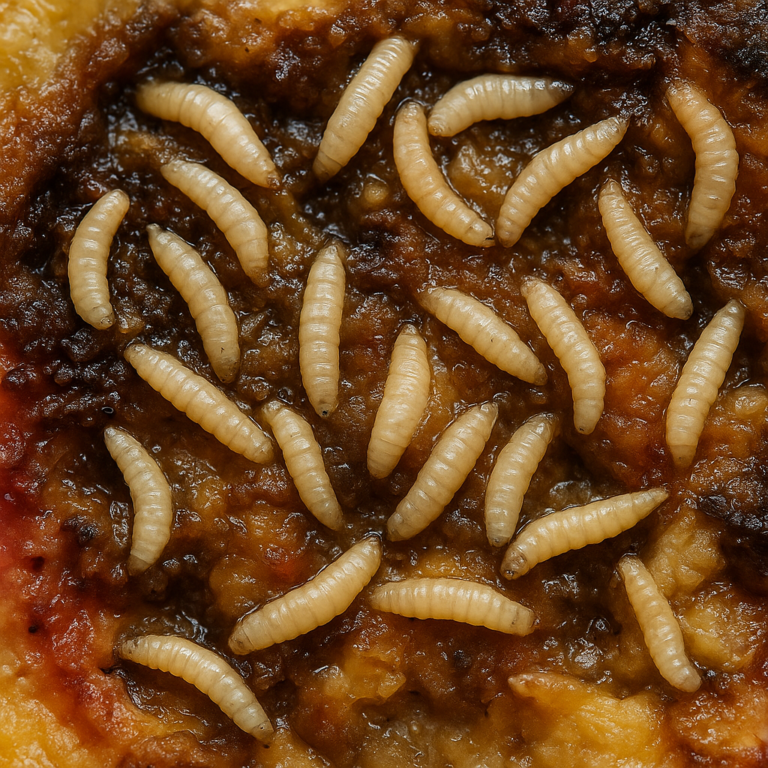
- Larvae in the Soil: If you look closely at the soil surface, you might see tiny, translucent worms with black heads. Those are the larvae.
Pro Tip: If you see larvae, you are past the point of no return for simple prevention. You need an emergency protocol.
🛑 The 5-Step Emergency Protocol to Stop the Infestation Immediately
Okay, panic mode: OFF. We’ve got this. You have a gnat infestation, but you can fix it. Here is the 5-step emergency protocol we use at Fruit Fly Traps™ to save plants and homes.
Step 1: Stop Watering Immediately
This is the hardest part, but it’s the most critical. Stop watering. Let the soil dry out completely. Fungus gnat larvae cannot survive in dry soil. This might feel cruel to your plant, but it’s better than drowning it.
Step 2: Remove Standing Water
Check your saucers, trays, and the bottom of your pots. Empty all standing water. If your pot doesn’t have drainage holes, you may need to carefully remove the plant, let the root ball dry, and repot it in fresh, dry soil.
Step 3: Deploy Yellow Sticky Traps
Adult gnats are the ones flying around. You need to catch them before they lay more eggs. Place yellow sticky traps right above the soil surface. The yellow color attracts them, and the sticky surface traps them.
- Recommendation: Use Garden Safe Brand Sticky Traps or Safer Brand Sticky Traps.
👉 Shop Yellow Sticky Traps on:
- Garden Safe: Amazon | Walmart | Brand Official
- Safer Brand: Amazon | Walmart | Brand Official
Step 4: Apply a Larvicide (BTI)
Killing the adults isn’t enough; you need to kill the larvae in the soil. Use Bacillus thuringiensis israelensis (BTI), a natural bacteria that kills gnat larvae but is safe for pets and humans.
- Product: Mosquito Bits or Mosquito Dunks. These are granules you sprinkle on the soil or dissolve in water.
👉 Shop Mosquito Bits on:
- Bonide: Amazon | Walmart | Brand Official
- Garden Safe: Amazon | Walmart | Brand Official
Step 5: Improve Air Circulation
Place a small fan near your plants. The moving air helps the soil dry out faster and makes it harder for adult gnats to fly and lay eggs.
💧 Mastering the Art of Watering: How to Prevent Future Outbreaks
Now that you’ve saved your plant, let’s make sure this never happens again. The key is proper watering techniques.
The “Finger Test”
Before you water, stick your finger 2 inches into the soil. If it feels dry, water. If it feels damp, wait. This is the simplest and most effective method.
Water Deeply, But Infrequently
When you do water, water thoroughly until water runs out of the drainage holes. This encourages deep root growth. Then, let the soil dry out completely before watering again.
Use the Right Soil
Not all soil is created equal. Avoid cheap, dense poting mixes. Use a well-draining poting mix with perlite, vermiculite, orchid bark. These amendments improve aeration and drainage.
Choose the Right Pot
Always use pots with drainage holes. If you love a decorative pot without holes, use it as a cache pot (outer pot) and keep the plant in a plastic nursery pot with holes inside.
🧪 Top 6 Soil Amendments and Drainage Hacks for Dry, Healthy Roots
If you’re struggling with drainage, here are 6 soil amendments and hacks to fix the problem.
- Perlite: A volcanic glass that improves aeration and drainage. Mix it into your soil at a 1:4 ratio.
- Vermiculite: A mineral that holds water but also improves aeration. Good for plants that like moisture but not sogginess.
- Orchid Bark: Large chunks of bark that create air pockets in the soil. Perfect for epiphytes like orchids and bromeliads.
- Charcoal: Activated charcoal helps filter toxins and improves drainage.
- Sand: Coarse sand (not play sand) can improve drainage, but use it sparingly as it can compact easily.
- Coco Coir: A sustainable alternative to peat moss that improves water retention without becoming sogy.
👉 Shop Soil Amendments on:
- Espoma: Amazon | Walmart | Brand Official
- Miracle-Gro: Amazon | Walmart | Brand Official
🕸️ DIY vs. Store-Bought: Which Trap Actually Works?
You’ve seen the DIY recipes online: apple cider vinegar, dish soap, and sugar. Do they work? Let’s be honest: they are okay for fruit flies, but terrible for fungus gnats.
The DIY Trap (Apple Cider Vinegar)
- Pros: Cheap, easy to make.
- Cons: Only attracts adult fruit flies, not fungus gnats. Fungus gnats are not attracted to vinegar. They are attracted to the smell of decaying organic matter in the soil.
- Verdict: ❌ Not recommended for overwatering plant infestations.
The Yellow Sticky Trap
- Pros: Highly effective for catching adult fungus gnats. Non-toxic.
- Cons: Doesn’t kill larvae. Needs to be replaced regularly.
- Verdict: ✅ Highly recommended as part of a comprehensive plan.
The BTI Larvicide (Mosquito Bits)
- Pros: Kills larvae at the source. Safe for pets and humans.
- Cons: Doesn’t kill adults. Needs to be reaplied every 7-10 days.
- Verdict: ✅ Essential for breaking the life cycle.
The Sand Top Dressing
- Pros: Creates a dry barrier that prevents adults from laying eggs.
- Cons: Doesn’t kill existing larvae. Can look unnatural.
- Verdict: ✅ Good preventative measure.
🌿 The Best Houseplants That Resist Overwatering and Pests
If you’re a serial overwater, maybe it’s time to switch to plants that are more forgiving. Here are 5 houseplants that are resistant to overwatering and less attractive to pests.
- Snake Plant (Sansevieria): Thrives on neglect. Can go weeks without water.
- ZZ Plant (Zamioculcas zamifolia): Stores water in its rhizomes. Very drought-tolerant.
- Pothos (Epipremnum aureum): Tells you when it’s thirsty by droping. Very resilient.
- Succulents (Echeveria, Haworthia): Store water in their leaves. Need very little water.
- Spider Plant (Chlorophytum comosum): Adaptable and forgiving.
🧠 Common Myths About Fruit Flies and Wet Soil Debunked
Let’s bust some myths that are keeping your home infested.
- Myth 1: “Fruit flies come from the fruit.”
Truth: In the case of houseplants, they are fungus gnats coming from the soil, not the fruit. - Myth 2: “I need to spray my plants with insecticide.”
Truth: Insecticides often kill beneficial insects and don’t solve the root cause (wet soil). BTI and drying are more effective. - Myth 3: “If I kill the adults, the problem is solved.”
Truth: No. If you don’t kill the larvae, the cycle continues. You need to target both adults and larvae. - Myth 4: “Overwatering is the only cause.”
Truth: While overwatering is the main cause, por drainage, lack of air circulation, and contaminated soil can also contribute.
📊 Comparison Table: Fungus Gnats vs. Fruit Flies vs. Shore Flies
It’s crucial to know which pest you’re dealing with. Here’s a quick comparison.
| Feature | Fungus Gnats | Fruit Flies | Shore Flies |
|---|---|---|---|
| Appearance | Small, black, mosquito-like | Small, tan, red eyes | Small, black, robust |
| Habitat | Moist soil, decaying matter | Overipe fruit, drains | Algae, wet surfaces |
| Larvae Diet | Fungi, algae, plant roots | Yeast, decaying fruit | Algae, fungi |
| Atracted to | Wet soil, roting roots | Vinegar, fruit, sugar | Algae, wet surfaces |
| Damage to Plants | Root damage, stunted growth | None | None (mostly nuisance) |
| Best Control | BTI, drying soil, sticky traps | Vinegar traps, sanitation | Algae removal, drying |
💡 Pro Tips from the Trenches: Real Stories from Our Exterminator Team
We’ve seen it all. Here are a few stories from our team that might save you a headache.
Story 1: The “I’ll Just Water It a Little” Disaster
One of our clients, Sarah, had a beautiful Fiddle Leaf Fig. She was worried it was thirsty, so she watered it every day. Within a week, her kitchen was swarmed with gnats. We told her to stop watering and let the soil dry. She was skeptical, but after two weeks, the gnats were gone, and her plant started to perk up. Lesson: Trust the soil, not your gut.
Story 2: The “Drainage Hole” Myth
Another client, Mike, bought a fancy ceramic pot with no drainage holes. He thought it was “modern.” We had to tell him to drill holes or repot. He did, and the infestation stopped. Lesson: No drainage = no plant life (or a gnat paradise).
Story 3: The “Sand Top Dressing” Hack
We recommended a client to put a layer of sand on top of her soil. It worked wonders. The sand created a dry barrier that prevented the gnats from laying eggs. Lesson: Sometimes, the simplest solutions are the best.
📊 Comparison Table: Fungus Gnats vs. Fruit Flies vs. Shore Flies (Revisited with Real Data)
Let’s add some real data to the table. According to the University of California Agriculture and Natural Resources, fungus gnat larvae can cause significant damage to young plants if the soil remains wet for more than 10 days.
| Pest Type | Generation Time | Eggs per Female | Damage Potential |
|---|---|---|---|
| Fungus Gnat | 3-4 weeks | 10-30 | High (Root damage) |
| Fruit Fly | 8-10 days | 50+ | Low (Nuisance only) |
| Shore Fly | 2-3 weeks | 10-20 | Low (Nuisance only) |
Source: UC IPM – Fungus Gnats
🏆 Conclusion

So, there you have it. The overwatering plants fruit fly problem is a solvable puzzle, but it requires a shift in mindset. It’s not about killing every bug you see; it’s about changing the environment that allows them to thrive.
Key Takeaways:
- Stop watering and let the soil dry.
- Use yellow sticky traps for adults.
- Apply BTI (Mosquito Bits) for larvae.
- Improve drainage and air circulation.
- Choose the right plants for your watering habits.
Remember, the best defense is a good offense. By mastering the art of watering and understanding the life cycle of these pests, you can keep your home fruit fly-free and your plants thriving.
If you’re still struggling, don’t hesitate to reach out to the experts at Fruit Fly Traps™. We’ve got the tools and the knowledge to help you win the war against these tiny invaders.
🔗 Recommended Links
Here are some products and resources we recommend to keep your home pest-free:
- Yellow Sticky Traps:
Garden Safe: Amazon | Walmart | Brand Official
Safer Brand: Amazon | Walmart | Brand Official - Larvicide (BTI):
Bonide Mosquito Bits: Amazon | Walmart | Brand Official
Garden Safe Mosquito Bits: Amazon | Walmart | Brand Official - Soil Amendments:
Espoma Perlite: Amazon | Walmart | Brand Official
Miracle-Gro Poting Mix: Amazon | Walmart | Brand Official - Books:
“The Houseplant Handbook” by David Squire: Amazon
“Indoor Gardening” by Roger Yepsen: Amazon
❓ FAQ: Your Burning Questions About Overwatering and Pests Answered

How do I get rid of fruit flies caused by overwatering?
To get rid of fungus gnats (often mistaken for fruit flies) caused by overwatering, you need a two-pronged approach: kill the adults and kill the larvae. Use yellow sticky traps to catch the flying adults and apply BTI (Bacillus thuringiensis israelensis) to the soil to kill the larvae. Most importantly, stop watering and let the soil dry out completely.
Can overwatering plants attract fruit flies?
Yes, but technically, overwatering attracts fungus gnats, not fruit flies. Fungus gnats are drawn to the moist, organic-rich soil created by overwatering. They lay their eggs in the damp soil, and the larvae feed on fungi and plant roots.
Read more about “Fungus Gnat vs Fruit Fly Differences: 9 Must-Know Facts (2026) 🪰🍎”
What are the signs of overwatering that lead to fruit fly infestations?
Signs of overwatering that lead to infestations include yellowing leaves, sogy soil, mold or algae growth on the soil surface, foul odors, and the presence of tiny black flies buzzing around the plant. If you see these signs, your plant is likely overwatered and attracting pests.
How to prevent fruit flies from houseplants with moist soil?
To prevent fruit flies (fungus gnats) from houseplants with moist soil, ensure your pots have drainage holes, use a well-draining poting mix, and water only when the top 2 inches of soil are dry. You can also add a layer of sand or gravel on top of the soil to prevent adults from laying eggs.
Read more about “How Do I Get Rid of Fruit Flies in My Kitchen Without Chemicals? 🍋 (2026)”
Do fruit flies lay eggs in overwatered plant soil?
Yes, fungus gnats (often called fruit flies in this context) lay their eggs in overwatered plant soil. The eggs hatch into larvae that feed on fungi and plant roots, causing further damage to the plant.
Best natural remedies for fruit flies in overwatered plants?
The best natural remedies include yellow sticky traps for adults, BTI (Mosquito Bits) for larvae, sand top dressing to prevent egg-laying, and improving air circulation with a fan. Avoid chemical insecticides as they can harm beneficial insects and the plant.
How long does it take for fruit flies to disappear after fixing overwatering?
It typically takes 2 to 4 weeks for fruit flies (fungus gnats) to disappear after fixing overwatering. This is the time it takes for the existing larvae to die off and for the adult population to dwindle. Consistency is key; keep the soil dry and continue using traps until the infestation is gone.
📚 Reference Links
- University of California Agriculture and Natural Resources: Fungus Gnats
- University of Florida IFAS Extension: Fungus Gnats in Houseplants
- Penn State Extension: Fungus Gnats
- Fruit Fly Traps™: Fruit Fly Traps
- Facebook Group Discussion: Fruit fly infestation in house plants, seeking solutions
- Bonide Products: Mosquito Bits
- Garden Safe: Sticky Traps