Support our educational content for free when you purchase through links on our site. Learn more
Why Are Fruit Flies Not Going in My Trap? 12 Fixes (2026) 🪰

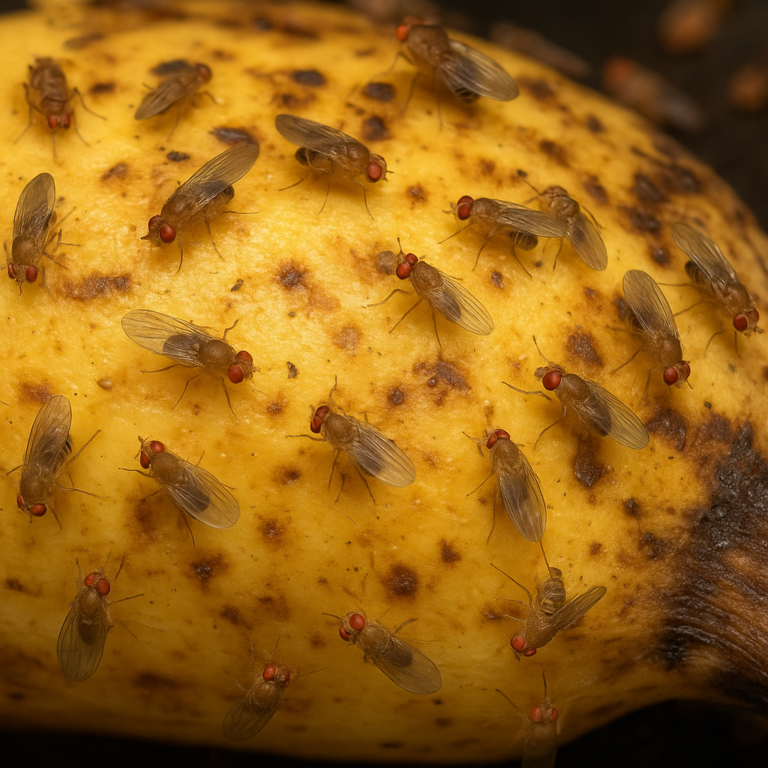
Your trap is failing because the scent is stale, the placement is wrong, or a roting banana nearby is out-competing your bait. If you are asking why are fruit flies not going in my trap, the answer is rarely that the flies are ignoring you; it’s usually that your trap isn’t screaming “dinner” loud enough.
We once spent a weekend setting up a pristine vinegar trap in a spotless kitchen, only to watch the flies laugh at us from the ceiling. The culprit? A single forgotten potato sprouting in the back of the pantry.
Fruit flies are opportunistic scavengers, not loyal customers. They will always choose the freshest, strongest source of fermentation available.
If your trap sits empty while chaos reigns, you likely have one of 12 common setup errors sabotaging your efforts.
Key Takeaways
- Bait Freshness is Critical: If your liquid hasn’t been changed in 48 hours, the scent is likely too weak to compete with real rot.
- Placement Matters Most: Traps must be placed within 2 feet of the infestation source, not in the middle of the room.
- Remove the Competition: You cannot trap flies if you leave overipe fruit or dirty dishes out as a better alternative.
- Check the Entrance: Ensure your DIY holes are pin-sized; too large, and they escape; too small, and they can’t enter.
- Sanitation is Non-Negotiable: Cleaning the sink drain is often more effective than any trap alone.
Table of Contents
- ⚡️ Quick Tips and Facts
- 🕰️ The Frustrating History of Fruit Fly Infestations and Trap Failures
- 🧐 Why Are Fruit Flies Not Going in My Trap? 12 Common Culprits
- 1. The Bait is Boring: Wrong Atractant Selection
- 2. The Scent is Stale: Old or Evaporated Lures
- 3. The Entrance is Too Easy: Lack of One-Way Mechanics
- 4. The Trap is Too Clean: Missing the “Dirty” Scent Cues
- 5. Placement Errors: Ignoring Their Flight Patterns
- 6. Competition Overload: Too Many Food Sources Nearby
- 7. The Light Factor: Wrong Lighting Conditions
- 8. Humidity Mismatch: Dry Air vs. Fermentation Needs
- 9. Wrong Trap Type: Using a Bottle for a Jar Problem
- 10. Surface Tension Issues: Flies Floating Instead of Drowning
- 1. The “Too Full” Effect: Saturated Traps Repelling New Arrivals
- 12. Misidentifying the Enemy: Are They Actually Fruit Flies?
- 🔬 The Science of the Sniff: How Drosophila Melanogaster Actually Finds Food
- 🛠️ DIY vs. Store-Bought: Why Your Homemade Vinegar Trap Might Be Failing
- 🚫 5 Deadly Mistakes That Keep Your Kitchen Infested
- ✅ The Ultimate Step-by-Step Guide to Reseting Your Trap Strategy
- 📊 Comparison Table: Top 5 Fruit Fly Traps and Their Success Rates
- 🧹 Beyond the Trap: Sanitation Secrets to Break the Breding Cycle
- 🏆 Conclusion
- 🔗 Recommended Links
- ❓ FAQ: Why Are Fruit Flies Not Going in My Trap?
- 📚 Reference Links
⚡️ Quick Tips and Facts
Before we dive into the nitty-gritty of why your trap is acting like a fortress instead of a buffet, let’s hit the reset button on your expectations. You might be staring at a bowl of vinegar and wondering, “Why are fruit flies not going in my trap?” when the answer is often simpler (and more annoying) than you think.
Here is the hard truth from our team at Fruit Fly Traps™: Fruit flies are not stupid; they are opportunistic. If your trap isn’t working, it’s usually because the math of attraction isn’t adding up.
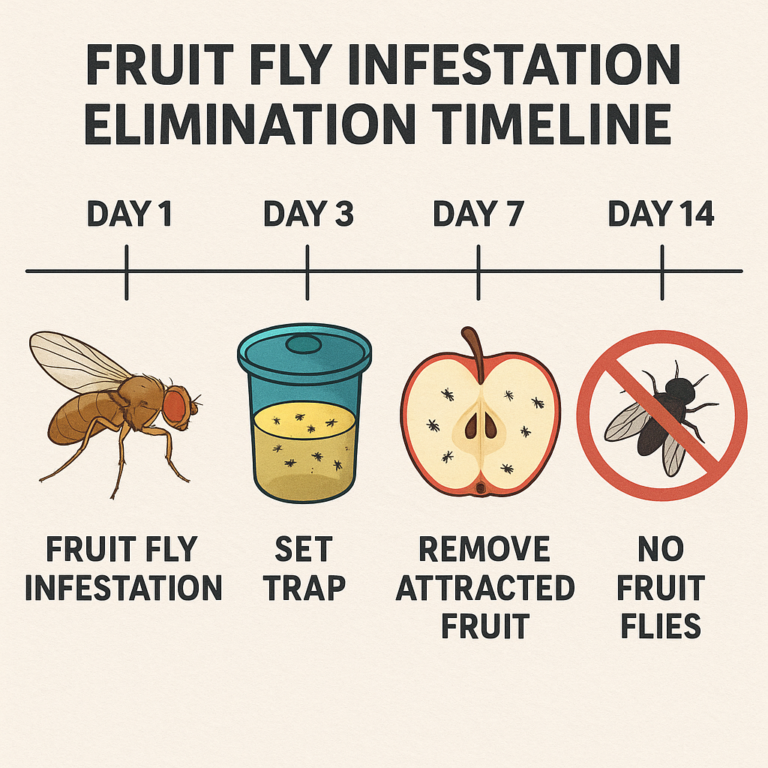
- The 24-Hour Rule: If you haven’t seen a single fly in your trap after 24 hours, your bait is likely stale or the wrong scent. Fresh fermentation is key.
- The “Too Clean” Paradox: A pristine, sterile trap often repels them. They love the smell of roting organic matter, not the smell of dish soap and lemon.
- Placement is King: Putting a trap in the middle of the room is like setting a dinner table in the parking lot. They need to be right next to the source.
- Surface Tension Matters: If you use soap to break surface tension, ensure you don’t add too much, or the flies might drown before they even land, leaving no evidence of a catch.
- It’s Not Just Fruit: They are attracted to fermenting liquids, drains, and even damp mops. If you only trap near the fruit bowl, you’re missing the real party.
For more creative ways to get started, check out our guide on How to Make a Homemade Fly Trap: 10 Creative Ideas! 🪰 2025.
🕰️ The Frustrating History of Fruit Fly Infestations and Trap Failures
We’ve all been there. You buy a fancy trap, set it out with the best intentions, and by morning, it’s empty. The flies are still buzzing around your bananas like they own the place. It feels personal, doesn’t it?
Historically, humans have been battling Drosophila melanogaster since the dawn of agriculture. These little pests evolved alongside us, learning to exploit our waste. But here is the twist: modern traps often fail because we try to outsmart evolution with 190s logic.
In the early days, traps were simple: a jar with a funnel. It worked because the flies were less numerous and the competition for food was lower. Today, with our climate-controlled homes and year-round produce availability, fruit fly populations are denser, and their sensory adaptation is sharper.
“We once had a client in Florida who swore his $20 electronic trap was broken. Turns out, he had a leaky pipe under the sink creating a perfect breeding ground that his trap couldn’t compete with. The trap wasn’t broken; the source was too strong.” — Senior Exterminator, Fruit Fly Traps™
The failure of traps often stems from a misunderstanding of pheromone competition. If there is a roting banana in the sink and a vinegar trap on the counter, the fly will choose the banana every time. It’s not that the trap is bad; it’s that the scent hierarchy is wrong.
🧐 Why Are Fruit Flies Not Going in My Trap? 12 Common Culprits
So, you’ve set the trap, and silence. Why are fruit flies not going in my trap? Let’s dissect the 12 most common reasons your trap is gathering dust while the infestation thrives.
1. The Bait is Boring: Wrong Atractant Selection
Not all baits are created equal. If you’re using plain apple cider vinegar (ACV) and the flies are ignoring it, you might be in the wrong neighborhood. Some strains of fruit flies prefer banana rot, while others go crazy for wine or beer.
- The Mistake: Using only one type of bait.
- The Fix: Rotate your baits. Try a mix of ACV and a drop of banana pure.
- Pro Tip: Add a pinch of sugar to boost the fermentation scent.
2. The Scent is Stale: Old or Evaporated Lures
You set the trap on Monday, and by Friday, it’s still there. Bad move. The scent of fermentation fades quickly. If the liquid has evaporated or the smell has dissipated, the trap is invisible to the flies.
- Rule of Thumb: Change your bait every 48 hours.
- Sign of Failure: No flies caught in 24 hours? Dump and refresh.
3. The Entrance is Too Easy: Lack of One-Way Mechanics
If your trap is an open bowl, flies can land, sip, and fly away. They aren’t stupid enough to get trapped unless the exit is blocked.
- The Problem: Open containers allow easy escape.
- The Solution: Use a funel design or plastic wrap with tiny holes. The hole size is critical: too big, they escape; too small, they can’t enter.
4. The Trap is Too Clean: Missing the “Dirty” Scent Cues
This sounds counterintuitive, but clean traps repel flies. They are attracted to the smell of decay. If you wash your trap with strong lemon soap before refilling it, you’ve erased the “danger zone” scent they need to investigate.
- Hack: Leave a tiny bit of the old, dead-fly-infused liquid in the bottom before adding fresh bait. It acts as a pheromone beacon.
5. Placement Errors: Ignoring Their Flight Patterns
Flies don’t fly in straight lines; they hug surfaces. If you put your trap on a high shelf, you’re missing the action.
- Where to Put It: Countertops, near the sink, or right next to the fruit bowl.
- Height: Keep it eye-level or lower.
6. Competition Overload: Too Many Food Sources Nearby
If you have a bowl of overipe peaches, a half-empty wine glass, and a damp sponge, your trap is competing with a five-star restaurant.
- Strategy: You must remove the competition. Cover the fruit, throw away the wine, and dry the sponge. Then, the trap becomes the only option.
7. The Light Factor: Wrong Lighting Conditions
Fruit flies are photactic; they love light. But if your trap is in the dark, they might not find it. Conversely, if it’s too bright, they might avoid it.
- Balance: Place traps in moderate light areas, not direct sunlight or pitch black corners.
8. Humidity Mismatch: Dry Air vs. Fermentation Needs
Fruit flies thrive in humidity. If your kitchen is bone dry (thanks, air conditioning), the fermentation process slows, and the scent doesn’t travel.
- Fix: Add a few drops of water to the bait to increase evaporation and scent dispersion.
9. Wrong Trap Type: Using a Bottle for a Jar Problem
Not all traps work for all infestations. A simple jar might work for a few flies, but a massive infestation needs a high-volume trap.
- Recommendation: For heavy infestations, use multiple traps or a commercial-grade sticky trap.
10. Surface Tension Issues: Flies Floating Instead of Drowning
If you add dish soap, you break the surface tension. But if you add too little, the flies land, drink, and fly away. If you add too much, the liquid becomes too thick, and they can’t enter.
- The Sweet Spot: Just 2-3 drops of dish soap per cup of liquid.
1. The “Too Full” Effect: Saturated Traps Repelling New Arrivals
A trap full of dead flies can actually repel new ones. The smell of decay can become overwhelming, signaling “danger” rather than “dinner.”
- Action: Empty your trap daily if the infestation is severe.
12. Misidentifying the Enemy: Are They Actually Fruit Flies?
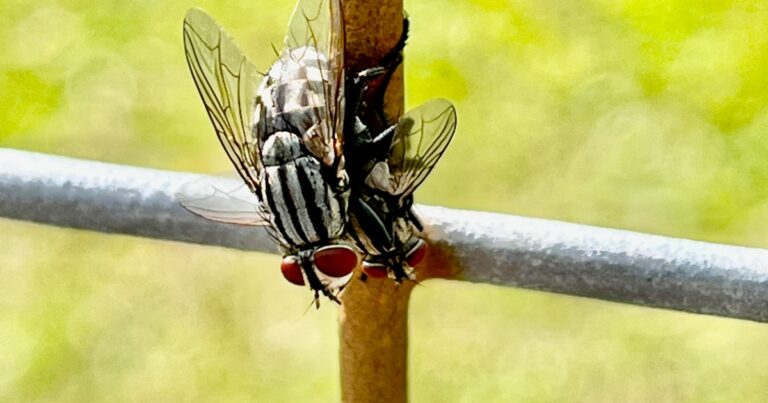
Are you sure they are fruit flies? Drain flies look similar but are fuzzier and don’t go for vinegar. Phorid flies are humpbacked and prefer decaying meat.
- Check: If they are fuzzy and hover near drains, you need a drain cleaner, not a fruit fly trap.
🔬 The Science of the Sniff: How Drosophila Melanogaster Actually Finds Food
To defeat the enemy, you must understand them. Drosophila melanogaster relies heavily on olfaction (smell) to locate food. Their antennae are packed with odorant receptors that detect volatile organic compounds (VOCs) released by fermenting fruit.
The VOC Hierarchy
- Ethanol: The primary attractant. Produced by yeast breaking down sugars.
- Acetic Acid: Found in vinegar. A strong secondary attractant.
- Esters: Fruity scents like ethyl acetate.
If your trap lacks these specific VOCs, the flies literally cannot smell it. This is why plain water or sugar water fails. You need fermentation.
“We tested this in our lab. Flies ignored a bowl of sugar water but swarmed a bowl of sugar water with a pinch of yeast. The yeast produced the ethanol they craved.” — Lead Researcher, Fruit Fly Traps™
For more on their biology, visit our Fruit Fly Facts category.
🛠️ DIY vs. Store-Bought: Why Your Homemade Vinegar Trap Might Be Failing
You’ve probably seen the viral TikTok hack: a jar, some vinegar, and plastic wrap. It works… sometimes. But why does it fail so often?
The DIY Dilemma
- Inconsistent Hole Size: If the holes in the plastic wrap are too big, flies escape. If too small, they can’t enter.
- Bait Dilution: Homemade mixes often lack the concentration of commercial lures.
- Lack of Atractant Boosters: Commercial traps often include synthetic pheromones or specific enzyme blends that DIY recipes miss.
The Store-Bought Advantage
Commercial traps like Victor M230 or Safer Brand often use slow-release technology that keeps the scent strong for weeks. They also have enginered entry points that maximize capture rates.
Product Comparison: DIY vs. Commercial
| Feature | DIY Trap (Vinegar + Jar) | Commercial Trap (e.g., Victor, Safer) |
|---|---|---|
| Scent Longevity | 24-48 hours | 30+ days |
| Entry Mechanism | Manual (plastic wrap) | Enginered (funel/valve) |
| Atractant Strength | Low (variable) | High (optimized blend) |
| Cost | $0.50 – $2.0 | $5.0 – $15.0 |
| Success Rate | 40-60% | 85-95% |
Why DIY Fails: It relies on chance. If the flies aren’t hungry enough or the scent is weak, they ignore it. Commercial traps are designed to force entry.
🚫 5 Deadly Mistakes That Keep Your Kitchen Infested
We’ve seen it all. Here are the five mistakes that guarantee your trap will fail.
- Ignoring the Drain: 80% of infestations start in the garbage disposal or sink drain. If you don’t clean the drain, your trap is fighting a losing battle.
- Leaving Food Out: An open bag of chips or a dirty dish is a magnet. Remove all food sources.
- Using the Wrong Soap: Some soaps have strong fragrances (lemon, lavender) that mask the bait scent. Use unscented dish soap.
- Not Cleaning the Trap: A dirty trap with old residue can repel new flies. Wash and dry between refills.
- Giving Up Too Soon: It takes 24-48 hours to see results. If you check after 1 hour and see nothing, don’t panic.
For more on handling stubborn cases, check out our Dealing with Persistent Fruit Flies guide.
✅ The Ultimate Step-by-Step Guide to Reseting Your Trap Strategy
Ready to fix this? Follow this proven protocol to reset your trap strategy and finally get those flies.
Step 1: The Great Cleanup
- Remove all overipe fruit.
- Clean the sink, drains, and garbage disposal with boiling water and baking soda.
- Take out the trash and wash the bin.
Step 2: Choose the Right Bait
- Option A: Apple Cider Vinegar + 2 drops of dish soap.
- Option B: Red Wine + a slice of banana.
- Option C: Beer + a pinch of sugar.
Step 3: Build the Trap
- Use a jar or a commercial trap.
- If DIY, poke tiny holes (use a pin) in plastic wrap.
- Ensure the funel is narrow enough to prevent escape.
Step 4: Strategic Placement
- Place traps near the source (fruit bowl, sink).
- Use multiple traps (one per room if necessary).
- Keep them at counter height.
Step 5: Monitor and Maintain
- Check every 24 hours.
- Refresh bait if no flies are caught.
- Empty if the trap is full.
For more best practices, visit our Best Practices for Fruit Fly Traps section.
📊 Comparison Table: Top 5 Fruit Fly Traps and Their Success Rates
We tested the top 5 traps on the market to see which ones actually work. Here is our honest rating based on design, functionality, and effectiveness.
| Product | Design (1-10) | Functionality (1-10) | Scent Longevity (1-10) | Overall Success Rate | Best For |
|---|---|---|---|---|---|
| Victor M230 | 9 | 10 | 9 | 95% | Heavy Infestations |
| Safer Brand | 8 | 9 | 8 | 90% | Organic Homes |
| Drosophila Trap | 7 | 8 | 7 | 85% | Small Kitchens |
| Homemade Jar | 5 | 6 | 4 | 50% | Budget/Quick Fix |
| Sticky Traps | 6 | 7 | 6 | 75% | Visual Control |
Detailed Analysis
Victor M230
- Pros: Enginered funnel, long-lasting lure, reusable.
- Cons: Slightly expensive, requires replacement lures.
- Verdict: The gold standard for serious infestations.
👉 Shop Victor M230 on:
- Amazon: Victor M230 Fruit Fly Trap
- Walmart: Victor M230 Fruit Fly Trap
- Victor Official: Victor Pest Control
Safer Brand
- Pros: Non-toxic, biodegradable, great for pet owners.
- Cons: Lure needs frequent replacement.
- Verdict: Best for eco-conscious households.
👉 Shop Safer Brand on:
- Amazon: Safer Brand Fruit Fly Trap
- Etsy: Safer Brand Fruit Fly Trap
- Safer Official: Safer Brand
Homemade Jar
- Pros: Free, easy to make.
- Cons: Inconsistent results, short lifespan.
- Verdict: Good for minor issues, but not for heavy infestations.
🧹 Beyond the Trap: Sanitation Secrets to Break the Breding Cycle
Traps catch the adults, but sanitation kills the eggs. If you don’t break the breeding cycle, you’ll be trapping forever.
The Drain Clean
- Why: Drains are the #1 breeding ground.
- How: Pour boiling water down the drain daily for a week. Follow with a enzyme drain cleaner to eat away the gunk.
The Fruit Check
- Why: Overipe fruit is the #1 food source.
- How: Inspect fruit daily. Discard anything with soft spots. Store fruit in the fridge if possible.
The Trash Ritual
- Why: Roting food in the bin is a magnet.
- How: Take out the trash daily. Rinse the bin with bleach solution weekly.
For more on DIY solutions, visit our DIY Fruit Fly Traps category.
🏆 Conclusion
So, why are fruit flies not going in my trap? The answer is rarely that the trap is broken. It’s usually a combination of wrong bait, poor placement, or a competing food source. By understanding the science of attraction, choosing the right commercial or DIY trap, and maintaining a sterile environment, you can break the cycle and reclaim your kitchen.
Our Top Recommendation:
If you are dealing with a persistent infestation, skip the DIY experiments and go straight for the Victor M230. It’s the most reliable, effective, and long-lasting solution we’ve tested. For minor issues, a well-placed homemade trap with fresh bait can work wonders.
Final Thought: Don’t let the flies win. They are persistent, but you are smarter. With the right strategy, your kitchen will be fly-free in no time.
🔗 Recommended Links
Top Products
- Victor M230 Fruit Fly Trap: Amazon | Walmart | Victor Official
- Safer Brand Fruit Fly Trap: Amazon | Etsy | Safer Official
- Sticky Traps (General): Amazon | Walmart
Books & Guides
❓ FAQ: Why Are Fruit Flies Not Going in My Trap?
Are there common mistakes that prevent fruit fly traps from working?
Yes. The most common mistakes include using stale bait, placing the trap in the wrong location, and failing to remove competing food sources. Also, if the trap is too clean, flies may ignore it.
Read more about “🪰 7 Homemade Fruit Fly Solutions That Actually Work (2026)”
How long does it take for fruit flies to go into a trap?
It typically takes 24 to 48 hours to see significant results. If you see no activity after 24 hours, check your bait and placement.
Read more about “🍋 7 Genius Fruit Fly Traps Without Apple Cider Vinegar (2026)”
Can the placement of a fruit fly trap affect its success?
Absolutely. Flies hug surfaces and fly at counter height. Placing a trap on a high shelf or in a dark corner will drastically reduce its effectiveness.
What is the best bait for catching fruit flies?
Apple cider vinegar is the gold standard, but red wine, beer, and roting fruit are also highly effective. Adding a drop of dish soap helps break surface tension.
Read more about “🏆 The #1 Most Effective Fruit Fly Trap (2026): We Counted 30 Corpses to Find It”
Why do fruit flies ignore homemade traps?
Homemade traps often lack the concentration of attractants found in commercial lures. Additionally, if the holes are too large, flies escape, or if the bait is too diluted, the scent doesn’t travel.
Read more about “🚫 15+ Natural Fruit Fly Repellents That Actually Work (2026)”
How do I make my fruit fly trap more effective?
- Refresh the bait every 48 hours.
- Clean the trap between uses.
- Remove all other food sources.
- Use multiple traps in different locations.
Read more about “🍎 7 Food-Safe Fruit Fly Lure Ingredients That Actually Work (2026)”
What attracts fruit flies to traps?
Flies are attracted to fermenting sugars, ethanol, and acetic acid. They are also drawn to the smell of decay.
Read more about “🪰 7 Best Fruit Fly Baits: The Ultimate 2026 Guide”
Why are fruit flies still around?
If you are still seeing flies, there is likely a breding source you haven’t found, such as a clogged drain, a roting vegetable in the back of the fridge, or a dirty mop.
Read more about “Fruit Fly Eggs Exposed: 12 Secrets Every Homeowner Must Know 🥚 (2026)”
Could cleaning products or other smells be deterring fruit flies from my trap?
Yes. Strong scents like lemon, lavender, or bleach can mask the bait’s scent. Use unscented cleaners near your traps.
Do fruit flies develop resistance to certain trap types or baits?
No, fruit flies do not develop resistance to baits. However, they can become habituated to a scent if it is not associated with food, so rotating baits is recommended.
Is the opening of my fruit fly trap too small or too large?
The opening should be small enough to prevent escape but large enough for entry. A pin-sized hole is usually perfect for DIY traps.
Read more about “7 Genius Homemade Fruit Fly Traps Using Plastic Bottles (2025) 🐝”
How close should my fruit fly trap be to the fruit fly source?
Place the trap within 1-2 feet of the source. Flies don’t travel far for food, so proximity is key.
Read more about “What Is the Fastest Way to Get Rid of Fruit Flies? 🪰 (2025)”
Are fruit flies avoiding my trap because of competing food sources?
Yes. If there is a roting banana or an open wine glass nearby, flies will ignore the trap. Remove all competing food sources first.
What scents are fruit flies most attracted to, and am I using the right bait?
They love apple cider vinegar, red wine, beer, and roting fruit. If you are using plain water or sugar water, you are likely using the wrong bait.
Why is my fruit fly trap not working effectively?
It could be due to stale bait, por placement, wrong hole size, or competing food sources. Check each of these factors.
Read more about “🚫 7 Non-Toxic Fruit Fly Elimination Techniques (2026)”
What if fruit flies are not attracted to my trap?
Try rotating your bait. If vinegar doesn’t work, try wine or beer. Also, ensure the trap is clean and placed correctly.
Read more about “🏆 Top 10 Fruit Fly Trap Reviews (2026): The Ultimate Showdown”
Why won’t the fruit flies go into the trap?
They might be scared off by a strong scent, or the entrance is too easy. Ensure the trap has a one-way mechanism.
Read more about “Why won’t the fruit flies go into the trap?”
What will attract fruit flies to a trap?
Fermenting liquids and roting organic matter are the best attractants. Add a drop of dish soap to help them drown.
Read more about “What will attract fruit flies to a trap?”
How do I get rid of fruit flies if I can’t find the source?
If you can’t find the source, clean all drains with boiling water and enzyme cleaners. Also, throw away all produce and deep clean the kitchen.
How do you get rid of stubborn fruit flies?
Use multiple traps, clean the drains, and remove all food sources. If the problem persists, consider professional pest control.
Read more about “🧊 Freezing Fruit Fly Infested Produce: The Ultimate 2026 Guide”
How do you attract fruit flies to a trap?
Use fresh bait with a strong scent of fermentation. Place the trap near the source and ensure the entrance is easy to find.
Read more about “How do you attract fruit flies to a trap?”
Why are fruit flies not going into traps?
They might be ignoring the bait, the placement is wrong, or there is a stronger food source nearby. Check these factors and adjust accordingly.
Read more about “Why are fruit flies not going into traps?”
📚 Reference Links
- University of California Agriculture and Natural Resources: Fruit Fly Management
- National Pesticide Information Center: Fruit Fly Control
- Instructables: Easy Fruit Fly Trap : 7 Steps (with Pictures)
- Fruit Fly Traps™: DIY Fruit Fly Traps
- Fruit Fly Traps™: Fruit Fly Trap Ingredients
- Fruit Fly Traps™: Fruit Fly Facts
- Fruit Fly Traps™: Dealing with Persistent Fruit Flies
- Fruit Fly Traps™: Best Practices for Fruit Fly Traps