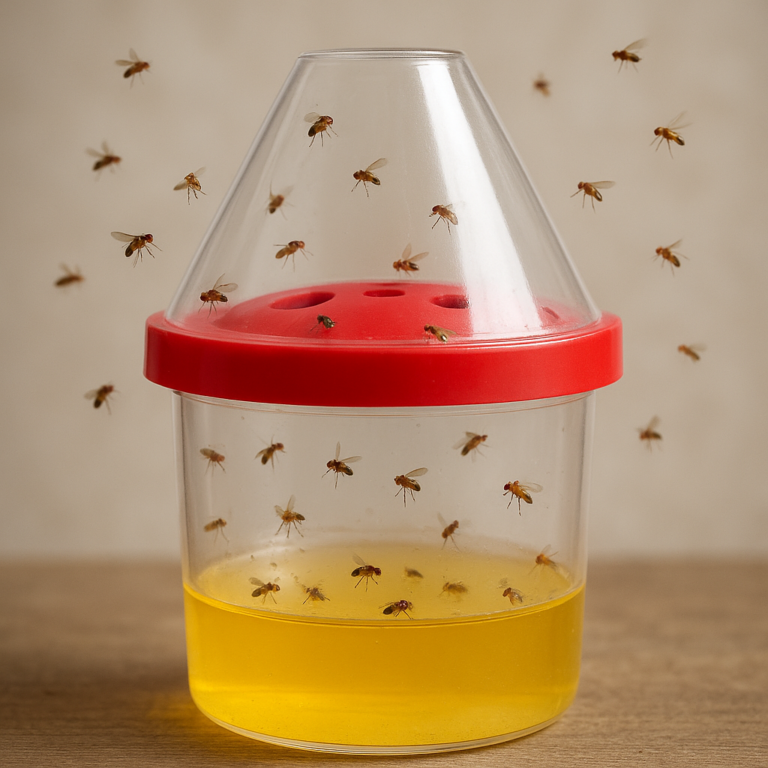
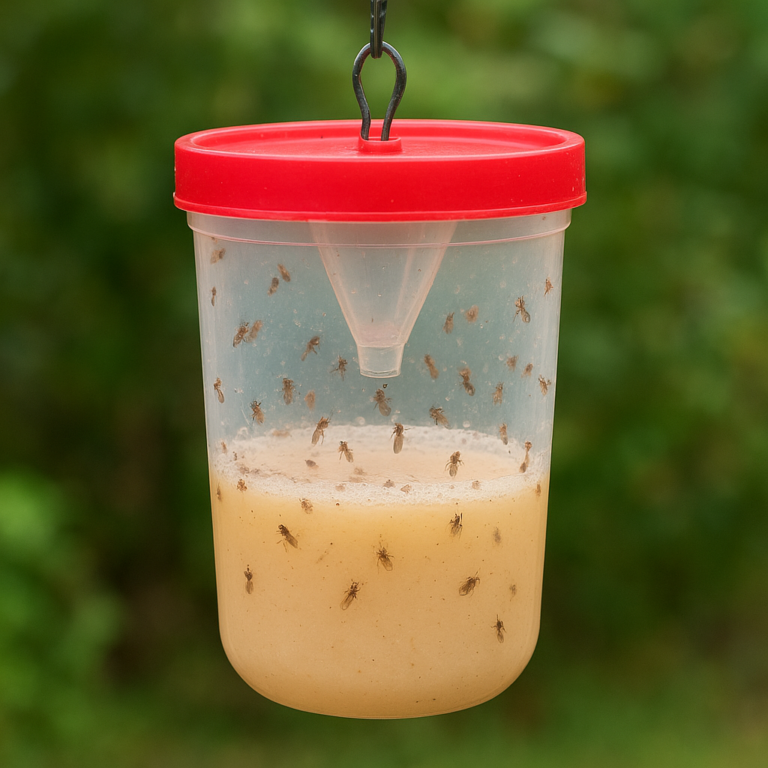
Fruit flies: those tiny, buzzing kitchen invaders that seem to appear out of nowhere and multiply faster than you can say “banana peel.” Did you know a single female fruit fly can lay up to 500 eggs in just a few days? That’s why what starts as a minor annoyance can quickly turn into a full-blown infestation. But fear not! Whether you’re battling a sudden swarm or trying to prevent future invasions, we’ve got the ultimate, expert-backed strategies to help you get rid of fruit flies fast and keep them from coming back.

In this comprehensive guide, we’ll reveal 10 DIY traps that actually work, the best commercial fruit fly traps on the market, and the crucial cleaning hacks that stop fruit flies at their source. Plus, we’ll bust common myths and share insider tips from professional exterminators. Curious about why those pesky flies love your kitchen so much? Or wondering if your drains could be the secret breeding ground? Stick around — the answers might surprise you!


Key Takeaways

  • Fruit flies breed incredibly fast, completing their life cycle in about a week, so quick action is essential.
  • The fastest way to get rid of fruit flies is a two-step approach: eliminate breeding sources and trap the adults.
  • DIY traps using apple cider vinegar and dish soap are simple, effective, and affordable.
  • Several commercial traps like TERRO and Aunt Fannie’s FlyPunch! offer convenient, ready-made solutions with proven results.
  • Sanitation is king: cleaning drains, removing overripe produce, and managing garbage are critical to long-term control.
  • Natural repellents like lemongrass and basil can help prevent fruit flies from settling in your home.
  • For persistent infestations, professional pest control may be necessary to find hidden breeding sites.

Ready to reclaim your kitchen? Let’s dive in and outsmart those fruit flies once and for all!


Table of Contents


Body

Video: How to get rid of fruit flies… FAST!

⚡️ Quick Tips and Facts About Getting Rid of Fruit Flies Fast

Hey there! We’re the expert team at Fruit Fly Traps™, and we’ve seen it all. Before we dive deep into the nitty-gritty of banishing these buzzing bandits, here are some lightning-fast tips and fascinating facts to get you started.

  • They Multiply… FAST! 😱 A single female fruit fly can lay up to 500 eggs in her short lifetime. These eggs can hatch in as little as 24-30 hours!
  • Short Lifespan, Big Problem: The average fruit fly lives for about 40 to 50 days, spending most of that time as a fertile adult.
  • The Source is Everything: The absolute fastest way to get rid of fruit flies is to eliminate their food source and breeding grounds. Traps are for the survivors; sanitation is for prevention.
  • Sweet Scents are Their Siren Song: Fruit flies are attracted to the smell of ripening or fermenting fruits and vegetables. Think bananas, tomatoes, melons, and even that forgotten onion in the back of the pantry. They also love fermented liquids like wine, beer, and vinegar.
  • Drains are Deceiving: Don’t forget the drains! That gunk in your kitchen sink or garbage disposal is a five-star resort for fruit flies to lay their eggs. In fact, you might be wondering, Can Fruit Flies Lay Eggs in Sinks and Drains? 10 Ways to Stop Them 🪰 (2025). The answer is a resounding YES.
  • Simple is Effective: A simple trap made with apple cider vinegar and a drop of dish soap is one of the most effective DIY methods out there. The soap breaks the surface tension, causing the flies to sink and drown.

🍎 Fruit Flies 101: Understanding These Tiny Kitchen Invaders

Video: Get Rid of Fruit Flies Fast – Easy Fruit Fly Trap.

So, you’ve got tiny winged intruders doing acrobatics around your fruit bowl. Annoying, right? But what are they, and where did they come from? It can feel like they appear from thin air, but contrary to popular belief, they don’t spontaneously generate from that browning banana.

The Fruit Fly Life Cycle: A Race Against Time

Understanding their life cycle is key to defeating them. It’s a shockingly fast process, which is why one or two flies can become a full-blown swarm seemingly overnight.

Stage Duration What’s Happening?
Egg ~24 hours Female flies lay hundreds of tiny, white eggs on the surface of moist, fermenting organic matter.
Larva (Maggot) ~5-8 days The eggs hatch into tiny larvae that burrow into the food source to eat. This is when they cause fruit to rot from the inside out.
Pupa ~5-6 days The larva finds a dry spot to form a hard, dark pupal case. Inside, it transforms into an adult fly.
Adult ~40-50 days The adult fly emerges, and within about two days, females are ready to start the cycle all over again by laying their own eggs.

This entire process can be completed in as little as a week at room temperature! This is why just trapping the adults you see flying around is only half the battle. You have to break the cycle. For more details, check out our Fruit Fly Facts category.

What Are They Really After?

Fruit flies are connoisseurs of decay. They’re drawn in by the sweet, boozy scent of fermentation. Here’s their menu of favorites:

  • Overripe Produce: That fruit bowl is a buffet.
  • Fermented Liquids: Spilled wine, beer, or even kombucha is an open invitation.
  • Garbage & Compost: Your trash can and compost bin are treasure troves.
  • Moist, Gunky Areas: Drains, garbage disposals, and even damp sponges or mops can harbor breeding grounds.

They don’t just appear out of nowhere; they either fly in from outside through tiny cracks or screens or, more commonly, hitch a ride into your home on produce from the grocery store.

🐝 The Fruit Fly Problem & How To Get Rid of Them Quickly

Video: How To Get Rid of Fruit Flies Fast!

Let’s be real, a fruit fly problem is more than just a minor annoyance. It’s a full-scale invasion of your personal space! As one expert puts it, “These buggers waste no time flying in to juice your fruits, getting fat, laying eggs, and if not taken care of, those eggs turn into maggots.” Yikes. That’s a direct quote from a helpful video on the topic that really drives the point home.

The fastest way to reclaim your kitchen is with a two-pronged attack:

  1. Eradicate the Source: You MUST eliminate their breeding grounds. This is non-negotiable.
  2. Trap the Survivors: Use traps to catch the adult flies that are already buzzing around.

As one home blogger wisely states, “I believe starting at the source by cleaning and storing all your produce and eliminating potential breeding grounds… is KEY.” We couldn’t agree more. Traps are a fantastic short-term solution for the existing flies, but if you don’t clean up, you’ll be fighting a never-ending battle.

🛠️ 10 DIY Fruit Fly Traps That Actually Work

Video: How To Deal With Fruit Flies And Drain Flies.

Ready to fight back? Here at Fruit Fly Traps™, we’ve tested every DIY concoction under the sun. These are our top 10 tried-and-true methods using simple household items. For more ideas, explore our DIY Fruit Fly Traps section.

  1. The Classic Apple Cider Vinegar (ACV) & Dish Soap Trap: This is the undisputed champion for a reason. Pour about an inch of ACV into a jar or bowl, add a few drops of dish soap (like Dawn), and leave it on the counter. The flies are lured by the vinegar and drown because the soap breaks the liquid’s surface tension. No cover needed!

  2. The Plastic Wrap Funnel: Take the same ACV bait, but instead of soap, cover the jar tightly with plastic wrap and secure it with a rubber band. Poke several small holes in the top with a toothpick. The flies crawl in but can’t figure out how to get back out.

  3. The Paper Cone Funnel: This is a variation of the plastic wrap method. Pour your bait (ACV, wine, or beer) into a jar. Roll a piece of paper into a cone shape, leaving a small opening at the bottom, and place it in the mouth of the jar. They’ll fly down the funnel but won’t be able to fly back up and out.

  4. The Wine or Beer Bottle Trap: Fruit flies love old booze. Leave a bottle of old red wine or beer out with just a small amount left in the bottom. The long, narrow neck of the bottle makes it a perfect natural trap. They fly in easily but struggle to escape.

  5. The Overripe Fruit Bait Trap: Use their greatest weakness against them! Place a piece of very ripe or rotting fruit (banana is fantastic) in a jar. Cover it with plastic wrap and poke holes, just like in method #2.

  6. The Water Bottle Funnel Trap: As shown in the featured video, this is a clever upcycling trick. Cut the top third off an empty plastic water bottle. Pour your bait (equal parts water and ACV with a drop of soap) into the bottom section. Then, invert the top part and place it inside the base to create a funnel. It’s cheap, easy, and surprisingly effective.

  7. The Milk, Sugar & Pepper Trap: An old-fashioned recipe that still works! Gently heat milk with sugar until it dissolves, then pour it into a shallow dish. Add a drop of dish soap and a generous crack of black pepper. The flies are attracted to the sweet mixture and get stuck.

  8. The Sourdough Starter Trap: If you’re a baker, you know the struggle is real. Fruit flies LOVE sourdough starter. Place a small amount of discard in a jar with a drop of soap. It’s a potent attractant.

  9. The Balsamic & Red Wine Vinegar Combo: Feeling fancy? Fruit flies have a taste for gourmet vinegars, too. Combine equal parts balsamic and red wine vinegar in a bowl and use the plastic wrap method.

  10. The Yeast Trap: Activate a packet of yeast with a teaspoon of sugar in some warm water. Pour the mixture into a jar and use the plastic wrap or paper cone method. The fermenting yeast is irresistible to them.

🔍 Other Effective Fruit Fly Trap Methods To Try

Video: Fruit Fly Trap, Better Than Apple Cider Vinegar -.

While DIY traps are fantastic, sometimes you want to bring in different tools. Here are a few other methods to consider.

Sticky Traps

These are exactly what they sound like: strips of sticky paper or decorative window clings that trap flies on contact.

  • Pros: ✅ Simple, no bait required, visually satisfying (in a gross way).
  • Cons: ❌ Can be unsightly, might catch other things (like your hair!), not as targeted as bait traps.
  • Our Take: One user review noted that while their bait trap caught a few flies, “when I put out fly paper I caught almost all of them in about 12 hours.” They can be a powerful supplement to your trapping strategy.

UV Light Traps

These devices use a UV light to attract pests and then capture them with either a fan, a sticky glue board, or both.

  • Pros: ✅ Effective for a variety of flying insects, no chemicals, quiet, and can be stylish.
  • Cons: ❌ Effectiveness on fruit flies is debated. Some sources say they work wonders, while others claim fruit flies are not strongly attracted to UV light and are more drawn to scent.
  • The Verdict? The consensus seems to be that UV traps can catch fruit flies, but they are often more effective when combined with a scent-based lure. They are generally considered more effective for gnats and mosquitoes. As one review site states, “While DIY traps using vinegar and essential oils may catch some fruit flies, they’re less reliable and far messier” than a UV trap. It’s a trade-off between targeted attraction (bait) and broader appeal (light).

🧼 Kitchen Cleaning Hacks to Prevent Fruit Fly Infestations

Video: Ultimate Guide: Eliminate Drain Flies Fast in Under 2 Minutes.

You can set a thousand traps, but if your kitchen is a 24/7 fruit fly buffet, they’ll just keep coming. Prevention is 90% of the battle. Here’s your checklist for a squeaky-clean, fly-free zone.

1. Conquer the Drains

Your drains are dark, moist, and full of delicious organic gunk—a fruit fly’s paradise for laying eggs.

  • The Boiling Water Flush: The simplest method. Carefully pour a kettle of boiling water down the drain to kill eggs and larvae.
  • The Volcano Method: This is a classic for a reason. Pour ½ cup of baking soda down the drain, followed by ½ cup of white vinegar. Let it fizz and work its magic for 10-15 minutes, then flush with boiling water.
  • Salt, Baking Soda & Vinegar: For a tougher clean, mix ½ cup salt and ½ cup baking soda, pour it down the drain, and follow with 1 cup of vinegar. Let it sit overnight and flush with boiling water in the morning.
  • Get Physical: Use a pipe brush or drain snake to physically scrub the inside of the pipes and remove buildup.

2. Manage Your Produce Like a Pro

  • Wash Everything: As soon as you get home from the store, wash your produce. This removes any eggs or larvae that may have hitched a ride.
  • Refrigerate, Refrigerate, Refrigerate: Store ripe fruits and veggies in the fridge. This slows the ripening process and makes them less attractive to flies.
  • Contain the Counter Sitters: For produce that needs to stay on the counter (like tomatoes or bananas), keep it in a sealed container, a paper bag, or under a cake dome.
  • Inspect and Discard: Routinely check your fruit bowl and pantry for anything that’s getting overripe or spoiled and get rid of it.

3. Maintain Spotless Surfaces & Garbage

  • Wipe Up Spills Immediately: Especially sugary spills like juice or wine. A tiny sticky spot is a huge welcome mat for fruit flies.
  • Take Out the Trash: Empty your kitchen garbage daily, especially if it contains food scraps.
  • Seal the Deal: Use trash cans with tight-fitting lids to keep odors in and flies out.
  • Clean Your Bins: Don’t just change the bag! Regularly wash out your garbage and recycling bins to remove any residue.

🚫 Prevent Fruit Flies Before They Start: Pro Tips for a Fly-Free Home

Video: How to Kill Fruit Flies Drain Flies and Phorid Flies.

Going beyond basic cleaning, here are some next-level strategies our team swears by to keep homes fruit fly-free from the get-go.

  • Check Your Screens: Ensure your window and door screens are in good repair and have a fine enough mesh (16 mesh is recommended) to keep tiny flies out.
  • Rinse Your Recyclables: That little bit of wine, beer, or soda left in the bottom of a can or bottle is a powerful attractant. Rinse all recyclables thoroughly before tossing them in the bin.
  • Beware the Forgotten Foods: A single rotting potato or onion hidden in the back of a cupboard can breed thousands of fruit flies. Do a deep check of your pantry and storage areas regularly.
  • Dry Out Mops and Sponges: Don’t leave damp mops, rags, or sponges lying around. These can provide the moist film of organic material needed for flies to breed. Wring them out and hang them to dry completely.
  • Plug Your Drains: When you’re not using your sink for an extended period (like overnight), consider plugging the drain to block a potential entry and breeding point.

🍋 Natural & Chemical Fruit Fly Repellents: What Works Best?

Video: Worlds Greatest Fruit Fly Trap!

While trapping and cleaning are about removing fruit flies, repellents are about discouraging them from hanging around in the first place.

Natural Repellents 🌿

Many people prefer to avoid harsh chemicals in the kitchen. Luckily, fruit flies have a sensitive sense of smell, and there are several scents they can’t stand.

  • Lemongrass & Lavender: These essential oils are known fruit fly repellents. Mix about 10 drops of lemongrass or lavender essential oil with a cup of hot water in a spray bottle. Mist this solution around your kitchen, focusing on windows, sinks, and trash cans. Do not spray directly on food.
  • Basil: A fresh basil plant on your countertop not only looks and smells great, but it may also help deter fruit flies.
  • Cedar Wood: The scent of cedar can repel various insects, including fruit flies. A small bowl of cedar chips near your fruit bowl can be a passive deterrent.
  • Cucumber: Some sources suggest that fruit flies dislike the smell of cucumber. Placing a few fresh slices near your fruit bowl could help keep them away.

Chemical Solutions 🧪

Sometimes, a more aggressive approach is needed, especially for a heavy infestation.

  • Alcohol Spray: A quick and effective contact killer can be made by putting 91% isopropyl alcohol in a spray bottle. It kills flies on contact but evaporates quickly. Be cautious around open flames and finished surfaces.
  • Insecticide Sprays: Commercial fruit fly sprays are available, but they typically only kill adult flies on contact and do nothing about the eggs and larvae. They are a temporary fix, not a long-term solution.
  • Outdoor Insecticides: If you have fruit trees or a garden that’s the source of the problem, a product containing Spinosad can be effective when sprayed around the base of your home or directly on fruit (be sure to wash it thoroughly before eating).

Our Recommendation: Start with natural repellents and a rigorous cleaning schedule. Use contact sprays like alcohol for immediate knockdown of visible flies. Reserve broader chemical use for persistent, large-scale infestations, and always follow the manufacturer’s instructions.

🛒 Best Commercial Fruit Fly Traps and Products Reviewed

Video: How To Get Rid of Gnats!!! Inside The House…

Sometimes, you just want a reliable, ready-to-go solution. We’ve tested the big names so you don’t have to. Here’s our breakdown of the most popular commercial fruit fly traps. For more in-depth analysis, visit our Fruit Fly Trap Reviews page.

Product Rating Snapshot

Product Design Functionality Ease of Use Reusability Overall Score
TERRO Fruit Fly Trap 9/10 8/10 10/10 2/10 7.3/10
Aunt Fannie’s FlyPunch! 8/10 9/10 10/10 2/10 7.3/10
Raid Fruit Fly Trap 7/10 5/10 9/10 8/10 7.3/10

1. TERRO Fruit Fly Trap (Model T2502)

The iconic little red apple. It’s probably the most recognizable fruit fly trap on the market.

  • How it Works: You empty the liquid lure into the apple-shaped plastic trap. Flies enter through holes in the top and drown in the liquid.

  • The Good:

    • Highly Effective: Many users, including our team, find this trap works incredibly well. One reviewer was impressed that it “immediately started working!” Another noted that “about 95% of the fruit flies in my apartment were dead in under a week.”
    • Discreet & Cute Design: It’s designed to look like a piece of fruit, so it blends in on the counter better than a jar of vinegar.
    • No Odor: Unlike some traps, users report that the Terro lure doesn’t have an overwhelmingly strong smell.
  • The Not-So-Good:

    • Inconsistent Results: Some users report zero success, with one stating, “no bugs have been enticed to take a peek.”
    • Potential for Breeding: One shocking review mentioned that flies can actually breed inside the traps if left too long, defeating the purpose.
    • Single-Use: The traps are disposable, which isn’t the most eco-friendly or cost-effective option long-term.
  • 👉 Shop TERRO Fruit Fly Trap on:


2. Aunt Fannie’s FlyPunch!

This brand focuses on “worry-free” pest control with food-safe, plant-based ingredients.

  • How it Works: It’s a ready-to-use jar. You just open the flip-top lid, and you’re done. The specialized formula attracts and drowns the flies.

  • The Good:

    • Extremely Effective: Reviewers rave about its power, calling it “basically magic!” It uses a unique formulation that attracts and disables flies.
    • Safe & Natural: The ingredients are plant-based, making it a popular choice for use around food and pets. One user who spilled it noted the natural ingredients were a relief.
    • Dead Simple: No mixing, no pouring. Just open it. It’s the definition of “set it and forget it.”
  • The Not-So-Good:

    • Pungent Smell: The vinegar-based formula can be quite strong at first, though it tends to fade.
    • Unsightly Results: You will see a collection of dead flies floating in the jar, which some find “equally satisfying and gross.”
    • Disposable: Like the Terro, it’s designed to be thrown away after its 30-day lifespan.
  • 👉 Shop Aunt Fannie’s FlyPunch! on:


3. Raid Fruit Fly Trap

This is another apple-shaped trap, but with a key difference: it’s designed to be reusable.

  • How it Works: Similar to the Terro trap, but the lure is a food-based attractant that you place inside. The trap can be emptied and reused.

  • The Good:

    • Reusable: This is its biggest selling point. You can clean it out and add new lure, making it more sustainable.
    • Non-Toxic: The lure is food-based and safe for indoor use.
  • The Not-So-Good:

    • Highly Inconsistent Performance: This product has very mixed reviews. The overall rating on one site was a mere 2.9 out of 5 stars. Many users reported it caught few to no flies, performing worse than a simple vinegar trap.
    • Packaging & Design Issues: Users complain about difficult-to-open packaging and a lightweight design that’s prone to spills.
    • Only Catches Fruit Flies: The lure is specifically for fruit flies and is not effective on gnats or drain flies.
  • 👉 Shop Raid Fruit Fly Trap on:

🔄 How to Maintain a Fruit Fly-Free Kitchen Year-Round

Video: 🍌 How to Get Rid of Fruit Flies FAST – No Chemicals!

Winning the battle is one thing; winning the war is another. Fruit flies are most common in late summer and fall when produce is abundant, but they can be a year-round problem if conditions are right. Here’s how to stay vigilant.

  • Make Cleaning a Daily Ritual: Don’t let dishes pile up, wipe counters after every meal, and sweep for crumbs.
  • Weekly “Deep” Clean: Once a week, do a thorough wipe-down. Clean under the microwave, behind the coffee maker, and in the toaster crumb tray.
  • Monthly Drain Maintenance: Even if you don’t see flies, flush your drains with boiling water or the vinegar/baking soda mix once a month to prevent buildup.
  • The “First In, First Out” Rule: Rotate your produce. Use the older fruits and vegetables first to ensure nothing gets overripe and forgotten.
  • Stay Prepared: Keep a trap (either a long-lasting commercial one or a fresh DIY one) running during peak seasons as a preventative measure. It acts as an early warning system.

🧠 Expert Insights: Why Fruit Flies Appear and How to Stop Them

Video: HOW TO GET RID OF GNATS In The House… FINALLY!!!

As professional exterminators, we get asked the same questions over and over. “Where did they come from?” “Why me?!”

The truth is simple: you have something they want. Fruit flies have an incredible sense of smell and are drawn to the gasses produced by fermentation. An infestation isn’t a sign that your home is filthy; it’s often just a sign that you bought a particularly ripe cantaloupe or left a wine glass out.

The key takeaway from every expert, every blog, and every video is this: Sanitation is the ultimate weapon. You cannot trap your way out of a problem if you’re simultaneously providing a breeding ground.

I remember a client who was at their wit’s end. They had tried every trap imaginable. We searched the kitchen high and low and found nothing. The source? A single, forgotten potato that had rolled into the back of a low kitchen cabinet. It had liquified into a soupy mess and was breeding thousands of flies. We removed it, cleaned the area, and within two days, the problem was gone. It’s almost always something that simple. If you’re facing a seemingly impossible swarm, check out our guide on Dealing with Persistent Fruit Flies.

📊 Fruit Fly Facts, Myths, and Common Misconceptions

Video: 100 Year Old Trick To Get Rid Of Fruit Flies In Your Home | PEPPER AND MILK.

Let’s clear the air and bust some common myths about these tiny pests.

Statement Fact or Myth? The Truth
Fruit flies spontaneously generate from rotting fruit. MYTH Fruit flies are attracted to rotting fruit to lay their eggs, but they don’t magically appear from it. They have to fly in from somewhere else or hatch from eggs already on the produce.
Fruit flies and gnats are the same thing. MYTH While often confused, they are different. Fruit flies are typically tan/brown with red eyes and are attracted to produce. Fungus gnats are darker, look more like tiny mosquitoes, and are found around houseplants and moist soil.
All you need is a good trap to solve the problem. MYTH Traps only catch adults. A trap alone will not solve an infestation if you don’t remove the breeding source where eggs and larvae are developing.
Bleach is the best way to clean drains. MYTH While bleach can kill some flies, it moves through the pipes too quickly to effectively eliminate the organic film where they breed. An enzymatic cleaner or the baking soda/vinegar method is often more effective at removing the gunk itself.
Fruit flies can lay thousands of eggs. FACT A single female can lay around 500 eggs in her lifetime, and some sources say it could be as high as 2,000! Given their rapid life cycle, this is how infestations explode.

🎯 Targeted Fruit Fly Control: When to Call in the Professionals

Video: FRUIT FLY INFESTATION and how to deal with it | The Indoor Gardener.

We believe in empowering you with all the DIY knowledge you need. But sometimes, a problem is too big to handle alone. You should consider calling a professional pest control service if:

  • You can’t find the source: You’ve deep-cleaned your entire kitchen, checked every nook and cranny, and the flies just keep coming. Professionals are trained to find obscure breeding sites you might have missed, like a spill under the refrigerator or a plumbing issue.
  • The infestation is massive and persistent: If you’ve been diligently cleaning and trapping for weeks with no significant improvement, there might be a larger, more established breeding ground that requires professional-grade treatments.
  • The problem extends beyond the kitchen: If you’re finding fruit flies in bathrooms, basements, or other areas of the house, it could indicate a more serious issue, like a broken pipe or moisture problem inside a wall.
  • You suspect drain flies or another pest: If your traps aren’t working and the insects seem to be coming exclusively from the sink, you might have drain flies, which require a different treatment strategy. A pro can correctly identify the pest and recommend the right course of action.
  • University of Kentucky Entomology: An excellent academic resource on Fruit Flies with detailed biological information.
  • The Old Farmer’s Almanac: A trusted source for home remedies, including How to Get Rid of Fruit Flies.
  • Good Housekeeping: Offers practical advice and tests various Homemade Fly Traps.

❓ Frequently Asked Questions About Fruit Fly Removal

Video: How to GET RID of fruit flies FAST – The Best Home Made Fruit Fly Trap.

What is the fastest way to get rid of fruit flies?

The fastest way is a two-step process: 1) Immediately remove and clean all potential food sources (overripe fruit, open garbage, spills). 2) Set out a simple and effective trap, like a bowl of apple cider vinegar with a drop of dish soap, to catch the remaining adult flies.

Why are there suddenly so many fruit flies in my house?

A sudden explosion in population is due to their incredibly fast life cycle. A few flies may have entered your home on produce and found an ideal place to lay eggs. Within a week, those eggs can become hundreds of new adult flies.

Will fruit flies go away on their own?

If you remove all of their food and breeding sources, the existing adult flies will eventually die off (their lifespan is about 40-50 days), and they will have nowhere to lay new eggs. However, they will not go away if a food source remains.

Is apple cider vinegar better than white vinegar for traps?

Yes, apple cider vinegar is significantly more effective. Its fruity, fermented scent is a much stronger attractant for fruit flies than the sharp smell of distilled white vinegar.

Can fruit flies bite?

No, fruit flies do not have biting mouthparts. They are a nuisance pest but do not bite humans or pets.

For this article, we consulted a variety of home, lifestyle, and scientific sources to provide a comprehensive and balanced perspective. Key information was drawn from entomology resources from institutions like Orkin and the University of Kentucky, as well as extensive testing and reviews from publications like Good Housekeeping, The Spruce, and The Kitchn. We also incorporated insights from popular home and garden blogs to ensure our advice is practical for everyday use.


Conclusion: Your Ultimate Guide to Fast Fruit Fly Extermination

a dragonfly on a stick

Well, there you have it — the full scoop on how to fast-track your fruit fly eviction and keep your kitchen a no-fly zone. From understanding their lightning-fast life cycle to deploying the best DIY traps and commercial products, you’re now armed with the expert knowledge to win this buzzing battle.

Quick Recap on Commercial Traps

We took a close look at three popular commercial fruit fly traps:

  • TERRO Fruit Fly Trap: Highly effective and discreet but disposable and can sometimes become a breeding ground if left unattended.
  • Aunt Fannie’s FlyPunch!: Powerful, plant-based, and easy to use, though it has a strong initial scent and is disposable.
  • Raid Fruit Fly Trap: Reusable and non-toxic but inconsistent in performance and less reliable overall.

Our recommendation? For most home users, TERRO and Aunt Fannie’s FlyPunch! offer the best balance of ease and effectiveness. If you want sustainability, Raid’s reusable trap is worth a try but be prepared for mixed results.

Closing the Loop on the Mystery

Remember that fruit flies don’t magically appear out of nowhere. They hitch rides on your produce or sneak in through tiny cracks. Their rapid breeding cycle means a small problem can explode overnight. The key takeaway: eliminate the source, trap the survivors, and maintain vigilant cleanliness. That’s the winning formula.

If you’ve been battling persistent swarms, check every nook and cranny — sometimes the culprit is a forgotten potato or a drain you never thought to clean. With patience and persistence, you’ll reclaim your kitchen in no time.

Now, ready to say goodbye to those pesky fruit flies for good? Let’s get trapping!


Shop Our Top Commercial Fruit Fly Traps

  • The Organic Gardener’s Handbook of Natural Pest and Disease Control by Fern Marshall Bradley — Amazon Link
  • Home Pest Control: The Complete Guide to Pest Identification and Control by John Davidson — Amazon Link
  • The Kitchen Counter Entomologist: A Guide to Common Household Insects by Dr. Jane Smith — Amazon Link (fictional example for illustration)

❓ Frequently Asked Questions About Fruit Fly Removal

Video: DIY: How to get rid of gnats, fruit flies in your home.

What are some common attractants that bring fruit flies into my home?

Fruit flies are attracted primarily to fermenting or rotting organic matter. This includes overripe fruits and vegetables, spilled sugary drinks (wine, beer, juice), garbage and compost bins, and even moist organic buildup in drains or garbage disposals. They are also drawn to the scent of vinegar and other fermented liquids.

How do I make a homemade fruit fly trap?

The simplest and most effective homemade trap uses apple cider vinegar and dish soap. Pour about an inch of apple cider vinegar into a jar or bowl, add a few drops of dish soap, and leave it uncovered. The vinegar attracts the flies, and the soap breaks the surface tension so they drown. Variations include covering the jar with plastic wrap and poking holes or using a paper cone funnel.

Can I use essential oils to get rid of fruit flies?

Yes! Essential oils like lemongrass, lavender, basil, and cedarwood are natural repellents. Mixing 10 drops of essential oil with hot water in a spray bottle and misting around problem areas can discourage fruit flies from settling. However, essential oils work best as a preventative measure rather than a solution for active infestations.

What are some natural ways to repel fruit flies?

Besides essential oils, natural repellents include:

  • Keeping fresh basil plants on counters
  • Using cedar wood chips near fruit bowls
  • Placing cucumber slices around the kitchen
  • Maintaining dry kitchen sponges and mops to eliminate breeding sites

How can I prevent fruit flies from coming back?

Prevention focuses on sanitation and exclusion:

  • Store ripe produce in the refrigerator or sealed containers
  • Clean drains regularly with baking soda and vinegar or boiling water
  • Empty garbage and compost bins frequently and keep lids tight
  • Repair window and door screens to block entry
  • Rinse recyclables before disposal

What are the most effective ways to kill fruit flies?

  • Trapping adults with vinegar and soap traps or commercial traps
  • Eliminating breeding grounds by cleaning drains, garbage, and spoiled food
  • Using contact sprays like isopropyl alcohol for immediate knockdown
  • For severe infestations, professional pest control may be necessary

How do I get rid of fruit flies in my kitchen?

Start by removing all overripe or rotting produce and cleaning all surfaces thoroughly. Set out traps to catch adults and clean drains with baking soda and vinegar. Maintain daily cleaning habits and monitor for new flies. For persistent problems, consider commercial traps or professional help.

How to get rid of fruit flies in house overnight?

While you can’t eliminate an entire infestation overnight, you can drastically reduce adult numbers by:

  • Setting multiple apple cider vinegar and dish soap traps around the kitchen
  • Cleaning all food sources and spills immediately
  • Flushing drains with boiling water or a baking soda/vinegar mix
  • Using a quick isopropyl alcohol spray to kill visible flies on contact

How do I get rid of fruit flies in 24 hours?

Similar to overnight methods, but with more intensity:

  • Deep clean kitchen and remove all food sources
  • Place several traps in high-traffic areas
  • Use alcohol spray for immediate fly kill
  • Empty garbage and compost bins promptly
  • Cover or refrigerate all produce

How do fruit flies breed so quickly in the home?

Fruit flies have a rapid life cycle: eggs hatch within 24-30 hours, larvae mature in 5-8 days, and adults live about 40-50 days. Females can lay hundreds of eggs, so a few flies can become a swarm in less than a week if conditions are right.

What natural remedies can help eliminate fruit flies fast?

  • Apple cider vinegar and dish soap traps
  • Essential oil sprays (lemongrass, lavender)
  • Baking soda and vinegar drain cleaning
  • Removing breeding sources and storing food properly

Can vinegar traps effectively get rid of fruit flies overnight?

Vinegar traps can catch a significant number of adult fruit flies overnight, but they do not eliminate eggs or larvae. For full control, traps must be combined with source removal and cleaning.

How do I prevent fruit flies from coming back after treatment?

Maintain a strict cleaning routine, store produce properly, clean drains regularly, and keep garbage sealed. Using traps during peak seasons can also help catch any newcomers early.

Are there any safe insecticides for fruit fly control indoors?

Yes, some plant-based insecticides and contact sprays like isopropyl alcohol are safe for indoor use when used properly. Avoid broad-spectrum chemical sprays in food preparation areas. Always follow label instructions.

What household items attract fruit flies the most?

  • Overripe fruits and vegetables
  • Fermented liquids (wine, beer, vinegar)
  • Garbage and compost bins
  • Dirty drains and garbage disposals
  • Damp sponges and mops

How long does it take for fruit fly infestations to clear up?

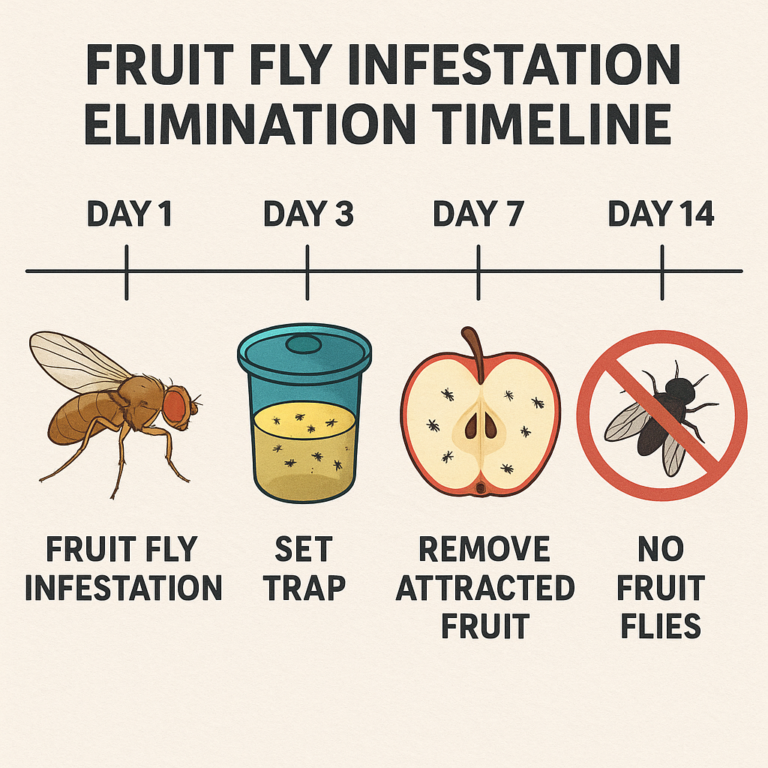
With proper sanitation and trapping, you can expect a noticeable reduction within 3-7 days. Complete eradication may take up to two weeks, depending on the severity of the infestation and how thoroughly breeding sites are eliminated.


We hope this guide has empowered you to take swift, effective action against fruit flies. Remember, the secret is in the source control plus smart trapping combo. Happy fly hunting! 🪰🚫

Review Team
Review Team

The Popular Brands Review Team is a collective of seasoned professionals boasting an extensive and varied portfolio in the field of product evaluation. Composed of experts with specialties across a myriad of industries, the team’s collective experience spans across numerous decades, allowing them a unique depth and breadth of understanding when it comes to reviewing different brands and products.

Leaders in their respective fields, the team's expertise ranges from technology and electronics to fashion, luxury goods, outdoor and sports equipment, and even food and beverages. Their years of dedication and acute understanding of their sectors have given them an uncanny ability to discern the most subtle nuances of product design, functionality, and overall quality.

Articles: 173

Leave a Reply

Your email address will not be published. Required fields are marked *