Support our educational content for free when you purchase through links on our site. Learn more
7 Genius Fruit Fly Traps That Actually Work (2025) 🪰

Ever felt like your kitchen has turned into a buzzing fruit fly nightclub? You’re not alone! These tiny pests multiply faster than you can say “apple cider vinegar,” turning your fresh fruit bowl into their personal buffet. But fear not — we’ve cracked the code on the 7 most effective fruit fly traps that will help you reclaim your kitchen in 2025. From classic DIY vinegar traps to sleek commercial options, this guide is packed with insider tips, proven recipes, and expert advice from the pest pros at Fruit Fly Traps™.
Did you know a single female fruit fly can lay up to 500 eggs in just a few days? That’s why catching them early and placing traps strategically is crucial. Ready to learn the secrets to outsmarting these buzzing invaders? Let’s dive in!
Key Takeaways
- Fruit flies breed rapidly and thrive on fermenting fruits, drains, and garbage — making prevention as important as trapping.
- DIY traps using apple cider vinegar and dish soap are simple, effective, and eco-friendly.
- Commercial traps like Terro and Trappify offer convenience, sleek design, and reusable options for ongoing control.
- Strategic trap placement near fruit bowls, drains, and trash bins maximizes catch rates.
- Regular kitchen cleaning and sealing food are essential to prevent reinfestation.
- For quick chemical-free knockdown, explore our 7 Best Fruit Fly Sprays to Zap Pesky Pests in 2025 🪰.
👉 Shop top commercial fruit fly traps:
- Terro Fruit Fly Trap: Amazon | Walmart | Terro Official Website
- Trappify Fruit Fly Trap: Amazon | Walmart | Trappify Official Website
Table of Contents
- ⚡️ Quick Tips and Facts
- 🔍 The Tiny Terrorists: Unmasking the Fruit Fly (Drosophila melanogaster)
- 📜 A Brief History of Our Battle Against the Buzzing Brigade
- 🍎 Why Your Kitchen is a Five-Star Resort for Fruit Flies
- ⚔️ The Great Trap-Off: DIY vs. Commercial Fruit Fly Solutions
- 🛠️ Your DIY Arsenal: Crafting the Ultimate Homemade Fruit Fly Traps
- 🎯 Strategic Placement: Where to Deploy Your Fruit Fly Traps for Maximum Impact
- 🛒 Beyond the DIY: Top Commercial Fruit Fly Traps We Swear By
- 🛡️ Prevention Power: Stopping Fruit Flies Before They Even Start
- 💪 Advanced Maneuvers: When Fruit Flies Play Hard to Get
- 🤔 Myth vs. Reality: Debunking Common Fruit Fly Misconceptions
- ⚠️ Safety First: Keeping Your Home and Loved Ones Safe from Traps and Pests
- ❓ Troubleshooting Your Traps: Why Aren’t They Working?
- ✅ Conclusion: Reclaiming Your Kitchen from the Fruit Fly Fiasco!
- 🔗 Recommended Links: Dive Deeper into Pest Control Wisdom
- ⁉️ FAQ: Your Most Pressing Fruit Fly Questions Answered
- 📚 Reference Links: Our Sources for Fruit Fly Facts
⚡️ Quick Tips and Facts
Welcome to the buzzing world of fruit flies! Before we dive into the juicy details of traps and tactics, here are some quick-fire facts and tips from the pest pros at Fruit Fly Traps™ to get you started on your fruit fly-free journey:
- Fruit flies are tiny but mighty: About 1/8 inch long, with red eyes and a tan to brownish body. They’re attracted to fermenting fruits, veggies, and even your kitchen drain. Source: CDC
- Life cycle lightning round: Egg → larva → pupa → adult — all in about 7-10 days. That means a small infestation can explode overnight!
- Apple cider vinegar (ACV) is your best friend: Its sweet, fermented aroma is irresistible to fruit flies. White vinegar? Not so much.
- Dish soap breaks the surface tension: This causes flies to drown in your trap liquid instead of just landing and flying away.
- Trap placement is key: Near fruit bowls, garbage cans, drains, and compost bins are prime real estate for fruit fly traps.
- Prevention beats cure: Keep your kitchen clean, seal your fruit, and empty trash regularly to starve the flies out.
- DIY traps are effective and eco-friendly: You don’t need harsh chemicals to win this war. We’ll show you how to make traps with stuff you already have at home.
Want to zap those pesky pests fast? Check out our 7 Best Fruit Fly Sprays to Zap Pesky Pests in 2025 🪰 for a quick chemical-free boost!
🔍 The Tiny Terrorists: Unmasking the Fruit Fly (Drosophila melanogaster)
Before we wage war, let’s get to know our enemy. Fruit flies, scientifically known as Drosophila melanogaster, are small, fast-breeding insects that thrive on fermenting fruits and sugary liquids. They’re more than just a kitchen nuisance — they can contaminate food and spread bacteria.
What Makes Fruit Flies So Hard to Catch?
- Super smell sensors: Fruit flies have an incredible ability to detect fermenting fruit from miles away (okay, maybe just your kitchen).
- Rapid reproduction: A single female can lay hundreds of eggs on rotting produce, turning your fruit bowl into a breeding ground in days.
- Tiny size: Their small stature allows them to slip through cracks and crevices, making them elusive.
Fun Fact:
Fruit flies have been used extensively in genetics research due to their quick life cycle and simple genome. So, while they’re pests at home, they’re heroes in science labs! Learn more at NIH.
📜 A Brief History of Our Battle Against the Buzzing Brigade
Fruit flies have been freeloading in kitchens since humans started storing fruit. Historically, people used natural repellents and homemade traps long before commercial products existed.
- Early methods included vinegar traps and wine bottles left out as bait.
- In the 20th century, chemical pesticides were introduced but often proved ineffective indoors and posed safety risks.
- Today, the focus has shifted back to non-toxic, eco-friendly traps and prevention strategies.
Our team at Fruit Fly Traps™ has combined centuries of wisdom with modern science to bring you the best of both worlds: effective, safe, and easy-to-use fruit fly traps.
🍎 Why Your Kitchen is a Five-Star Resort for Fruit Flies
Your kitchen is basically a fruit fly luxury hotel with all the amenities:
- Buffet: Overripe fruits, spilled juices, fermenting veggies, and sugary residues.
- Spa: Moist areas like sink drains, garbage disposals, and damp sponges.
- Nursery: Trash bins and compost piles where eggs hatch undisturbed.
Understanding this helps you target the problem at the source. Cleaning alone won’t cut it if you don’t remove the “five-star amenities.”
⚔️ The Great Trap-Off: DIY vs. Commercial Fruit Fly Solutions
Let’s settle the age-old debate: DIY traps or commercial fruit fly traps?
| Aspect | DIY Fruit Fly Traps | Commercial Fruit Fly Traps |
|---|---|---|
| Cost | ✅ Very low (uses household items) | ❌ Usually more expensive |
| Effectiveness | ✅ High if made correctly | ✅ High, often optimized design |
| Convenience | ❌ Requires setup and maintenance | ✅ Ready to use out of the box |
| Safety | ✅ Non-toxic, eco-friendly | ✅ Usually safe, but check ingredients |
| Aesthetic | ❌ Can be homemade-looking | ✅ Sleek, discreet designs available |
| Reusability | ✅ Reusable with refills | Varies by brand |
Our take? DIY traps are fantastic for quick, budget-friendly control. Commercial traps like the Terro Fruit Fly Trap or Trappify Fruit Fly Trap offer convenience and sleek design, perfect for ongoing control or larger infestations.
🛠️ Your DIY Arsenal: Crafting the Ultimate Homemade Fruit Fly Traps
Ready to roll up your sleeves? Here’s a detailed guide to six of the most effective DIY fruit fly traps that we swear by at Fruit Fly Traps™.
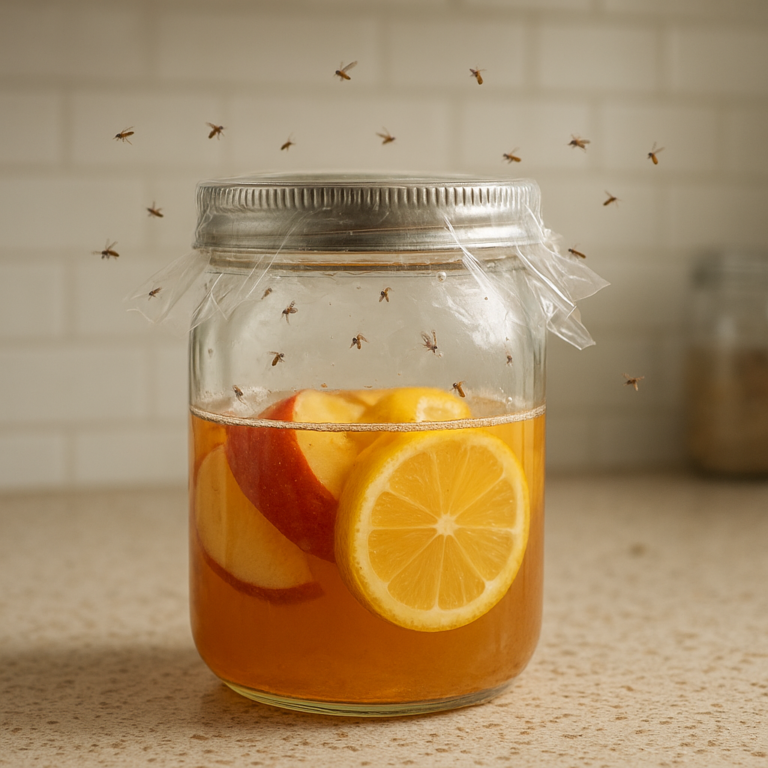
1. The Classic Apple Cider Vinegar Vortex 🍎
Why it works: Apple cider vinegar (ACV) mimics the smell of fermenting fruit, luring fruit flies in. Dish soap breaks the surface tension, causing them to drown.
Supplies Needed:
- Small clear jar or bowl
- 1 tablespoon apple cider vinegar
- ¼ cup water
- 2-3 drops dish soap (e.g., Dawn or Palmolive)
- Optional: plastic wrap and rubber band or perforated lid
Step-by-step:
- Mix ACV and water in the jar.
- Add dish soap but do not stir — this keeps the surface tension low.
- Cover with plastic wrap and poke small holes, or use a lid with holes.
- Place near fruit fly hotspots.
- Replace mixture every 2-3 days or when full of flies.
Pro tip: Use organic apple cider vinegar with the “mother” for extra attraction power.
2. The Fruit Fly’s Last Supper: Ripe Fruit Bait 🍌
Why it works: Fruit flies love the smell of overripe fruit more than vinegar sometimes.
Supplies Needed:
- Small container or jar
- Piece of overripe banana, melon, or pineapple
- Plastic wrap and rubber band
- Toothpick or pin
Step-by-step:
- Place fruit in the container.
- Cover with plastic wrap and secure with a rubber band.
- Poke 2-3 small holes just big enough for flies to enter.
- Set near infestation zones.
- Dispose of fruit and clean container when full.
Heads-up: This trap can attract more flies initially, so be ready to act fast!
3. The Dish Soap Deception: Breaking Surface Tension 🧼
Why it works: Dish soap is the secret weapon that turns vinegar or fruit juice into a deadly trap.
How it works:
- Surface tension normally allows flies to land on liquid without sinking.
- Soap reduces surface tension, causing flies to sink and drown.
- Any mild dish soap works; avoid dishwasher detergents as they can repel flies.
4. The Wine & Beer Bar Trap: A Spirited End 🍷
Why it works: Fermented beverages like wine and beer emit a strong scent that fruit flies find irresistible.
Supplies Needed:
- Empty wine or beer bottle with a bit of liquid left
- Dish soap (optional)
- Paper funnel or plastic wrap with holes
Step-by-step:
- Leave a few inches of wine or beer in the bottle.
- Add a few drops of dish soap to help drown flies.
- Create a paper funnel with a small hole and insert it into the bottle neck, or cover with perforated plastic wrap.
- Place in the infested area.
- Dispose of bottle when full.
Bonus: This trap is great for recycling old bottles and is very low maintenance.
5. The Milk, Sugar & Pepper Potion: An Old-School Charm 🥛
Why it works: This traditional recipe attracts flies with sweet milk and sugar, while pepper acts as a mild irritant trapping them.
Supplies Needed:
- 1 cup milk
- 4 tablespoons sugar
- 2 tablespoons ground black pepper
- Shallow dish or bowl
Step-by-step:
- Mix milk, sugar, and pepper in the bowl.
- Place near fruit fly hotspots.
- Flies are attracted to the sweet scent and get trapped in the liquid.
Note: This trap is less common but surprisingly effective in some homes.
6. The Yeast Feast: A Bubbly Betrayal 🍞
Why it works: Yeast ferments sugar, producing carbon dioxide and alcohol, which fruit flies love.
Supplies Needed:
- 1 tablespoon active dry yeast
- 1 tablespoon sugar
- 1 cup warm water
- Small jar or bottle
Step-by-step:
- Dissolve sugar in warm water.
- Add yeast and stir gently.
- Pour into jar and cover with plastic wrap, poking small holes.
- Place near infestation.
Heads-up: This trap may take a day or two to start producing bubbles and attracting flies.
🎯 Strategic Placement: Where to Deploy Your Fruit Fly Traps for Maximum Impact
Even the best trap won’t work if it’s in the wrong spot! Here’s where to set your traps for maximum fruit fly capture:
- Near fruit bowls or baskets
- Close to kitchen sinks and drains
- Around garbage cans and compost bins
- Near recycling bins with sugary residues
- Close to houseplants if you suspect fungus gnats (often confused with fruit flies)
Pro tip: Place multiple traps around your kitchen and replace bait every few days. Fruit flies are sneaky and love to explore!
🛒 Beyond the DIY: Top Commercial Fruit Fly Traps We Swear By
If you want to skip the mixing and measuring, commercial traps offer plug-and-play convenience with proven effectiveness. Here’s a quick rating table of some favorites:
| Product Name | Design (1-10) | Functionality (1-10) | Ease of Use (1-10) | Eco-Friendliness (1-10) | Overall Score (1-10) |
|---|---|---|---|---|---|
| Terro Fruit Fly Trap | 8 | 9 | 9 | 7 | 8.5 |
| Trappify Fruit Fly Trap | 9 | 8 | 9 | 8 | 8.5 |
| Rescue! Fruit Fly Trap | 7 | 8 | 8 | 7 | 7.5 |
| Aspectek Fruit Fly Trap | 8 | 7 | 8 | 6 | 7.25 |
Terro Fruit Fly Trap
Design: Compact jar with a perforated lid, sleek and discreet.
Functionality: Uses a proprietary attractant that lures fruit flies in and traps them inside.
Ease of Use: Ready to use out of the box, no mixing required.
Eco-Friendliness: Contains non-toxic ingredients, safe for indoor use.
Drawbacks: Needs replacement after a few weeks; not refillable.
Trappify Fruit Fly Trap
Design: Modern, reusable trap with a silicone lid and funnel entry.
Functionality: Uses natural attractants; reusable with homemade bait options.
Ease of Use: Easy to clean and refill.
Eco-Friendliness: Highly eco-friendly due to reusability and non-toxic bait.
Drawbacks: Slightly higher upfront cost.
👉 Shop these commercial traps on:
- Terro Fruit Fly Trap: Amazon | Walmart | Terro Official Website
- Trappify Fruit Fly Trap: Amazon | Walmart | Trappify Official Website
🛡️ Prevention Power: Stopping Fruit Flies Before They Even Start
The best way to win the fruit fly war? Prevent them from showing up in the first place. Here are our top prevention tips:
- Refrigerate or seal fruits and veggies to deny flies their buffet.
- Clean spills immediately, especially sugary or fermented liquids.
- Rinse bottles and cans before recycling to remove residues.
- Empty trash and compost bins daily to avoid breeding grounds.
- Clean kitchen drains and garbage disposals regularly with boiling water or drain cleaners.
- Store pantry items in airtight containers to prevent infestation.
- Use fly screens on windows and doors to keep new flies out.
For more prevention hacks and natural repellents, check out our Fruit Fly Trap Ingredients category.
💪 Advanced Maneuvers: When Fruit Flies Play Hard to Get
Sometimes, fruit flies just don’t quit. If you’re dealing with a persistent infestation, here’s how to escalate your defense:
- Freeze your traps overnight: This kills trapped flies and prevents breeding inside the trap. (Inspired by Instructables)
- Use multiple trap types simultaneously: Combine vinegar traps with wine traps and fruit bait traps.
- Deep clean hidden spots: Check under appliances, inside drains, and behind trash bins.
- Consider professional pest control if infestation is severe or recurring.
- Use natural sprays like pyrethrin-based or neem oil sprays for quick knockdown. (See our 7 Best Fruit Fly Sprays to Zap Pesky Pests in 2025 🪰)
🤔 Myth vs. Reality: Debunking Common Fruit Fly Misconceptions
Let’s bust some myths that might be sabotaging your fruit fly fight:
- Myth: Fruit flies only come from fruit.
Reality: They also breed in drains, garbage disposals, and damp mops. - Myth: Vinegar traps attract more flies to your home.
Reality: They attract flies already inside, helping you trap and eliminate them. - Myth: Fruit flies can survive on clean surfaces.
Reality: They need fermenting organic matter to reproduce and survive. - Myth: Using bleach or harsh chemicals kills fruit flies instantly.
Reality: Chemicals can kill adults but won’t affect eggs or larvae hidden in food or drains.
⚠️ Safety First: Keeping Your Home and Loved Ones Safe from Traps and Pests
Your family’s safety is our top priority. Here’s how to keep fruit fly control safe and effective:
- Use non-toxic, food-safe ingredients in DIY traps (apple cider vinegar, dish soap, fruit).
- Keep traps out of reach of children and pets to avoid accidental ingestion.
- Avoid harsh chemical sprays in food prep areas.
- Dispose of traps carefully to prevent attracting other pests.
- Wash hands after handling traps or cleaning infested areas.
❓ Troubleshooting Your Traps: Why Aren’t They Working?
If your traps seem like a fruit fly party with no guests, here are some common reasons and fixes:
| Problem | Possible Cause | Solution |
|---|---|---|
| No flies caught | Trap placed too far from infestation | Move trap closer to fruit bowls, drains |
| Trap liquid evaporates quickly | Warm environment or uncovered trap | Cover trap with plastic wrap or lid |
| Flies avoid trap | Wrong bait or detergent repels flies | Use apple cider vinegar; avoid scented soaps |
| Trap full but flies still present | New breeding sites nearby | Clean kitchen thoroughly; set multiple traps |
| Flies escape from trap | Holes too large or no soap added | Use smaller holes; add dish soap |
✅ Conclusion: Reclaiming Your Kitchen from the Fruit Fly Fiasco!
Well, there you have it — the ultimate fruit fly survival guide from your friends at Fruit Fly Traps™! Whether you’re a DIY enthusiast or prefer the convenience of commercial traps, you now have the full arsenal to kick those pesky fruit flies to the curb.
Our verdict? DIY traps like the classic apple cider vinegar vortex and the wine bottle trap are incredibly effective, budget-friendly, and eco-conscious. They’re perfect for quick infestations and those who love a hands-on approach. However, if you want something sleek, reusable, and hassle-free, commercial options like the Terro Fruit Fly Trap and Trappify Fruit Fly Trap are excellent investments — combining science-backed attractants with user-friendly designs.
Remember, traps alone won’t win the war. Prevention and strategic placement are your secret weapons. Keep your kitchen clean, seal your fruit, and deploy traps near hotspots. And if fruit flies are stubbornly persistent, try freezing your traps overnight or combining multiple trap types for a knockout punch.
So, ready to say goodbye to those buzzing invaders? Your kitchen is about to become a fruit fly-free zone — and we’re here cheering you on every step of the way! 🍎🪰
🔗 Recommended Links: Dive Deeper into Pest Control Wisdom
Looking to shop the best fruit fly traps or dive deeper into pest control? Here are some top picks and resources:
-
Terro Fruit Fly Trap:
Amazon | Walmart | Terro Official Website -
Trappify Fruit Fly Trap:
Amazon | Walmart | Trappify Official Website -
Books on Pest Control and DIY Traps:
For more DIY recipes and expert tips, visit our DIY Fruit Fly Traps category.
⁉️ FAQ: Your Most Pressing Fruit Fly Questions Answered
How do I get rid of fruit flies in my kitchen?
Getting rid of fruit flies involves a multi-pronged approach:
- Remove attractants: Dispose of overripe fruits, clean spills, and empty trash regularly.
- Set traps: Use DIY traps like apple cider vinegar with dish soap or commercial traps such as Terro or Trappify.
- Clean breeding sites: Scrub drains, garbage disposals, and mop heads where flies may lay eggs.
- Prevent re-infestation: Refrigerate fruits and seal food containers.
Consistency is key — fruit flies breed fast, so act quickly and maintain cleanliness.
What is the best homemade fruit fly trap to use?
The classic apple cider vinegar trap is the gold standard for homemade traps. Its sweet, fermented aroma attracts fruit flies, and the addition of dish soap ensures they drown quickly. Other effective homemade traps include:
- Wine or beer bottle traps with a paper funnel
- Overripe fruit bait traps covered with perforated plastic wrap
- Yeast and sugar fermentation traps for a bubbly attractant
Experiment with what works best in your home, but ACV traps are a reliable starting point.
How long does it take for a fruit fly trap to work?
You’ll usually start seeing trapped fruit flies within 24 to 48 hours of setting your trap. However, the full effect may take several days as you catch multiple generations. Replace bait every 2-3 days to maintain effectiveness and prevent the trap from becoming a breeding ground.
What are some natural ways to keep fruit flies away from my home?
Natural prevention methods include:
- Regularly cleaning kitchen surfaces, drains, and trash bins.
- Refrigerating or sealing fruits and vegetables to deny flies access.
- Using essential oils like lemongrass, peppermint, or eucalyptus as repellents.
- Placing basil or mint plants near windows or fruit bowls.
- Setting up DIY vinegar traps to catch flies early.
These methods reduce reliance on chemicals and keep your home safe for family and pets.
Can fruit flies breed in drains and how do I stop it?
Yes! Fruit flies often breed in kitchen drains and garbage disposals where organic matter accumulates. To stop this:
- Pour boiling water down drains regularly.
- Use a mixture of baking soda and vinegar to clean and deodorize.
- Scrub drain covers and pipes with a brush.
- Consider using enzyme-based drain cleaners that break down organic buildup.
Maintaining clean drains cuts off a major breeding site.
📚 Reference Links: Our Sources for Fruit Fly Facts
- CDC: Fruit Flies Information
- National Institutes of Health: Drosophila melanogaster
- The Spruce: How to Get Rid of Fruit Flies
- Instructables: Easy Fruit Fly Trap
- Homesteading Family: DIY Fruit Fly Trap
- Terro Official Website
- Trappify Official Website
For more expert insights and DIY guides, visit Fruit Fly Traps™.