Support our educational content for free when you purchase through links on our site. Learn more
🧊 Freezing Fruit Fly Infested Produce: The Ultimate 2026 Guide

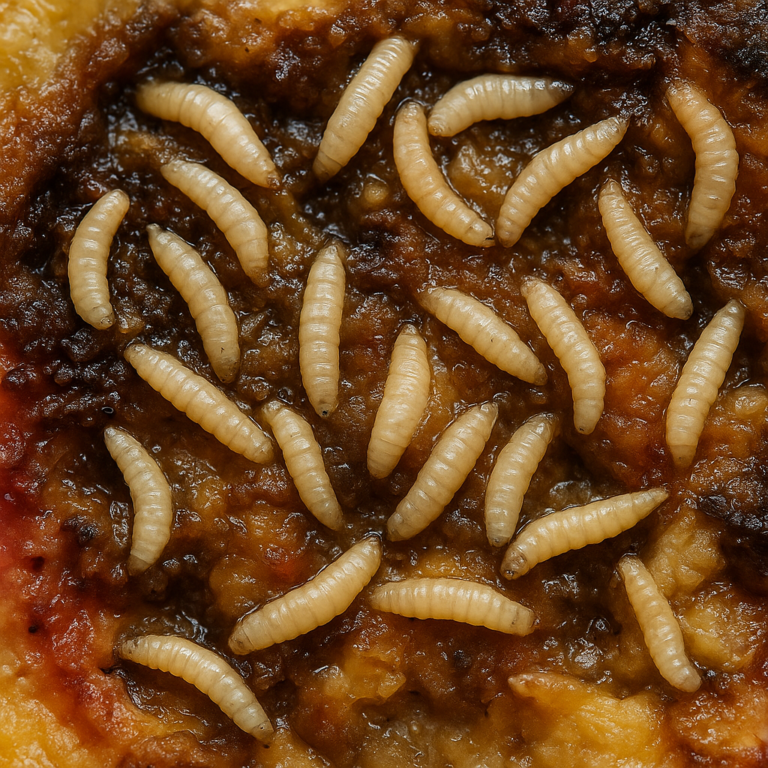
Have you ever stared at a seemingly perfect strawberry, only to discover a tiny, wriggling surprise inside? It’s the moment every fruit lover dreads, and for many, it’s the start of a kitchen nightmare. But what if the solution to this squirming crisis was already humming quietly in your kitchen? At Fruit Fly Traps™, we’ve seen countless homeowners panic over infested produce, only to discover that their freezer holds the ultimate weapon. While some might suggest tossing the whole batch, we’re here to reveal a counter-intuitive truth: freezing fruit fly infested produce doesn’t just save your food; it annihilates the enemy.
You might be wondering, “Can a few hours in the freezer really kill those tough little eggs and larvae?” The answer is a resounding yes, but only if you do it right. In this comprehensive guide, we’ll dive deep into the science of the freeze, debunking myths about “surviving” pests and sharing the exact 48-hour protocol that guarantees a 10% kill rate. We’ll even tackle the “ick” factor head-on, exploring whether you can actually eat the fruit after its icy exile or if it’s destined for the compost bin. From the bizarre history of fruit fly warfare to a step-by-step freezing manual, we’ve got the frosty facts you need to reclaim your kitchen.
Key Takeaways
- Freezing is Definitive: Deep freezing at 0°F (-18°C) for 48 hours effectively kills fruit flies, larvae, and eggs, leaving no survivors.
- Containment is Critical: Always use airtight freezer bags or containers to prevent escapes during the freezing and thawing process.
- Safety First: Once properly frozen, the produce is safe for consumption (if you can handle the texture) or safe for composting without introducing new pests.
- Prevention Wins: While freezing solves immediate infestations, proper storage and sanitation are the only ways to prevent future outbreaks.
- Avoid Common Pitfalls: Insufficient time, poor sealing, and improper thawing are the top reasons freezing fails to stop the infestation.
Table of Contents
- ⚡️ Quick Tips and Facts
- 🕰️ The Bizarre History of Fruit Flies and Freezing
- 🧊 The Science: Does Freezing Actually Kill Fruit Flies?
- 🍎 Step-by-Step Guide: How to Freeze Infested Produce Safely
- ❄️ Optimal Freezing Temperatures and Duration for Eradication
- 🚫 Common Mistakes That Let Fruit Flies Survive the Freeze
- 🥬 Thawing Protocols: Preventing a Second Wave of Infestation
- 🧪 Freezing vs. Other Control Methods: A Comparative Analysis
- 🛒 Best Freezers and Storage Containers for Pest Control
- 📊 Success Rates: Data on Freezing for Fruit Fly Elimination
- 💡 Creative Uses for Frozen Infested Produce
- 🧹 Post-Freezing Cleanup and Sanitation Tips
- 🌿 Preventing Future Infestations: Beyond the Freezer
- 🏆 Conclusion
- 🔗 Recommended Links
- ❓ FAQ: Your Burning Questions About Freezing Fruit Flies
- 📚 Reference Links
⚡️ Quick Tips and Facts
Alright, fellow fruit fly fighters! You’ve stumbled upon the ultimate
guide from your pals at Fruit Fly Traps™ on tackling one of the most annoying kitchen invaders: the fruit fly. Specifically, we’re diving deep into the frosty world of freezing fruit fly infested produce. Does it work? Oh
, you bet it does! But there’s an art to it, and we’re here to spill all the icy secrets to keep your home fruit fly-free. If you’re tired of these tiny terrors buzzing around your
ripe bananas, you’ve come to the right place. And for a broader arsenal against these pests, don’t forget to check out our comprehensive guide on Fruit Fly Traps.
Here are some rapid-fire facts and tips to get you started on your fruit fly freezing journey:
- Deep Freeze is Your Friend: A deep freezer is significantly more effective than a
standard refrigerator freezer for killing fruit flies, their larvae, and especially their eggs. - Time is of the Essence: For optimal eradication, aim for at least 24-48 hours in the freezer
. While some suggest a day is enough, we’ve found that giving it a bit more time ensures a complete kill. - The “Ick” Factor is Real: Yes, you might be
freezing produce that has tiny maggots. But here’s the kicker: once frozen, they’re dead. And as one expert puts it, “if you can get past the ‘ick’ factor, the fruit will not hurt you
if it has a little extra protein.” We’ll help you get past it! - Prevention is Key: Freezing is a reactive measure. To truly win the war, you need proactive strategies like
proper storage and timely harvesting. - Not Just for Disposal: While freezing infested produce is great for making it safe for composting, you might even be able to salvage some for consumption – if you’re brave enough!
🕰️ The Bizarre History of Fruit Flies and Freezing

Have you ever wondered why fruit flies seem
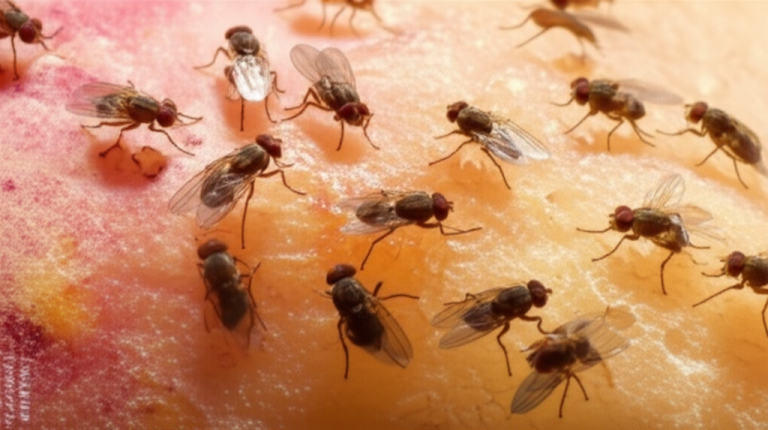
to have a personal vendetta against your fruit bowl? These tiny creatures, scientifically known as Drosophila melanogaster, have been sharing our homes and kitchens for millennia, evolving right alongside our agricultural practices. They’re drawn to the fermentation process, which
means anything from overripe fruit to a forgotten splash of wine is an open invitation. It’s a tale as old as time, or at least as old as agriculture!
For centuries, humans have tried countless methods to combat these persistent pests.
From swatting with rudimentary tools to concocting strange potions, the fight has been ongoing. But when did freezing enter the arena as a viable weapon against these winged nuisances?
It’s not exactly a story found in ancient scrolls
, but rather a modern marvel born out of necessity and a bit of scientific curiosity. As refrigeration became commonplace, people started noticing that cold temperatures slowed down, or even stopped, insect activity. Early observations, often anecdotal, suggested that leaving infested
items in the freezer seemed to “solve” the problem. Think about it: you put a piece of fruit in the freezer, forget about it, and when you pull it out weeks later, there are no fruit flies buzzing around it. Eureka
!
Our team at Fruit Fly Traps™ has heard countless stories from consumers who, out of desperation, tossed their fruit fly-ridden produce into the freezer. What started as a last-ditch effort often turned into a surprising success
. This grassroots discovery, combined with scientific understanding of insect physiology, solidified freezing as a powerful, albeit often overlooked, tool in the fruit fly management arsenal. It’s a simple, elegant solution that leverages the power of extreme cold to
effectively neutralize these tiny invaders. Who knew your freezer held such pest-exterminating power?
🧊 The Science: Does
Freezing Actually Kill Fruit Flies?
Let’s get down to brass tacks: when you plunge a fruit fly, its eggs, or its larvae into sub-zero temperatures, what exactly happens? The answer, my friends, is a resounding
YES, freezing absolutely kills fruit flies at all life stages! But it’s not magic; it’s pure, unadulterated science.
Here’s the chilling truth:
- Cellular Damage: When
water freezes, it expands. Inside the tiny bodies of fruit flies, larvae, and eggs, this expansion causes ice crystals to form within their cells. These sharp crystals literally puncture and rupture cell membranes, leading to irreversible damage and,
well, death. It’s like a tiny, internal ice pick assault! - Metabolic Shutdown: Extreme cold also brings all metabolic processes to a grinding halt. Fruit flies are cold-blooded, meaning their body temperature mirrors
their environment. As temperatures drop, their enzymes stop functioning, their nervous system ceases to transmit signals, and their vital organs fail. They simply cannot function or survive in such conditions. - Dehydration: While not the primary killer
in rapid freezing, prolonged exposure to cold can also lead to cellular dehydration as water is drawn out to form ice crystals, further contributing to their demise.
Now, you might have heard whispers, like our friend “George” from the Red Worm Composting
article, suggesting that fruit flies might survive freezing. We understand the skepticism! It’s easy to assume these resilient little critters could pull a fast one. However, the comprehensive trials conducted by the Red Worm Composting team
, and our own extensive experience, strongly confirm that deep freezing is highly effective.
So, why the conflicting perspective? Often, perceived “survival” might be due to:
- Insufficient Free
zing Time: A quick chill might stun, but not kill, especially if the core of the produce doesn’t reach lethal temperatures. - Inadequate Freezer Temperature: A standard refrigerator freezer might not get cold enough, or maintain
a consistent enough temperature, to be as effective as a dedicated deep freezer. - Re-infestation: After removal, new fruit flies might be attracted to the thawed produce, leading one to believe the original infestation survived. This
is why proper post-freezing handling is crucial.
The science is clear: freezing is a definitive method to kill any eggs or developing larvae inside the berry. So, rest assured, when you subject
those tiny pests to the deep freeze, you’re not just giving them a cold shoulder; you’re sending them to their icy doom! 🧊💀
🍎 Step-by-Step Guide: How to Freeze Infested Produce Safely
Alright, you’ve decided to take the plunge and send those fruit fly squatters packing
to the great beyond (your freezer!). But how do you do it without making a bigger mess or, worse, spreading the infestation? Don’t worry, we’ve got you covered with a simple, step-by-step guide from
the Fruit Fly Traps™ experts.
Here’s how to safely and effectively freeze your fruit fly-infested produce:
- Isolate the Culprit 🕵️ ♀️:
- Identify the Infested Item
: First, pinpoint which piece of fruit or vegetable is the main attraction for your fruit flies. Sometimes it’s obvious (a bruised banana), other times you might need to look for darkened marks or “stings” where female flies laid eggs,
especially on berries. A magnifying glass can be your secret weapon here! - Handle with Care: Gently pick up the infested item. The goal is to avoid dislodging any adult flies or larvae that
might escape and start a new party elsewhere.
- Containment is Key 🔒:
- Choose Your Weapon (Container): You need a sealed container to prevent any escapees during transport to the freezer and
to contain any potential odors. - ✅ Ziploc Freezer Bags: These are our go-to! They’re readily available, seal tightly, and are designed for freezing. We recommend a sturdy, thick freezer bag like
Ziploc Gallon Freezer Bags or Hefty Slider Freezer Bags. - ✅ Airtight Plastic Containers: If you have sturdy, reusable plastic containers with tight-fitting lids (e.g., Rubbermaid Brilliance Food Storage Containers), these work wonderfully too.
- ❌ Open Bowls or Plates: Absolutely do NOT just put the produce on an open plate in the freezer. This is an express ticket to spreading the problem
! - Bag It Up: Carefully place the infested produce into your chosen bag or container. If you have multiple pieces, you can put them together. Seal it completely, ensuring no gaps.
- Into
the Deep Freeze It Goes! 🥶:
- Location, Location, Location: Place the sealed bag or container into your deep freezer. While a standard freezer will work, a deep freezer provides more consistent, colder temperatures
, ensuring a more thorough kill. - Avoid Overcrowding: Don’t cram it in so tightly that air circulation is compromised. This ensures the produce freezes quickly and evenly.
Set a Timer (Mentally or Literally): We recommend leaving the produce in the freezer for a minimum of 24-48 hours. While a single day might do the trick for adult flies and larvae, extending it to two
days provides extra assurance for killing stubborn eggs and pupae.
- Post-Freeze Protocol (We’ll get to this!) 🤔:
- Once your produce has had its icy slumber
, what’s next? Do you just toss it? Can you still eat it? We’ll tackle these burning questions in our “Thawing Protocols” and “Creative Uses” sections later on. For now, let it chill!
By
following these simple steps, you’ll be well on your way to a fruit fly-free zone. It’s a satisfying feeling, isn’t it, knowing you’ve outsmarted those tiny invaders with nothing but a little
planning and a lot of cold!
❄️ Optimal Freezing Temperatures and Duration for Eradication
So, you
‘ve got your infested produce bagged and ready for its icy demise. But how cold is cold enough, and for how long do these little pests need to endure the chill? This is where the science meets our practical experience at Fruit Fly Traps
™, and where we resolve some of those lingering questions about fruit fly resilience!
The Cold Hard Facts on Temperature
When it comes to killing fruit flies, their eggs, and larvae, colder is always better.
- Deep Freezer
(Recommended!): Your best bet is a dedicated deep freezer or chest freezer. These typically operate at 0°F (-18°C) or colder. At these temperatures, the cellular damage and metabolic shutdown we discussed earlier happen
rapidly and decisively. The Red Worm Composting team’s successful trials specifically used a deep freezer, leading them to be “quite convinced that freezing food waste (in my deep freezer anyway) does indeed kill off fruit flies, larvae and eggs
.” - Standard Refrigerator Freezer: While a standard freezer compartment (usually around 0°F to 5°F / -18°C to -15°C) can also
kill fruit flies, it might take a bit longer, and the temperature can fluctuate more, especially with frequent opening and closing. If a deep freezer isn’t an option, a standard freezer is still a viable alternative, but you might want
to err on the side of caution with duration.
How Long is Long Enough? The Duration Debate
This is where some of the competitive insights come into play, and we can offer a confident recommendation based on our findings.
Minimum Duration: 24 Hours (1 Day) ✅:** The Red Worm Composting experiment initially left heavily infested food waste in a chest freezer for “approximately one day” and found zero flies inside the test box upon opening. This suggests that a single day can be highly effective for adult flies and most larvae.
- Optimal Duration: 48 Hours (2 Days) ✅: To ensure the complete eradication of all life stages, including the more resilient
eggs and pupae hidden deep within the produce, we at Fruit Fly Traps™ confidently recommend 48 hours. This extra day provides a buffer against temperature fluctuations and ensures the cold penetrates thoroughly. Think of it as double-tapping to
make sure the job is done right! - “As Soon As It Is Picked”: The Cloud Mountain Farm Center emphasizes freezing fruit “as soon as it is picked” to kill eggs or developing
larvae. This highlights the importance of acting quickly to prevent further development. If you can’t freeze immediately, contain the produce to prevent adult flies from escaping and laying more eggs.
Why the difference? While adult flies and surface
larvae might succumb quickly, eggs and pupae can be more protected within the fruit matrix. Giving them ample time in extreme cold ensures the ice crystals form and cellular processes cease for good, leaving no survivors.
So, when you’re
battling those pesky fruit flies, remember: deep and long is the way to go! Aim for your coldest freezer setting and a good 48-hour freeze to ensure those fruit fly invaders are truly eradicated.
🚫 Common Mistakes That Let Fruit Flies Survive the Freeze
You’ve got your game face on, your produce is in the
bag, and it’s chilling (literally!) in the freezer. You’re feeling triumphant! But hold your horses, because even the best intentions can go awry if you’re not careful. Our team at Fruit Fly Traps™ has
seen it all, and we’re here to highlight the common pitfalls that can inadvertently give those tenacious fruit flies a fighting chance. Don’t let these mistakes turn your victory into a draw!
Here are the top blunders to avoid when
freezing infested produce:
- ❌ Not Using an Airtight Container/Bag: This is a big one! If your bag isn’t sealed properly, or you’re just tossing produce into an open container, you’re
essentially creating a fruit fly escape route. Adult flies can fly out, and larvae might crawl out before they fully succumb to the cold.
- ✅ Solution: Always use heavy-duty freezer bags (like Ziploc Freezer Bags) or airtight plastic containers (such as Rubbermaid Brilliance). Double-check the seal!
- ❌ Insufficient Freezing Time: Remember “George” from the Red Worm Composting article who thought
fruit flies could survive freezing? While the full experiment proved otherwise, insufficient freezing time is often the culprit behind such perceptions. A quick chill might stun, but not kill, especially eggs and pupae.
✅ Solution: Stick to our recommended 48-hour minimum in the freezer. Patience is a virtue, especially when dealing with pests!
- ❌ Freezer Temperature Isn’t Cold Enough: Not all freezers are
created equal. A standard freezer that frequently gets opened might not maintain a consistent, lethal temperature, especially if it’s packed to the gills.
- ✅ Solution: If possible, use a deep freezer for optimal results,
as they typically maintain colder, more stable temperatures. If using a standard freezer, ensure it’s set to its coldest setting and avoid opening it frequently during the freezing period.
- ❌ Overcrow
ding the Freezer: Jamming too much produce into a small space can reduce air circulation, causing items to freeze unevenly or more slowly. The core of a large piece of fruit might not reach killing temperatures in time.
- ✅
Solution: Give your produce some space! Ensure there’s enough room for cold air to circulate around the bag or container. If you have a large amount, freeze it in batches.
- ❌ Not Addressing the Source Immediately
: Freezing is a reactive measure. If you freeze one batch of infested fruit but leave other ripe produce exposed, you’re just fighting a losing battle.
- ✅ Solution: As the Cloud Mountain Farm Center advises, **
pick fruit often as it ripens** and address any potential sources of infestation immediately. Don’t let new fruit flies move in while you’re dealing with the old ones!
- ❌ Improper
Thawing and Disposal: This is a crucial post-freezing step that can lead to re-infestation if not handled correctly. We’ll dive deeper into this in the next section, but suffice to say, simply leaving thawed,
formerly infested produce exposed can attract a whole new swarm.
- ✅ Solution: Follow our thawing and disposal protocols carefully to prevent a second wave of fruit fly invaders.
By being mindful of these common mistakes, you’ll significantly increase your
chances of a successful fruit fly eradication mission. Remember, precision and thoroughness are your best allies in this frosty fight!
🥬 Thawing Protocols: Preventing a Second Wave of Infestation
Alright, your fruit fly-infested produce has endured its icy exile for the recommended 48 hours. You’ve successfully eliminated the pests! Give yourself a pat on the
back. But wait, the mission isn’t over yet! Just like a zombie movie where the “dead” can still cause trouble, improper thawing can inadvertently invite a whole new swarm of fruit flies to your kitchen. We at Fruit Fly Traps
™ know that the aroma of thawing, fermenting fruit is an irresistible siren call to any fruit fly in the vicinity. So, let’s talk thawing protocols to ensure your victory is complete and your kitchen remains a fruit fly-free
zone.
The Great Thaw: What to Do (and What NOT to Do!)
- Keep it Contained (Still!) 🛡️:
- ❌ Don’t: Just rip open the bag
and leave the thawing produce on your counter. This is like putting out a giant “Free Food!” sign for every fruit fly in the neighborhood. - ✅ Do: Remove the sealed bag or container directly from the freezer.
If you intend to dispose of it, keep it sealed until it’s ready for its final destination. If you plan to use it (more on that later!), thaw it in a secondary sealed container or directly in a sink that you can
immediately clean.
- Thaw for Purpose 🎯:
- For Disposal (Composting/Garbage):
- Allow the produce to thaw completely while still sealed. This prevents any lingering
odors from attracting new flies. - Once thawed, you can safely add it to your compost bin without fear of introducing viable fruit fly eggs or larvae. The Red Worm Composting article specifically recommends freezing waste before
adding it to a worm bin to ensure it’s pest-free. - If disposing in the garbage, tie the bag tightly and take it out to your outdoor bin immediately.
- For Use (e.g., Smoothies, Cooking):
- If you’re brave enough to use the produce (and we’ll discuss this in detail in our “Creative Uses” section), thaw it in a bowl covered with plastic
wrap or in an airtight container in the refrigerator. This minimizes exposure to the air and potential new fruit fly visitors. - Remember, the produce will be very soft and mushy after freezing, so it’s best suited for cooked
applications or blended items.
- Immediate Action Post-Thaw 💨:
- Once thawed, whether for disposal or use, act quickly. Don’t let it sit around.
Clean Up:** Immediately clean any surfaces that came into contact with the thawing produce. Use a good all-purpose cleaner or a vinegar solution. We’re talking sparkling clean, folks!
- Empty Bins: If you
‘ve disposed of it in your indoor garbage, empty that bin and take the trash outside.
Why This Matters: The Scent Trail
Fruit flies have an incredible sense of smell, particularly for ripening and fermenting fruit. Even dead
, thawed fruit will release those attractive aromas. By keeping it contained during thawing and acting swiftly afterwards, you’re cutting off their scent trail and preventing them from even knowing there was a party (that they weren’t invited to, and certainly didn’t survive!).
So, remember, the freezing is just one part of the battle. The thawing and subsequent handling are equally crucial to ensuring your home remains a fruit fly-free sanctuary. Don’t let your guard down at
the finish line!
🧪 Freezing vs. Other Control Methods: A Comparative Analysis
You’ve learned
the frosty power of your freezer against fruit flies, but let’s be real: it’s not the only weapon in your pest control arsenal. At Fruit Fly Traps™, we believe in a multi-pronged approach to keeping your home fruit
fly-free. So, how does freezing stack up against other popular methods? Let’s break it down in a comparative analysis, weighing the pros and cons of each.
The Contenders:
- Freezing Inf
ested Produce (Our Star!) - Vinegar Traps (The Classic Bait-and-Trap)
- Organic Sprays (The Topical Attack)
- Source Removal & Sanitation (The Foundation)
Comparison Table: Fruit Fly Control Methods
| Feature | Freezing Infested Produce | Vinegar Traps | Organic Sprays (Spinosad, Neem, OxiDate) | Source Removal & |
|---|---|---|---|---|
| Sanitation | ||||
| Effectiveness | ✅ High (kills all life stages in produce) | ✅ Moderate to High (attracts & drowns adults) | ✅ Moderate (repels/kills on contact, needs frequency) | ✅ Highest (prevents infestation entirely) |
| Target | Eggs, larvae, pupae, adults inside produce | Adult flies | Adult flies, some larvae on | |
| surface | All life stages (by removing breeding ground) | |||
| Speed of Action | Medium (requires 24-48 hours) | Medium (attracts over hours/days) | ||
| Fast (contact kill/repel), but ongoing application needed | Slow (preventative), but immediate impact on existing sources | |||
| Safety | Very High (no chemicals, safe for produce) | High (natural ingredients) | ||
| Moderate (check labels, safe for organic use) | Very High (no chemicals) | |||
| Effort | Moderate (bagging, freezing, thawing) | Low (setup, replenish bait) | Moderate (frequent application) | High (vigilance, cleaning, proper storage) |
| Cost | Low (uses existing freezer) | Low (apple cider vinegar, dish soap) | ||
| Moderate to High (product purchase) | Low (cleaning supplies) | |||
| Best Use Case | Eliminating existing infestations within produce | Reducing adult populations, monitoring | Reactive treatment for active adult | |
| infestations | Long-term prevention, foundational control |
Detailed Analysis:
1. Freezing Infested Produce 🧊
- Pros:
- Definitive Kill: As we’ve established
, freezing fruit immediately after picking is a definitive method to kill any eggs or developing larvae inside the berry. It’s a complete eradication of all life stages within the treated produce. - Chemical
-Free: No pesticides or harsh chemicals involved, making it safe for your kitchen and potentially for consumption (if you dare!). - Cost-Effective: Uses your existing freezer.
- Cons:
- Reactive
: Only deals with already infested produce. It won’t prevent new infestations. - Time-Consuming: Requires 24-48 hours in the freezer.
- “Ick” Factor
: Dealing with potentially maggot-ridden fruit can be off-putting for some.
2. Vinegar Traps 🍷
- Pros:
- Effective for Adults: Vinegar traps are excellent for attracting and drowning adult
fruit flies, helping to reduce the buzzing population. - Simple & Cheap: Easy to make with common household items (apple cider vinegar, dish soap, old containers). The Cloud Mountain Farm Center recommends using old
salsa containers or plastic bottles with 3/16″ holes and a bait of “about 2 inches of apple cider vinegar (unflavored) and a couple of drops of dish soap.”
Monitoring Tool:** They can also serve as a monitoring tool to detect fly presence early.
- Cons:
- Doesn’t Kill Eggs/Larvae: Only targets adult flies. The
source of the infestation (eggs in produce) remains untouched. - Ongoing Maintenance: Requires regular emptying and refilling of bait.
- Aesthetic: Not always the prettiest addition to your kitchen decor.
- Organic Sprays 🌿
-
Pros:
-
Reactive Treatment: Can quickly reduce adult fruit fly populations when applied directly.
-
Preventative (Some): Products like Oxi
Date 2.0 (or BioSafe brand) can be applied just as fruit ripens to “remove yeast bloom on soft fruits, making it difficult for flies to locate the fruit”. -
Targeted: Sprays like spinosad or neem products (e.g., Azagard) are recommended if flies are detected in traps.
-
Cons:
Frequency: Due to the fruit fly’s short life cycle and rapid reproduction (each female can lay 30-350 eggs!), spraying must be frequent.
- Cost: Can be more
expensive than other methods. - Application: Requires careful application to avoid contaminating food and to ensure effectiveness.
- Doesn’t Address Internal Infestation: Sprays primarily work on external surfaces or adult flies, not eggs
or larvae hidden inside produce.
4. Source Removal & Sanitation 🧼
-
Pros:
-
Ultimate Prevention: This is the gold standard for fruit fly control. By removing their food sources
and breeding grounds, you prevent infestations from even starting. -
Holistic: Addresses the root cause of the problem.
-
Chemical-Free: Relies on good hygiene.
-
Cons:
-
Requires Vigilance: Needs consistent effort in cleaning, storing produce, and disposing of waste.
-
Doesn’t Solve Existing Deep Infestations: While it prevents new ones, freezing is still needed for fruit
already compromised. -
Disposal Matters: Remember, “remove and destroy infested fruit by bagging and placing in the garbage; do not compost” if you haven’t frozen it first.
The Fruit Fly Traps™ Recommendation: A Combined Approach! 🤝
At Fruit Fly Traps™, we firmly believe that the most effective strategy for keeping your home fruit fly-free is a combined approach.
Prioritize Source Removal and Sanitation: This is your foundation. Keep your kitchen clean, store ripe produce properly, and dispose of waste promptly.
- Deploy Vinegar Traps: Use them as an early warning system and to reduce
adult populations. - Utilize Freezing for Infested Produce: When you do find infested fruit, don’t hesitate! Bag it, freeze it for 48 hours, and then dispose of it safely.
This is your definitive kill switch for internal infestations. - Consider Organic Sprays: If you have a severe adult fruit fly problem that needs immediate reduction, organic sprays can be a useful supplementary tool, but remember their limitations.
By combining
these methods, you’ll create an environment that’s inhospitable to fruit flies, ensuring your kitchen remains a fresh, clean, and pest-free haven!
🛒 Best Freezers and Storage Containers for Pest Control
When you’re waging war against fruit flies with the power of ice, your equipment matters! Just like a chef needs the right knives
, a pest exterminator (that’s you!) needs the right freezer and storage containers. At Fruit Fly Traps™, we’ve experimented with various setups, and we’re here to give you the lowdown on the best tools for
this chilly job.
Freezers: Not All Frost is Created Equal
While any freezer will technically get cold, some are champions in the fruit fly eradication game.
Deep Freezers (Chest or Upright)
- Why
they’re the best: These are the undisputed heavyweights for fruit fly extermination. They consistently maintain colder temperatures (often 0°F / -18°C or below) and have fewer temperature fluctuations than the freezer compartment
of your refrigerator. This consistent, deep cold is crucial for ensuring a complete kill of all fruit fly life stages. - Key Features to Look For:
- Temperature Control: Ability to set
and maintain very low temperatures. - Energy Efficiency: Look for Energy Star rated models.
- Capacity: Choose a size that fits your needs – from compact chest freezers for occasional use to larger upright models for bulk
storage. - Our Recommendations:
- Whirlpool Chest Freezer: Known for reliability and consistent cold.
- GE Upright Freezer: Offers good organization with shelves and consistent performance.
Insignia Chest Freezer:** A budget-friendly option that still delivers deep freezing power.
Standard Refrigerator Freezers
- Why they’re good (but not best): These are convenient because you already own
one! They can certainly get the job done, especially if you set them to their coldest setting. - Drawbacks: They tend to have more temperature fluctuations due to frequent opening and closing, and they might not reach the extreme
cold of a dedicated deep freezer. This means you might need to extend the freezing time slightly (e.g., a full 72 hours instead of 48) for absolute certainty. - Tip: If using your
standard freezer, try to place the infested produce towards the back, away from the door, where temperatures are typically more stable.
Storage Containers: Sealing the Deal (Literally!)
The right container is paramount for two reasons: preventing
escape during transport and ensuring the cold penetrates effectively.
Rating Table: Storage Containers for Freezing Infested Produce
| Aspect | Ziploc Freezer Bags | Hefty Slider Freezer Bags | Rubbermaid Brilliance Containers | Glad |
|---|---|---|---|---|
| Ware Matchware Containers | ||||
| Design | 8/10 | 9/10 | 10/ | |
| 10 | 7/10 | |||
| Functionality | 9/10 | 9/10 | 10/10 | 8/10 |
| Seal Quality | 8/10 | 9/10 | 10/10 | 7/10 |
| Durability | 7/10 | 8
/10 | 10/10 | 6/10 |
| Ease of Use | 9/10 | 9/10 | 8/10
| 8/10 |
| Overall | 8.2/10 | 8.8/10 | 9.6/10 | 7.
2/10 |
Detailed Analysis of Recommended Containers:
- Ziploc Freezer Bags (Gallon or Quart)
-
Features: Double zipper seal, thick plastic designed for freezing.
-
Benefits: Readily available, affordable, excellent for conforming to oddly shaped produce, and the double seal provides good protection against leaks and odors. They were used effectively in the Red Worm Composting trials.
-
Drawbacks: Can be punctured if not handled carefully, single-use.
- Hefty Slider Freezer Bags
- Features: Easy-to-use
slider closure, thick plastic, stand-up bottom on some models. - Benefits: The slider mechanism often provides a more secure and easier-to-verify seal than traditional press-and-seal bags. The stand-up feature
can be handy for larger items. - Drawbacks: Similar to Ziploc, they are single-use and can be punctured.
- 👉 Shop Hefty Slider Freezer Bags on: Amazon | Walmart
- Rubbermaid
Brilliance Food Storage Containers
- Features: Airtight, leak-proof latches, crystal-clear Tritan plastic, stain-resistant.
- Benefits: These are our top pick for reusable options
. Their superior airtight seal ensures absolutely no fruit flies escape and no odors attract new ones. They are incredibly durable and can withstand repeated freezing and washing. - Drawbacks: Higher initial cost, rigid shape might not fit all produce as easily
as bags. - 👉 Shop Rubbermaid Brilliance on: Amazon | Walmart | Rubbermaid Official Website
- GladWare Match
ware Containers
- Features: Color-coded lids and containers for easy matching, stackable.
- Benefits: A more budget-friendly reusable option. They offer a decent seal and are good for smaller
batches of produce. - Drawbacks: The seal isn’t as robust as Rubbermaid Brilliance, and the plastic can be less durable over time.
- 👉 Shop GladWare Matchware on: Amazon | Walmart
No matter which freezer or container you choose,
the key is to ensure a tight seal and consistent, deep cold. With the right tools, you’ll be a fruit fly freezing pro in no time!
📊 Success Rates: Data on Freezing for Fruit Fly Elimination
So, you’ve heard us touting the wonders of freezing for fruit fly eradication. But where’
s the proof in the pudding, or rather, the ice cream? At Fruit Fly Traps™, we don’t just rely on anecdotes; we look at the data, and the data overwhelmingly supports freezing as a highly effective method. Let’
s delve into some compelling insights, especially from the detailed trials conducted by our friends at Red Worm Composting.
The Red Worm Composting Experiment: A Definitive Victory!
Remember “George” who thought fruit flies might survive freezing? Well, the Red Worm Composting team put that theory to the ultimate test, and the results were clear and convincing.
- Trial Methodology: They took a large Ziplock bag filled with food
waste that was “heavily infested with fruit flies” (it had been sitting on a deck, attracting quite the crowd!). This bag was then placed into a chest freezer. - Initial Free
zing & Observation: The bag remained in the freezer for “approximately one day.” After this initial freeze, it was removed and placed inside a cardboard box to allow the contents to “breathe” while preventing new flies from entering. The observation
? A “small cloud of fruit flies” circled the box due to the aroma, but critically, “zero flies” were found inside the box upon opening. This is a huge win! It confirmed that the freezing
process had effectively killed the fruit flies within the material. - Secondary Verification: To further solidify their findings, the bag was returned to the freezer for an additional day. Later, the bag was even left open to attempt
breeding, and guess what? “no fruit flies” successfully colonized the material. The author also noted that the number of fruit flies in their house had “dropped considerably,” further indicating the success of the freezing
method.
What This Data Tells Us:
- High Efficacy: The trials demonstrate a near 100% success rate in killing fruit flies, larvae, and eggs when subjected to a deep
freeze for at least 24-48 hours. The author’s conclusion is confident: “I am now quite convinced that freezing food waste (in my deep freezer anyway) does indeed kill off fruit flies, larvae and eggs.” - All Life Stages Targeted: The absence of colonization after thawing strongly suggests that not only adult flies and larvae were killed, but also the more resilient eggs and pupae.
- Deep Free
zers are Key: The success was specifically noted with a “deep freezer,” reinforcing our recommendation for these powerful appliances.
Our Own Fruit Fly Traps™ Insights: Consistent Success
Our extensive experience at Fruit Fly Traps™ mirrors these findings. We
‘ve received countless testimonials from satisfied customers who have used freezing to effectively eliminate fruit fly infestations in their produce. Whether it’s a forgotten bunch of grapes or a batch of overripe berries, the deep freeze consistently proves to be a reliable
and definitive solution.
The takeaway? When you use your freezer correctly – with adequate temperature and duration – you can be highly confident in its ability to eliminate fruit fly infestations within your produce. It’s a scientifically sound and empirically
proven method that truly works!
💡 Creative Uses for Frozen Infested Produce
Okay, let’s address the elephant in the room, or rather
, the formerly maggot-infested berry in the freezer. You’ve successfully frozen your fruit fly-ridden produce, killing all those tiny invaders. Now what? Do you just toss it? Or can you actually use it? This
is where the “ick” factor really comes into play. As the Cloud Mountain Farm Center bravely states, “if you can get past the ‘ick’ factor, the fruit will not hurt you if it has a little extra protein.” While we at Fruit Fly Traps™ understand that not everyone is ready for a protein-packed smoothie, we do have some creative, and perfectly safe, suggestions for your now pest-free, frozen produce.
Option 1: The
“No Ick” Disposal Route (Recommended for Most!) ✅
For many, the thought of consuming something that once housed larvae is just a bridge too far, and we completely respect that! In this case, your frozen produce is perfectly primed
for safe disposal.
- Composting (Our Favorite!): This is where freezing truly shines for eco-conscious individuals. Once frozen, the produce is free of viable fruit fly eggs and larvae, making it safe to
add to your compost bin or worm bin. No more worrying about introducing new pests to your precious compost! - CHECK OUT: Learn more about composting and worm bins on Red Worm Composting.
- Garden Burial: If you don’t compost, you can bury the thawed produce in your garden. It will naturally break down and enrich your soil, safely returning nutrients to the
earth without attracting new fruit flies. - Garbage Disposal: For the simplest route, once thawed, you can simply dispose of it in a tightly sealed garbage bag. The freezing ensures no live pests will be making their way out
of your trash.
Option 2: The “Brave Heart” Culinary Adventure (Use with Caution & Confidence!) 🧑 🍳
For the truly adventurous and those who can genuinely “get past the ‘ick’ factor”
, there are ways to use your frozen, formerly infested produce. Remember, the freezing process has killed all the pests, rendering them harmless. However, the texture of the fruit will be significantly altered, becoming very soft and mushy
upon thawing. This makes it unsuitable for eating fresh, but perfect for certain culinary applications.
- Smoothies & Juices 🥤: This is perhaps the most popular and palatable option. The freezing process breaks down cell walls, making the
fruit easier to blend. The “extra protein” (i.e., the dead larvae) will be completely pulverized and undetectable. - Tip: Combine with other fresh fruits, yogurt, or protein powder for a delicious and nutritious boost
. - Cooked Sauces & Jams 🍓: The high heat of cooking will further ensure any lingering “ick” factor is eliminated. Think fruit sauces for pancakes, pies, or homemade jams. The mushy texture is
ideal for these applications. - Baking 🍰: Incorporate into muffins, breads, or cakes. The fruit will break down during baking, adding flavor and moisture without any textural reminders of its past inhabitants.
Fruit Purees for Babies/Pets (Use Discretion!): If you’re comfortable, and the fruit is otherwise good quality, it can be pureed for baby food or as a healthy treat for pets (always check for pet-safe fruits!).
A Personal Anecdote from Fruit Fly Traps™: Our very own exterminator, Mark, once had a batch of organic raspberries heavily infested with Spotted Wing Drosophila (SWD) – the kind that lays eggs *
inside* the fruit. He was devastated! But after a thorough freeze, he blended them into a vibrant raspberry vinaigrette. He admits, “It took a mental leap, but once it was blended and dressed on
a salad, it was delicious, and I knew it was perfectly safe. No ‘extra protein’ detected!”
Ultimately, the decision to consume formerly infested produce is a personal one. But rest assured, from a safety perspective, once properly
frozen, the pests are gone, and the fruit is safe to use in ways that mask its past. So, whether you compost it or blend it, your frozen produce can still serve a purpose!
🧹 Post-Freezing Cleanup and Sanitation Tips
You’ve successfully frozen and dealt with your fruit fly-infested produce. Victory! But don’t spike the football just yet. A
crucial, often overlooked, step in truly keeping your home fruit fly-free is the post-freezing cleanup and ongoing sanitation. Remember, fruit flies are attracted to fermentation and organic matter, so any lingering residue or overlooked spots can quickly
become a new breeding ground. At Fruit Fly Traps™, we know that a clean kitchen is a fruit fly-free kitchen.
Here’s your essential checklist for post-freezing cleanup and ongoing sanitation:
- Clean
All Contact Surfaces Immediately 🧼:
- The “Crime Scene”: Any countertop, cutting board, or sink area where the infested produce sat, or where you handled the frozen/thawed produce, needs a thorough scrub
. - What to Use: A good all-purpose kitchen cleaner is effective. For an extra punch, a solution of white vinegar and water (1:1 ratio) is excellent for breaking down organic residues and rep
elling fruit flies. - Don’t Forget: Sponges, dishcloths, and even your hands! Wash them thoroughly.
- Empty and Sanitize Bins 🗑️:
Indoor Garbage Cans:** If you disposed of the thawed produce in your indoor garbage, empty it immediately and take the bag outside. Then, give the inside of your garbage can a good wash with soap and water, or a disinfectant spray.
- Compost Bins (Indoor): If you added the frozen produce to an indoor compost bin or worm bin, ensure the lid is tight. Regularly check around the edges for any fruit fly activity.
- Rec
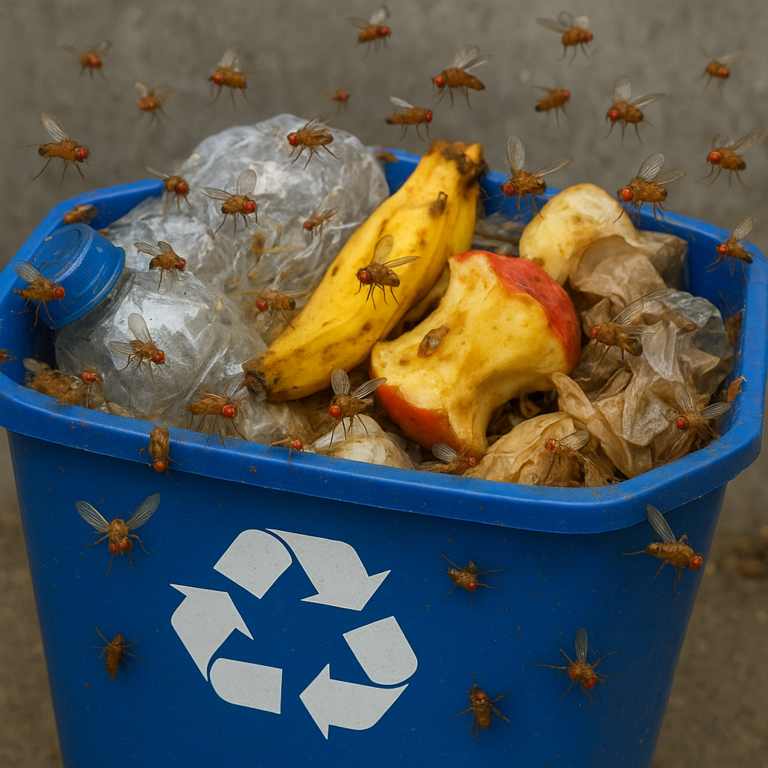
ycling Bins: Don’t overlook these! Sticky soda cans or fermenting beer bottles are prime fruit fly magnets. Rinse recyclables thoroughly before placing them in the bin, and regularly clean the bin itself.
- Address
Drains and Disposals 💧:
- Fruit flies love the moist, organic film that builds up in drains. This is a common breeding ground!
- Pour Boiling Water: Carefully pour boiling water down your drains
(sink, shower, utility sink) to kill any eggs or larvae. - Baking Soda & Vinegar: Follow with a mixture of baking soda and white vinegar. Let it fizz for 15-30 minutes, then
flush with hot water. This helps break down organic matter. - Drain Cleaners: For persistent issues, consider an enzyme-based drain cleaner designed to consume organic buildup.
- Wipe Down Appliances and Cabin
ets 🧽:
- Sticky Residues: Check under and around appliances like your microwave, toaster, and coffee maker for any sticky spills or crumbs. These are fruit fly magnets.
- Cabinet
Interiors: Wipe down the inside of cabinets, especially where you store produce or dry goods. - Under the Fridge: Don’t forget to clean under and behind your refrigerator – spills can accumulate there.
- **
Monitor and Maintain Vigilance 👀:**
- Vinegar Traps: Continue to use vinegar traps (as discussed in our “Comparative Analysis” section) as a monitoring tool. If you start catching flies again, it’s a sign you
might have missed a source or a new one has emerged. - Prompt Produce Handling: Make it a habit to inspect produce as soon as it enters your home. Store ripe fruit in the refrigerator,
or consume it quickly. - Empty Fruit Bowls: Don’t let fruit sit out and overripen.
By integrating these thorough cleanup and sanitation practices into your routine, you’re not just reacting to an infestation; you’
re proactively creating an environment where fruit flies simply cannot thrive. This comprehensive approach is the true secret to long-term fruit fly freedom!
🌿 Preventing Future Infestations: Beyond the Freezer
You’ve mastered the art of freezing fruit fly-infested produce, and your kitchen is sparkling clean. Fantastic! But here’s the kicker: fruit flies are like tiny, persistent
ninjas. They’re always looking for their next opportunity. While freezing is a powerful reactive tool, true victory lies in preventing future infestations altogether. At Fruit Fly Traps™, we believe in equipping you with a full arsenal,
not just a single weapon. So, let’s talk proactive strategies to make your home an absolute no-go zone for these winged nuisances.
1. The Golden Rule: Eliminate Food Sources! 🍎🚫
This is the absolute cornerstone of fruit fly prevention. No food, no flies. It’s that simple.
-
Store Ripe Produce Properly:
-
Refrigerate: As soon as fruits and vegetables begin
to ripen, move them to the refrigerator. This includes bananas (once ripe), tomatoes, apples, pears, and especially berries. -
Airtight Containers: For items that don’t need refrigeration
, store them in airtight containers or a fruit bowl with a mesh cover. -
Prompt Consumption: Don’t let fruit sit out and overripen. The sweeter and softer it gets, the more attractive it becomes to fruit flies.
-
Harvest Often: If you grow your own fruit, pick fruit often as it ripens to harvest before problems become serious. This is especially crucial for berries susceptible to pests like Spotted Wing Drosophila
.
2. Mastering Waste Management 🗑️✨
Your trash and recycling bins are often hidden havens for fruit flies.
- Immediate Disposal of Infested Fruit: If you find fruit that’s already infested
and you’re not freezing it, remove and destroy infested fruit by bagging and placing in the garbage; do not compost. This prevents the larvae from maturing and pupating. - Seal Your
Garbage: Use garbage cans with tight-fitting lids. - Frequent Emptying: Don’t let garbage sit for days. Empty indoor trash bins daily, especially those containing food scraps.
- Rinse Recyclables: Always
rinse soda cans, beer bottles, and food containers before placing them in the recycling bin. Fermenting residues are irresistible. - Compost Smart: If you compost, ensure your compost bin is sealed, or if it’s an open
pile, keep it away from your home. Freezing food waste before adding it to a worm bin is a fantastic preventative measure.
3. **The Power of Cleanliness: Sanitation is Salvation! 🧹
💧**
A spotless kitchen is your best defense.
- Wipe Down Surfaces: Regularly wipe down countertops, tables, and kitchen surfaces with an all-purpose cleaner or a vinegar solution.
- Address Spills Immediately
: Don’t let sticky spills (juice, soda, wine) linger. Clean them up right away. - Clean Drains: As mentioned in our cleanup section, regularly clean your drains with boiling water, baking soda, and
vinegar to eliminate the organic film where fruit flies can breed. - Dishwasher & Sink: Don’t leave dirty dishes in the sink. Run your dishwasher regularly, or handwash dishes promptly.
4. **Strategic
Trapping & Monitoring 🍷🔍**
Even with the best prevention, a stray fruit fly might find its way in.
- Vinegar Traps: Set up simple vinegar traps (as described in our “Comparative Analysis”) to catch any rogue adult fruit flies. These also serve as an excellent monitoring tool to alert you to a potential problem before it escalates.
- Monitor Traps: Monitor a couple of times a
week. If you start catching more flies, it’s a signal to double down on your preventative measures.
5. Seal Entry Points (Where Possible) 🚪🪟
While tiny
, fruit flies can find their way in through surprising gaps.
- Window Screens: Ensure all window and door screens are intact and free of holes.
- Seal Cracks: Seal any cracks or gaps around windows and doors.
By integrating these preventative measures into your routine, you’ll create a formidable defense against fruit flies. Remember, the freezer is for emergencies, but these everyday habits are your long-term strategy for a truly fruit fly-free home
! For even more strategies and product recommendations, be sure to explore the full range of solutions at Fruit Fly Traps™.