Support our educational content for free when you purchase through links on our site. Learn more
Why Are Fruit Flies Not Going in My Trap? 🪰 (2025)


You’ve set the perfect fruit fly trap—or so you thought. Yet, those tiny buzzing nuisances keep ignoring it like an uninvited party guest who just won’t leave. Frustrating, right? Believe us, at Fruit Fly Traps™, we’ve cracked the code on why your trap might be sitting empty while fruit flies throw their own kitchen rave elsewhere. Spoiler alert: it’s rarely because the trap is broken. From bait blunders and trap design flaws to sneaky competing food sources and even mistaken identity (yes, those might not be fruit flies at all!), we’ll unpack every reason your trap is getting ghosted.
Stick around, because later we reveal expert-approved DIY recipes and the top commercial traps that actually work—plus a surprising story about a forgotten potato that turned a whole kitchen into fruit fly central. Ready to turn your trap into a fruit fly magnet? Let’s dive in!
Key Takeaways
- Fruit flies ignore traps mainly due to wrong bait, poor trap design, or competing food sources.
- Apple cider vinegar with a drop of dish soap is the ultimate bait combo.
- Proper trap placement near fruit bowls, drains, or trash is crucial.
- Misidentifying pests like drain flies or fungus gnats can lead to ineffective trapping.
- Refreshing bait regularly and cleaning traps keeps them working optimally.
- Commercial traps like TERRO and Aunt Fannie’s FlyPunch offer convenient, effective options.
Table of Contents
- ⚡️ Quick Tips and Facts About Fruit Fly Traps
- 🍎 Understanding Fruit Flies: Why They’re So Annoying and Hard to Trap
- 🔍 1. Top Reasons Why Fruit Flies Aren’t Entering Your Trap
- 🧪 2. How to Make Your Fruit Fly Trap Irresistible: Expert Tips and Tricks
- 🛠️ 3. DIY Fruit Fly Traps vs. Commercial Brands: What Works Best?
- 📍 4. Strategic Trap Placement: Where to Set Your Fruit Fly Traps for Maximum Effect
- 🧼 5. Cleaning and Maintenance: Keeping Your Trap Effective Over Time
- 🔄 6. When to Replace Your Trap or Bait: Signs You’re Missing
- 🐝 7. Natural and Chemical Alternatives: Beyond Traps for Fruit Fly Control
- 📊 8. Common Myths and Misconceptions About Fruit Fly Traps
- 📚 Conclusion: Wrapping Up Why Your Fruit Flies Aren’t Taking the Bait
- 🔗 Recommended Links for Fruit Fly Control and Traps
- ❓ FAQ: Your Burning Questions About Fruit Fly Traps Answered
- 📖 Reference Links and Further Reading
Body
⚡️ Quick Tips and Facts About Fruit Fly Traps
So, you’ve set a trap for those tiny, winged menaces buzzing around your bananas, but it’s sitting there emptier than a magician’s hat after the rabbit has vanished. What gives?! Before you declare war and start swatting aimlessly, let’s get down to brass tacks. At Fruit Fly Traps™, we’ve seen it all, and trust us, a failing trap is usually a simple fix. If you’re in a hurry, check out our guide on the Banish the Buzz: 10+ Lightning-Fast Ways to Eliminate Fruit Flies! 🪰 2025.
Here’s a rapid-fire rundown of what might be going wrong and some juicy facts you probably didn’t know about your uninvited guests.
| Quick Tip / Fact 🧐 | The Expert Lowdown from Fruit Fly Traps™ 🤓 – | | It might not be fruit flies! 😱 | This is the #1 reason traps fail! You might have drain flies (fuzzy, moth-like) or fungus gnats (look like tiny mosquitoes). A fruit fly trap won’t work on them. We’ll dive deep into this later! – | | Bait matters. A LOT. ✅ | Apple cider vinegar (ACV) is king because it mimics the smell of fermenting fruit. Plain white vinegar won’t cut it. Adding a drop of dish soap is crucial—it breaks the surface tension so they sink and drown. – | | They have competition. 🍌 | If you have a bowl of ripe bananas or a sticky spill on the counter, why would they go for your trap? Clean up all other food sources! This is non-negotiable for trap success. – | | A female can lay 500 eggs. 🥚 | It only takes about a week for a fruit fly to go from egg to adult. This is why an infestation can seem to explode overnight. Their entire mission is to find fermenting fruit to lay eggs on. – | | Trap placement is key. 📍 | Don’t hide your trap in a dark corner. Place it right next to the problem area—the fruit bowl, the sink drain, the garbage can. They’re lazy; make it easy for them! – |
🍎 Understanding Fruit Flies: Why They’re So Annoying and Hard to Trap
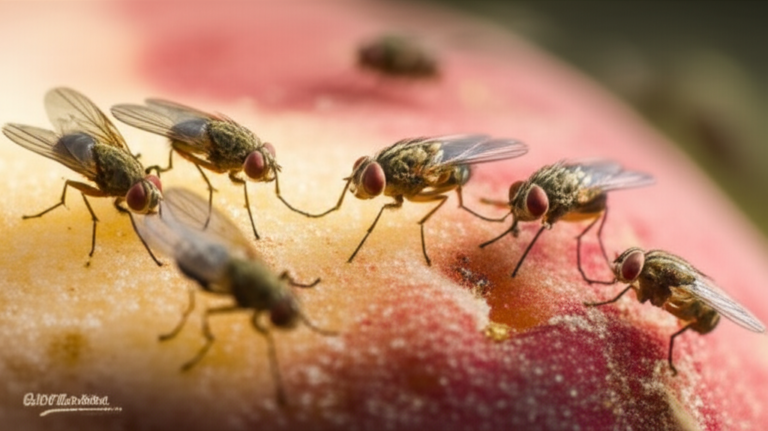
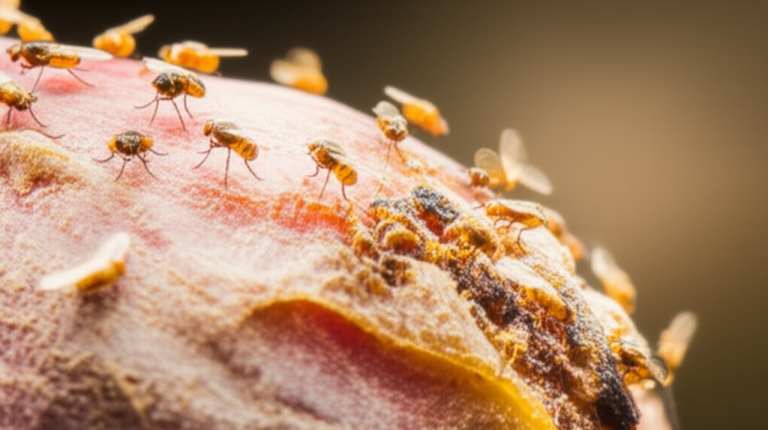
Before we can outsmart the enemy, we have to understand the enemy. Fruit flies, or Drosophila melanogaster if you want to get fancy, are not just buzzing around to annoy you personally (though it feels that way!). They are on a singular, desperate mission: to find fermenting organic matter to lay their eggs. That overripe banana on your counter? To a fruit fly, it’s a five-star maternity ward.
One of our veteran exterminators, Mike, tells a story about a client who swore her house was spotless, yet she was overrun. The traps were empty. After a thorough investigation, he found the culprit: a single, forgotten potato that had rolled into the back of a dark pantry. It was soft, slightly sweet, and teeming with new life. That one potato was a 24/7 all-you-can-eat buffet, and our traps, filled with lovely apple cider vinegar, just couldn’t compete.
This is the core of the issue: fruit flies are hardwired to seek out the most potent, most promising source of fermentation. Your trap isn’t just a trap; it’s an advertisement. And if there are better ads in your kitchen, yours will be ignored. For more on their behavior, check out our Fruit Fly Facts.
🔍 1. Top Reasons Why Fruit Flies Aren’t Entering Your Trap
Alright, let’s roll up our sleeves and diagnose this thing. If your trap is a ghost town, one of these culprits is likely to blame.
🍯 1.1 Ineffective Bait Choices: What Attracts Fruit Flies?
The bait is the heart and soul of your trap. Get it wrong, and you’ve just made a tiny, useless piece of modern art for your countertop.
- ✅ The Gold Standard: Apple Cider Vinegar (ACV) is the undisputed champion. Its smell is the perfect imitation of decaying fruit. You can also use wine, beer, or even a chunk of very ripe banana.
- ❌ The Common Mistake: Using the wrong vinegar. As one article notes, “White vinegar or plain fruit juice doesn’t work very well to attract the fruit flies.” The attractant needs that fermented, pungent aroma.
- The Secret Ingredient: A drop of dish soap. This is non-negotiable! Fruit flies are surprisingly good at walking on water (gross, right?). The soap breaks the liquid’s surface tension, so when they land for a sip, they fall in and drown. Without it, they’ll just treat your trap like a local pub—grab a drink and fly off.
For more bait ideas, explore our articles on Fruit Fly Trap Ingredients.
🕳️ 1.2 Trap Design Flaws: Why Shape and Entry Points Matter
Even with the best bait, a poorly designed trap is like a bank with no doors.
- The Funnel is Your Friend: A classic DIY Fruit Fly Trap involves a jar, the bait, and a paper funnel. The flies are drawn in by the wide opening but are generally not clever enough to find the tiny hole to escape.
- Hole Size is Critical: If you’re using a plastic wrap cover, the holes need to be just big enough for a fly to get in. Too big, and they’ll fly right back out. Think toothpick-sized holes.
- Avoid the Edge-Sitters: Sometimes, flies will just hang out on the rim of the jar, tantalized but unwilling to commit. A funnel or a well-designed lid forces them to go all the way in.
🌡️ 1.3 Environmental Factors: Temperature, Humidity, and Placement
Fruit flies are creatures of comfort. They thrive in warm, moist environments, which is why they love your kitchen, especially in the summer and fall.
- Temperature: They are most active in warmer temperatures. If your kitchen is cold, they may be less active and less likely to find your trap.
- Placement: As we mentioned, location is everything. Put the trap where the flies are. Don’t make them work for it. If they’re swarming the sink, put it on the sink’s edge. If they love the fruit bowl, set it right next to it.
🚫 1.4 Competing Food Sources: Are You Leaving Other Snacks Out?
This is the big one. The “forgotten potato” scenario. Your trap is a polite invitation, but that rotting peach in the trash is a screaming, neon-lit billboard.
- Wipe Down Everything: Clean up spills, especially sugary ones like juice or wine.
- Take Out the Trash: Don’t let organic waste sit. A single apple core can sustain a whole fruit fly family.
- Check Your Drains: Gunk and slime in your garbage disposal or sink drain are prime breeding grounds. Pouring boiling water down the drain can help clear it out.
- Refrigerate Produce: Store ripe fruits and vegetables in the fridge until the infestation is gone.
As the experts at Healthy Home Cleaning advise, “Make sure you remove ALL fruit from your counters or fruit bowls.” If there are other temptations, the flies may ignore your trap.
🧪 2. How to Make Your Fruit Fly Trap Irresistible: Expert Tips and Tricks
Ready to build the ultimate fruit fly death-trap? Here’s our secret recipe for a trap that works almost every time.
Step-by-Step Ultimate DIY Trap:
- Choose Your Vessel: A small glass jar, like a mason jar or even an old yogurt cup, works perfectly.
- Pour the Magic Elixir: Fill the jar with about an inch of Apple Cider Vinegar. For an extra kick, add a splash of old wine or a small piece of overripe banana.
- Add the Secret Weapon: Squeeze in one to two drops of dish soap. Don’t skip this!
- Create the Entry:
- Method A (The Funnel): Roll a piece of paper into a cone shape, leaving a small opening at the bottom. Place it in the jar.
- Method B (The Lid): Cover the jar tightly with plastic wrap and secure it with a rubber band. Poke several small holes in the top with a toothpick.
- Place and Wait: Set the trap right in the heart of the action and watch the magic happen. You should see results within a few hours.
Pro-Tip: Gently warming the vinegar in the microwave for a few seconds can make it more aromatic and attractive to the flies.
🛠️ 3. DIY Fruit Fly Traps vs. Commercial Brands: What Works Best?
Is it better to make your own trap or buy one off the shelf? Honestly, both can be incredibly effective. DIY traps are cheap and use ingredients you already have. Commercial traps are often more discreet and can be longer-lasting.
Here’s our take on a few popular brands we see in the field. For more in-depth analysis, see our Fruit Fly Trap Reviews.
TERRO Fruit Fly Traps
| Feature | Rating (1-10) | Analysis |
|---|---|---|
| Design | 9/10 | The cute, apple-shaped design is discreet and blends into a kitchen better than a jar of dead flies. |
| Functionality | 8/10 | It uses a food-based liquid lure that works well. The entry points are designed to keep flies in. |
| Ease of Use | 10/10 | Just open the liquid, pour it in, and you’re done. It can last for up to 45 days. |
| Effectiveness | 7/10 | Generally very effective. However, this brings us to a CRUCIAL point. |
The Big “What If”: What if the TERRO Trap Isn’t Working?
This is where we need to talk about the perspective shared in the featured video from TERRO’s own Research Director. He makes a powerful point: if flies are ignoring a trap specifically formulated for fruit flies, “The flies in your kitchen are not fruit flies.”
This is the most common reason for a high-quality commercial trap failing. You might be dealing with:
- Drain Flies: Fuzzy, moth-like, and hang out near drains.
- Fungus Gnats: Look like tiny mosquitoes and are found near houseplants.
A fruit fly trap, no matter how good, will not attract these other pests. It’s like trying to catch a shark with a block of cheese. Wrong bait, wrong animal.
👉 Shop TERRO on:
Aunt Fannie’s FlyPunch
| Feature | Rating (1-10) | Analysis |
|---|---|---|
| Design | 7/10 | It’s a simple, stand-up jar. Not as decorative as TERRO, but it’s straightforward. |
| Functionality | 9/10 | Uses a potent, vinegar-based formula that is highly effective. The “DiveJar” design works well to trap flies. |
| Ease of Use | 10/10 | Just flip the top open. It doesn’t get easier. It’s ready to use right out of the box. |
| Effectiveness | 9/10 | This product gets rave reviews for its effectiveness. The strong vinegar smell can be a bit pungent at first, but it works like a charm. |
Many users swear by FlyPunch, calling it “magic” for eliminating fruit flies. It’s a great, non-toxic option that is safe to use around food.
👉 Shop Aunt Fannie’s on:
📍 4. Strategic Trap Placement: Where to Set Your Fruit Fly Traps for Maximum Effect
You wouldn’t set a mousetrap in the middle of the living room floor, right? The same logic applies here. Location, location, location!
| ✅ Do’s | ❌ Don’ts |
|---|---|
| Place it near the action: Right beside the fruit bowl, next to the sink, or on the counter by the trash can. | Don’t hide it: Avoid putting it in a closed cabinet or a far-off corner where flies won’t find it. |
| Use multiple traps: For a heavy infestation, one trap might not be enough. Place several in key hotspots. | Don’t place it in a drafty area: A strong breeze from a window or fan can disperse the scent, making it harder for flies to locate. |
| Keep it close to breeding grounds: Identify where they are coming from—drains, garbage, old produce—and set the trap there. | Don’t forget other rooms: Fruit flies can be attracted to spills or forgotten food in bedrooms or bathrooms. If you see them there, set a trap. |
🧼 5. Cleaning and Maintenance: Keeping Your Trap Effective Over Time
A trap full of dead flies can become pretty gross, and eventually, it can stop working.
- Refresh the Bait: The bait will lose its potency over time. For DIY traps, you should change the bait every few days to keep the scent strong and appealing.
- Clean the Container: When you refresh the bait, give the jar a quick rinse. You don’t want old residue to interfere with the new bait.
- Dispose of it Properly: Once a commercial trap is full or the liquid has evaporated, simply close it and throw it away. Don’t try to reuse single-use traps.
🔄 6. When to Replace Your Trap or Bait: Signs You’re Missing
How do you know when it’s time for a refresh?
- The Catch Rate Drops: If the trap was working well and suddenly stops catching flies, the bait is likely no longer effective.
- The Liquid Evaporates: Especially in warm, dry conditions, the vinegar will evaporate. If the liquid level is too low, the trap won’t work.
- It’s Visibly Full: A trap crowded with dead flies is not only disgusting but can also form a “raft” that allows new flies to land without drowning. Time to clean it out!
- After a Few Days (For DIY): As a rule of thumb, plan to replace your homemade bait every 2-3 days for maximum effectiveness. If you’re Dealing with Persistent Fruit Flies, frequent changes are a must.
🐝 7. Natural and Chemical Alternatives: Beyond Traps for Fruit Fly Control
Traps are fantastic for catching adult flies, but a multi-pronged attack is the best way to win the war.
- Boiling Water/Vinegar for Drains: A simple and effective way to kill eggs and larvae hiding in your drain’s gunk is to pour boiling water down it. A mixture of baking soda and vinegar followed by boiling water can also help.
- Fans: Fruit flies are weak fliers. A simple oscillating fan placed near your fruit bowl can create enough air current to keep them from landing.
- Essential Oils: Some scents, like peppermint, lavender, and eucalyptus, are said to repel gnats and flies. While not a foolproof solution, a diffuser with these oils might help deter them.
- Insecticides (Use with Caution): For severe infestations, a flying insect spray can be used, but this is a temporary fix. It kills adults but doesn’t address the breeding source. Always use products as directed and be mindful of using them in food preparation areas.
📊 8. Common Myths and Misconceptions About Fruit Fly Traps
Let’s bust some myths we hear all the time.
| Myth 🤥 | Reality ✅ |
|---|---|
| “Bleach down the drain will kill them all.” | While bleach might kill some larvae, it passes through the pipes too quickly to eliminate the slimy buildup where they breed. Boiling water or drain cleaners are more effective. |
| “Fruit flies will eventually just go away on their own.” | With a reproductive cycle of about a week and the ability to lay hundreds of eggs, they will not just “go away.” They will multiply until their food source is removed. |
| “All tiny flies are fruit flies.” | As we’ve covered, this is the biggest misconception! If your trap isn’t working, you must first correctly identify the pest. Are they fuzzy drain flies? Or mosquito-like fungus gnats from your plants? Different pests require different solutions. |
| “The flies will learn to avoid the trap.” | Fruit flies don’t have the brainpower to “learn” to avoid a trap. If a trap that once worked is now failing, it’s almost certainly due to old bait, a competing food source, or the fact that you’ve eliminated the initial population and are now dealing with a new batch that hasn’t found the trap yet. |
📚 Conclusion: Wrapping Up Why Your Fruit Flies Aren’t Taking the Bait
So, why are those pesky fruit flies giving your trap the cold shoulder? It boils down to a few key reasons: wrong bait, poor trap design, competing food sources, or even misidentifying the pest. If your trap is empty, it’s often not a failure of the trap itself but a sign that you need to rethink your strategy.
From our expert experience at Fruit Fly Traps™, the best traps combine the right bait—apple cider vinegar with a drop of dish soap—with a smart design like a funnel or perforated lid, placed strategically near the flies’ favorite hangouts. Commercial traps like TERRO Fruit Fly Traps and Aunt Fannie’s FlyPunch offer convenience and effective lures, but even they can fail if the flies aren’t actually fruit flies or if competing food sources abound.
Remember Mike’s story about the forgotten potato? It’s a perfect example of how even a single overlooked food source can sabotage your efforts. Cleanliness, bait freshness, and trap placement are your holy trinity for success.
If you’re still battling an infestation after perfecting your trap, consider expanding your approach with natural alternatives like boiling water for drains or essential oils, and don’t hesitate to identify if you’re dealing with other pests like drain flies or fungus gnats.
In summary:
- ✅ Use fermented bait (apple cider vinegar + dish soap).
- ✅ Ensure trap design allows easy entry but difficult exit.
- ✅ Eliminate competing food sources and clean breeding grounds.
- ✅ Place traps strategically where flies congregate.
- ✅ Consider commercial traps for ease and longevity.
- ✅ Identify your pest correctly before blaming the trap.
With these insights, your fruit fly trap will no longer be a lonely island but a buzzing hotspot of success. Ready to reclaim your kitchen? Let’s do this!
🔗 Recommended Links for Fruit Fly Control and Traps
Looking to get your hands on some of the best fruit fly traps and resources? Here’s where you can shop and learn more:
-
TERRO Fruit Fly Trap:
Amazon | Walmart | TERRO Official Website -
Aunt Fannie’s FlyPunch Fruit Fly Trap:
Amazon | Walmart | Grove Collaborative -
Books on Fruit Fly Control and Pest Management:
- The Organic Gardener’s Handbook of Natural Pest and Disease Control by Fern Marshall Bradley & Barbara W. Ellis
Amazon Link - Fruit Flies: Biology and Management by M. Aluja & A.L. Norrbom
Amazon Link
- The Organic Gardener’s Handbook of Natural Pest and Disease Control by Fern Marshall Bradley & Barbara W. Ellis
❓ FAQ: Your Burning Questions About Fruit Fly Traps Answered
What attracts fruit flies to traps?
Fruit flies are attracted primarily by the smell of fermenting fruit or sugary liquids. Apple cider vinegar is a top attractant because it mimics the scent of rotting fruit, signaling a perfect place to lay eggs. The addition of dish soap breaks the surface tension, causing flies to drown once they land. Other attractants include wine, beer, or overripe fruit pieces. The key is the fermentation aroma, which is irresistible to fruit flies.
How do I make my fruit fly trap more effective?
- Use apple cider vinegar or a fermenting bait rather than plain vinegar or juice.
- Add a drop of dish soap to trap flies effectively.
- Use a funnel or perforated lid to prevent escape.
- Place the trap near fruit bowls, garbage, or drains where flies congregate.
- Remove competing food sources to make your trap the most attractive option.
- Refresh bait every 2-3 days to maintain potency.
Why do fruit flies ignore homemade traps?
If fruit flies ignore your homemade trap, it’s often due to:
- Using the wrong bait (e.g., plain white vinegar or fresh fruit without fermentation).
- Competing food sources nearby that are more attractive.
- Poor trap design that allows flies to escape or makes entry difficult.
- Misidentification of the pest—sometimes you’re dealing with drain flies or fungus gnats, which require different traps.
What is the best bait for catching fruit flies?
Apple cider vinegar topped with a drop of dish soap is the best bait. It emits the perfect fermenting scent fruit flies seek. You can also enhance it with a splash of wine or a piece of overripe banana to increase attraction.
Can the placement of a fruit fly trap affect its success?
Absolutely! Fruit flies are lazy and won’t travel far if they don’t have to. Place traps close to their breeding or feeding sites—near fruit bowls, trash cans, sink drains, or compost bins. Avoid drafty areas or hidden corners where flies won’t find the trap.
How long does it take for fruit flies to go into a trap?
You can often see fruit flies entering traps within a few hours, especially if the bait is fresh and the trap is well-placed. However, in cooler temperatures or with competing food sources, it might take longer. Patience and consistent maintenance are key.
Are there common mistakes that prevent fruit fly traps from working?
Yes, common mistakes include:
- Using ineffective bait (e.g., plain vinegar, no dish soap).
- Not removing other food sources.
- Poor trap design or placement.
- Not refreshing bait regularly.
- Misidentifying the pest and using the wrong trap type.
How can I tell if I’m dealing with fruit flies or other similar pests?
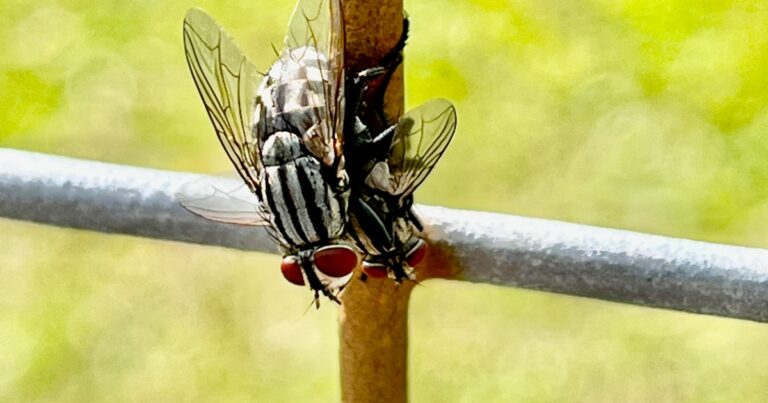
Fruit flies are tiny, tan or light brown with red eyes and are often found near fermenting fruit. Drain flies are fuzzy, moth-like, and hover near drains. Fungus gnats resemble tiny mosquitoes and are usually near houseplants. Correct identification is crucial for effective control.
📖 Reference Links and Further Reading
- Fruit Fly Facts – Fruit Fly Traps™
- DIY Fruit Fly Traps – Fruit Fly Traps™
- Fruit Fly Trap Ingredients – Fruit Fly Traps™
- Dealing with Persistent Fruit Flies – Fruit Fly Traps™
- Why are there so many fruit flies in my kitchen? – Facebook Group Post
- Healthy Home Cleaning: How to Get Rid of Fruit Flies
- TERRO Official Website
- Aunt Fannie’s Official Site
Ready to trap those fruit flies for good? Check out our Fruit Fly Trap Reviews for the latest and greatest in fly-catching tech!