Support our educational content for free when you purchase through links on our site. Learn more
12 Effective Ways to Get Rid of Fruit Flies at Home 🍎

The most effective ways to get rid of fruit flies at home start with removing their breeding source, cleaning food residue, and trapping the adults at the same time. A vinegar trap can catch flies you see, but it won’t fix the problem if a forgotten piece of fruit, sticky recycling bin, or food-coated drain is still inviting the next generation.
We’ve seen the culprit turn out to be an open compost caddy, a splash of juice beneath the toaster, and once, a potato hiding behind a pantry bin. Fruit flies can develop quickly in warm conditions, so a small cleanup today can save you from hosting a much bigger swarm next week.
Key Takeaways
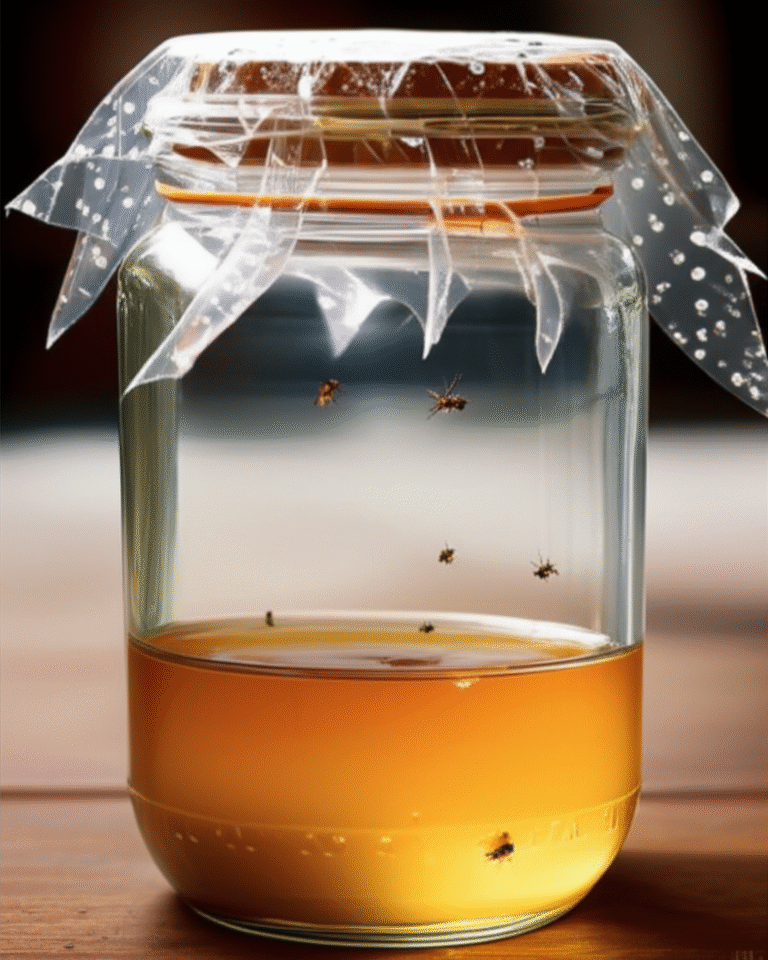
- Remove the source first: Discard overipe produce, seal food scraps, rinse recycling, and clean sticky spills.
- Trap adults while you clean: Apple cider vinegar, overipe fruit, or a ready-to-use trap can help catch flies.
- Check the overlooked spots: Inspect garbage bins, compost containers, drains, disposal splash guards, sponges, and houseplants.
- Keep up prevention for at least a week: Cover ripe fruit, empty food waste regularly, and refresh traps as needed.
- Don’t rely on sprays alone: They may kill visible adults but won’t remove eggs or larvae in hidden breeding material.
Table of Contents
- ⚡️ Quick Tips and Facts: Get Rid of Fruit Flies Fast
- 🔎 Fruit Flies at Home: What They Are and Why They Keep Coming Back
- Fruit flies vs. drain flies and gnats: How to tell them apart
- Where fruit flies breed and what attracts them
- The fruit fly life cycle: Why one trap may not be enough
- 🧭 Your Step-by-Step Fruit Fly Removal Plan
- Find the source before setting traps
- Remove breeding sites and clean the kitchen
- Choose traps, monitor results, and repeat
- 🪤 12 Effective Fruit Fly Traps and Natural Remedies to Try
- 1. Apple cider vinegar and dish soap trap
- 2. Rotten fruit trap
- 3. Red wine or beer trap
- 4. Paper-funnel jar trap
- 5. Plastic-wrap bowl trap
- 6. Store-bought fruit fly trap
- 7. Sticky traps for monitoring and catching adults
- 8. Old-fashioned milk, sugar, and pepper method
- 9. Basil leaves and other scented plant repellents
- 10. Lemon and cloves as a fragrant deterrent
- 11. Cucumber slices: Do they repel fruit flies?
- 12. Dish soap in fruit fly traps: Why it helps
- 🧽 Eliminate Fruit Fly Breding Grounds Around the Home
- Clean and store fresh produce properly
- Keep compost bins and food-scrap containers fruit-fly-proof
- Seal garbage, recycling, and food waste
- Clean drains, garbage disposals, and sink overflows
- Check sponges, mops, houseplants, and overlooked spill spots
- 🧴 Fruit Fly Sprays and Other Control Products: What Works?
- When to use insecticides and how to use them safely
- Why sprays alone rarely solve a fruit fly infestation
- 🏠 Prevent Fruit Flies from Returning
- A daily and weekly kitchen-cleaning checklist
- Fruit storage: Countertop, refrigerator, or covered bowl?
- Prevent fruit flies when bringing produce home
- 🧪 Troubleshooting: Why Your Fruit Fly Traps Aren’t Working
- Flies are still appearing after a few days
- Traps catch flies but the infestation continues
- The flies may not be fruit flies
- When to call a pest control professional
- 🌿 Safer Fruit Fly Control Around Kids, Pets, and Food
- ✅ Conclusion: A Clean, Fruit-Fly-Free Home
- 🔗 Recommended Links
- ❓ FAQ
- What is the fastest way to get rid of fruit flies?
- How long does it take to eliminate fruit flies?
- Do vinegar traps work for fruit flies?
- Can fruit flies come from drains?
- Why are fruit flies in my bathroom or bedroom?
- Do fruit flies bite or spread disease?
- Should I throw away fruit with fruit flies on it?
- What smells keep fruit flies away?
- 📚 Reference Links
⚡️ Quick Tips and Facts: Get Rid of Fruit Flies Fast
For the fastest practical approach, remove what’s feeding the flies, clean where they may be breeding, and trap the adults at the same time. A trap can catch adults, but it won’t solve the problem if a forgotten onion, sticky recycling bin, or gunk-coated drain is still producing new flies.
If you’re looking for a simple homemade option first, see our guide to the best homemade fruit fly trap or browse more DIY fruit fly traps.
| Time | What to do | Why it helps |
|---|---|---|
| First 10 minutes | Toss or refrigerate overipe produce; wipe juice, wine, and syrup spills; empty food waste and recycling | Removes the odors and food sources that attract adult flies |
| Next 15 minutes | Clean the sink, garbage disposal, drain opening, and trash-can rim | Clears organic residue that may provide food or a breeding site |
| Today | Set one or two traps near activity, not beside clean fruit | Catches adult flies while you remove their source |
| Next 48 hours | Keep produce covered or refrigerated; refresh traps and inspect hidden hotspots | Reduces new egg-laying and shows whether your cleanup worked |
| For at least a week | Keep food scraps sealed and counters clean | Helps prevent the next generation from restarting the infestation |
Our field rule: don’t make the trap do the cleaning’s job. As the University of Kentucky Entomology Department explains, sanitation and removal of breeding material are central to managing small flies. For identification help and more practical guidance, visit our fruit fly facts library.
A quick note about speed
Fruit flies develop quickly in warm conditions. The University of California Statewide Integrated Pest Management Program reports that a generation can develop in about a week under favorable conditions. That’s why a few flies today can become a much more noticeable kitchen problem before next weekend.
✅ Do: remove the source and trap adults together.
❌ Don’t: rely on a spray or a single trap while leaving ripe fruit, food residue, or wet organic waste exposed.
🔎 Fruit Flies at Home: What They Are and Why They Keep Coming Back
Fruit flies vs. drain flies and gnats: How to tell them apart
Tiny flies near the kitchen aren’t automatically fruit flies. Correct identification matters because fungus gnats often point to damp poting soil, while drain flies are associated with drains and similar wet, organic buildup.
| Pest | Typical appearance | Common location | First thing to investigate |
|---|---|---|---|
| Fruit fly | Small, tan to brown; many have noticeable reddish eyes | Fruit bowls, recycling, food waste, fermented liquids | Overipe produce, spills, compost, bottles, and drains |
| Fungus gnat | Slender, dark, mosquito-like fly | Houseplants and damp poting mix | Soil that stays wet; plant saucers |
| Drain fly | Small, fuzzy-looking fly with broad, moth-like wings | Sink, shower, floor drain | Organic film inside the drain or drain trap |
The UC IPM guide to fruit flies and University of Kentucky guide to small flies offer useful identification and control details. If flies hover around a plant instead of the fruit bowl, our guide to persistent fruit fly problems can help you work through the likely source.
Where fruit flies breed and what attracts them
Fruit flies are drawn to fermenting, moist, sugary organic material. The obvious fruit bowl is only one suspect. We’ve seen the mystery solved by a sticky recycling bottle, a compost caddy lid, and once by a forgotten potato tucked behind a pantry bin. The potato was not having a good week.
Check these locations:
- Overipe fruit and vegetables, including potatoes and onions
- Juice, wine, beer, or soda residue on counters and in recycling
- Food scraps in compost pails and garbage cans
- Sticky trash-can lids, rims, and liners
- Garbage disposals and drain openings with food residue
- Wet sponges, dishcloths, and mop heads
- Crumbs or spills beneath appliances and small kitchen appliances
For practical background on fruit fly behavior, see the University of Minnesota Extension overview.
The fruit fly life cycle: Why one trap may not be enough
Fruit flies lay eggs in moist, fermenting material. Their eggs and larvae remain at the source, so catching flying adults doesn’t necessarily remove the next wave. The UC IPM account describes a fast life cycle that can be completed in roughly a week in favorable conditions.
That’s why we recommend source removal plus adult trapping, rather than choosing one or the other. The trap catches the flies you can see; the cleanup targets the ones you can’t.
🧭 Your Step-by-Step Fruit Fly Removal Plan
Find the source before setting traps
Start by watching where the flies gather. Their favorite landing spots often point toward the source:
- Look around produce and food waste. Check under fruit, beneath the bowl, and around compost containers.
- Inspect bottles and cans. Rinse beverage containers before putting them in recycling.
- Check hidden produce. Look behind the toaster, under bags, and in pantry corners for leaking or spoiled items.
- Check sinks and drains. Inspect the drain opening, disposal splash guard, and nearby counter seams.
- Look for damp material. A wet sponge or forgotten dishcloth can hold food residue and moisture.
If the source isn’t obvious, temporarily remove or seal likely attractants one area at a time. That makes the next gathering spot easier to spot.
Remove breeding sites and clean the kitchen
Follow this order so you don’t accidentally clean around the real problem:
- Discard spoiled produce in a sealed bag and take it outside.
- Refrigerate ripe fruit or place it in a tightly covered container.
- Empty garbage and compost; wash the inside and rim of containers if they’re sticky.
- Rinse recycling that contained juice, wine, beer, or soda.
- Wipe counters and floors, including beneath the fruit bowl and appliances.
- Clean the drain area and disposal splash guard. Scrub away accessible residue rather than assuming a quick pour down the drain will fix everything.
- Wash or replace wet sponges and cloths; let reusable items dry between uses.
The U.S. Environmental Protection Agency’s integrated pest management guidance supports starting with prevention and nonchemical controls. For drain-specific steps, jump to cleaning drains and garbage disposals.
Choose traps, monitor results, and repeat
Once food sources are removed, put traps near—but not directly beside—food-preparation surfaces. A trap on the counter beside a bowl of uncovered peaches is competing with a very persuasive rival.
- Use one or two traps in the room where activity is highest.
- Keep traps away from children, pets, and food-contact surfaces.
- Check them daily and refresh the bait if it dries out or stops smelling fermented.
- If the trap catches flies but you still see many, revisit the source hunt.
- Keep up sanitation for at least a week; fresh adults may emerge from material you missed.
The first YouTube video embedded above, “Simple DIY trick to get rid of fruit flies in your house” by WCCO – CBS Minnesota, shows a quick DIY approach. It may be helpful if you want to see a trap setup in action, but remember: a trap catches flies; source removal stops the breeding cycle.
🪤 12 Effective Fruit Fly Traps and Natural Remedies to Try
No single homemade trap wins every kitchen contest. In our experience, performance depends on the bait, placement, fly species, and whether you’ve removed competing food sources. Here’s how the common approaches compare.
| Method | Best use | Main advantage | Main drawback |
|---|---|---|---|
| Apple cider vinegar and soap | Catching visible adults | Easy to assemble with common supplies | May be less attractive than ripe fruit for some flies |
| Rotten fruit and paper funnel | Strong fruit-scent attraction | Simple, reusable jar setup | Must be handled and discarded carefully |
| Wine or beer | Using leftover fermented drinks | Convenient bait | Can attract flies if left exposed without a trap |
| Covered vinegar trap | Low-spill placement | Helps keep bait contained | Holes must be sized and positioned well |
| Commercial liquid-bait trap | Set-and-monitor convenience | Ready to use | Must still remove breeding sources |
| Sticky trap | Monitoring nearby flying insects | No liquid bait | Can catch non-target insects and won’t solve breeding |
| Basil, lemon, cloves, cucumber | Supplemental deterrence | Pleasant household scents | Not a dependable stand-alone control |
For more options and setup ideas, browse our DIY fruit fly trap collection.
1. Apple cider vinegar and dish soap trap
Apple cider vinegar smells fermented, which can attract fruit flies. Dish soap reduces the liquid’s surface tension, making it harder for a fly that lands on the mixture to stay afloat. The principle is plausible and widely used, but results vary: Bon Appétit reported that its test found a fruit-and-funnel trap more effective than its soap-and-vinegar bowl. In short, the classic trap is handy, not magical.
You’ll need:
- A small jar or bowl
- About 1 inch of apple cider vinegar
- A few drops of liquid dish soap
- Optional plastic wrap and a rubber band
Setup:
- Pour the vinegar into the container.
- Add a few drops of dish soap and gently swirl.
- Leave the container uncovered, or cover it with plastic wrap and poke several small holes.
- Place it near fly activity, away from food preparation.
- Check it daily and replace the mixture when dirty or stale.
✅ Best for: a quick, low-effort first trap.
❌ Less useful when: a stronger source, such as rotting fruit or an open compost pail, remains nearby.
For a detailed comparison of bait styles, see our guide to homemade fruit fly traps.
2. Rotten fruit trap
A small piece of very ripe banana, peach, or strawberry can provide a powerful fruity scent. This setup is worth trying when flies ignore vinegar.
- Put a small piece of overipe fruit in a clean jar.
- Roll paper into a cone, narrow opening down.
- Set the cone in the jar without letting it touch the fruit.
- Secure the cone so it stays in place.
- Check daily and discard the bait in a sealed bag once it has caught flies or begun to decay.
A cone encourages flies to enter toward the bait and makes the exit harder to find. Bon Appétit’s testing favored a jar with overipe fruit and a paper funnel over several other DIY options. That’s a useful real-world comparison, though no trap can substitute for removing the original breeding material.
3. Red wine or beer trap
A little leftover red wine or beer can attract fruit flies because of its fermented aroma.
- Add a small amount to a jar or leave a little in the bottom of a bottle.
- For an open jar, add a few drops of dish soap or cover it with perforated plastic wrap.
- Place it near the flies.
- Empty and wash the container once activity drops.
Watch out: an open glass of wine can become a snack bar for flies, not a trap. Use a covered container or soap if you want to reduce escapes.
4. Paper-funnel jar trap
The paper funnel works with fruit, vinegar, or a combination of both. It’s a good option if you want to avoid plastic wrap.
- Add a small quantity of bait to a jar.
- Roll a piece of paper into a cone and tape its edge.
- Trim a small opening at the cone’s tip.
- Place the cone in the jar, narrow end down, keeping it above the bait.
- Make sure the cone fits snugly so flies are less likely to escape around the rim.
Use fresh paper if it becomes damp or stained. For children and pets, place the jar where it cannot be knocked over.
5. Plastic-wrap bowl trap
This is a straightforward way to cover liquid or fruit bait while leaving a few entry points.
- Place bait in a bowl or jar.
- Stretch plastic wrap tightly over the top.
- Secure it with a rubber band.
- Poke a few small holes with a toothpick.
- Set it near the source, then replace the bait as needed.
The holes should be small enough to make escape less likely but large enough for flies to enter. If flies don’t enter, try a different bait or move the trap closer to where you see them.
6. Store-bought fruit fly trap
Ready-to-use liquid-bait traps reduce setup work. Examples include TERO Fruit Fly Traps and Aunt Fannie’s FlyPunch!. Read each label for use directions, placement, and precautions; don’t assume every product is appropriate around every pet or child.
Advantages
- No need to mix or prepare bait
- Convenient for kitchens and other indoor areas
- Often easier to place consistently than a homemade bowl
Drawbacks
- Traps catch adults but don’t remove hidden breeding material
- Bait can attract flies to the area if left open or poorly placed
- Disposable components create waste
For a product option highlighted by Good Housekeeping, see its fruit fly control recommendations. Always follow the manufacturer’s instructions rather than improvising with the contents.
- TERO Fruit Fly Trap: Amazon | Walmart | TERO Official Website
- Aunt Fannie’s FlyPunch!: Amazon | Walmart | Aunt Fannie’s Official Website
7. Sticky traps for monitoring and catching adults
Sticky cards can catch small flying insects and help show where activity is concentrated. They’re useful as monitoring tools, but they don’t remove breeding sites. Place them near suspected activity, not beside food or where pets can reach them.
A plug-in light trap may also catch some flying insects, but performance varies by room, placement, and species. Bon Appétit reported that a plug-in light-up trap did little in its particular test, while Good Housekeeping highlighted a STEM insect light trap as a tested option for flying insects. Those accounts aren’t necessarily contradictory: different devices, rooms, insects, and testing methods can produce different results.
8. Old-fashioned milk, sugar, and pepper method
This traditional recipe uses a sweet liquid mixture as bait, sometimes with pepper added. It’s less convenient than a covered jar trap and requires heating, so we generally prefer vinegar or fruit bait.
If you try it, use a heat-safe pan, let the mixture cool completely, and place it in a shallow dish away from children and pets. Don’t leave a perishable mixture standing for long; discard it promptly and wash the dish. It’s an old household remedy, not a method with strong modern evidence behind it.
9. Basil leaves and other scented plant repellents
Basil is a welcome kitchen herb, but placing a basil plant beside the fruit bowl shouldn’t be treated as a reliable way to eliminate an infestation. Evidence for household scent deterrents is weaker than evidence for sanitation and source removal.
Grow basil because you enjoy cooking with it. If you want to test whether its scent changes fly activity, use it alongside traps and cleanup, not instead of them.
10. Lemon and cloves as a fragrant deterrent
Cloves and lemon can scent a room, but we wouldn’t rely on them to control a breeding population. If you like the aroma, place a clove-studded lemon well away from food-contact areas and replace it before it molds.
✅ Reasonable expectation: a pleasant-smelling experiment.
❌ Unreasonable expectation: a dependable replacement for removing rotting produce and food residue.
11. Cucumber slices: Do they repel fruit flies?
Some household advice recommends cucumber slices as a deterrent. We haven’t found strong, authoritative evidence that cucumber reliably repels fruit flies in a home. Fresh cucumber can also decay if left out, creating another moist organic item to monitor.
If you want to test the idea, use a small piece, keep it away from food-prep surfaces, and remove it promptly. Don’t let a proposed repellent become tomorrow’s breeding material.
12. Dish soap in fruit fly traps: Why it helps
Dish soap acts as a surfactant: it helps reduce water’s surface tension. When added sparingly to a liquid-bait trap, it can make it harder for a fly to remain on the surface.
Use only a few drops. Too much soap can alter the bait’s smell or make the mixture unnecessarily messy. For a trap that relies on a funnel rather than drowning, soap may not be needed at all.
🧽 Eliminate Fruit Fly Breding Grounds Around the Home
Clean and store fresh produce properly
Wash produce under clean running water before eating or preparing it. The FDA’s produce safety advice recommends rinsing produce under running water and avoiding soap or detergent on fruits and vegetables.
To reduce fruit fly opportunities:
- Inspect produce when unpacking groceries.
- Discard damaged or leaking pieces.
- Refrigerate ripe fruit when appropriate, or cover it in a sealed bowl.
- Keep bananas and other counter fruit away from food scraps and recycling.
- Clean the bowl and the counter beneath it regularly.
Washing helps with surface dirt and some insects, but it doesn’t guarantee that every egg or larva has been removed. Store produce carefully and discard anything that is rotting or leaking.
Keep compost bins and food-scrap containers fruit-fly-proof
Compost is a useful resource, but exposed scraps can become an inviting food source. Keep a countertop caddy closed, empty it frequently, and rinse it when sticky residue builds up.
For outdoor compost:
- Cover fresh food scraps with dry leaves, paper, or other suitable “brown” material.
- Keep the pile managed rather than letting wet kitchen waste sit exposed on top.
- Clean the compost pail and its lid regularly.
- Consider freezing scraps before transferring them if indoor storage is contributing to flies.
Composting practices vary by setup; follow guidance from a reliable local extension service. The U.S. EPA’s composting overview explains basic home composting approaches.
Seal garbage, recycling, and food waste
Use a lidded bin and take out food waste before it becomes fermenty. Rinse cans and bottles that held sugary or alcoholic drinks, and clean the recycling container if liquid collects at the bottom.
A useful quick check: wipe the underside of the lid, the rim, and the floor around the bin. These spots are easy to miss, and residue can keep attracting flies after the bag is gone.
Clean drains, garbage disposals, and sink overflows
Fruit flies may gather near a sink, but that doesn’t automatically mean they’re breeding inside the drain. Drain flies are a frequent look-alike, and the source may be a nearby compost pail or recycling container.
- Remove visible food debris from the drain opening and disposal splash guard.
- Scrub accessible residue using a drain brush and appropriate cleaning method.
- Clean the sink overflow opening if flies cluster there.
- Run the garbage disposal according to its manufacturer’s instructions, flushing food debris with water.
- Recheck the area over the next few days.
Avoid pouring bleach into a drain as a cure-all. It may flow past the material where larvae or eggs are present, and bleach can create dangerous fumes if mixed with other cleaners. The Poison Control guidance on bleach warns against mixing bleach with other cleaning products. Never combine bleach with vinegar, ammonia, or drain cleaner.
Check sponges, mops, houseplants, and overlooked spill spots
When the fruit bowl is innocent, inspect the supporting cast:
- Sponges and cloths: Rinse, dry, or replace them; wash out food residue.
- Mops: Rinse and dry the head after use.
- Under appliances: Check for spills beneath the refrigerator, microwave, and toaster.
- Houseplants: If flies hover over soil, consider fungus gnats instead. Let the top layer of soil dry between watering when appropriate for the plant, and empty standing water from saucers.
- Beverage areas: Clean coffee makers, juicers, and reusable cups if sugary residue remains.
🧴 Fruit Fly Sprays and Other Control Products: What Works?
When to use insecticides and how to use them safely
For a typical kitchen fruit fly problem, we recommend beginning with sanitation, sealed food, and traps. If you choose an insecticide, use only a product labeled for the intended indoor pest and location, and follow the label exactly. The EPA explains that pesticide labels provide required directions for safe use in its consumer pesticide safety guidance.
Keep sprays away from food, dishes, countertops, children, and pets unless the label specifically allows the intended use. Never apply an outdoor-use product indoors. When an infestation persists or the insect identity is uncertain, consider a licensed pest management professional rather than spraying at random.
Why sprays alone rarely solve a fruit fly infestation
A spray can kill exposed adults, but it may not reach eggs and larvae inside fermenting material. If the source remains, new adults may appear, making the spray seem ineffective.
Think of it like mopping around a leaking tap: the floor may look better briefly, but the source keeps supplying the problem. Find and remove the breeding material first.
🏠 Prevent Fruit Flies from Returning
A daily and weekly kitchen-cleaning checklist
| Frequency | Prevention task |
|---|---|
| Daily | Wipe sugary spills, cover or refrigerate ripe fruit, empty food scraps when needed |
| Several times a week | Rinse beverage containers before recycling; wash compost caddy if sticky |
| Weekly | Clean bin rims and lids, inspect pantry produce, scrub sink and disposal splash guard |
| As needed | Discard leaking produce, replace stale trap bait, clean spills beneath appliances |
A few small routines beat a dramatic weekend cleanup. Fruit flies don’t care whether your kitchen is spotless; they care whether a tiny patch of fermenting food is available.
Fruit storage: Countertop, refrigerator, or covered bowl?
Different produce has different storage needs, so use the guidance on the packaging or consult the FDA’s safe food handling recommendations. For fruit fly prevention, the practical goal is simple: don’t leave ripe or damaged fruit exposed.
- Refrigerate ripe produce when suitable.
- Keep countertop fruit covered or in a sealed container.
- Inspect the bowl daily and remove damaged pieces.
- Clean fruit residue from the bottom of the bowl.
Prevent fruit flies when bringing produce home
- Inspect bags for damaged, leaking, or overly ripe items.
- Remove produce from bags and store it appropriately.
- Wash fruit under running water before eating or preparation, as the FDA recommends.
- Don’t store grocery bags containing fruit scraps or juice residue indoors.
- Check pantry onions and potatoes occasionally; one spoiled item can quietly attract flies.
🧪 Troubleshooting: Why Your Fruit Fly Traps Aren’t Working
Flies are still appearing after a few days
A few days of activity doesn’t necessarily mean the trap has failed. Flies may still be emerging from a source you haven’t found, or fresh adults may be appearing after the initial cleanup.
Try this:
- Empty and clean trash, recycling, and compost containers.
- Inspect produce stored in cabinets and pantry corners.
- Check drains, disposal splash guards, and sink overflows.
- Move a trap to the busiest area or test a different bait.
- Keep food scraps sealed and repeat the cleanup for a week.
For stubborn cases, our persistent fruit fly guide offers more troubleshooting ideas.
Traps catch flies but the infestation continues
That’s a strong clue that adult capture is working but source control is incomplete. Check for competing food and breeding sites. A full trap beside an open compost pail is evidence of activity, not proof that the problem is solved.
The flies may not be fruit flies
If the insects are dark and clustered around damp houseplant soil, investigate fungus gnats. If they look fuzzy and gather around drains, consider drain flies. Compare appearance and habitat with the University of Kentucky’s small fly guide before changing your control plan.
When to call a pest control professional
Consider professional help when:
- Flies persist despite careful source removal and sanitation.
- You cannot locate the source after checking food, waste, drains, and plants.
- The insects may be a different pest.
- The problem affects a business, food-preparation area, or shared building.
A qualified professional can identify the insect and inspect hidden breeding sites. For business-specific needs, see our commercial fruit fly trap resources.
🌿 Safer Fruit Fly Control Around Kids, Pets, and Food
- Put traps where children and pets cannot reach or spill them.
- Keep bait away from food, utensils, and food-preparation surfaces.
- Follow product labels and store pest-control products in their original containers.
- Don’t use essential oils, pesticides, or household chemicals on produce.
- Never mix cleaning products, especially bleach with acids or ammonia.
- Wash hands after handling spoiled food or used traps.
The safest effective plan for most household fruit flies is also refreshingly simple: remove rotting food, clean residue, secure waste, and trap adults. EPA guidance on integrated pest management likewise prioritizes prevention and targeted control over unnecessary pesticide use.
Sources and further reading