Support our educational content for free when you purchase through links on our site. Learn more
15 Fruit Fly Breding Sites in Home 🍎

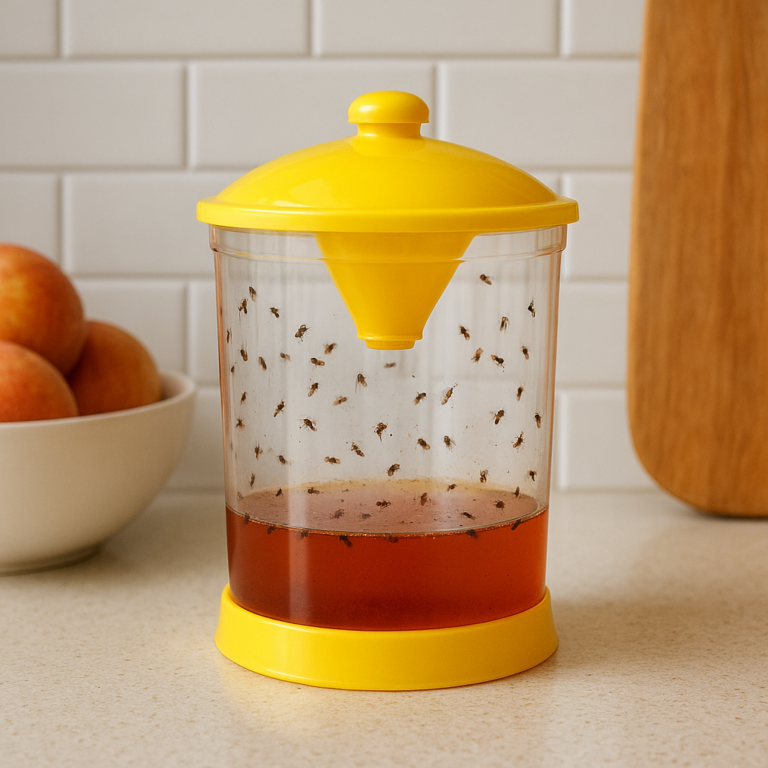
Fruit fly breeding sites in home are usually moist spots containing fermenting food organic residue, such as overipe produce, trash-can leaks, recycling containers, garbage disposals, and drain biofilm. Remove that breeding material first, then use traps to catch the adult flies still buzzing around your kitchen.
Fruit flies can complete their life cycle in roughly 8–10 days under favorable conditions, according to Texas A&M AgriLife Extension. That means one forgotten banana or sour bottle can quietly become a full-blown aerial nuisance before you finish saying, “Where did all these come from?”
We once investigated a stubborn infestation that appeared to center on a spotless fruit bowl. The real culprit was an onion tucked behind a pantry shelf, leaking just enough moisture to support generations of flies. The lesson? The busiest area is not always the breeding site.
This guide shows you where fruit flies breed indoors, how to identify hidden sources, which traps help, and how to stop the cycle from returning.
Key Takeaways
- Search for moisture plus fermenting organic matter. Check overipe produce, trash, compost, recycling, drains, garbage disposals, mop heads, and appliance drip areas.
- Remove the breeding site before relying on traps. Traps catch adult flies but do not eliminate eggs, larvae, or pupae hidden in food residue or drain biofilm.
- Inspect overlooked locations. Rotten potatoes or onions, bottle residue, trash-can bottoms, refrigerator drain pans, and spills beneath appliances are frequent culprits.
- Clean drains mechanically. Scrub drain walls and garbage-disposal components; bleach or boiling water alone may not remove established organic buildup.
- Use traps as monitors and cleanup tools. Products such as Tero Fruit Fly Traps, Aunt Fannie’s FlyPunch!, and Green Gobler Fruit Fly Goodbye can reduce adult numbers after the source is removed.
- Keep checking for 10–14 days. Continued activity usually means a hidden source remains or a new generation is emerging.
- Prevent recurrence with simple habits: refrigerate ripe produce, rinse recyclables, empty food waste frequently, dry cleaning cloths, and repair leaks.
- For additional control methods, explore our guides to DIY Fruit Fly Traps and Dealing with Persistent Fruit Flies.
Table of Contents
- ⚡️ Quick Tips and Facts About Fruit Fly Breding Sites in the Home
- How fast can fruit flies reproduce indoors?
- Fruit flies versus drain flies and fungus gnats
- 🔎 What Are Fruit Fly Breding Sites in the Home?
- The ideal conditions fruit flies need to breed
- Where adult fruit flies lay eggs
- How eggs, larvae, pupae, and adults develop
- 🍎 15 Common Fruit Fly Breding Sites Indors
- Overipe fruit and vegetables
- Fruit bowls and countertop produce
- Kitchen trash cans and garbage bags
- Recycling bins and beverage containers
- Compost containers and food scrap bins
- Spilled juice, soda, wine, and beer
- Sticky kitchen counters and cabinet spills
- Dirty dishes, cups, and kitchen sponges
- Garbage disposal and sink drain residue
- Cloged or neglected drains
- Mop buckets, cleaning rags, and wet towels
- Fermenting foods, homemade brews, and sourdough starters
- Leaking refrigerators, dishwashers, and appliances
- Forgoten food under appliances and furniture
- Houseplant soil and organic indoor debris
- 🏠 Room-by-Room Fruit Fly Breding Site Inspection
- Kitchen breeding sites
- Dining room and pantry breeding sites
- Bathroom and laundry room breeding sites
- Basement, garage, and utility room breeding sites
- Restaurant-style kitchens, offices, and shared spaces
- 🧪 How to Find the Hidden Source of a Fruit Fly Infestation
- Follow fruit flies to their breeding material
- Use sticky traps as monitoring tools
- Inspect drains, bins, bottles, and damp cracks
- The overnight test for locating active breeding areas
- 🧼 How to Eliminate Fruit Fly Breding Sites
- Remove spoiled food and fermenting organic matter
- Clean food residue from counters, floors, and cabinets
- Wash and disinfect trash and recycling containers
- Clean garbage disposals and sink drains safely
- Dry damp areas and replace contaminated sponges
- Store produce, beverages, and food correctly
- 🪤 Best Fruit Fly Traps for Homes
- Apple cider vinegar traps
- Commercial fruit fly traps
- Sticky cards and monitoring traps
- What traps can and cannot do
- How to place traps for better results
- ❌ Fruit Fly Control Mistakes That Let Infestations Return
- Killing adults without removing the breeding site
- Ignoring drains and garbage disposals
- Leaving recycling unwashed
- Using pesticides around food without care
- Cleaning only the visible surfaces
- 🧴 Pesticides, Drain Cleaners, and Household Safety
- When insecticides are unnecessary
- Safe use of household cleaning products
- Why bleach may not remove drain-breding buildup
- When to contact a licensed pest professional
- 🛡️ Preventing Fruit Flies From Breding in Your Home
- Daily kitchen sanitation routine
- Weekly drain and garbage disposal maintenance
- Smart produce storage and rotation
- Keeping trash, compost, and recycling fruit-fly resistant
- Sealing cracks, screens, and entry points
- 🌡️ Seasonal Fruit Fly Breding Patterns
- Why fruit flies surge in summer and fall
- Indoor infestations during winter
- How heating and humidity affect reproduction
- 🪰 Fruit Flies Versus Other Small Flying Insects
- Fruit flies and drain flies
- Fruit flies and fungus gnats
- Fruit flies and phorid flies
- Fruit flies and pantry moths
- 👶 Are Fruit Flies Dangerous to People or Pets?
- Food contamination concerns
- Health risks for children, pets, and sensitive households
- When fruit flies indicate a sanitation or plumbing problem
- 📊 Fruit Fly Breding Sites: Quick Comparison Table
- Moisture, food source, and breeding risk
- Fastest fixes for common household sources
- 🧠 Expert Fruit Fly Control Checklist
- The first 24 hours
- The next seven days
- Signs the infestation is gone
- ✅ When to Call a Pest Control Professional
- Persistent fruit flies after thorough cleaning
- Recurring flies from drains or plumbing
- Commercial kitchens and high-risk environments
- Conclusion
- Recommended Links
- FAQ
- Where do fruit flies breed in a house?
- Can fruit flies breed in drains?
- How do I find where fruit flies are coming from?
- How long does it take to eliminate a fruit fly infestation?
- Will fruit fly traps eliminate the breeding site?
- Why do fruit flies keep coming back after cleaning?
- Can fruit flies breed in houseplant soil?
- Are fruit flies attracted to empty bottles and cans?
- Reference Links
⚡️ Quick Tips and Facts About Fruit Fly Breding Sites in the Home
If you’re battling kitchen flies, our complete guide to fruit fly traps is a useful companion. But here’s the crucial truth from our extermination work: traps catch adults; removing the breeding site stops the population.
The Fastest Fruit Fly Fix
- Refrigerate or discard overipe produce, especially bananas, tomatoes, potatoes, onions, squash, and fruit with cracked skin.
- Empty and wash trash, compost, and recycling bins.
- Clean sticky spills beneath and behind appliances.
- Scrub garbage disposals and drain interiors, rather than simply pouring liquid down them.
- Set traps to catch remaining adults and reveal activity.
- Repeat inspections for at least 10–14 days.
The University of Wisconsin–Madison Extension puts it plainly: “The only way to completely stop problems with fruit flies is to find and eliminate breeding sites.” Fruit flies can complete their life cycle in roughly 8–10 days under favorable conditions, according to Texas A&M AgriLife Extension.
How fast can fruit flies reproduce indoors?
A female may lay hundreds of eggs, and some extension sources report roughly 500 eggs per female. Eggs are deposited near moist, fermenting material, where larvae feed on yeast and decaying organic matter. Warm indoor kitchens can therefore turn one forgotten potato into a tiny airborne army remarkably quickly.
| Fact | Typical detail |
|---|---|
| Adult size | About 1/16–1/8 inch, or 2–4 mm |
| Common appearance | Tan or brown body; many have reddish eyes |
| Egg-laying material | Moist, fermenting, or rotting organic matter |
| Egg-to-adult development | About 8–10 days under ideal conditions |
| Main food for larvae | Yeast and microorganisms in decaying material |
| Best control | Remove the breeding medium, then trap adults |
Our field rule: if flies remain after you remove the fruit bowl, assume something wetter, stickier, or more hidden is involved.
Fruit flies versus drain flies and fungus gnats
Small flying insects are often lumped together as “fruit flies,” but the treatment can differ dramatically.
| Pest | Appearance | Typical breeding site | Best first response |
|---|---|---|---|
| Fruit fly | Tiny tan/brown fly, often red-eyed | Fermenting produce, recycling residue, drains, trash | Remove food residue and inspect drains |
| Drain fly | Fuzzy, moth-like wings | Slimy drain and pipe biofilm | Scrub drain walls and trap |
| Fungus gnat | Slender, mosquito-like body | Damp houseplant soil | Reduce moisture and inspect plants |
| Phorid fly | Humped back; often runs before flying | Decaying matter, plumbing leaks, sewage-related areas | Investigate sanitation and plumbing |
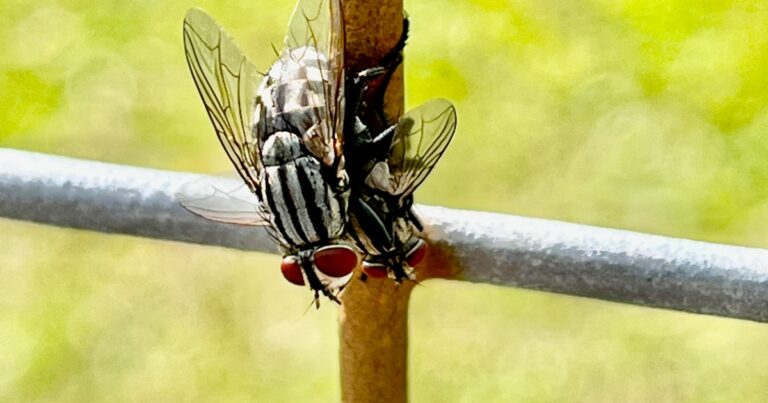
The University of Kentucky entomology guidance notes that small kitchen flies are commonly fruit flies, but identification matters. A drain fly infestation will not be solved by polishing the fruit bowl, and fungus gnats will not be impressed by your apple cider vinegar trap. 🪰
For identification help, browse our Fruit Fly Facts category.
🔎 What Are Fruit Fly Breding Sites in the Home?
A fruit fly breeding site is any location containing the combination of:
- Moisture
- Fermenting or decaying organic matter
- Microbial activity, especially yeast
- A protected surface where eggs and larvae can develop
The food does not need to look dramatically rotten. A thin film of fermented juice under a trash-can liner, a crust of soda inside a bottle, or residue on a drain wall may be enough. Texas A&M explains that moisture is critical because larvae cannot develop without water.
The ideal conditions fruit flies need to breed
Think of a breeding site as a miniature nursery. It needs food, water, shelter, and the right temperature.
| Condition | What it looks like at home | Why it matters |
|---|---|---|
| Moisture | Wet trash, drain slime, leaking produce bag | Prevents eggs and larvae from drying out |
| Fermentation | Sour fruit juice, wine, beer, cider, soda residue | Produces odors that attract adults |
| Organic matter | Fruit pulp, vegetable scraps, grease, food particles | Feds larvae and supports yeast |
| Warmth | Under appliances, near pipes, inside bins | Speds development |
| Protection | Drain walls, bottle necks, cracks, covered bins | Shields eggs and larvae from disturbance |
A dry counter is not a breeding site. A damp, sugary film underneath the counter’s appliance may be. That distinction explains why surface cleaning sometimes appears to “fail.”
Where adult fruit flies lay eggs
Adult females usually lay eggs near the surface of fermenting or rotting material. They may use:
- Bruised fruit
- Vegetable scraps
- Wet garbage
- Unrinsed cans and bottles
- Drain biofilm
- Damp mop heads
- Compost residue
- Leaking refrigerator drain pans
- Sticky food in cracks or under appliances
The Wisconsin Horticulture Division article on fruit flies specifically warns about hidden onions, potatoes, squash, banana pels, and apple cores. We once found a stubborn infestation traced to one onion that had rolled behind a pantry shelf. It looked harmless. It was not. That onion had become a five-star hotel for fruit flies.
How eggs, larvae, pupae, and adults develop
Fruit flies undergo complete metamorphosis:
- Egg: Laid on or beside moist fermenting material.
- Larva: Hatches and feeds near the surface, consuming yeast and microorganisms.
- Pupa: Forms after the larva leaves the wet food source.
- Adult: Emerges, mates, and begins the cycle again.
This is why killing visible adults can feel like scoping water from a leaking boat. You may remove today’s flies while tomorrow’s adults are already developing out of sight.
🍎 15 Common Fruit Fly Breding Sites Indors
The fruit bowl gets all the blame. Sometimes it deserves it. Often, however, the real culprit is hiding under a bin, behind a refrigerator, or inside a drain.
1. Overipe fruit and vegetables
Common culprits include:
- Banas
- Apples
- Tomatoes
- Melons
- Grapes
- Strawberries
- Pineaples
- Potatoes
- Onions
- Squash
Check produce carefully for soft spots, cracks, leaking juice, mold, or sour odors. Fruit flies may enter the home on produce already carrying eggs, especially when fruit is left warm on the counter.
The University of Kentucky notes that damaged portions can often be cut away from otherwise sound produce, but discard heavily fermented or infested items. Place them in an outdoor bin rather than an open indoor trash can.
2. Fruit bowls and countertop produce
Fruit bowls create a convenient buffet, especially when bananas and apples sit together. Inspect:
- The underside of fruit
- The bowl’s bottom
- Juice puddles beneath the bowl
- Cloth liners
- Nearby cutting boards
- Cracks in countertops
Wash the bowl with hot, soapy water and dry it thoroughly. Store ripe fruit in the refrigerator when practical, and rotate produce daily.
3. Kitchen trash cans and garbage bags
A trash can look clean while its bottom contains a sticky layer of fermenting liquid. Inspect:
- Beneath the liner
- Around the lid hinge
- Under the rim
- Wheels and casters
- The floor beneath the can
Wash the container with detergent, rinse it, and dry it fully. A damp can returned to service is simply a freshly renovated fruit-fly nursery.
4. Recycling bins and beverage containers
Rinsing is not optional if you want fewer fruit flies. Check:
- Wine bottles
- Beer bottles and cans
- Soda cans
- Juice containers
- Syrup bottles
- Ketchup and condiment bottles
The Wisconsin source specifically identifies old ketchup bottles as a common source. Let containers drain completely before placing them in the recycling bin, and wash the bin regularly.
5. Compost containers and food scrap bins
Countertop compost caddies are convenient, but they are also wonderfully fragrant to fruit flies. Reduce risk by:
- Emptying the caddy frequently
- Using a washable, tightly lidded container
- Lining it with a compostable bag where appropriate
- Washing and drying the interior
- Keeping the outdoor compost pile covered and balanced
Avoid leaving wet fruit scraps indoors overnight during an active infestation.
6. Spilled juice, soda, wine, and beer
A teaspoon of spilled fermenting liquid can be more attractive than a whole unripe orange. Search beneath:
- Refrigerators
- Dishwashers
- Beverage carts
- Coffee stations
- Bar cabinets
- Trash cans
- Floor mats
Use warm detergent solution to dissolve sugars, then rinse and dry. A quick spray-and-wipe may remove the smell from your nose but leave the breeding film intact.
7. Sticky kitchen counters and cabinet spills
Inspect seams and hidden edges, including:
- Countertop-to-wall joints
- Cabinet corners
- Drawer tracks
- Under appliance feet
- Cracks around sink rims
- Areas beneath cutting boards
Use a flashlight at a low angle. Sticky residue often becomes visible when light reflects across the surface.
8. Dirty dishes, cups, and kitchen sponges
Fruit flies are attracted to residue in:
- Wine glasses
- Juice cups
- Smoothie blenders
- Coffee mugs
- Pet bowls
- Reusable straws
- Dish brushes
- Sponges
Rinse containers soon after use. Replace sour-smelling sponges and launder reusable cloths. Allow cleaning tools to dry between uses.
9. Garbage disposal and sink drain residue
Garbage disposals collect organic matter beneath the splash guard and around the grinding chamber. Remove and scrub the rubber splash guard if the manufacturer allows it, then clean the disposal according to the appliance instructions.
Do not assume that a strong-smelling chemical has removed the film. Texas A&M AgriLife Extension recommends mechanical scrubbing with a stiff brush because the organic film must be physically disrupted.
10. Clogged or neglected drains
Fruit flies may breed in drain biofilm containing:
- Food particles
- Grease
- Soap residue
- Hair
- Organic sludge
- Standing water
Inspect kitchen, bathroom, laundry, basement, and floor drains. A fruit fly population repeatedly appearing in a bathroom deserves special attention, particularly if there is a plumbing leak or slow drain.
11. Mop buckets, cleaning rags, and wet towels
Mops and rags contaminated with food waste can become surprisingly effective breeding media. Wash them with detergent and dry them completely. Empty mop buckets immediately after use.
If a rag smells sour, do not negotiate with it. Wash it hot or replace it. Your nose is already filing the pest report.
12. Fermenting foods, homemade brews, and sourdough starters
Inspect:
- Homemade wine
- Cider
- Beer
- Kombucha
- Vinegar
- Sourdough starters
- Fruit preserves
- Pickling containers
- Home-canned produce
Keep fermentation vessels tightly sealed with appropriate airlocks or lids. Fruit flies can exploit poorly sealed containers and may lay eggs around lid edges.
13. Leaking refrigerators, dishwashers, and appliances
Look for:
- Refrigerator drain pans
- Ice-maker areas
- Condensation trays
- Dishwasher kick plates
- Beverage dispenser drip trays
- Hidden hoses
- Damp insulation or flooring
The University of Wisconsin guidance identifies refrigerator or icebox drain pans as possible breeding sites. Unplug appliances only when safe and according to manufacturer instructions. For leaks, contact an appliance technician or plumber rather than dismantling electrical equipment.
14. Forgotten food under appliances and furniture
Bana pels, apple cores, potatoes, pet food, and vegetable scraps can hide beneath:
- Refrigerators
- Stoves
- Dishwashers
- Cabinets
- Sofas
- High chairs
- Trash bins
Use a flashlight and a long-handled cleaning tool. We once traced “mysterious” flies to a dried apple core under a rolling kitchen cart. The flies had better housekeeping than the household.
15. Houseplant soil and organic indoor debris
Fruit flies are not the usual culprit in plant soil; fungus gnats are more common. Still, rotting bulbs, fallen fruit, wet plant debris, and decaying organic amendments can support small flies.
Remove dead leaves, avoid overwatering, and identify the insect before choosing a treatment. Sticky cards can monitor adult fungus gnats, but they will not remove wet soil conditions.
🏠 Room-by-Room Fruit Fly Breding Site Inspection
Kitchen breeding sites
Start with the kitchen because it usually contains the richest mix of food, water, warmth, and hiding places.
Inspect in this order:
- Fruit bowl and produce storage
- Trash and compost containers
- Recycling bin and bottles
- Sink, disposal, and drain opening
- Under and behind appliances
- Pantry bags of potatoes and onions
- Mop, sponge, and towel storage
- Refrigerator drain pan and drip areas
Use a written checklist. During a real infestation, memory becomes optimistic; paper is less forgiving.
Dining room and pantry breeding sites
Check:
- Wine bottles and glasses
- Fruit or snack bowls
- Pet-food dishes
- Pantry produce
- Open preserves
- Spilled juice under furniture
- Damp placemats
- Recycling stored indoors
Pay special attention to potatoes and onions stored in dark cabinets. They can spoil internally while looking acceptable from the outside.
Bathroom and laundry room breeding sites
Fruit flies can occur in bathrooms when drains contain organic film or plumbing leaks create damp conditions. Inspect:
- Sink drains
- Tub and shower drains
- Floor drains
- Laundry standpipes
- Wet towels
- Mop buckets
- Utility sinks
- Toiletry residue
Drain flies are more common in these areas, so capture a specimen or photograph it for identification before treating the entire room.
Basement, garage, and utility room breeding sites
Search for:
- Floor drains
- Leaking pipes
- Old produce storage
- Fermentation equipment
- Garbage containers
- Damp cardboard
- Forgotten bottles and cans
- Roting plant material
- Sump-pump areas
Poorly grouted tiles and floor cracks can hold contaminated water and food residue, a concern highlighted by Texas A&M AgriLife Extension.
Restaurant-style kitchens, offices, and shared spaces
In offices and shared kitchens, the source may belong to everyone and therefore to no one. Assign responsibility for:
- Emptying communal bins
- Rinsing bottles
- Cleaning coffee stations
- Washing refrigerator shelves
- Removing forgotten lunches
- Cleaning sink drains
Commercial food areas should follow local health regulations and use documented sanitation procedures. Traps alone are not a sanitation plan.
🧪 How to Find the Hidden Source of a Fruit Fly Infestation
Finding the source is detective work, not a popularity contest. The area with the most visible adults is not always the breeding site.
Follow fruit flies to their breeding material
Watch where flies:
- Hover repeatedly
- Land on damp surfaces
- Crawl around drain openings
- Gather beneath a trash-can rim
- Apear after a cabinet opens
- Cluster near bottles or produce
Then inspect nearby surfaces with a flashlight. Adults may travel several feet from the source, especially around food and windows.
Use sticky traps as monitoring tools
Sticky traps are useful for mapping activity, particularly near:
- Drains
- Appliances
- Trash cans
- Windows
- Pantry shelves
- Houseplants
Place one trap per suspected zone and label it with the date. The trap with the highest catch rate does not prove the source, but it tells you where to investigate first.
Explore our Commercial Fruit Fly Traps category for monitoring and control options.
Inspect drains, bins, bottles, and damp cracks
Run a systematic inspection:
- Empty the trash and recycling.
- Remove all produce from counters.
- Wash bins and allow them to dry.
- Scrub drain openings and disposal components.
- Pull out movable appliances.
- Check under mats and cabinet kick plates.
- Inspect mop and rag storage.
- Recheck the area after 24 hours.
If flies return to one location after cleaning, do not simply add more traps. Ask what moisture organic film remains.
The overnight test for locating active breeding areas
For a suspected drain:
- Clean the surrounding sink so existing adults are not misleading.
- Place clear tape across most of the opening, leaving a small airflow gap, or use a clear bag loosely secured according to the method recommended by extension guidance.
- Check the covering the next morning.
- Repeat on other drains for comparison.
- Remove the covering before using the drain normally.
The Texas A&M method warns that completely sealing a drain can produce a false result by blocking emergence. Test one drain at a time when possible.
🧼 How to Eliminate Fruit Fly Breding Sites
Remove spoiled food and fermenting organic matter
Use gloves and a sealed bag. Remove:
- Soft or leaking produce
- Rotten potatoes and onions
- Fermented scraps
- Moldy bread
- Old pet food
- Failed preserves
- Open containers with sour residue
Take the bag outdoors immediately. An indoor trash can is not a magical portal; it remains indoors.
Clean food residue from counters, floors, and cabinets
Use a detergent solution suitable for the surface. Focus on:
- Seams
- Corners
- Under appliance edges
- Cabinet bottoms
- Floor cracks
- Around trash cans
- Behind furniture
Rinse where appropriate and dry completely. Cleaning removes the food source; drying removes the moisture larvae require.
Wash and disinfect trash and recycling containers
- Empty the container.
- Rinse away loose residue.
- Scrub the interior, lid, rim, and underside.
- Rinse thoroughly.
- Apply a suitable disinfectant according to its label.
- Allow the container to air-dry fully.
- Clean the floor beneath it.
Never mix bleach with ammonia, acids, vinegar, or other cleaners. Read the EPA’s disinfectant safety guidance and product label.
Clean garbage disposals and sink drains safely
Mechanical cleaning is the key step:
- Turn off the appliance and follow the manufacturer’s safety instructions.
- Scrub the splash guard and accessible surfaces.
- Use a drain brush to reach the upper pipe walls.
- Flush according to the fixture and product instructions.
- Repeat if organic film remains.
- Correct slow drainage or leaks.
The “baking soda plus vinegar” method is popular in DIY advice and can help with odor or light residue, but the foaming reaction does not guarantee removal of established biofilm. The first featured video argues that drain biofilm can protect eggs and larvae, and its source-focused perspective is useful. However, mechanical scrubbing and correction of plumbing problems remain more dependable than relying on foam alone.
Dry damp areas and replace contaminated sponges
Hang mops and cloths to dry. Empty buckets. Replace sour sponges. Repair leaks. Raise wet mats so air can circulate underneath.
Fruit fly control improves when your cleaning routine stops leaving tiny wetlands around the kitchen.
Store produce, beverages, and food correctly
- Refrigerate ripe fruit when suitable.
- Use breathable produce storage where condensation is a concern.
- Seal wine, beer, cider, vinegar, and juice.
- Rinse recyclables promptly.
- Keep pantry produce in ventilated containers.
- Rotate older produce forward.
- Inspect grocery bags before storing them.
Our Fruit Fly Trap Ingredients category explains why vinegar, wine, fruit, and fermentation odors attract adults.
🪤 Best Fruit Fly Traps for Homes
Traps are excellent supplemental control and monitoring tools. They are not substitutes for source removal.
Product rating table
| Product or trap type | Attraction | Ease of use | Odor control | Monitoring value | Safety convenience | Overall |
|---|---|---|---|---|---|---|
| Tero T2502 Ready-to-Use Fruit Fly Trap | 8/10 | 9/10 | 8/10 | 8/10 | 9/10 | 8.4/10 |
| Aunt Fannie’s FlyPunch! | 8/10 | 9/10 | 8/10 | 8/10 | 9/10 | 8.4/10 |
| Green Gobler Fruit Fly Goodbye | 8/10 | 8/10 | 8/10 | 8/10 | 8/10 | 8.0/10 |
| Apple cider vinegar and dish soap trap | 8/10 | 8/10 | 5/10 | 7/10 | 8/10 | 7.2/10 |
| Paper-funnel jar trap | 8/10 | 7/10 | 5/10 | 8/10 | 8/10 | 7.2/10 |
| Yellow sticky cards | 4/10 | 9/10 | 10/10 | 8/10 | 9/10 | 8.0/10 |
Ratings reflect our practical pest-control experience, not laboratory efficacy claims. Trap performance depends heavily on placement, competing food odors, sanitation, and correct insect identification.
Tero T2502 Ready-to-Use Fruit Fly Trap
Strengths:
- Ready-to-use design
- Low-effort placement
- Useful near fruit bowls, sinks, and bins
- Good visual monitoring
Drawbacks:
- Does not remove eggs or larvae
- Can be less attractive than active fermentation nearby
- Requires replacement according to the product label
Tero’s official product information provides use directions and placement guidance. Follow the label, especially around children, pets, food, and food-contact surfaces.
Aunt Fannie’s FlyPunch!
Strengths:
- Convenient liquid bait
- Easy to place
- Designed specifically for fruit flies
- Useful in kitchens where homemade bait is inconvenient
Drawbacks:
- Still requires source removal
- Spills can create sticky residue
- Performance varies when competing odors are strong
Consult Aunt Fannie’s official product information for directions and safety information.
Green Gobler Fruit Fly Goodbye
Strengths:
- Suitable for fruit fly control and monitoring
- Convenient application
- Useful around kitchen activity zones
Drawbacks:
- Not a replacement for drain cleaning
- Must be used exactly as directed
- Results can be delayed when breeding material remains
See Green Gobler’s official product page for current instructions and compatible uses.
Apple cider vinegar traps
A simple trap can be made with:
- Apple cider vinegar
- A drop or two of dish soap
- A small jar or bowl
- Optional paper funnel
- Optional slice of ripe fruit
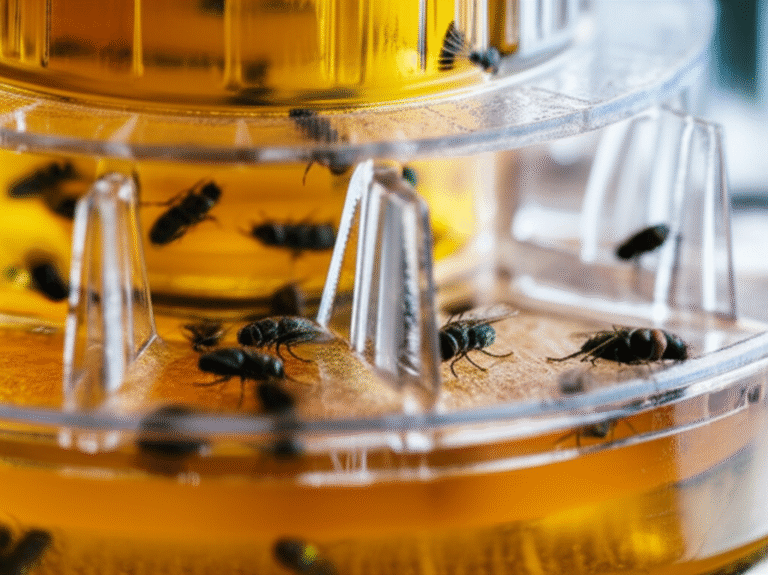
The vinegar attracts adults, while dish soap reduces surface tension so flies are more likely to sink. This is a practical DIY method described by Texas A&M AgriLife Extension.
Drawback: it catches adults but does nothing to the breeding medium.
Sticky cards and monitoring traps
Sticky cards are especially useful for determining:
- Which room has activity
- Whether adults remain after cleaning
- Whether a plant area is involved
- Whether flies are entering near a window
They are less attractive to fruit flies than odor bait, but they provide clean visual evidence. Place them away from food preparation surfaces and keep them inaccessible to children and pets.
What traps can and cannot do
| Traps can do ✅ | Traps cannot do ❌ |
|---|---|
| Reduce adult numbers | Remove eggs in fruit |
| Monitor activity | Scrub drain biofilm |
| Reveal hotspots | Repair leaks |
| Provide short-term relief | Prevent new adults from emerging |
| Catch straglers after cleaning | Replace sanitation |
How to place traps for better results
- Put traps near, not inside, the suspected breeding zone.
- Keep them away from competing fruit and open beverages.
- Use several traps to compare rooms.
- Replace bait when it dries, becomes contaminated, or reaches its label interval.
- Continue monitoring after adult numbers fall.
👉 CHECK PRICE on:
- Tero Fruit Fly Trap: Amazon | Walmart | Tero Official Website
- Aunt Fannie’s FlyPunch!: Amazon | Walmart | Aunt Fannie’s Official Website
- Green Gobler Fruit Fly Goodbye: Amazon | Walmart | Green Gobler Official Website
- Yellow sticky cards: Amazon | Walmart
❌ Fruit Fly Control Mistakes That Let Infestations Return
Killing adults without removing the breeding site
Spraying visible adults can create a satisfying moment, but it does not solve the source. Texas A&M AgriLife Extension states that insecticides alone are rarely successful for indoor fly infestations.
Ignoring drains and garbage disposals
A clean fruit bowl does not matter if larvae are developing in a drain film. Treat drains as possible breeding sites, not guilty parties by default. Test, inspect, and scrub.
Leaving recycling unwashed
One bottle with beer or wine residue can attract adults. Several containers in a warm recycling bin can support continuous activity.
Using pesticides around food without care
Never spray food, dishes, utensils, or food-contact surfaces unless the label specifically permits that use. Remove or cover food, ventilate as directed, and follow all label precautions. The EPA pesticide safety page provides general guidance.
Cleaning only the visible surfaces
Fruit flies exploit edges, seams, undersides, and hidden spills. Clean the places your eyes skip. If you can smell sourness, the flies may already have found it.
🧴 Pesticides, Drain Cleaners, and Household Safety
When insecticides are unnecessary
For a small household infestation, sanitation, source removal, and traps are often enough. Insecticides may be unnecessary when:
- The breeding source is accessible
- The infestation is recent
- Food-contact areas can be thoroughly cleaned
- Adult numbers are modest
Safe use of household cleaning products
✅ Read the label.
✅ Ventilate appropriately.
✅ Wear recommended protective equipment.
✅ Keep products away from children and pets.
✅ Store products in original containers.
❌ Never mix bleach with vinegar, ammonia, acids, or drain cleaners.
Why bleach may not remove drain-breding buildup
Bleach may kill exposed microorganisms, but it may not remove the physical organic film attached to pipe walls. A liquid flowing through the center of a drain cannot reliably scrub the sides.
The featured video’s explanation of drain biofilm is directionally useful: the problem is not merely “germs in water,” but a bonded layer containing food particles, grease, and microbial material. We trust the broader extension recommendation here: scrubbing and cleaning the pipe walls are more reliable than relying on bleach or boiling water alone.
When to contact a licensed pest professional
Call a professional when:
- Flies persist after thorough source removal
- Activity occurs in multiple rooms
- A sewage or plumbing odor is present
- There is a hidden leak
- You suspect phorid flies
- The infestation occurs in a commercial food area
- You cannot safely access the suspected source
For persistent cases, see Dealing with Persistent Fruit Flies.
🛡️ Preventing Fruit Flies From Breding in Your Home
Daily kitchen sanitation routine
Spend five minutes each evening:
- Check countertop produce
- Empty food scraps
- Rinse beverage containers
- Wipe sticky spills
- Rinse the sink
- Hang damp cloths
- Inspect the trash-can rim
- Cover fermenting foods
Small daily actions beat a heroic Saturday battle against 4,000 fruit flies.
Weekly drain and garbage disposal maintenance
Once weekly:
- Remove visible debris.
- Clean the disposal splash guard.
- Brush accessible drain surfaces.
- Wash trash and recycling bins.
- Inspect for leaks.
- Check floor drains and utility sinks.
- Replace or wash sponges and mop heads.
Use only drain products compatible with your plumbing and septic system. Follow the manufacturer’s instructions.
Smart produce storage and rotation
Use a first-in, first-out system:
- Place older produce in front.
- Inspect bags before storage.
- Refrigerate appropriate ripe produce.
- Keep potatoes and onions dry and ventilated.
- Avoid sealed plastic bags that trap condensation.
- Discard leaking produce promptly.
Keeping trash, compost, and recycling fruit-fly resistant
Use containers with:
- Tight-fitting lids
- Smooth, washable interiors
- Easy-to-clean rims
- Minimal crevices
- Adequate ventilation where appropriate for compost
Wash residue before it hardens. Fruit flies adore hardened residue because it softens and ferments over time.
Sealing cracks, screens, and entry points
Fruit flies can enter through open doors and windows, and smaller insects may pass through damaged screening. The University of Kentucky recommends tight-fitting 16-mesh screens to reduce entry.
Repair:
- Torn screens
- Gaps around doors
- Utility penetrations
- Cracked caulking
- Loose window frames
🌡️ Seasonal Fruit Fly Breding Patterns
Why fruit flies surge in summer and fall
Late summer and fall bring:
- Ripening garden produce
- More fermentation
- Warm indoor temperatures
- Open windows and doors
- Increased home preserving
- More outdoor-to-indoor food movement
The University of Kentucky identifies late summer and fall as especially common fruit-fly seasons.
Indoor infestations during winter
Winter infestations usually indicate an indoor source, such as:
- Stored potatoes or onions
- A warm drain
- Recycling residue
- A leaking appliance
- Fermentation equipment
- A hidden spill
If flies appear in January, do not blame the weather. Blame the evidence.
How heating and humidity affect reproduction
Warmth accelerates development, while moisture keeps larvae viable. Heated homes can support breeding year-round when food residue and water are available.
Drying the area is not a complete fix if organic film remains, but it makes the environment less favorable and helps prevent recurrence.
🪰 Fruit Flies Versus Other Small Flying Insects
Fruit flies and drain flies
Fruit flies are typically smooth-bodied and may have reddish eyes. Drain flies look fuzzy or moth-like because of their hairy wings. Drain flies strongly suggest organic buildup in a drain or trap.
Fruit flies and fungus gnats
Fungus gnats are slender, dark insects associated with moist poting soil. Fruit flies prefer fermenting food and organic residue. If insects rise from plant soil when you water, investigate fungus gnats first.
Fruit flies and phorid flies
Phorid flies often have a humpbacked appearance and may run across surfaces before flying. They can signal decaying organic matter, plumbing leaks, or sewage-related issues. Persistent phorid flies deserve professional investigation.
Fruit flies and pantry moths
Pantry moths are larger and have wing patterns unlike fruit flies. Their larvae may produce webing in dry foods such as flour, cereal, grains, and pet food. Inspect pantry goods separately rather than treating every small flying insect as a fruit fly.
👶 Are Fruit Flies Dangerous to People or Pets?
Food contamination concerns
Fruit flies do not bite, but they move between garbage, drains, decaying material, and food-contact surfaces. The University of Kentucky describes them primarily as nuisance pests while noting their potential to contaminate food with bacteria and other organisms.
Discard exposed food when flies have had prolonged access, especially ready-to-eat food.
Health risks for children, pets, and sensitive households
A few fruit flies are not usually a medical emergency, but infestations indicate a sanitation problem. Keep traps and cleaning products away from children and pets. Do not allow pets to drink bait solutions or access insecticide-treated areas.
When fruit flies indicate a sanitation or plumbing problem
Repeated activity around drains, floor cracks, wet walls, or sewage odors may indicate:
- Leaking plumbing
- Broken drain traps
- Organic buildup
- Poorly sealed waste lines
- Moisture intrusion
At that point, pest control and plumbing inspection should work together.
📊 Fruit Fly Breding Sites: Quick Comparison Table
Moisture, food source, and breeding risk
| Site | Moisture | Fermenting food | Risk level | First action |
|---|---|---|---|---|
| Rotten banana bowl | Medium | High | High | Discard and wash bowl |
| Trash-can bottom | High | High | High | Empty, scrub, dry |
| Rinsed recycling | Low | Low | Low | Keep dry |
| Unrinsed wine bottles | Medium | High | High | Rinse immediately |
| Clean dry counter | Low | Low | Very low | Maintain sanitation |
| Garbage disposal | High | Medium–high | High | Scrub splash guard and drain |
| Drain biofilm | High | High | High | Test and mechanically clean |
| Damp mop head | High | Medium | Medium–high | Wash and dry |
| Houseplant soil | High | Low for fruit flies | Low–medium | Identify insect; reduce moisture |
| Refrigerator drain pan | High | Medium | Medium–high | Inspect and clean safely |
Fastest fixes for common household sources
| If you find… | Do this first | Monitor with… |
|---|---|---|
| Overipe produce | Discard or refrigerate | Trap near produce area |
| Sour trash | Empty and wash bin | Trap near bin |
| Unrinsed recycling | Rinse and dry containers | Sticky card nearby |
| Drain activity | Test and scrub drain | Trap outside sink zone |
| Damp mop | Wash and dry it | Sticky card in utility room |
| Appliance spill | Clean beneath appliance | Trap near appliance, not on food surface |
🧠 Expert Fruit Fly Control Checklist
The first 24 hours
✅ Remove overipe produce.
✅ Empty and wash trash and recycling.
✅ Clean visible spills.
✅ Inspect drains and disposals.
✅ Set monitoring traps.
✅ Check beneath appliances.
✅ Seal fermentation containers.
✅ Photograph an insect if identification is uncertain.
The next seven days
✅ Recheck pantry produce.
✅ Repeat drain inspection.
✅ Wash mop heads and sponges.
✅ Monitor traps by location.
✅ Repair leaks.
✅ Clean refrigerator drip areas.
✅ Remove dead plant material.
✅ Look for new adults emerging.
Signs the infestation is gone
- No new flies for several days
- No activity around drains or bins
- Traps remain empty or catch only occasional straglers
- No sour odors
- No new larvae or pupae
- Produce and waste areas remain dry and clean
Do not declare victory after one quiet afternoon. Fruit flies are excellent at waiting out your confidence.
✅ When to Call a Pest Control Professional
Persistent fruit flies after thorough cleaning
If adult flies continue for more than one or two life cycles after source removal, revisit hidden sites or obtain professional identification.
Recurring flies from drains or plumbing
Repeated drain activity may require:
- Drain disassembly
- Pipe inspection
- Leak repair
- Biofilm removal
- Professional drain treatment
- Sewer or trap evaluation
Commercial kitchens and high-risk environments
Food-service settings need documented sanitation, monitoring, and regulatory compliance. Use professional pest management when fruit flies appear near food preparation, beverage dispensers, drains, or customer areas.
Conclusion
Fruit fly breeding sites in the home are rarely mysterious once you follow the evidence. Moisture plus fermenting organic matter is the recipe. The source may be a banana, a bottle, a trash-can leak, a mop, a refrigerator drain pan, or a stubborn film inside plumbing.
Our confident recommendation is to use a three-part strategy:
- Remove the breeding material.
- Mechanically clean the surrounding surface or drain.
- Use traps to catch adults and confirm that activity is declining.
Commercial traps such as Tero T2502, Aunt Fannie’s FlyPunch!, and Green Gobler Fruit Fly Goodbye are convenient, while apple cider vinegar traps remain inexpensive and useful for monitoring. None can eliminate eggs hidden in rotting produce or drain biofilm.
The kitchen drain in the featured video was not wrong about the central lesson: stop masking the symptom and end the cycle at its source. But the strongest approach combines that insight with extension-tested sanitation, careful identification, and mechanical cleaning. Once the forgotten onion, sticky bottle, or drain film is gone, the “mysterious” flies finally run out of nursery space. 🪰
Recommended Links
Fruit fly control guides
- Fruit Fly Traps™: Fruit Fly Traps
- DIY Fruit Fly Traps
- Fruit Fly Trap Ingredients
- Fruit Fly Facts
- Dealing with Persistent Fruit Flies
- Commercial Fruit Fly Traps
Recommended products
- Tero Fruit Fly Trap: Amazon | Walmart | Tero Official Website
- Aunt Fannie’s FlyPunch!: Amazon | Walmart | Aunt Fannie’s Official Website
- Green Gobler Fruit Fly Goodbye: Amazon | Walmart | Green Gobler Official Website
- Drain cleaning brush: Amazon | Walmart
- Yellow sticky cards: Amazon | Walmart
Useful books
- Fruit Fly Biology and Control: Amazon Books
- Urban Pest Management: Amazon Books
- The Organic Gardener’s Handbook of Natural Pest and Disease Control: Amazon
FAQ

How often should I clean to prevent fruit fly infestations?
Clean food spills immediately, empty food scraps daily during warm weather, rinse recycling after use, and wash trash and compost containers weekly or whenever residue appears.
A practical schedule
- Daily: Wipe counters, rinse bottles, inspect produce, empty scraps.
- Weekly: Wash bins, clean the disposal splash guard, inspect drains.
- Monthly: Pull out movable appliances and inspect hidden areas.
- Seasonally: Check screens, pantry produce, and stored fermentation supplies.
Read more about “🚨 7 Signs of a Fruit Fly Infestation You Can’t Ignore (2026)”
Can fruit flies breed in drains or garbage disposals?
Yes. Drains and disposals can contain moist organic film made from food particles, grease, soap residue, and microorganisms. Fruit flies may lay eggs in this material.
Scrubbing is more dependable than pouring bleach or boiling water alone because the breeding film must be physically removed. Follow appliance and plumbing safety instructions.
What are the best ways to eliminate fruit fly breeding grounds?
The most effective sequence is:
- Remove rotting or fermenting food.
- Empty and wash trash, compost, and recycling containers.
- Clean spills beneath appliances.
- Scrub drains and garbage disposals.
- Dry mops, rags, and wet areas.
- Repair leaks.
- Use traps for adult survivors.
Read more about “Fruit Fly Eggs Exposed: 12 Secrets Every Homeowner Must Know 🥚 (2026)”
How do fruit flies reproduce in home environments?
Females lay eggs near moist fermenting or rotting material. Larvae feed on yeast and microorganisms in that material, then pupate and emerge as adults. Under favorable indoor conditions, the cycle may take about a week.
What household items attract fruit flies to breed?
Common attractants include:
- Overipe bananas and tomatoes
- Rotten potatoes and onions
- Wine, beer, cider, soda, and juice residue
- Unrinsed bottles and cans
- Trash and compost
- Garbage disposals
- Drain film
- Damp cleaning cloths
- Fermenting foods
- Hidden spills
Read more about “What Attracts Fruit Flies to a Trap? 7 Effective Baits Revealed! 🍏 …”
How can I identify fruit fly breeding sites in my kitchen?
Start where moisture and food residue overlap. Inspect produce, trash, recycling, drains, the disposal, mop storage, refrigerator drip areas, and under appliances.
Set labeled traps in several zones and compare catches. The area with the most flies is a lead, not absolute proof.
Read more about “🚫 Banish Fruit Flies in 24 Hours: The Ultimate 2026 Guide”
Where do fruit flies commonly breed inside the house?
They commonly breed in kitchens, but also in:
- Pantry produce
- Utility rooms
- Basements
- Garages
- Bathrooms with organic drain buildup
- Compost areas
- Recycling storage
- Fermentation stations
Read more about “Can Essential Oils Really Keep Fruit Flies Away? 9 Proven Tricks (2026) 🍋”
What attracts fruit flies to kitchens and other areas?
Fruit flies are attracted to odors from fermentation, vinegar, alcohol, sugary liquids, and decaying produce. Moisture allows eggs and larvae to survive, while yeast-rich organic material feeds larvae.
Read more about “🚨 7 Best Sticky Fly Traps for Kitchen (2026)”
How can I find hidden fruit fly breeding sites?
Use a flashlight, follow repeated flight paths, inspect damp areas, and clean one suspected zone at a time. Place monitoring traps near drains, bins, appliances, and pantry shelves.
For drains, use a partial tape or clear-cover test that preserves airflow, then inspect the covering the next morning.
Can fruit flies breed in sink drains and garbage disposals?
Yes. A drain or disposal can support breeding if it contains enough organic film and moisture. Clean the splash guard, scrub accessible surfaces, brush drain walls, and correct slow drainage or leaks.
Do fruit flies breed in overipe fruit left on the counter?
Yes. Overipe, cracked, bruised, or fermenting fruit is one of the most common breeding sites. Banas, tomatoes, apples, melons, grapes, and strawberries are frequent culprits.
How do I eliminate fruit fly eggs and larvae from my home?
Remove and discard the infested food organic material, then clean the surrounding container or surface. For drains, mechanically scrub the biofilm rather than relying on sprays or bleach. Continue trapping adults until no new flies appear.
Read more about “13 Homemade Fruit Fly Repellent Recipes That Work 🪰”
How can I prevent fruit flies from returning after removing breeding sites?
Keep ripe produce refrigerated when appropriate, rinse recycling, empty food waste frequently, keep drains and disposals clean, dry mops and sponges, seal fermentation containers, repair leaks, and maintain door and window screens.
Why do fruit flies keep returning after I use traps?
Traps remove adults but do not remove eggs, larvae, or pupae. A hidden breeding site may remain in a drain, trash-can bottom, recycling container, appliance drip pan, pantry bag, or damp cleaning tool.
Read more about “🍎 7 Top Home Remedies for a Fruit Fly Trap (2026)”
Are fruit flies and fungus gnats the same insect?
No. Fruit flies generally favor fermenting food and moist organic residue, while fungus gnats usually develop in damp poting soil. Correct identification prevents wasted treatments.
Reference Links
- Texas A&M AgriLife Extension Service: Indoor Flies and Their Control
- University of Wisconsin–Madison Extension: Fruit Flies in the Home
- University of Kentucky Entomology: Fruit Flies
- U.S. Environmental Protection Agency: Pesticide Safety
- U.S. Environmental Protection Agency: Selected EPA-Registered Disinfectants
- Tero Official Fruit Fly Trap Information
- Aunt Fannie’s FlyPunch! Official Product Information
- Green Gobler Fruit Fly Goodbye Official Product Information
- Fruit Fly Traps™ Fruit Fly Facts
- Featured Video: Kitchen Drain Fruit Fly Breding Site Perspective