Support our educational content for free when you purchase through links on our site. Learn more
13 Homemade Fruit Fly Repellent Recipes That Work 🪰


The best homemade fruit fly repellent is a three-part attack: remove fermenting food, set apple cider vinegar traps, and use a diluted essential-oil spray around entry points. A repellent alone may push flies around the kitchen, but cleaning plus trapping is what actually shrinks the infestation.
We once inspected a kitchen where the homeowner blamed a fruit bowl overflowing with bananas. The real culprit was a forgotten potato tucked beneath a cabinet shelf—proof that fruit flies can turn a tiny, damp food residue into a full-scale kitchen takeover.
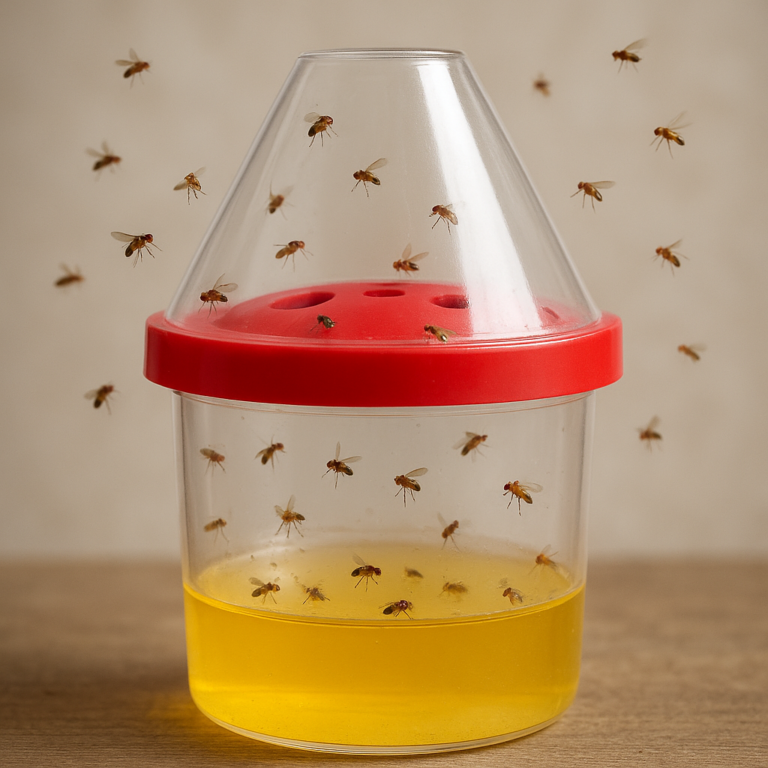
Apple cider vinegar attracts adult flies because its fermented scent resembles their preferred food sources. Add a few drops of dish soap, and the flies lose their footing on the liquid surface. For prevention, peppermint, lemongrass, lemon, and lavender scents may make treated areas less appealing, but they will not replace sanitation.
Key Takeaways
- Start with sanitation: Remove overipe produce, empty compost, rinse recycling, and clean spills.
- Use an apple cider vinegar trap: Add a few drops of dish soap to catch adult fruit flies.
- Treat hidden breeding sites: Inspect garbage disposals, sink drains, trash bins, damp sponges, and forgotten vegetables.
- Use essential oils cautiously: Diluted peppermint, lemongrass, lemon, or lavender sprays can help repel flies around non-food-contact areas.
- Do not rely on repellent alone: Sprays may discourage adults, but traps and source removal control the infestation.
- Protect pets and children: Keep essential oils, vinegar traps, and concentrated ingredients out of reach.
- Monitor for several days: New adults may emerge after visible flies begin disappearing, so keep traps active and continue cleaning.
Table of Contents
- ⚡️ Quick Tips and Facts About Homemade Fruit Fly Repellent
- How Fast Do Natural Fruit Fly Repellents Work?
- Fruit Flies vs. Drain Flies vs. Fungus Gnats
- 🪰 Fruit Fly Biology, Breding Habits, and Kitchen Invaders
- Why Fruit Flies Suddenly Apear
- Where Fruit Flies Lay Eggs
- How Long Fruit Fly Infestations Last
- 🔍 Identifying a Fruit Fly Infestation Correctly
- Signs of Fruit Flies in Your Home
- Finding Hidden Breding Sites
- 🍎 13 Homemade Fruit Fly Repellent Recipes and Traps That Work
- 1. Apple Cider Vinegar and Dish Soap Trap
- 2. Red Wine Fruit Fly Trap
- 3. Beer and Dish Soap Trap
- 4. Overipe Fruit and Plastic Wrap Trap
- 5. Paper Funnel Fruit Fly Trap
- 6. Mason Jar Vinegar Trap
- 7. Yeast, Sugar, and Warm Water Trap
- 8. Essential Oil Fruit Fly Repellent Spray
- 9. Lemongrass and Pepermint Oil Spray
- 10. Clove-Studed Citrus Fruit Repellent
- 11. Basil, Mint, and Lavender Plant Barrier
- 12. Cayenne Pepper and Water Spray
- 13. Eucalyptus and Tea Tree Oil Surface Spray
- 🧪 Best Homemade Fruit Fly Repellent Ingredients
- Apple Cider Vinegar, White Vinegar, and Balsamic Vinegar
- Dish Soap and Surface-Tension Traps
- Essential Oils Fruit Flies Dislike
- Citrus Pels, Herbs, Cloves, and Spices
- 🌿 Natural Fruit Fly Repellent vs. Homemade Fruit Fly Trap
- Repelling Adult Fruit Flies
- Trapping and Killing Adult Fruit Flies
- Why Repellent Alone Rarely Ends an Infestation
- 🧼 Eliminate the Breding Source: Kitchen Cleaning Checklist
- Clean Countertops, Cabinets, and Floors
- Wash Produce and Store Fruit Properly
- Empty Compost Bins and Rubbish Containers
- Clean Recycling, Bottles, and Cans
- Scrub Garbage Disposals and Sink Overflows
- 🚰 How to Use Homemade Drain Treatments for Fruit Flies
- Testing Drains for Fruit Fly Breding Activity
- Safe Drain-Cleaning Methods
- Why Bleach and Vinegar Must Never Be Mixed
- 🏠 Homemade Fruit Fly Repellent for Every Room
- Kitchen and Pantry
- Dining Room and Living Room
- Bathroom and Utility Room
- Indoor Plants and Houseplant Soil
- Patio, Balcony, and Outdoor Entertaining Areas
- 🐶 Homemade Fruit Fly Repellent Safety for Children and Pets
- Essential Oil Safety Around Dogs and Cats
- Safe Placement of Vinegar and Soap Traps
- Ingredients to Avoid on Food-Contact Surfaces
- ❌ Homemade Fruit Fly Repellent Mistakes That Waste Time
- Using Only a Spray
- Leaving Produce Exposed
- Ignoring Drains and Disposal Units
- Using Too Much Essential Oil
- Expecting Instant Results
- 📊 Comparing DIY Fruit Fly Solutions With Commercial Products
- Homemade Traps vs. TERO Fruit Fly Traps
- Homemade Repellents vs. Zevo Flying Insect Products
- When a Commercial Trap Makes More Sense
- 📅 Seven-Day Fruit Fly Removal Plan
- Day One: Locate Food and Breding Sources
- Days Two to Three: Trap Adults and Deep-Clean
- Days Four to Seven: Monitor and Prevent Reinfestation
- 🛡️ Preventing Fruit Flies From Coming Back
- Fruit Storage and Refrigeration Habits
- Kitchen Moisture and Spill Control
- Routine Bin, Drain, and Compost Maintenance
- Sealing Cracks, Screens, and Entry Points
- 🌎 Are Homemade Fruit Fly Repellents Eco-Friendly?
- Environmental Benefits of DIY Ingredients
- Limitations of Natural Pest Control
- Reducing Waste While Managing Fruit Flies
- 📌 When to Call a Professional Pest Control Expert
- Persistent or Widespread Infestations
- Fruit Flies in Restaurants and Commercial Kitchens
- Signs of a Plumbing or Sanitation Problem
- Conclusion
- Recommended Links
- FAQ
- What Is the Best Homemade Fruit Fly Repellent?
- Does Vinegar Really Repel Fruit Flies?
- What Smell Do Fruit Flies Hate Most?
- How Do I Get Rid of Fruit Flies Overnight?
- Can I Use Essential Oils to Keep Fruit Flies Away?
- Why Do Fruit Flies Keep Coming Back After Cleaning?
- Are Homemade Fruit Fly Traps Safe Around Pets?
- What Is the Difference Between Fruit Flies and Drain Flies?
- Reference Links
⚡️ Quick Tips and Facts About Homemade Fruit Fly Repellent
If you’re seeing tiny tan flies hovering over bananas, wine glasses, or the sink, start with our fruit fly infestation guide before reaching for a spray bottle. At Fruit Fly Traps™, we’ve learned the hard way that repellent alone is usually a polite invitation for the flies to relocate.
The Fastest DIY Strategy
Use three steps together:
- Remove breeding material: discard overipe produce, rinse recyclables, empty compost, and clean sticky spills.
- Trap adult flies: use apple cider vinegar, dish soap, and a covered container or funnel trap.
- Repel newcomers: apply a carefully diluted essential-oil spray around—not directly on—food.
The most reliable homemade fruit fly solution is therefore not one magical ingredient. It is a trap-and-clean combination.
| Action | What it does | Typical result |
|---|---|---|
| Remove fermenting food | Eliminates egg-laying sites | Stops the infestation from replenishing |
| Apple cider vinegar trap | Atracts and drowns adult flies | May catch flies within hours |
| Drain and disposal cleaning | Removes hidden organic film | Helps prevent recurring activity |
| Pepermint or lemongrass spray | Makes areas less attractive | Useful as a prevention aid |
| Refrigerate ripe produce | Blocks access to food odors | Reduces future attraction |
The University of Kentucky Entomology Department explains that fruit flies are attracted to fermenting materials and can breed in surprisingly small amounts of moist organic residue. That is why a spotless-looking counter can still have a not-so-spotless drain.
Homemade Repellent or Homemade Trap?
Here’s the first important distinction:
- ✅ Trap: attracts and kills adult fruit flies.
- ✅ Repellent: discourages flies from landing or approaching.
- ✅ Cleaning: removes the reason they arrived.
- ❌ Spray alone: rarely solves the entire problem.
One competing guide puts it bluntly: “After you’ve removed all the available food sources, the next step is to make a simple homemade fruit fly trap.” That order is sound. We agree with the cleaning-first approach, although we recommend trapping at the same time rather than waiting.
Fruit Fly Facts That Change Your Game
| Fact | Why it matters |
|---|---|
| Fruit flies are attracted to fermentation odors | Vinegar traps work because they mimic rotting fruit |
| Eggs may be laid on ripening produce | Wash or refrigerate fruit brought home |
| Larvae develop in moist organic material | Wiping the counter is not enough if drains are dirty |
| Adult flies are short-lived but reproduce quickly | A few visible flies may indicate hidden breeding |
| Fruit flies can exploit tiny residues | Clean under appliances, around bins, and beneath liners |
The U.S. Environmental Protection Agency recommends integrated pest management: prevent access, remove food and water sources, and use targeted control methods rather than relying on repeated pesticide applications.
How Fast Do Natural Fruit Fly Repellents Work?
A vinegar trap may begin catching adult flies within several hours, especially after competing food odors are removed. A noticeable reduction commonly takes 24–48 hours, but complete control can take longer if eggs or larvae remain.
Essential oils are different. Pepermint, lavender, eucalyptus, lemon, and lemongrass may discourage activity near treated areas, but they do not reliably kill eggs, larvae, or every adult fly.
That difference explains why one article claims quick results from essential-oil recipes while another emphasizes traps. They are measuring different things:
- Repellent effect: fewer flies landing in a treated area.
- Population reduction: fewer flies overall.
- Infestation control: no new adults emerging.
Fruit Flies vs. Drain Flies vs. Fungus Gnats
Before mixing anything, identify the pest. A peppermint spray aimed at fruit flies will not magically evict a drain-fly colony from a slimy pipe.
| Pest | Appearance | Common location | Best first step |
|---|---|---|---|
| Fruit fly | Tan to brown body; often red eyes | Fruit bowls, wine, compost, recycling | Remove fermenting food and use vinegar traps |
| Drain fly | Fuzzy, moth-like wings | Sink, shower, floor drains | Scrub organic buildup inside the drain |
| Fungus gnat | Slender, mosquito-like body | Damp poting soil | Let soil dry and address plant moisture |
The University of California Statewide Integrated Pest Management Program provides useful guidance for distinguishing fungus gnats from other small indoor flies.
🪰 Fruit Fly Biology, Breding Habits, and Kitchen Invaders
Fruit flies are tiny, but their housekeeping standards are impressively low. A damp sponge, forgotten onion, or trace of spilled juice can become a nursery.
Why Fruit Flies Suddenly Apear
Fruit flies usually arrive in one of two ways:
- They enter through doors, windows, or damaged screens.
- They come in on produce, especially fruit beginning to ripen.
They then follow odors released by fermenting sugars, alcohol, vinegar, and decomposing organic matter. The University of Minnesota Extension notes that fruit flies commonly develop in fruit, vegetables, beverages, garbage, and other moist organic materials.
We once inspected a kitchen where the owner blamed the fruit bowl. The actual culprit was a forgotten potato beneath a shelving unit. The flies were not “coming from nowhere”; they were coming from lunch several weeks earlier.
Where Fruit Flies Lay Eggs
Common breeding sites include:
- Overipe bananas, peaches, tomatoes, and berries
- Fermenting onions or potatoes
- Sticky bottle bottoms
- Wine, beer, cider, and juice residues
- Compost caddies
- Garbage-can liners
- Food trapped beneath appliances
- Dirty garbage disposals
- Sludge inside sink drains
- Wet sponges and mop heads
- Leaky plumbing areas
- Damp recycling containers
A fruit fly does not need a banquet. A thin film of sugary residue can be enough.
How Long Fruit Fly Infestations Last
Published estimates vary because temperature, species, and food availability affect development. Some sources describe a very short life cycle, while popular articles quote longer adult lifespans. The University of Kentucky explains that development can be rapid under warm conditions.
A video featured in the article claims, “One fruit fly lives about 50 days,” and warns of “hundreds, literally hundreds of fruit flies.” The exact lifespan is less useful than the practical lesson: warm kitchens and accessible food allow populations to build quickly.
| Life stage | Where it occurs | Control priority |
|---|---|---|
| Egg | Surface of fermenting produce or residue | Remove source |
| Larva | Moist organic material | Clean breeding site |
| Pupa | Near or within breeding material | Dispose of contaminated material |
| Adult | Air around food and drains | Trap and prevent access |
Why One Trap May Not Be Enough
A single trap can catch adults near it, but flies may be emerging elsewhere. If activity is spread between the fruit bowl, recycling bin, and sink, place two or three traps at the busiest locations.
That is not overkill. It is simply giving the flies fewer escape routes.
🔍 Identifying a Fruit Fly Infestation Correctly
Correct identification prevents wasted effort. Fruit flies hover around food and fermenting odors; drain flies often rest on walls near plumbing; fungus gnats rise from plant soil.
Signs of Fruit Flies in Your Home
Look for:
- Tiny flies circling fruit or drinks
- Activity around recycling containers
- Flies clustering near vinegar, wine, beer, or juice
- Small insects rising when you move a compost lid
- Flies appearing after produce is brought home
- New adults returning after surface cleaning
A useful test is to place a clear cup containing a small amount of apple cider vinegar near the suspected area overnight. If fruit flies gather, you have a strong clue. This is not a laboratory identification, but it is practical fieldwork.
Finding Hidden Breding Sites
Use a flashlight and inspect:
- Beneath the refrigerator and dishwasher.
- Under removable sink strainers.
- Inside garbage-disposal splash guards.
- Around compost-bin hinges and seals.
- Beneath trash-can liners.
- Behind countertop appliances.
- Inside reusable grocery bags.
- Around fruit stored in cabinets.
- Under damp dishcloths and sponges.
- Near leaking pipes or condensation.
For more troubleshooting, our Dealing with Persistent Fruit Flies category covers infestations that survive ordinary cleaning.
🍎 13 Homemade Fruit Fly Repellent Recipes and Traps That Work
These recipes are arranged from the most dependable population-control method to lighter prevention options. The vinegar traps kill adult flies; essential-oil recipes mainly repel or deodorize.
1. Apple Cider Vinegar and Dish Soap Trap
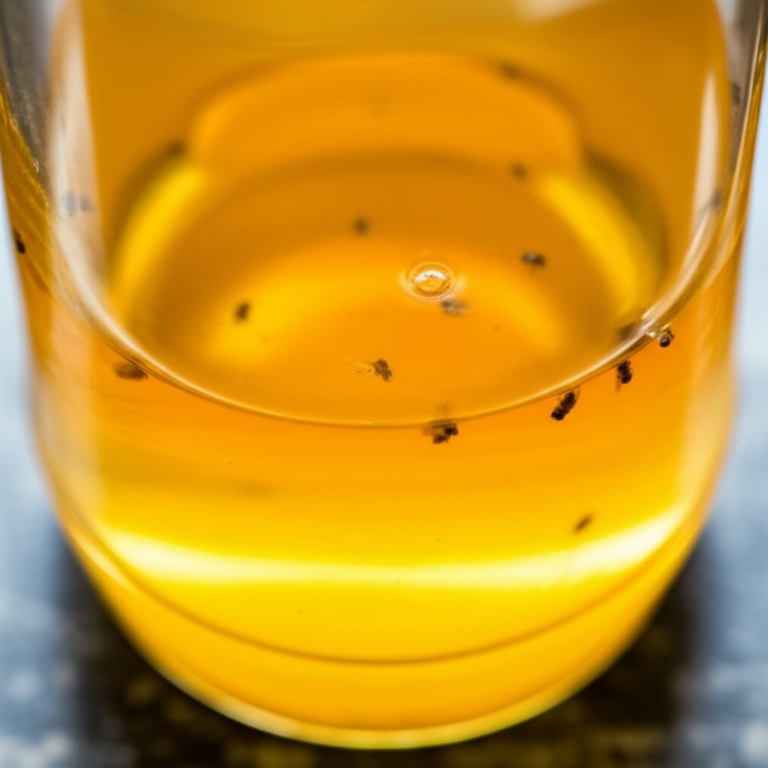
This is the classic for a reason. Apple cider vinegar smells like fermenting fruit, while dish soap reduces surface tension so flies cannot land safely and fly away.
Supplies
- Apple cider vinegar
- Liquid dish soap
- Small cup, jar, or shallow bowl
- Plastic wrap
- Toothpick
- Rubber band or tape
Method
- Pour 2–5 cm of apple cider vinegar into the container.
- Add 2–3 drops of liquid dish soap.
- Stir gently to avoid excessive foam.
- Cover tightly with plastic wrap.
- Poke 15–20 small holes in the wrap.
- Secure the wrap around the rim.
- Place the trap near the busiest activity area.
- Replace the mixture every 2–4 days, or sooner if cloudy or full.
The small holes allow odor out and flies in. The wrap is not essential, but it makes the setup tidier and limits escape.
Best for: active kitchen infestations
Drawback: it may attract flies temporarily if placed beside uncovered produce
👉 CHECK PRICE on:
2. Red Wine Fruit Fly Trap
Red wine contains fermentation odors that fruit flies find attractive.
Method
- Leave a small amount of red wine in a glass or jar.
- Add one or two drops of dish soap.
- Cover with plastic wrap and poke holes, or use a paper funnel.
- Replace when the liquid becomes contaminated.
Advantages
- Works when apple cider vinegar is unavailable.
- Convenient after entertaining.
- The wine odor may be highly attractive.
Drawbacks
- Wasteful if you use a good bottle.
- Less convenient in homes with children or pets.
- Do not mistake it for a decorative drink.
3. Beer and Dish Soap Trap
Beer can also provide fermentation odors.
Method
- Add a small amount of beer to a cup.
- Mix in a couple of drops of dish soap.
- Cover with perforated plastic wrap.
- Position near recycling, compost, or the sink.
Beer is useful when flies are concentrated near cans and bottles. It is not necessarily better than vinegar; the strongest attractant is often whichever odor matches the local breeding source.
4. Overipe Fruit and Plastic Wrap Trap
If the flies are ignoring vinegar, try copying their actual menu.
Method
- Put a small piece of overipe banana, peach, or melon in a jar.
- Cover the jar with plastic wrap.
- Poke several tiny holes.
- Add dish soap only if you also include a small amount of liquid.
- Dispose of the contents outdoors in a sealed bag.
This trap can work well, but it must be managed carefully. Otherwise, you have created a fruit-fly buffet with a lid.
5. Paper Funnel Fruit Fly Trap
A funnel trap is useful when you want flies to enter but have difficulty leaving.
Supplies
- Jar or bottle
- Paper
- Tape
- Apple cider vinegar
- Dish soap
Method
- Roll paper into a narrow funnel.
- Tape the seam.
- Place the narrow end just above the vinegar mixture.
- Ensure the funnel does not touch the liquid.
- Secure it in the jar opening.
- Check daily and replace as needed.
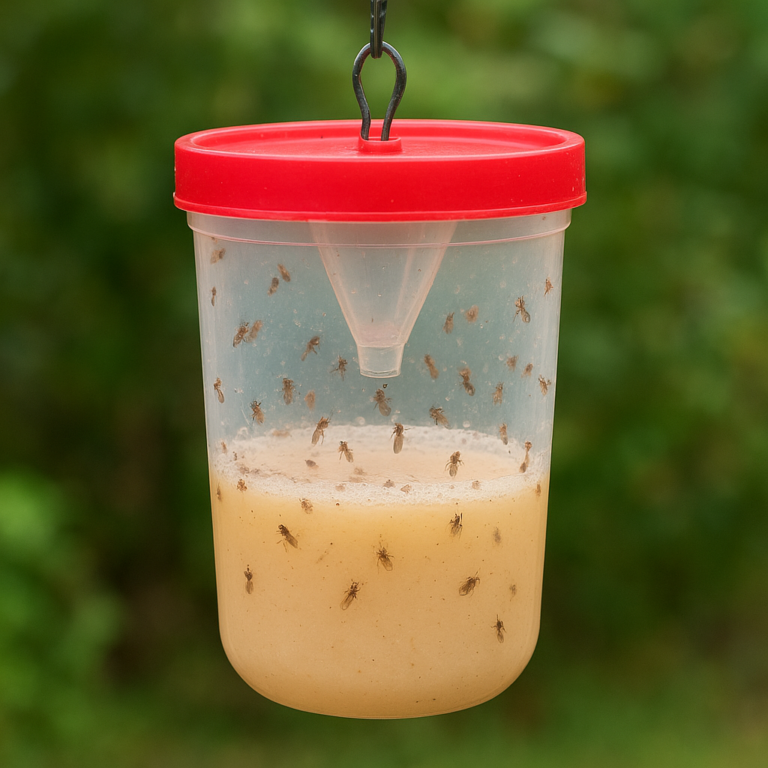
The first video associated with this article uses a cut plastic bottle, inverted top, water, apple cider vinegar, and dish soap. Its funnel principle is sound, although we prefer a paper funnel or commercially designed trap when sharp plastic edges could be a concern.
6. Mason Jar Vinegar Trap
A Mason jar makes a sturdier, reusable version of the standard trap.
Method
- Add apple cider vinegar to the jar.
- Add a few drops of dish soap.
- Create small holes in a jar lid or stretch plastic wrap over the top.
- Place the jar near the infestation.
- Wash and refill after use.
Pros: stable, reusable, less likely to tip
Cons: requires cleaning and labeling if other household members might mistake it for food
7. Yeast, Sugar, and Warm Water Trap
Yeast produces fermentation odors that can attract some fruit flies.
Method
- Add warm—not hot—water to a container.
- Stir in a teaspoon of sugar.
- Add a small amount of active dry yeast.
- Cover with a funnel or perforated plastic wrap.
- Refresh when activity declines.
This method is less tidy than vinegar and may attract other insects. Use it as an alternative, not as our first recommendation.
8. Essential Oil Fruit Fly Repellent Spray
Essential oils require an emulsifier or frequent shaking because oil and water separate.
Ingredients
- 1 cup water
- 1 cup white vinegar
- 10 drops peppermint essential oil
- 10 drops lemon essential oil
- Optional: a small amount of unscented liquid castile soap as an emulsifier
Method
- Add water and vinegar to a labeled spray bottle.
- Add essential oils.
- Shake vigorously.
- Spray around windows, doors, sink exteriors, bin exteriors, and backsplash areas.
- Wipe food-contact surfaces afterward.
- Shake before every use.
The National Association for Holistic Aromatherapy emphasizes dilution and safety when using essential oils. Do not spray directly onto fruit, vegetables, pet bowls, or food-preparation surfaces without following label directions and wiping thoroughly.
9. Lemongrass and Pepermint Oil Spray
A competing article recommends approximately 15 drops of lemongrass oil in 4 cups of water. We prefer adding an emulsifier or vinegar because oil otherwise floats in concentrated droplets.
Recipe
- 4 cups water
- 1 cup white vinegar
- 15 drops lemongrass essential oil
- 5–10 drops peppermint essential oil
Use
- Shake well.
- Spray around trash-can exteriors, windows, sink surrounds, and cabinet edges.
- Wipe surfaces that may contact food.
- Reapply every day or two.
Benefit: fresh scent and useful perimeter treatment
Limitation: evidence for household fruit-fly repellency is less robust than evidence for removing breeding material
10. Clove-Studed Citrus Fruit Repellent
Cloves and citrus create a strong scent that may discourage insects from lingering.
Method
- Cut a lemon orange in half.
- Insert whole cloves into the peel.
- Place near—but not inside—food storage areas.
- Replace when the fruit dries or molds.
This is a pleasant short-term deterrent for a dining table or gathering area. It is not an infestation treatment.
11. Basil, Mint, and Lavender Plant Barrier
Fresh herbs may make a kitchen less appealing to some insects, while also giving you an excuse to make better pasta.
Placement
- Put healthy mint or basil near windows.
- Place lavender near the fruit bowl.
- Keep plants away from excessive moisture.
- Remove fallen leaves promptly.
Do not expect potted herbs to neutralize a drain breeding site. A plant barrier is a supporting actor, not the lead exterminator.
12. Cayenne Pepper and Water Spray
Cayenne may discourage insects from landing on some surfaces, but it is not our preferred indoor fruit-fly treatment.
Method
- Add a small amount of cayenne to water.
- Shake thoroughly.
- Test on an inconspicuous surface.
- Avoid food, eyes, skin, pets, and children.
- Wipe treated areas afterward.
Drawbacks: irritating residue, staining risk, and limited evidence for fruit-fly control. We would choose vinegar cleaning or a properly diluted essential-oil spray first.
13. Eucalyptus and Tea Tree Oil Surface Spray
Ingredients
- 2 cups water
- 1 cup white vinegar
- 10 drops eucalyptus essential oil
- 5 drops tea tree essential oil
Method
- Combine ingredients in a labeled bottle.
- Shake vigorously.
- Spray around sink exteriors, bin lids, and cabinet edges.
- Wipe with a clean cloth.
- Ventilate the room.
Tea tree and eucalyptus can be irritating and are not suitable for every household, particularly those with pets. The ASPCA advises contacting veterinary poison control if animal may have been exposed to a potentially toxic substance.
🧪 Best Homemade Fruit Fly Repellent Ingredients
Apple Cider Vinegar, White Vinegar, and Balsamic Vinegar
Different vinegars serve different purposes.
| Ingredient | Best use | Notes |
|---|---|---|
| Apple cider vinegar | Atractant | Fermented-fruit odor works well in traps |
| White vinegar | Cleaner or spray base | Useful for neutralizing residue odors |
| Balsamic vinegar | Emergency attractant | Strong scent but sticky and expensive |
| Red wine vinegar | Alternative attractant | May work when cider vinegar does not |
Important: white vinegar is generally better for cleaning than attracting. Fruit flies are drawn to fermentation-like odors, not simply “anything acidic.”
Dish Soap and Surface-Tension Traps
Dish soap is not primarily a repellent. Its role is mechanical:
- It changes the liquid’s surface tension.
- Flies lose the ability to stand on the surface.
- They become trapped and drown.
Use only a few drops. Too much soap creates foam and can reduce the trap’s attractive liquid surface.
Essential Oils Fruit Flies Dislike
The most commonly recommended oils include:
- Pepermint
- Lemongrass
- Lemon
- Lavender
- Eucalyptus
- Tea tree
- Sweet orange
The National Center for Complementary and Integrative Health cautions that “natural” does not automatically mean harmless. Essential oils are concentrated chemicals, and their effects vary by insect species, concentration, and exposure route.
Citrus Pels, Herbs, Cloves, and Spices
These ingredients offer scent-based prevention:
- Lemon pels
- Orange pels
- Fresh mint
- Basil
- Lavender
- Whole cloves
- Cinnamon
They may help around entry points, but they do not remove food residue. If a bin contains fermenting fruit, a clove-studded orange beside it is essentially a tiny scented candle at a nightclub.
For ingredient-focused recipes, browse our Fruit Fly Trap Ingredients category.
🌿 Natural Fruit Fly Repellent vs. Homemade Fruit Fly Trap
Repelling Adult Fruit Flies
Repellents may help around:
- Windows
- Door frames
- Counter edges
- Compost-bin exteriors
- Sink surrounds
- Recycling stations
Their purpose is to make an area less attractive or interfere with odor cues. They are most useful after sanitation.
Trapping and Killing Adult Fruit Flies
Traps work by exploiting the fly’s attraction to fermentation odors. The ideal setup combines:
- A strong attractant
- A liquid barrier or funnel
- A location close to activity
- Regular replacement
The EPA’s integrated pest management guidance supports this layered approach: prevention and sanitation first, then targeted control.
Why Repellent Alone Rarely Ends an Infestation
Imagine spraying peppermint around a leaking faucet while leaving a sugary puddle beneath it. The scent may push a few flies away, but the breeding conditions remain.
Repellent-only treatment fails when:
- Larvae are hidden in drains.
- Produce remains exposed.
- Compost is open.
- Garbage liners contain residue.
- A leak keeps organic material moist.
- Multiple rooms contain breeding sites.
One competing source correctly states that repellents “do not kill fruit flies” and recommends them as the final prevention step. We agree. Our refinement is simple: use a repellent as a perimeter measure, never as the main population-control tool.
🧼 Eliminate the Breding Source: Kitchen Cleaning Checklist
Clean Countertops, Cabinets, and Floors
Use warm water and a suitable household cleaner to remove:
- Fruit juice
- Wine and beer residue
- Syrup
- Jam
- Sticky fingerprints
- Grease mixed with food particles
Move appliances and clean underneath them. Fruit flies are small enough to turn a forgotten splash into a real-estate development.
Wash Produce and Store Fruit Properly
When produce comes home:
- Inspect for bruised or split fruit.
- Discard badly damaged items.
- Follow food-safety guidance for washing produce from the FDA.
- Dry produce thoroughly.
- Refrigerate ripe fruit when appropriate.
- Keep countertop fruit in a washable, covered bowl.
Do not wash produce and then store it wet unless the product and storage method call for it. Excess moisture can accelerate spoilage.
Empty Compost Bins and Rubbish Containers
- Empty indoor compost daily during an infestation.
- Wash the bin with hot soapy water.
- Dry it completely.
- Use a tight-fitting lid.
- Clean the area beneath the bin.
- Rinse food containers before recycling.
The featured video humorously admits that forgetting to empty a compost bin led to fruit fly eggs. We have seen the same plot twist many times. The compost caddy is often the villain wearing an innocent little lid.
Clean Recycling, Bottles, and Cans
Fruit flies love residue in:
- Wine bottles
- Juice cartons
- Soda cans
- Beer bottles
- Kombucha containers
- Jam jars
Rinse containers promptly and let them drain. Keep recycling outdoors or in a sealed bin during severe infestations.
Scrub Garbage Disposals and Sink Overflows
The rubber splash guard can harbor organic debris. Remove it if the manufacturer permits, scrub both sides, and rinse thoroughly.
For sink overflows:
- Inspect the opening.
- Remove visible debris.
- Clean with a suitable brush.
- Rinse with hot water.
- Repeat weekly during active infestations.
Never mix bleach with vinegar, ammonia, or acidic cleaners. The CDC warns that mixing household chemicals can produce dangerous gases.
🚰 How to Use Homemade Drain Treatments for Fruit Flies
Testing Drains for Fruit Fly Breding Activity
At night:
- Dry the sink area.
- Cover the drain opening with clear tape, sticky side down, or a clear container.
- Leave it overnight.
- Check for flies or trapped activity in the morning.
Do not seal a drain that needs to remain operational. This is a short diagnostic test, not a plumbing modification.
Safe Drain-Cleaning Methods
For routine cleaning:
- Scrub the drain opening and removable parts.
- Use a long-handled drain brush where appropriate.
- Flush with hot water.
- Follow the manufacturer’s instructions for garbage disposals.
- Repair leaks and dry damp areas.
Boiling water may damage some plumbing components or fixtures, and bleach is not always appropriate. We prefer mechanical scrubbing, because removing the organic film is more dependable than simply pouring something down the pipe.
Why Bleach and Vinegar Must Never Be Mixed
Bleach plus vinegar can release chlorine gas. The same warning applies to bleach and many acidic or ammonia-based products.
✅ Read product labels.
✅ Use one cleaner at a time.
✅ Ventilate the room.
❌ Do not improvise chemical combinations.
If you suspect drain flies rather than fruit flies, our Dealing with Persistent Fruit Flies resources can help you separate a plumbing problem from a produce problem.
🏠 Homemade Fruit Fly Repellent for Every Room
Kitchen and Pantry
Use:
- Vinegar traps near activity
- Sealed produce containers
- Pepermint or lemongrass spray around windows
- Frequent compost removal
- Cabinet inspections
Avoid spraying oils onto food packaging, utensils, or exposed ingredients.
Dining Room and Living Room
Fruit flies may follow:
- Wine glasses
- Cocktail spills
- Fruit plates
- Empty cans
- Sweet snacks
Wipe tables immediately after meals. Place a trap discreetly near the source rather than in the center of the room.
Bathroom and Utility Room
If flies appear near a bathroom drain, do not assume they are fruit flies. Check for:
- Moth-like wings
- Slow crawling behavior
- Activity concentrated around drains
Drain flies require removal of pipe slime and moisture control more than fruit-bowl remedies.
Indoor Plants and Houseplant Soil
If small dark flies rise from poting soil, suspect fungus gnats. Helpful measures include:
- Allowing the top layer of soil to dry between watering.
- Improving drainage.
- Removing dead leaves.
- Using yellow sticky traps.
- Repoting if soil remains persistently wet.
Do not pour vinegar, essential oils, or bleach into plant soil. Those methods can damage roots and beneficial soil organisms.
Patio, Balcony, and Outdoor Entertaining Areas
Outdoor prevention includes:
- Covering drinks.
- Removing fallen fruit.
- Emptying outdoor bins.
- Cleaning grill-side spills.
- Checking patio drains.
- Repairing torn screens.
Essential-oil sprays dissipate quickly outdoors, so physical sanitation is the better investment.
🐶 Homemade Fruit Fly Repellent Safety for Children and Pets
Essential Oil Safety Around Dogs and Cats
Pepermint, tea tree, eucalyptus, citrus, and other oils may irritate or harm pets if ingested, applied directly, or inhaled at high concentration. Cats are especially sensitive to some essential-oil compounds.
✅ Store oils in locked cabinets.
✅ Use ventilation.
✅ Keep diffusers away from pets.
✅ Ask a veterinarian before using oils in a pet-accessible room.
❌ Never apply essential oils directly to animal.
The ASPCA Animal Poison Control Center is a reliable resource for exposure concerns.
Safe Placement of Vinegar and Soap Traps
Place traps:
- Behind appliances
- On high shelves
- Inside a closed cabinet with ventilation
- Behind a sink but away from pet access
Label traps clearly. A vinegar-and-soap cup is not a beverage, despite its suspiciously cocktail-like appearance.
Ingredients to Avoid on Food-Contact Surfaces
Avoid applying undiluted:
- Essential oils
- Bleach
- Cayenne
- Rubbing alcohol
- Strong fragrances
- Concentrated vinegar blends
If a spray touches a food-preparation surface, wipe it with clean water and follow the cleaner’s label directions.
❌ Homemade Fruit Fly Repellent Mistakes That Waste Time
Using Only a Spray
A spray can make the kitchen smell like a spa while the larvae continue developing beneath the sink. Pair repellents with traps and sanitation.
Leaving Produce Exposed
A decorative fruit bowl is attractive to both guests and fruit flies. Refrigerate ripe fruit or use a covered container.
Ignoring Drains and Disposal Units
If flies keep returning after produce is removed, inspect plumbing areas. Organic buildup can be hidden below the visible drain opening.
Using Too Much Essential Oil
More oil does not automatically mean more effectiveness. It can create:
- Skin irritation
- Pet exposure
- Strong indoor odors
- Surface damage
- Oily residue
Follow conservative dilution practices and test surfaces first.
Expecting Instant Results
Adult flies may disappear quickly while new adults emerge from hidden pupae. Continue monitoring for at least several days after activity drops.
📊 Comparing DIY Fruit Fly Solutions With Commercial Products
Homemade Traps vs. TERO Fruit Fly Traps
| Feature | DIY vinegar trap | TERO Fruit Fly Trap |
|---|---|---|
| Setup | Requires household ingredients | Ready-to-use design |
| Atractant | Apple cider vinegar or fermenting bait | Proprietary lure, depending on model |
| Appearance | Homemade and visible | More discreet |
| Maintenance | Replace liquid and clean container | Follow product instructions |
| Best for | Low-cost immediate response | Convenience and consistent placement |
| Main drawback | Can spill or smell | Requires purchasing replacement units or refills |
Homemade Repellents vs. Zevo Flying Insect Products
Zevo products use different technologies depending on the model, including light-based traps and sprays. A DIY essential-oil mist is simpler but less standardized.
| Feature | DIY essential-oil spray | Zevo flying-insect product |
|---|---|---|
| Control type | Scent-based deterrence | Product-specific trap or spray |
| Targeting | Broad, variable | Designed for flying insects |
| Residue | Possible oily film | Depends on model |
| Pets and children | Requires careful ingredient safety | Follow label precautions |
| Best use | Perimeter prevention | Convenient commercial control |
When a Commercial Trap Makes More Sense
Choose a commercial fruit fly trap when:
- You need a neater appearance.
- You are managing flies in an office or rental property.
- DIY liquids keep spilling.
- You want a product designed for discreet placement.
- You have repeated infestations and need consistent monitoring.
Browse our Commercial Fruit Fly Traps category for additional options.
👉 CHECK PRICE on:
- TERO Fruit Fly Trap: Amazon | Walmart | TERO Official Website
- Zevo Flying Insect Trap: Amazon | Walmart | Zevo Official Website
📅 Seven-Day Fruit Fly Removal Plan
Day One: Locate Food and Breding Sources
- Inspect produce, cabinets, bins, drains, and recycling.
- Discard overipe food in a sealed outdoor bag.
- Refrigerate usable ripe fruit.
- Wash countertops and floors.
- Set two or more vinegar traps.
- Replace damp sponges and towels.
Days Two to Three: Trap Adults and Deep-Clean
- Check trap catches.
- Refresh vinegar mixtures.
- Scrub garbage-disposal parts.
- Clean beneath appliances.
- Wash compost and trash containers.
- Inspect for flies near windows and drains.
- Add a perimeter spray only after surfaces are clean.
Days Four to Seven: Monitor and Prevent Reinfestation
- Continue checking traps daily.
- Keep produce covered or refrigerated.
- Empty compost regularly.
- Rinse recycling.
- Look for new activity in another room.
- Continue cleaning drains and sink overflows.
If the population is shrinking each day, you are winning. If activity shifts locations, follow it. Fruit flies are not teleporting; they are following the next available odor trail.
🛡️ Preventing Fruit Flies From Coming Back
Fruit Storage and Refrigeration Habits
- Inspect produce at purchase.
- Remove damaged pieces.
- Keep ripe fruit chilled when suitable.
- Use washable covered bowls.
- Avoid storing potatoes and onions in damp, hidden corners.
- Rotate produce using the “first in, first out” rule.
Kitchen Moisture and Spill Control
Dry:
- Countertops
- Sink rims
- Cabinet corners
- Under dish racks
- Around refrigerators
- Beneath compost containers
Fruit flies need both food odors and moisture, so drying the environment makes it less hospitable.
Routine Bin, Drain, and Compost Maintenance
| Task | Suggested routine |
|---|---|
| Empty indoor compost | Daily during outbreaks |
| Rinse recycling | Every use |
| Wash trash can | Weekly or after leaks |
| Clean drain openings | Weekly |
| Replace sponges | Frequently, especially when sour-smelling |
| Inspect hidden produce | Weekly |
Sealing Cracks, Screens, and Entry Points
Inspect:
- Window screens
- Door sweps
- Gaps around pipes
- Utility penetrations
- Torn weather stripping
Sealing entry points helps, but sanitation remains the priority. A perfectly screened window cannot compensate for a fermenting compost bin indoors.
🌎 Are Homemade Fruit Fly Repellents Eco-Friendly?
Environmental Benefits of DIY Ingredients
Homemade traps can reduce:
- Disposable plastic packaging
- Aerosol use
- Unecessary pesticide exposure
- Transport and product waste
Reusable glass jars and washable traps are preferable to single-use containers when practical.
Limitations of Natural Pest Control
“Natural” does not mean:
- Non-toxic to pets
- Safe to ingest
- Automatically biodegradable
- Effective against every life stage
- Better than sanitation
Essential oils are concentrated plant chemicals. Vinegar is mild compared with many cleaners, but it can still damage certain stone surfaces and finishes.
Reducing Waste While Managing Fruit Flies
- Use a washable jar.
- Mix only small trap batches.
- Compost uncontaminated fruit responsibly.
- Seal infested waste before disposal.
- Avoid discarding usable produce unnecessarily.
- Clean and reuse spray bottles, but never repurpose chemical containers for food.
📌 When to Call a Professional Pest Control Expert
Persistent or Widespread Infestations
Call a professional if:
- Flies remain after 7–10 days of sanitation and trapping.
- Activity appears in several rooms.
- Flies emerge from walls, ceilings, or plumbing fixtures.
- You find leaks or inaccessible voids.
- The insects are not clearly fruit flies.
A professional can identify the species and trace breeding sites that household inspection misses.
Fruit Flies in Restaurants and Commercial Kitchens
Commercial kitchens need documented sanitation and pest-management procedures. DIY traps may assist with monitoring, but they should not replace professional inspection, approved products, or local health requirements.
The FDA Food Code provides food-safety standards relevant to food-service operations.
Signs of a Plumbing or Sanitation Problem
Seek help when you notice:
- Persistent moisture beneath sinks
- Sewage odors
- Repeated drain-fly activity
- Leaking supply or waste pipes
- Soft cabinetry or wall damage
- Flies returning immediately after drain cleaning
At this point, the fly may be the messenger. The plumbing is the actual complaint.
Conclusion

The best homemade fruit fly repellent is not a single spray. It is a three-part system:
- Remove fermenting food and moisture.
- Trap adult flies with apple cider vinegar and dish soap.
- Use diluted peppermint, lemongrass, lavender, or citrus-based scents as a final perimeter measure.
For most homes, our confident recommendation is to start with multiple vinegar traps plus a same-day sanitation sweep. Use essential oils cautiously, especially around pets, children, food, and sensitive surfaces. If the infestation persists, stop experimenting with increasingly strong scents and investigate drains, compost, plumbing leaks, and hidden produce.
The mystery from earlier—where do all those flies go after the counter is cleaned?—has a straightforward answer: if they keep appearing, they are probably emerging from a breeding site you have not yet found. Follow the odor trail, inspect the damp places, and keep trapping until catches fall away.
Recommended Links
- DIY fruit fly recipes: Fruit Fly Traps™ DIY Fruit Fly Traps
- Fruit fly ingredients: Fruit Fly Traps™ Fruit Fly Trap Ingredients
- Persistent infestations: Fruit Fly Traps™ Dealing with Persistent Fruit Flies
- Commercial options: Fruit Fly Traps™ Commercial Fruit Fly Traps
- Fruit fly facts: Fruit Fly Traps™ Fruit Fly Facts
👉 Shop recommended commercial options:
- TERO Fruit Fly Traps: Amazon | Walmart | TERO Official Website
- Zevo Flying Insect Traps: Amazon | Walmart | Zevo Official Website
- Apple Cider Vinegar: Amazon | Walmart
- Reusable Glass Jars: Amazon | Walmart
Recommended reading:
FAQ
What is the most effective homemade fruit fly repellent?
The most effective homemade approach combines removal, trapping, and prevention.
For immediate control:
- Remove overipe produce and organic waste.
- Clean drains, bins, recycling, counters, and hidden spills.
- Place apple cider vinegar and dish-soap traps near activity.
- Use a diluted peppermint or lemongrass spray around entry points and non-food-contact surfaces.
A scent-based repellent alone does not reliably kill adult flies or immature stages. The trap is the population-control tool; the spray is the supporting barrier.
Why is apple cider vinegar so useful?
Its fermented-fruit odor attracts adult fruit flies. Dish soap then reduces surface tension, making escape difficult.
Read more about “🤢 12 Scents Fruit Flies Absolutely Hate (2026)”
How do you make a natural fruit fly spray at home?
Combine:
- 1 cup water
- 1 cup white vinegar
- 10 drops peppermint essential oil
- 10 drops lemon or lemongrass essential oil
Shake thoroughly before every use. Spray around windows, sink exteriors, cabinet edges, and bin exteriors. Wipe any food-contact surface with clean water afterward.
Do not spray directly on fruit, vegetables, pet bowls, or food. Essential oils separate from water, so shaking is necessary.
Read more about “🚫 Banish Fruit Flies in 24 Hours: The Ultimate 2026 Guide”
Which household ingredients repel fruit flies naturally?
Commonly used ingredients include:
- Pepermint essential oil
- Lemongrass essential oil
- Lemon oil
- Lavender
- Eucalyptus
- Tea tree
- Sweet orange
- Cloves
- Mint and basil
- Citrus pels
Evidence and results vary. These ingredients may discourage flies from treated areas, but they work best after attractants and breeding material are removed.
Read more about “🚀 15 Fruit Fly Killers Ranked: The Only One That Eradicates 9% (2026)”
How can you prevent fruit flies from coming back after using homemade repellents?
- Refrigerate ripe produce.
- Cover countertop fruit.
- Empty compost frequently.
- Rinse cans and bottles.
- Clean garbage disposals and drains.
- Replace damp sponges.
- Wipe spills immediately.
- Inspect under appliances.
- Keep windows screened.
- Continue monitoring with a trap for several days.
Prevention is largely a storage-and-cleaning routine. If flies return, look for a hidden source rather than simply increasing the spray concentration.
Are essential oils safe around cats and dogs?
Not automatically. Pepermint, tea tree, eucalyptus, and citrus oils may cause irritation or toxicity if pets ingest them, receive them on their skin, or inhale concentrated vapors.
Use ventilation, keep oils and sprays inaccessible, and consult a veterinarian before diffusing oils in a pet-accessible room. The ASPCA Animal Poison Control Center provides exposure guidance.
How do I know if I have fruit flies or drain flies?
Fruit flies are usually small, tan to brown, and associated with fruit, drinks, compost, and recycling. Drain flies are fuzzy and moth-like, often resting near plumbing.
If the insects are concentrated around a shower or sink and do not respond to fruit removal, inspect the drain for organic buildup.
Read more about “🚫 Stop Fruit Flies Now: Top 7 Protein-Based Baits (2026)”
Why do fruit flies keep coming back after cleaning?
Common reasons include:
- Eggs or larvae remain in a drain.
- A forgotten potato or onion is hidden in a cabinet.
- Compost or recycling contains residue.
- The garbage-disposal splash guard is dirty.
- A plumbing leak keeps an area damp.
- New flies are emerging from pupae.
Continue trapping while inspecting hidden areas. Repeated activity after a thorough kitchen cleanup is a strong reason to investigate plumbing or contact a pest professional.
Read more about “How Do I Get Rid of Fruit Flies in My Kitchen Without Chemicals? 🍋 (2026)”
Can homemade fruit fly traps be used overnight?
Yes, provided they are placed securely and kept away from children and pets. Use a stable jar, cover it with perforated plastic wrap or a funnel, and place it on a surface where it cannot be knocked over.
Read more about “🚫 Fruit Fly Eradication: 2-6 Weeks to Victory (2026)”
Does boiling water down the drain kill fruit flies?
Hot water may help rinse loose residue, but it may not remove the organic film where larvae develop. Mechanical scrubbing and proper drain maintenance are generally more dependable. Avoid boiling water if it could damage plumbing, fixtures, seals, or nearby surfaces.
Read more about “🚫 10 Fruit Fly Control Tips for Apartments: Stop the Swarm Now (2026)”
Reference Links
- U.S. Environmental Protection Agency: Integrated Pest Management
- U.S. Environmental Protection Agency: Safer Choice and household products
- University of Kentucky Entomology: Fruit Flies
- University of Minnesota Extension: Fruit Flies
- University of California IPM: Fungus Gnats
- FDA: Selecting and Serving Produce Safely
- FDA: Food Code
- CDC: Chemical Safety
- National Center for Complementary and Integrative Health: Essential Oils
- National Association for Holistic Aromatherapy: Safety
- ASPCA Animal Poison Control
- TERO Official Website
- Zevo Official Website
- Mockingbird Apothecary: Natural Solutions to Eliminate Fruit Flies – Essential Oil Recipes
- Trap Anything: Homemade Fruit Fly Repellent
- Trash Cans Unlimited: Homemade Spray to Kill Fruit Flies