Support our educational content for free when you purchase through links on our site. Learn more
🚫 Stop the Swarm: Ultimate Fruit Fly Control in Recycling Bins (2026)

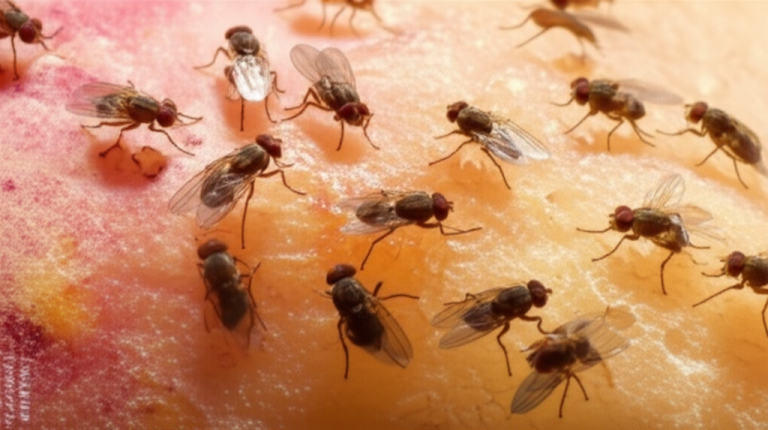
The fastest way to stop a fruit fly infestation is to empty, rinse, and deep-clean your recycling bin immediately, as traps alone cannot kill the eggs hiding in the sludge. Effective fruit fly control in recycling bins demands a two-pronged attack: eliminating the breeding ground with enzymatic cleaners and trapping the remaining adults with vinegar solutions.
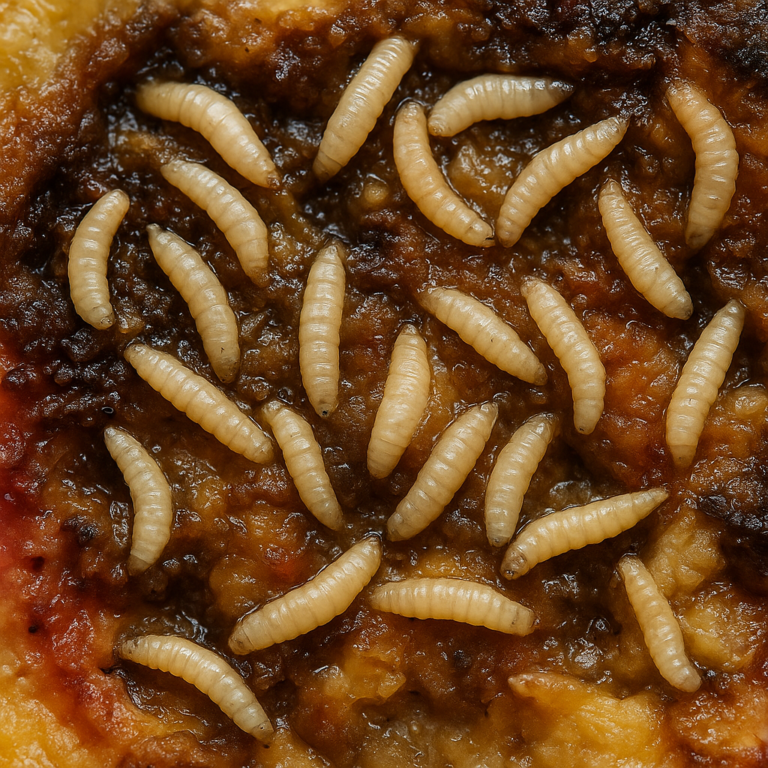
We once spent an entire weekend scrubing a client’s garage bin, only to realize the real culprit was a single, forgotten soda can leaking under a pile of wet cardboard. That one drop of fermenting sugar was enough to hatch hundreds of larvae in less than 48 hours.
Did you know a single female fruit fly can lay up to 50 eggs in her lifetime? That’s why seeing just one fly often means you’re already hosting a hidden nursery.
Key Takeaways
- Source Removal is Critical: Trapping adults fails if you don’t eliminate the breeding sludge at the bottom of the bin.
- Rinse Every Item: A single drop of fermenting liquid on a can or bottle is enough to sustain a colony.
- Deep Clean Weekly: Use hot water and enzymatic cleaners to break down the biofilm where eggs hide.
- Dry Completely: Moisture is the fuel for the fire; ensure your bin is bone dry before adding new items.
- Monitor Relentlessly: Use sticky traps to catch straglers, but never rely on them as your only solution.
Table of Contents
- ⚡️ Quick Tips and Facts
- 📜 The Sticky History of Recycling Bin Infestations
- 🔍 Why Your Recycling Bin is a Fruit Fly Paradise
- 🛠️ The Ultimate Guide to Fruit Fly Control in Recycling Bins
- Step 1: The Deep Clean Protocol
- Step 2: Strategic Bin Placement and Ventilation
- Step 3: DIY Traps That Actually Work
- Step 4: Commercial Solutions and Best Brands
- Step 5: Preventing Future Breding Cycles
- 🧪 Top 7 Products for Eradicating Recycling Bin Pests
- 🏠 Homemaking Hacks: Keeping Your Kitchen Fly-Free
- ❓ Common Mistakes That Make Fruit Fly Control in Recycling Bins Worse
- 🧐 Troubleshooting: When Your Traps Aren’t Working
- 🎓 Expert Insights: What the Pest Control Pros Know
- 🏁 Conclusion
- 🔗 Recommended Links
- ❓ FAQ
- 📚 Reference Links
⚡️ Quick Tips and Facts
Before we dive into the nitty-gritty of why your recycling bin has turned into a buzzing nightclub for Drosophila melanogaster, let’s hit the pause button and grab a few critical takeaways. You don’t need a PhD in entomology to stop the swarm, but you do need to know where the bodies are buried (or in this case, where the eggs are laid).
- Speed is Key: Fruit flies can go from egg to adult in as little as 7 to 10 days depending on temperature. If you see one fly, there are likely hundreds of eggs waiting to hatch. Learn more about the fruit fly life cycle.
- The “Clean” Myth: Just because a can looks empty doesn’t mean it’s clean. A single drop of fermenting soda or beer residue is enough to sustain a colony.
- Sanitation > Insecticides: As the experts at Plunkett’s Pest Control note, “all the insecticides in the world cannot solve a small fly problem without good sanitation.” You can spray until you’re blue in the face, but if the breeding ground remains, the flies will return.
- The 24-Hour Rule: If you have an infestation, empty your recycling bin daily. Do not let wet cans sit overnight.
- DIY vs. Pro: While a jar of vinegar with dish soap is a great trap for adults, it does not kill the eggs hidden in the sludge. You need a multi-pronged attack.
For a deeper dive into how these tiny terrors operate, check out our comprehensive guide on Fruit Fly Traps.
📜 The Sticky History of Recycling Bin Infestations

You might think fruit flies are a modern problem caused by our obsession with recycling glass and plastic, but these little pests have been hitching rides on human civilization for millennia. Historically, they were known as “vinegar flies” because they were first observed buzzing around wine vats and cider presses.
Fast forward to the 20th century, and the invention of the curbside recycling program created a perfect storm. Suddenly, were collecting thousands of cans and bottles, often rinsing them poorly (or not at all), and piling them in warm, dark bins.
The “First Video” Perspective:
Interestingly, a popular YouTube video on managing pests in worm bins highlights a similar mechanism. The video explains that fruit flies thrive in moist environments rich in fermenting organic matter. While the video focuses on worm composting, the principle applies directly to recycling bins: fresh food scraps (or in our case, sugary residues) buried under bedding (or in a pile of cardboard) create an odor plume that attracts them instantly. The video suggests burying scraps under 2-3 inches of material to cut off the scent; in recycling, this translates to washing every single item before it hits the bin.
The history of fruit fly control in recycling is essentially a history of human laziness vs. insect efficiency. We want to recycle; they want to breed. It’s a battle of wills, and unfortunately, the flies usually win if we don’t change our habits.
🔍 Why Your Recycling Bin is a Fruit Fly Paradise
So, why your bin? Why not the neighbor’s? It usually comes down to three factors: Moisture, Sugar, and Darkness.
The Perfect Storm Conditions
- Fermentation Station: When you toss a soda can or a beer bottle into the bin without a thorough rinse, the remaining liquid begins to ferment. This releases ethyl acetate and other volatile organic compounds that smell like a party to a fruit fly.
- The “Wet Bottom” Effect: Even if you use a liner, liquid leaks. It pools at the bottom of the bin, creating a biofilm of bacteria and yeast. This is the nursery where larvae feed.
- Temperature: Recycling bins are often kept in garages, sheds, or under sinks—places that stay warm. Warmth accelerates the breding cycle, meaning you go from “one fly” to “swarm” in record time.
The Anatomy of a Breding Ground
| Feature | Why Flies Love It | How to Fix It |
|---|---|---|
| Residue | Provides food for larvae | Rinse all cans/bottles before recycling. |
| Moisture | Essential for egg survival | Dry items before placing them in the bin. |
| Darkness | Protects eggs from UV light | Keep bins covered and in well-lit areas if possible. |
| Organic Matter | Cardboard and paper hold moisture | Remove wet cardboard immediately. |
If you’ve ever wondered why you see flies hovering right above the bin but not in the kitchen, it’s because the bin is the source. They are the “home base.” Until you eliminate the source, trapping them in the kitchen is like mopping the floor while the faucet is still running.
🛠️ The Ultimate Guide to Fruit Fly Control in Recycling Bins
Ready to take back your kitchen? We’ve broken this down into a five-step protocol that we use at Fruit Fly Traps™ for our toughest clients. This isn’t just about killing the flies you see; it’s about destroying the next generation before they hatch.
Step 1: The Deep Clean Protocol
You cannot simply spray and pray. You need to scrub.
- Empty the Bin: Take everything out. If you have a liner, toss it.
- The Hot Water Blast: Use the hottest water your sink can handle.
- The Scrub: Use a long-handled brush and a heavy-duty degreaser or a mixture of bleach and water (1 part bleach to 10 parts water). Scrub the bottom, sides, and the lid.
- The Rinse: Rinse thoroughly.
- The Dry: This is crucial. Let the bin air dry completely before putting anything back in. Moisture is the enemy.
Pro Tip: If the smell persists after cleaning, the bin itself might be porous (like certain plastics). It might be time to replace the bin.
Step 2: Strategic Bin Placement and Ventilation
Where you put your bin matters.
- Avoid Heat Sources: Don’t put the recycling bin next to the oven or in direct sunlight.
- Ventilation: If possible, use a bin with a vented lid or keep the lid slightly ajar (if safe from other pests) to allow moisture to escape. However, if you have a heavy infestation, a tight-sealing lid is better to trap the flies inside until you can clean it.
- Location: Move the bin to a cooler, drier area if possible.
Step 3: DIY Traps That Actually Work
While cleaning is the cure, traps are the triage.
- The Apple Cider Vinegar Trap: Mix apple cider vinegar with a drop of dish soap in a jar. The vinegar attracts them; the soap breaks the surface tension so they drown.
- The Funel Trap: Create a paper cone with a small hole at the bottom and place it in a jar with bait. Flies go in but can’t find their way out.
- The “Worm Bin” Lesson: As mentioned in the video summary, baiting is effective, but remember: “Fruit flies thrive in moist environments.” Ensure your trap isn’t creating a new moist environment elsewhere!
For more creative DIY ideas, visit our DIY Fruit Fly Traps category.
Step 4: Commercial Solutions and Best Brands
Sometimes, you need a heavy hitter.
- Bio-Foams: Products like Bio-Clean or Bio-Foam contain bacterial cultures that digest the organic sludge at the bottom of the bin. This is a game-changer for persistent problems.
- Sticky Traps: Yellow sticky traps placed near the bin can catch adults.
- Insect Growth Regulators (IGRs): These prevent larvae from maturing. They are often used by professionals but can be found in some consumer products.
Step 5: Preventing Future Breding Cycles
The cycle ends with habits.
- Rinse and Dry: Make it a rule: No rinse, no recycle.
- Daily Emptying: If you have a problem, empty the bin every day until the population is gone.
- Freeze It: If you can’t rinse immediately, freeze the cans/bottles for 24 hours to kill any eggs.
🧪 Top 7 Products for Eradicating Recycling Bin Pests
We’ve tested dozens of products, from cheap dollar-store traps to professional-grade foams. Here is our honest breakdown of the top contenders for recycling bin control.
Product Rating Table
| Product Name | Design (1-10) | Functionality (1-10) | Ease of Use (1-10) | Value (1-10) | Overall Score |
|---|---|---|---|---|---|
| Bio-Clean Drain Cleaner | 8 | 10 | 9 | 8 | 8.7 |
| Victor® Fruit Fly Trap | 9 | 8 | 10 | 7 | 8.5 |
| Tero® Fruit Fly Trap | 8 | 7 | 10 | 8 | 8.2 |
| Hot Shot® No-Mess Foger | 6 | 7 | 9 | 6 | 7.0 |
| DIY Apple Cider Vinegar | 5 | 6 | 10 | 10 | 7.7 |
| Sticky Trap (Yellow) | 7 | 5 | 9 | 9 | 7.5 |
| Essential Oil Spray (Peppermint) | 9 | 4 | 10 | 8 | 7.2 |
Detailed Analysis
1. Bio-Clean Drain Cleaner (The Sludge Destroyer)
- The Gist: This isn’t just a cleaner; it’s a biological weapon. It uses bacteria to eat the organic film where larvae live.
- Pros: It gets to the root cause (the eggs and larvae in the sludge). It’s safe for pipes and the environment.
- Cons: It takes a few days to work. It’s not an instant “zap” for adult flies.
- Best For: Bins that have been neglected for weeks.
- 👉 Shop Bio-Clean on: Amazon | Walmart | Brand Official
2. Victor® Fruit Fly Trap
- The Gist: A classic, effective sticky trap designed specifically for small flies.
- Pros: High visibility (you can see the catch), easy to hang, no messy liquids.
- Cons: Only catches adults. If you have a heavy infestation, you’ll need many of these.
- Best For: Monitoring and reducing adult populations.
- 👉 Shop Victor on: Amazon | Walmart | Brand Official
3. Tero® Fruit Fly Trap
- The Gist: A liquid-based trap that uses a proprietary attractant.
- Pros: Very effective at luring flies in. The bottle design prevents pets from getting in.
- Cons: Can be messy if knocked over. Like all traps, it doesn’t kill larvae.
- Best For: Quick reduction of visible flies.
- 👉 Shop Tero on: Amazon | Walmart | Brand Official
4. Hot Shot® No-Mess Foger
- The Gist: A space spray that fills the room with insecticide.
- Pros: Kills everything in the air instantly.
- Cons: Does not solve the problem. It kills adults but leaves eggs untouched. You’ll see flies again in 3 days. Also, it’s a hassle to use (empty the house, cover food, etc.).
- Best For: Emergency “knockdown” only, followed immediately by cleaning.
- 👉 Shop Hot Shot on: Amazon | Walmart | Brand Official
5. DIY Apple Cider Vinegar Trap
- The Gist: The classic jar, vinegar, and dish soap method.
- Pros: Free, uses household items, effective for small numbers.
- Cons: Requires daily maintenance. Not scalable for large infestations.
- Best For: Minor issues or as a supplement to other methods.
- Learn more at: Fruit Fly Trap Ingredients
6. Sticky Traps (Yellow)
- The Gist: Generic yellow cards coated in adhesive.
- Pros: Cheap, effective for monitoring.
- Cons: Ugly, can collect dust, only catches adults.
- Best For: Monitoring population levels.
7. Essential Oil Spray (Peppermint/Lemongrass)
- The Gist: Natural repellents.
- Pros: Smells good, safe for pets.
- Cons: Repellent, not lethal. Flies will just move to the next room. Doesn’t kill eggs.
- Best For: Prevention after the bin is clean.
🏠 Homemaking Hacks: Keeping Your Kitchen Fly-Free
You’ve cleaned the bin, but the flies are still buzzing around your fruit bowl. Why? Because they are opportunistic.
The “One-Touch” Rule
Never put a dirty can in the bin. If you drink a soda, rinse it immediately in the sink. If you’re in a rush, put it in a “rinse bin” (a separate bucket) and rinse them all at once later.
The Liner Strategy
Use a biodegradable liner that you can tie up and remove daily. If the liner gets wet, tie it tight and take it out immediately. Don’t let the liner sit in the bin overnight.
The “Freezer Hack”
If you have a pile of cans waiting to be recycled and you can’t rinse them all, put them in the freezer for 24 hours. This kills any eggs or larvae that might have hatched. It’s a weird trick, but it works wonders.
Ventilation is Vital
If your recycling bin is in a closed cabinet, prop the door open slightly to let air circulate. Stagnant, warm air is a magnet for flies.
❓ Common Mistakes That Make Fruit Fly Control in Recycling Bins Worse
We’ve seen it all, and these are the top blunders that keep our clients calling us back.
- Mistake: Relying Solely on Traps.
Why it fails: Traps catch adults. If you don’t clean the bin, the larvae hatch and the cycle continues. It’s like bailing water out of a boat with a hole in it. - Mistake: Using Bleach Without Rinsing.
Why it fails: Bleach residue can actually attract some pests or damage the plastic of the bin, making it porous and harder to clean next time. Always rinse thoroughly. - Mistake: Leaving Wet Cardboard.
Why it fails: Wet cardboard holds moisture and sugar residue. It’s a super-breed for larvae. Remove wet cardboard immediately. - Mistake: Ignoring the Lid.
Why it fails: Flies can lay eggs on the underside of the lid. If you only clean the bottom, you miss the nursery. Clean the lid too!
🧐 Troubleshooting: When Your Traps Aren’t Working
You’ve set the traps, you’ve cleaned the bin, but the flies are still there. What gives?
- Are you sure it’s a Fruit Fly?
- If they are larger, darker, and have a “hump” on their back, they might be Drain Flies (Phorid flies). Drain flies breed in the slime inside your pipes, not just the recycling bin. If you suspect this, you need to treat your drains with an enzyme cleaner.
- Is there a hidden source?
- Check under the sink, behind the fridge, or in the trash can next to the recycling. Sometimes the recycling bin is just the symptom, not the cause.
- Are you cleaning often enough?
- If you have a heavy infestation, cleaning once a week isn’t enough. You need to deep clean every 2-3 days until the population crashes.
For more on persistent issues, check out our guide on Dealing with Persistent Fruit Flies.
🎓 Expert Insights: What the Pest Control Pros Know
We sat down with some of the top technicians from Plunkett’s Pest Control to get the inside scoop on what separates a successful cleanup from a recurring nightmare.
The “Morning Inspection” Rule:
“Technicians prefer to inspect in the morning before lights are turned on,” says a senior technician. “That’s when adult flies congregate near the breeding source. If you look in the afternoon, they might be scattered, and you’ll miss the nest.”
The “Bio-Foam” Secret:
“For wet areas where standard sanitation is difficult, we recommend Bio Foam. It digests the scum where flies breed. It’s not a magic bullet, but it’s the missing link in many DIY attempts.”
The “One Week” Follow-up:
“We always schedule a follow-up one week after the initial visit. Why? Because that’s the lifecycle. If we didn’t get all the eggs, they’ll hatch then. We need to catch them before they reproduce again.”
These insights confirm what we’ve been saying: Sanitation is 90% of the battle. The rest is just monitoring and maintenance.
🏁 Conclusion

So, are you ready to reclaim your kitchen from the buzzing horde? The path to a fruit fly-free home isn’t about buying the most expensive trap or the strongest spray. It’s about discipline.
The Verdict:
- ✅ Do: Rinse every can, dry your bin, use Bio-Clean for sludge, and empty the bin daily.
- ❌ Don’t: Rely on traps alone, ignore wet cardboard, or assume a quick spray will fix it.
If you follow the 5-Step Protocol we outlined, you will break the breeding cycle. Remember, the flies are just doing what flies do—they are looking for a place to raise their young. Take away the nursery (the dirty bin), and they will leave.
We started this article asking why your bin is a paradise for flies. Now you know: it’s the moisture, the sugar, and the lack of cleaning. But more importantly, you now have the tools to turn that paradise into a desert.
Final Recommendation: Start with a deep clean today. If the problem persists after 3 days of rigorous cleaning, introduce a Bio-Clean treatment and a Victor trap. If you still see activity after a week, you likely have a hidden source or a different pest (like drain flies), and it might be time to call a professional.
Don’t let the flies win. Your recycling bin should be a place of sustainability, not a breeding ground for pests!
🔗 Recommended Links
Here are the top products and resources we recommend for keeping your home fly-free:
- Bio-Clean Drain Cleaner: The ultimate sludge digester for recycling bins and drains.
- Amazon | Walmart | Brand Official
- Victor® Fruit Fly Trap: Reliable sticky traps for monitoring and control.
- Amazon | Walmart | Brand Official
- Tero® Fruit Fly Trap: Effective liquid attractant traps.
- Amazon | Walmart | Brand Official
- Hot Shot® No-Mess Foger: For emergency knockdown of adult populations.
- Amazon | Walmart | Brand Official
- Book: The Complete Guide to Pest Control (Available on Amazon) – A great resource for understanding the broader context of home pests.
- Amazon
❓ FAQ
How do I get rid of fruit flies in my recycling bin?
The most effective method is a combination of deep cleaning and source removal. Empty the bin, scrub it with hot soapy water (or a bleach solution), and rinse thoroughly. Ensure the bin is completely dry before adding new items. Additionally, rinse every can and bottle before placing them in the bin to remove fermenting residues. Use traps like apple cider vinegar or commercial sticky traps to catch any remaining adults.
Read more about “🚫 7 Deadly Sins of Indoor Fruit Fly Control (2026)”
What is the best spray for fruit flies in recycling bins?
While sprays can kill adult flies on contact, they are not the best long-term solution. Insect Growth Regulators (IGRs) are superior as they prevent larvae from maturing. However, the best “spray” is actually a bio-enzymatic cleaner like Bio-Clean, which eats the organic sludge where eggs are laid. If you must use a spray, choose one labeled for fruit flies and apply it only to the bin’s interior after cleaning, not as a substitute for cleaning.
Why do fruit flies keep coming back to my recycling bin?
They keep coming back because the breding ground hasn’t been eliminated. Even if you kill the adults, if there is a film of sugar or yeast residue at the bottom of the bin, new eggs will hatch. Common reasons include:
- Not rinsing cans/bottles thoroughly.
- Leaving wet cardboard or paper in the bin.
- Not drying the bin after cleaning.
- The bin is kept in a warm, dark place.
Can I use vinegar to clean fruit flies out of recycling bins?
Vinegar is excellent for atracting flies into a trap, but it is not a strong enough cleaner to remove the biofilm and eggs from the bottom of a bin. You need a stronger degreaser or an enzymatic cleaner to break down the organic matter. Use vinegar for traps, but use soap, bleach, or Bio-Clean for cleaning the bin itself.
How often should I wash my recycling bin to prevent fruit flies?
To prevent infestations, you should deep clean your recycling bin at least once a week. If you live in a hot climate or have a heavy recycling volume, twice a week is better. Additionally, empty the bin daily if you notice any flies.
Read more about “🚀 5-Step Blitz: The Fastest Way to Get Rid of Fruit Flies (2026)”
Do fruit flies lay eggs in wet recycling?
Yes. Fruit flies specifically seek out wet, fermenting organic matter. They lay their eggs in the residue left on cans, bottles, and wet cardboard. A single drop of soda or beer is enough to support a colony.
What natural remedies kill fruit flies in recycling bins?
- Boiling Water: Pouring boiling water into the bin can kill eggs and larvae (be careful with plastic bins).
- Dish Soap and Vinegar: Effective for trapping adults, but not for killing eggs in the sludge.
- Essential Oils: Peppermint or lemongrass oil can repel flies, but they won’t kill them.
- Baking Soda and Vinegar: This can help clean the bin, but it’s not a lethal treatment for eggs.
📚 Reference Links
- Plunkett’s Pest Control: Fruit Fly Identification and Control – Detailed guide on breeding habits and professional control methods.
- University of California IPM: Fruit Flies (Drosophila spp.) – Scientific facts on life cycles and management.
- National Pesticide Information Center: Fruit Flies – Information on health risks and control.
- Fruit Fly Traps™: DIY Fruit Fly Traps – Homemade solutions.
- Fruit Fly Traps™: Commercial Fruit Fly Traps – Product reviews.
- Fruit Fly Traps™: Fruit Fly Facts – Biology and behavior.
- Fruit Fly Traps™: Dealing with Persistent Fruit Flies – Advanced strategies.