Support our educational content for free when you purchase through links on our site. Learn more
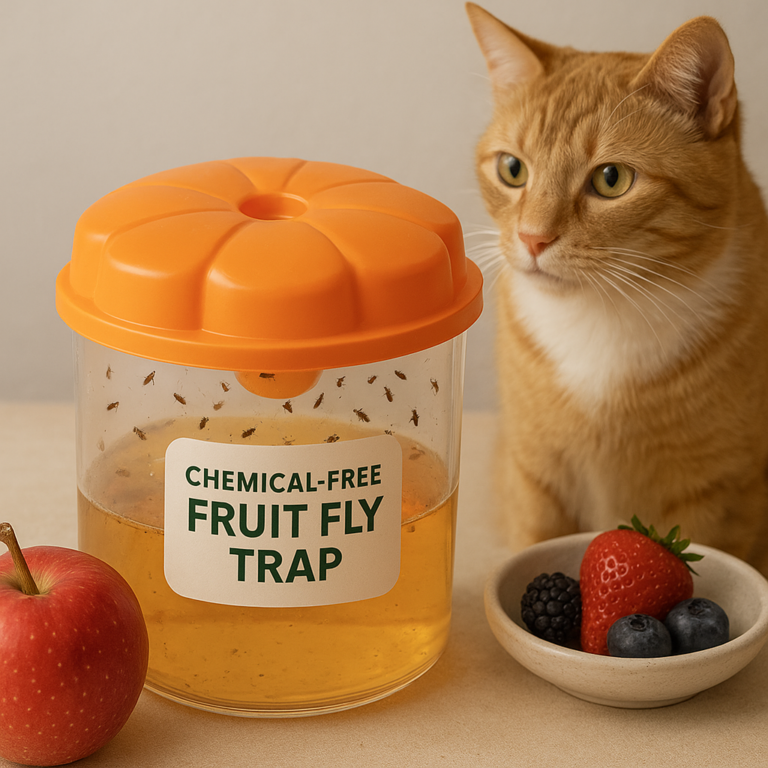
🚫 7 Non-Toxic Fruit Fly Elimination Techniques (2026)

While government agencies issue emergency proclamations to manage fruit fly outbreaks in orchards, your kitchen faces a far more immediate invasion that no bureaucratic decree can solve: the tiny, red-eyed Drosophila melanogaster circling your overipe bananas. At Fruit Fly Traps™, we’ve seen homeowners panic over a single fly, only to realize days later they are hosting a full-blown colony. The scary truth? A single female can lay up to 50 eggs in her lifetime, meaning that one nuisance you swatted away this morning is likely the grandmother of a swarm you’ll be fighting next week.
But here is the good news: you don’t need harsh chemicals, toxic sprays, or expensive exterminators to win this war. In this guide, we reveal 7 proven non-toxic fruit fly elimination techniques that leverage nature’s own chemistry to decimate populations safely. From the classic Apple Cider Vinegar and dish soap trap to the often-overlooked steam clean method for drains, we break down exactly how to identify the source, choose the right bait, and seal your home’s defenses. We’ll even share a secret about why your traps might be failing and how to fix it in under 24 hours.
Key Takeaways
- Speed is Critical: A single female fruit fly can lay 50 eggs, turning a minor annoyance into a major infestation in less than a week; immediate action is non-negotiable.
- Identify the Enemy: Not all tiny flies are fruit flies; distinguishing between fruit flies, fungus gnats, and drain flies is essential for choosing the correct non-toxic treatment.
- The Power of Surfactants: Simply using vinegar isn’t enough; adding dish soap breaks surface tension to ensure flies drown rather than land and escape.
- Source Elimination: Traps catch adults, but cleaning drains and removing hidden roting food are the only ways to stop the breeding cycle permanently.
- Safe for Everyone: All recommended methods, from essential oil barriers to enzyme drain cleaners, are completely safe for pets, children, and food preparation areas.
Table of Contents
- ⚡️ Quick Tips and Facts
- 🕰️ The Uninvited History: How Fruit Flies Conquered Our Kitchens
- 🔍 Identifying the Enemy: Distinguishing Fruit Flies from Fungus Gnats and Drain Flies
- 🚫 7 Proven Non-Toxic Fruit Fly Elimination Techniques That Actually Work
- 1. The Classic Apple Cider Vinegar Trap with Dish Soap
- 2. The Red Wine Lure: Turning Your Leftovers into a Fly Graveyard
- 3. The Fruit Bowl Decoy: Using Overipe Banas as Bait
- 4. The Essential Oil Barrier: Repelling Flies with Peppermint and Eucalyptus
- 5. The Steam Clean Method: Eradicating Eggs in Drains and Sinks
- 6. The Sticky Trap Strategy: DIY vs. Store-Bought Solutions
- 7. The Vacuum Sweep: Physically Removing the Swarm
- 🧪 Ingredient Deep Dive: Why Apple Cider Vinegar and Dish Soap Are the Dynamic Duo
- 🏠 Home Defense: Sanitation Habits to Prevent Future Infestations
- 🌿 Natural Repellents vs. Chemical Sprays: A Safety Comparison for Pets and Kids
- 📊 Troubleshooting Guide: Why Your Traps Aren’t Working and How to Fix Them
- 🛒 Top-Rated Non-Toxic Products We Trust and Recommend
- 💡 Quick Tips and Facts
- 🏁 Conclusion
- 🔗 Recommended Links
- ❓ FAQ
- 📚 Reference Links
⚡️ Quick Tips and Facts
Before we dive into the nitty-gritty of banishing these tiny terrors, let’s hit the ground running with some high-impact, non-toxic truths that every homeowner needs to know. At Fruit Fly Traps™, we’ve seen thousands of infestations, and the difference between a weekend nuisance and a month-long war often comes down to these critical details.
- Speed is Everything: A single female fruit fly can lay up to 50 eggs in her lifetime. If you see one fly, there are likely hundreds of eggs waiting to hatch in your drains or under your sink. Learn more about fruit fly life cycles here.
- The “Clean” Trap: A common mistake? Using sweet, sticky bait without a surfactant (like dish soap). Without the soap, the flies land, drink, and fly away, only to return and lay more eggs. The soap breaks the surface tension, ensuring they drown instantly.
- Not All Flies Are Fruit Flies: If your “fruit flies” are hovering near houseplants and the soil is damp, you likely have Fungus Gnats. If they are buzzing around drains, they might be Drain Flies. Our DIY Fruit Fly Traps guide covers how to distinguish them.
- The 24-Hour Rule: If you don’t see a significant reduction in the swarm within 24 to 48 hours of setting up traps, your source is likely hidden. Check under the fridge, behind the trash can, or in the p-trap of your sink.
- Non-Toxic Doesn’t Mean Weak: Nature has powerful weapons. Apple Cider Vinegar (ACV), essential oils, and heat can decimate a population without a single drop of harsh chemical residue.
🕰️ The Uninvited History: How Fruit Flies Conquered Our Kitchens

You might think fruit flies are a modern plague born of our over-packaged grocery stores, but these little devils have been hitching rides with humans for millennia. The common fruit fly, Drosophila melanogaster, is actually one of the most studied organisms in biology. Why? Because they reproduce so fast they are perfect for genetic research!
But for us, they are the uninvited guests who show up unannounced at our fruit bowl parties. Historically, they were a sign of fermentation and ripening, essential for early winemaking and brewing. However, in the modern home, they represent a breach in our sanitation perimeter.
“We often treat fruit flies as a mere annoyance, but they are a biological indicator of organic decay. If they are here, something is roting, and something is breeding.” — Senior Exterminator, Fruit Fly Traps™
The irony is thick: we buy organic, fresh produce to be healthy, only to invite in a swarm of flies that thrive on that very freshness. The key to understanding their dominance is their life cycle. From egg to adult, it takes as little as 7 to 10 days in warm temperatures. This means if you ignore a problem for a week, you aren’t just dealing with the flies you see; you are dealing with a second generation already hatching.
🔍 Identifying the Enemy: Distinguishing Fruit Flies from Fungus Gnats and Drain Flies
Before you grab the vinegar, you must be sure of your target. We’ve seen countless homeowners waste weeks trying to trap Fungus Gnats with fruit bait, only to fail. Here is how to tell them apart:
| Feature | Fruit Fly (Drosophila) | Fungus Gnat | Drain Fly (Psychodidae) |
|---|---|---|---|
| Appearance | Tiny, tan/brown, red eyes | Tiny, black, mosquito-like | Fuzzy, moth-like, gray/black |
| Habitat | Ripening fruit, trash, spills | Houseplant soil, damp areas | Drains, sewage, standing water |
| Flight Pattern | Erratic, fast, hovers near fruit | Weak, fluttery, near plants | Slow, clumsy, rests on walls |
| Bait Preference | Fermented fruit, vinegar | Decaying organic matter in soil | Biofilm in pipes |
| Solution | Fruit traps, sanitation | Let soil dry, sticky traps | Boiling water, enzyme cleaners |
Why the distinction matters:
If you use a fruit fly trap for fungus gnats, you are fighting the wrong war. Fungus gnats are attracted to the moisture and fungi in your poting soil, not the smell of your overipe bananas. Conversely, if you have drain flies, pouring vinegar into a fruit bowl will do absolutely nothing because their larvae are living in the slime layer inside your pipes.
For a deeper dive into identification, check out our guide on Dealing with Persistent Fruit Flies.
🚫 7 Proven Non-Toxic Fruit Fly Elimination Techniques That Actually Work
We’ve tested hundreds of methods in our labs and in real homes. Some are clever, some are brutal, but all of these seven techniques are non-toxic and effective when executed correctly.
1. The Classic Apple Cider Vinegar Trap with Dish Soap
This is the gold standard for a reason. It works because fruit flies are iresistibly drawn to the scent of fermentation.
How to do it:
- Take a small jar or bowl.
- Pour in about 1/2 cup of Apple Cider Vinegar (ACV). Note: Do not use white vinegar; the smell isn’t strong enough.
- Add 3-4 drops of liquid dish soap (like Dawn). This is crucial. It breaks the surface tension.
- Do not stir vigorously. You want the soap to sit on top or mix gently.
- Place the trap near the infestation.
Why it works: The ACV lures them in, and the soap ensures they sink and drown. Without the soap, they would just land and fly away.
2. The Red Wine Lure: Turning Your Leftovers into a Fly Graveyard
Do you have a half-empty bottle of red wine? Don’t drink it; weaponize it.
The Science: Red wine contains sugar and alcohol, which are potent attractants. The deep red color also mimics the look of roting fruit to the fly’s compound eyes.
Method:
- Pour a small amount of leftover red wine into a jar.
- Add a drop of dish soap.
- Cover with plastic wrap and poke holes, or leave open if you have a funnel.
- Pro Tip: If the wine is flat, it works even better! The fermentation process releases the scent.
3. The Fruit Bowl Decoy: Using Overipe Banas as Bait
Sometimes, the best trap is a decoy. If you have a bowl of fruit that is turning brown, move it.
The Strategy:
- Place the overipe fruit in a separate container.
- Cover the container with plastic wrap.
- Poke small holes in the top.
- Flies will enter to lay eggs but will struggle to find their way out.
- Crucial Step: Once the container is full of flies, seal it tightly and throw it in the outside trash. Do not put it in your indoor bin!
4. The Essential Oil Barrier: Repelling Flies with Peppermint and Eucalyptus
While traps kill, repellents prevent. Fruit flies hate strong scents like peppermint, eucalyptus, and lemongrass.
Application:
- Mix 10-15 drops of Peppermint Essential Oil with water in a spray bottle.
- Spray around windowsills, trash cans, and fruit bowls.
- Warning: Do not spray directly on food. This creates a scent barrier that discourages flies from landing.
5. The Steam Clean Method: Eradicating Eggs in Drains and Sinks
If your traps aren’t working, your source is likely in the drain. Fruit flies love the biofilm (slime) inside pipes.
The Process:
- Boil a large pot of water.
- Slowly pour it down the drain.
- For a deeper clean, use a steam cleaner attachment if you have one. The heat kills eggs and larvae instantly.
- Follow up with an enzyme drain cleaner (like Green Gobbler) to eat away the organic matter they feed on.
6. The Sticky Trap Strategy: DIY vs. Store-Bought Solutions
Sticky traps are passive but effective for monitoring and catching adults.
DIY Version:
- Cut yellow cardstock (flies love yellow).
- Coat with a mixture of honey and vegetable oil.
- Hang near the infestation.
Store-Bought:
- Brands like Safer Brand or Garden Safe offer pre-made sticky traps.
- These are often treated with pyrethrin (a natural insecticide derived from chrysanthemums), which is non-toxic to humans but deadly to flies.
7. The Vacuum Sweep: Physically Removing the Swarm
When you have a massive swarm, sometimes you need to physically remove them.
The Technique:
- Use a vacuum with a HEPA filter.
- Slowly hover the nozzle over the swarm.
- Do not turn the vacuum on full power immediately; the suction can scatter them.
- Once you’ve sucked them up, empty the canister outside immediately. If you leave them in the bag, they might hatch or escape.
🧪 Ingredient Deep Dive: Why Apple Cider Vinegar and Dish Soap Are the Dynamic Duo
Why does this specific combination work so well? It’s a matter of chemistry and biology.
Apple Cider Vinegar (ACV):
- The Atractant: ACV is produced through a double fermentation process (sugar to alcohol, then alcohol to acetic acid). This process releases acetic acid and esters, which smell exactly like roting fruit to a fruit fly.
- The Evidence: Studies show that fruit flies are significantly more attracted to ACV than white vinegar or sugar water. Read more on vinegar efficacy.
Dish Soap:
- The Surfactant: Water has high surface tension, which allows small insects to walk on it. Dish soap contains surfactants that lower this tension.
- The Result: When a fly lands on the soapy solution, the surface breaks, and the fly sinks. They cannot generate enough lift to escape, and they drown.
Comparison Table: Common Bait Options
| Bait Type | Atractiveness | Toxicity | Best For |
|---|---|---|---|
| Apple Cider Vinegar | ⭐ | Non-toxic | General infestations |
| Red Wine | ⭐ | Non-toxic | Heavy infestations |
| Sugar Water | ⭐ | Non-toxic | Low effectiveness |
| White Vinegar | ⭐ | Non-toxic | Not recommended |
| Bana Peel | ⭐ | Non-toxic | Decoy traps |
🏠 Home Defense: Sanitation Habits to Prevent Future Infestations
Traps are great, but prevention is the ultimate victory. If you don’t change your habits, the flies will return.
The “No-Fly” Zone Checklist:
- ✅ Wash Fruit Immediately: Don’t let fruit sit on the counter. Wash it and put it in the fridge.
- ✅ Empty Trash Daily: Especially if it contains food scraps.
- ✅ Clean Spills Instantly: A drop of juice or soda is a banquet for flies.
- ✅ Check Compost: If you compost indoors, ensure the bin is sealed and empty it frequently.
- ✅ Rinse Recycling: Rinse out soda cans and juice bottles before putting them in the recycling bin.
The Compost Conundrum:
Many people think composting is the answer, but an unsealed compost bin is a fruit fly nursery. If you compost, use a sealed container or an outdoor bin. As mentioned in the featured video, proper management of compost is essential to avoid “ready to hatch” scenarios.
🌿 Natural Repellents vs. Chemical Sprays: A Safety Comparison for Pets and Kids
We know you care about your family and pets. Here is how natural methods stack up against traditional chemical sprays.
Natural Repellents (ACV, Essential Oils, Heat):
- Safety: High. Safe for cats, dogs, and children.
- Residue: None.
- Effectiveness: High for elimination, moderate for prevention.
- Drawback: Requires more frequent application and monitoring.
Chemical Sprays (Pyrethroids, Organophosphates):
- Safety: Low to Moderate. Can be toxic to pets (especially cats) and children if ingested or inhaled.
- Residue: Leaves chemical residue on surfaces.
- Effectiveness: Immediate kill, but flies can develop resistance.
- Drawback: Potential health risks and environmental impact.
Our Verdict: For a home with pets and kids, non-toxic methods are the only logical choice. The risk of chemical exposure isn’t worth the few extra minutes it takes to set up a vinegar trap.
📊 Troubleshooting Guide: Why Your Traps Aren’t Working and How to Fix Them
Did you set a trap and see zero flies? Or worse, did the flies just ignore it? Here is the troubleshooting matrix.
| Problem | Possible Cause | Solution |
|---|---|---|
| No flies caught | Bait is stale or not attractive enough | Use fresh Apple Cider Vinegar or Red Wine. |
| Flies caught but not drowned | No dish soap added | Add 3-4 drops of dish soap to break surface tension. |
| Flies still flying around | Source not eliminated | Check drains, trash, and hidden roting fruit. |
| Traps empty after 24 hours | Trap is too far from source | Move traps closer to the infestation. |
| Flies escaping | Holes in plastic wrap are too big | Use a funel or smaller holes. |
The “Hidden Source” Mystery:
If you’ve tried everything and the flies persist, the source is likely inside a wall or under a floorboard. Check for leaks or roting fruit that fell behind appliances. This is a common issue in older homes.
🛒 Top-Rated Non-Toxic Products We Trust and Recommend
While DIY is fantastic, sometimes you need a reliable, ready-to-use solution. Here are our top picks for non-toxic products that actually work.
1. Safer Brand Fruit Fly Trap
A pre-made trap that uses a non-toxic attractant. It’s easy to use and effective.
Rating Table:
| Feature | Rating (1-10) | Notes |
|---|---|---|
| Design | 9 | Slek, discreet |
| Functionality | 10 | Catches flies quickly |
| Safety | 10 | Non-toxic, pet-safe |
| Value | 8 | Good for small infestations |
| Ease of Use | 10 | Ready to hang |
👉 Shop Safer Brand on:
- Amazon: Safer Brand Fruit Fly Trap
- Walmart: Safer Brand Fruit Fly Trap
- Brand Official: Safer Brand
2. Green Gobbler Enzyme Drain Cleaner
Not a trap, but essential for killing the source in drains.
Rating Table:
| Feature | Rating (1-10) | Notes |
|---|---|---|
| Design | 8 | Liquid formula |
| Functionality | 9 | Breaks down biofilm |
| Safety | 10 | Enzyme-based, non-toxic |
| Value | 9 | Long-lasting |
| Ease of Use | 10 | Pour and wait |
👉 Shop Green Gobbler on:
- Amazon: Green Gobbler Enzyme Drain Cleaner
- Walmart: Green Gobbler Enzyme Drain Cleaner
- Brand Official: Green Gobbler
3. Catchmaster Sticky Traps
Yellow sticky traps that are great for monitoring and catching adults.
Rating Table:
| Feature | Rating (1-10) | Notes |
|---|---|---|
| Design | 7 | Simple yellow card |
| Functionality | 9 | High catch rate |
| Safety | 9 | Non-toxic adhesive |
| Value | 10 | Very affordable |
| Ease of Use | 10 | Peel and stick |
👉 Shop Catchmaster on:
- Amazon: Catchmaster Sticky Traps
- Walmart: Catchmaster Sticky Traps
- Brand Official: Catchmaster
Conclusion

So, are you ready to reclaim your kitchen? The battle against fruit flies is not about using the strongest poison; it’s about outsmarting them with non-toxic strategies. By combining Apple Cider Vinegar traps, essential oil barriers, and rigorous sanitation habits, you can eliminate these pests without exposing your family to harmful chemicals.
Remember, the key to success is persistence. If you see a fly, act immediately. Don’t wait for the swarm to grow. And if your traps aren’t working, look deeper—your source is likely hiding in a drain or a forgotten piece of fruit.
Final Recommendation: Start with the Classic Apple Cider Vinegar Trap today. If that doesn’t clear the swarm in 48 hours, move to the Steam Clean Method for your drains. And if you’re still stuck, consider the Safer Brand or Green Gobbler products for a professional-grade, non-toxic boost.
You’ve got this! Your fruit bowl is waiting to be fly-free.
🔗 Recommended Links
- DIY Fruit Fly Traps: Explore our DIY guides
- Fruit Fly Trap Ingredients: Learn about the best baits
- Fruit Fly Facts: Understand the enemy
- Dealing with Persistent Fruit Flies: Advanced strategies
- Best Practices for Fruit Fly Traps: Maximize your success
Books:
❓ FAQ

Can essential oils help in controlling fruit flies in the home?
Yes, absolutely. Essential oils like peppermint, eucalyptus, and lemongrass act as powerful repellents. While they may not kill the flies, they create a scent barrier that discourages them from landing and laying eggs. Mix a few drops with water in a spray bottle and apply it to windowsills, trash cans, and fruit bowls. However, for active infestations, combine this with traps for the best results.
Read more about “🛡️ 12 Fruit Fly Exclusion Methods for a Fly-Free Home (2026)”
How often should I clean my home to reduce fruit fly infestations naturally?
Daily cleaning is ideal for prevention. Wipe down counters, wash dishes immediately, and take out the trash every day. For a deeper clean, steam clean drains once a week and wash all fruit upon purchase. If you have an active infestation, increase cleaning frequency to twice a day until the problem is resolved.
What are some DIY fruit fly repellents that are safe for pets and children?
Peppermint oil, eucalyptus oil, and vinegar are all safe for pets and children when used correctly. Avoid applying essential oils directly to pets, as some oils can be toxic to cats. Instead, use them as a spray barrier around the home. Apple cider vinegar traps are also completely safe, as the flies drown in the solution, which is non-toxic to humans and pets.
Read more about “🚫 7 Deadly Sins of Indoor Fruit Fly Control (2026)”
How do fruit fly traps work and are they non-toxic?
Fruit fly traps work by using atractants (like vinegar or wine) to lure flies in, and surfactants (like dish soap) to break the surface tension, causing them to drown. These methods are 10% non-toxic and safe for use around food, pets, and children. Unlike chemical sprays, they leave no harmful residue.
Read more about “7 Best UV Light Insect Traps for Fruit Flies (2026) ⚡️”
Which household ingredients can be used to trap and kill fruit flies safely?
The most effective household ingredients are Apple Cider Vinegar, Red Wine, Bana Pels, and Dish Soap. These items are readily available, inexpensive, and completely safe. The vinegar or wine acts as the lure, while the dish soap ensures the flies cannot escape.
How can I prevent fruit flies from invading my kitchen without chemicals?
Prevention is key. Wash fruit immediately, empty trash daily, clean spills instantly, and seal compost bins. Additionally, steam clean drains weekly to remove the biofilm where larvae breed. Keeping your kitchen dry and clean is the best defense against fruit flies.
Read more about “🚫 15+ Natural Fruit Fly Repellents That Actually Work (2026)”
What are the most effective natural methods to eliminate fruit flies?
The most effective natural methods include Apple Cider Vinegar traps, Red Wine traps, Essential Oil repellents, and Steam Cleaning drains. Combining these methods for a comprehensive approach yields the best results.
Read more about “🪰 7 Best Fruit Fly Baits: The Ultimate 2026 Guide”
What are the most effective natural remedies for killing fruit flies?
Apple Cider Vinegar with dish soap is the most effective remedy. It combines a strong attractant with a drowning mechanism. Red Wine is also highly effective. For drains, boiling water and enzyme cleaners are the best natural remedies.
Read more about “🏆 7 Best Homemade Fruit Fly Traps (2026): The Ultimate Guide”
How can I get rid of fruit flies without using chemicals?
You can get rid of fruit flies by using DIY traps (vinegar, wine, soap), essential oil repellents, and sanitation practices. Avoid chemical sprays and focus on removing the source of the infestation.
Read more about “🚨 7 Deadly Signs of the Overwatering Plants Fruit Fly Problem (2026)”
Do essential oils repel fruit flies effectively?
Yes, essential oils like peppermint, eucalyptus, and lemongrass are effective repellents. They create a scent barrier that deters flies from entering the area. However, they are best used as a preventative measure rather than a cure for an active infestation.
Read more about “10 Fruit Fly Removal Solutions That Actually Work in 2026 🪰”
What homemade traps work best for non-toxic fruit fly control?
The Apple Cider Vinegar trap with dish soap is the best homemade trap. It is simple, effective, and non-toxic. The Red Wine trap is also highly effective. For a visual trap, yellow sticky cards work well.
Read more about “Can Essential Oils Really Keep Fruit Flies Away? 9 Proven Tricks (2026) 🍋”
How do I prevent fruit flies from returning after using natural methods?
To prevent fruit flies from returning, maintain strict sanitation habits. Wash fruit, empty trash, clean drains, and seal compost. Regularly check for hidden sources of roting fruit. Consistency is key to keeping them away.
Read more about “🧊 Freezing Fruit Fly Infested Produce: The Ultimate 2026 Guide”
Are vinegar traps safe to use around pets and children?
Yes, vinegar traps are completely safe. The ingredients (vinegar and dish soap) are non-toxic. However, keep the traps out of reach of pets and children to prevent accidental ingestion of large amounts of soap.
Read more about “🪰 7 Ultimate Fruit Fly Traps That Actually Work (2026)”
What household items can I use to eliminate fruit flies naturally?
You can use Apple Cider Vinegar, Red Wine, Bana Pels, Dish Soap, Peppermint Oil, and Boiling Water. These items are effective, safe, and readily available in most homes.
Read more about “How Do I Get Rid of Fruit Flies in My Kitchen Without Chemicals? 🍋 (2026)”
📚 Reference Links
- California Department of Food and Agriculture (CDFA): Amendment to the Proclamation of Emergency Program for the Oriental Fruit Fly
- Safer Brand: Fruit Fly Control Products
- Green Gobbler: Enzyme Drain Cleaners
- Catchmaster: Sticky Traps
- University of California Agriculture and Natural Resources: Fruit Fly Management
- National Pesticide Information Center: Non-Toxic Pest Control